# Debunking Myths: Common Misconceptions About Solar Panels
Picture this: the sun rises over a tranquil landscape, casting golden rays on my solar panels while I sip my morning coffee. It’s a beautiful day, and I can hear the gentle hum of the inverter, converting sunlight into usable electricity. I often find myself chatting with friends and family about my solar setup, only to be met with a range of misconceptions about solar panels. You’d think we were discussing an alien spacecraft rather than a technology designed to harness Earth’s most abundant energy source! In this article, we’ll dive deep into some common myths surrounding solar panels and illuminate the truth behind them.
## Myth 1: Solar Panels Are Too Expensive
Ah, the age-old argument: “Solar panels are just too pricey!” While it’s true that the initial cost can be significant, many people overlook the long-term savings and incentives available.
### The Reality
1. **Long-Term Savings**: Once installed, solar panels can drastically reduce your electricity bills, providing substantial savings over time. Depending on your location and energy needs, many systems pay for themselves within 5–7 years.
2. **Incentives and Rebates**: Federal tax credits, state rebates, and local incentives significantly offset your upfront costs. Many homeowners find that these financial aids can cover 30% to 50% of the total installation cost!
## Myth 2: Solar Panels Only Work in Sunny States
You might imagine solar panels as sunbathers soaking up rays on a beach in California. However, this perception can be misleading.
### The Reality
1. **Performance in Varied Climates**: Solar panels can generate electricity even on cloudy days or in colder climates. In fact, cold weather can actually improve their efficiency! Places like Germany and Canada have successfully harnessed solar energy, proving that it’s not just about constant sunshine.
2. **Energy Storage**: Combined with battery storage systems, you can store energy produced during sunny days for use during cloudy spells or even at night, maximizing your solar system’s efficacy.
## Myth 3: Solar Panels Require Constant Maintenance
Ah, the notion that solar panels are akin to delicate flowers needing constant care. It’s a common misunderstanding that can discourage many.
### The Reality
1. **Low Maintenance Needs**: Generally, solar panels require minimal maintenance. An occasional rinse with water to clear off dirt or dust is usually sufficient. Most panels come with a warranty of 20–25 years, reflecting their durability and low upkeep.
2. **Smart Technology**: Many solar systems now include monitoring apps that track energy production and alert you to potential issues. This tech-savvy approach means you’ll know of any needed maintenance before it becomes a problem.
## Myth 4: Solar Panels Are Inefficient
“The science is too complicated!” This myth stems from a misunderstanding of how solar panels convert sunlight into usable energy.
### The Reality
1. **Improved Efficiency**: Modern solar panels boast efficiencies ranging from 15% to over 22%. Research and development have led to better materials and technology, making today’s panels far more effective than those from just a decade ago.
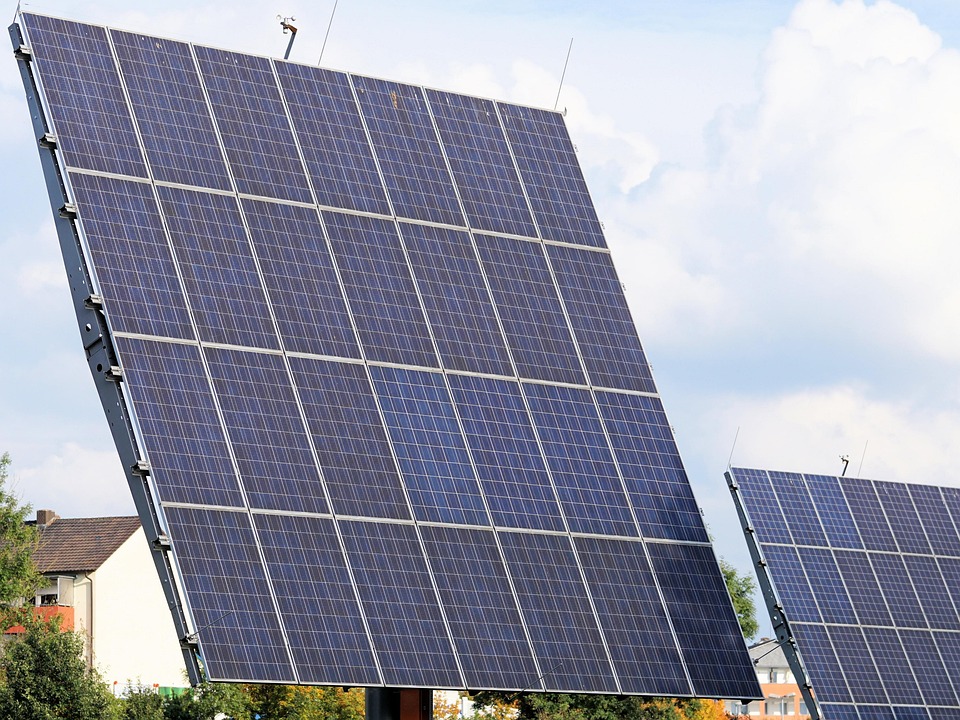
2. **Specialized Systems**: Advances such as bifacial panels, which can generate energy from both sides, and tracking systems that follow the sun are also helping to further boost efficiency.
## Myth 5: Solar Panels Are Bad for the Environment
Ironically, some believe that solar panels do more harm than good, primarily due to their manufacturing processes.
### The Reality
1. **Sustainable Energy Source**: While manufacturing solar panels does consume resources, the overall environmental impact is much lower than fossil fuels. Over their lifespan, solar panels produce far more energy than is used in their production.
2. **Recycling Initiatives**: The solar industry is increasingly investing in recycling programs for decommissioned panels, aiming to minimize waste. Companies are actively developing methods to reclaim materials like silicon and metals, contributing to a circular economy.
## Myth 6: Solar Panels Can’t Power My Whole Home
A common misconception revolves around the belief that solar energy is insufficient for complete household needs, leading many to think they need to have backup generators.
### The Reality
1. **Sizing Your System**: A properly installed and sized solar system can indeed power your entire home! By assessing your average energy consumption and understanding your local solar potential, you can customize your installation to meet all your energy needs.
2. **Grid-Tied vs. Off-Grid**: Whether you choose to remain connected to the grid (grid-tied systems) or go off-grid, both setups can be optimized to meet your household needs. Grid-tied systems allow you to draw power when your solar panels aren’t generating enough energy, while battery storage systems can ensure a reliable power supply for off-grid living.
## Pro Tips
– **Do Your Research**: Before committing to solar, research different types of panels, incentives in your area, and installers. This knowledge will empower you to make informed decisions.
– **Monitor Performance**: Utilize apps and monitoring systems to keep track of your energy production so you can spot any anomalies early.
– **Consider Battery Storage**: If you live in a region with variable weather or frequent outages, investing in battery storage can provide peace of mind.
## Conclusion
As we navigate through these common solar panel myths, it becomes clear that many misconceptions stem from outdated information or a lack of understanding about modern technology. Solar panels present an incredible opportunity for sustainable energy and financial savings, contributing to a cleaner environment.
So, the next time someone tells you solar panels are expensive, ineffective, or only for sunny states, you’ll be armed with the truth! Embrace the sunshine and consider stepping into the world of solar energy; it might just be one of the best decisions you make for your wallet and the planet. Let’s shed light on the possibilities of harnessing solar energy and pave the way to a brighter, greener future.