
# The Environmental Impact of Solar Panels: A Greener Tomorrow
Picture this: the sun rises over a sprawling landscape, casting its golden rays upon a sea of shimmering solar panels. The gentle hum of nature fills the air as I watch small birds flit from tree to tree, oblivious to the transformation happening under their wings. That morning, the quiet power of a solar energy system began to dawn on me in a way I had never expected—a journey into sustainability, efficiency, and, most importantly, a healthier planet.
In recent years, solar panels have become commonplace, but their environmental impact is often overlooked. The benefits extend beyond just reducing your electricity bill. This article sheds light on how solar panels can be a beacon of hope for creating a greener, more sustainable world. In the face of climate change, human activity has strained the planet, but solar energy emerges as a counterbalancing force. Let’s explore the multifaceted environmental benefits of solar panels and how they contribute to a greener tomorrow.
## The Basics of Solar Power
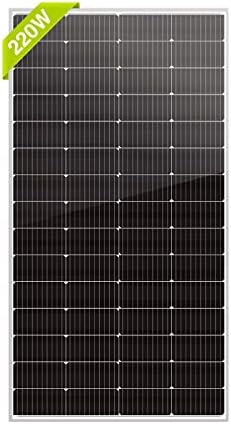
Solar energy is harnessed from the sun’s rays and converted into electricity through photovoltaic (PV) panels. These panels are composed of semiconductor materials—most commonly silicon—that absorb sunlight and release electrons, ultimately generating electricity. With advancements in technology, solar panels have become more efficient, affordable, and accessible to households and businesses alike. Solar energy is renewable, meaning it can be used endlessly without depleting natural resources.
## 1. Reduction of Carbon Footprint
One of the most significant environmental impacts of solar panels is the reduction of greenhouse gas emissions. Traditional fossil fuel sources contribute to carbon emissions, which are a major driver of climate change. In contrast, solar energy is clean and emits no carbon dioxide during generation. By switching to solar power, individuals and businesses can significantly reduce their carbon footprint.
### Real-World Impact
According to the National Renewable Energy Laboratory, a single residential solar panel system can prevent around 100 metric tons of carbon dioxide from entering the atmosphere over its lifetime. That is equivalent to planting over 2,500 trees or taking five cars off the road. Imagine if every household installed solar panels—this collective effort could substantially combat climate change.
## 2. Decreased Water Use
Water is a precious resource, and the energy industry is one of its largest consumers, particularly for cooling processes in fossil fuel power plants. Solar panels, on the other hand, require minimal water for maintenance compared to other energy sources.
### Water Conservation
In areas prone to drought, solar energy could play a pivotal role in conserving water. A study by the Union of Concerned Scientists revealed that solar energy systems use 90% less water than traditional fossil fuels, effectively easing pressure on local water supplies. This water-saving benefit becomes even more crucial as global populations increase and freshwater resources become scarcer.
## 3. Enhanced Air Quality
The combustion of fossil fuels releases harmful pollutants into the air, posing serious health risks to both humans and wildlife. Solar power systems, in stark contrast, produce no air pollutants during operation.
### Health Benefits
By reducing reliance on fossil fuels and their related emissions, we can expect to see improved air quality. This change can lead to fewer respiratory illnesses, lower healthcare costs, and overall better public health outcomes. A cleaner environment means healthier communities, which in turn creates a cycle of positive feedback for future generations.
## 4. Biodiversity Preservation
The development of renewable energy sources, like solar power, has the potential to protect ecosystems. Conventional energy extraction methods often involve habitat destruction, pollution, and fragmentation. Solar panels, when installed thoughtfully, minimize disturbances to wildlife habitats.
### Smart Installation Practices
Solar farms can be strategically placed on previously disturbed lands or rooftops, reducing the need to clear pristine environments. Emerging innovative ideas, such as agrivoltaics, combine agricultural practices with solar energy generation. These systems allow for crops to be grown simultaneously under solar panels, maximizing land use while preserving biodiversity.
## 5. Economic Empowerment and Job Creation
Transitioning to solar power isn’t only beneficial for the environment; it’s also a boon for the economy. The solar industry has rapidly grown and is creating a plethora of jobs in construction, installation, maintenance, and engineering.
### Job Market Growth
With the U.S. Bureau of Labor Statistics projecting that solar photovoltaic installers will be among the fastest-growing occupations, embracing solar energy offers a path for stable employment. These jobs often come with the added benefit of working in an industry focused on sustainability, attracting those committed to making a positive impact.
## Pro Tips for Embracing Solar Energy
1. **Research Local Incentives**: Many states offer tax credits, rebates, and incentives for solar panel installation. Maximize your savings by researching available programs.
2. **Opt for Quality Panels**: Invest in high-efficiency solar panels from reputable manufacturers. Quality panels offer better performance and durability, ensuring your investment pays off in the long run.
3. **Consider Battery Storage**: Pairing solar panels with battery storage allows you to store excess energy for later use, providing energy even when the sun isn’t shining.
4. **Stay Informed**: Keep abreast of the latest advancements in solar technology and local regulations. This knowledge helps you make informed decisions about your solar energy options.
5. **Engage with the Community**: Encourage neighbors and local businesses to explore solar options. A community-based approach can lead to collective purchasing agreements, reducing costs and fostering local support.
## 6. The Future of Solar Energy
Looking ahead, the potential for solar energy is immense. As technology evolves, we can anticipate:
– **Enhanced Efficiency**: Next-generation solar panels promise higher efficiency levels, making it possible to generate more electricity from less space.
– **Increased Accessibility**: Innovations in financing options and community solar projects can make solar energy accessible to even more people, regardless of their living situations.
– **Integration with Smart Grids**: The development of smart energy grids can seamlessly integrate solar power into the existing energy infrastructure, ensuring that renewable energy is efficiently harnessed and distributed.
## Conclusion: A Collective Responsibility
The environmental impact of solar panels is not merely a statistic; it represents a collective responsibility toward preserving our planet. Everyone, from individual homeowners to large corporations, has a role to play in shaping a sustainable future. The transition to solar energy offers a realistic pathway to reducing our environmental footprint, enhancing public health, and creating economic opportunities.
As you consider the switch to solar energy, remember that every little bit counts. The sun shines for everyone—it’s time we harness its power for a greener tomorrow. By investing in solar technology now, we are not only lighting up our homes but also illuminating a path toward a more sustainable and equitable future. Let’s work together to turn the tide in favor of our planet!