
# Solar Showdown: A Comprehensive Comparison of Monocrystalline, Polycrystalline, and Thin-Film Panels
A few years ago, I decided to embrace a lifestyle powered by the sun and dive into the world of solar energy. It was a sunny afternoon, and my excitement bubbled as I watched my first solar panels get installed. Little did I know that my journey would lead me down a rabbit hole of research into the different types of solar panels. Fast forward to today, and I’ve gained a wealth of knowledge about solar technology, particularly the three dominant types: monocrystalline, polycrystalline, and thin-film panels. If you’re considering solar energy for your own home or off-grid lifestyle, this comprehensive comparison will help you make an informed decision!
## Understanding Solar Panels: The Basics
Before we dive into the specifics of each solar panel type, let’s break down how solar panels work. Essentially, solar panels convert sunlight into electricity. They consist of many photovoltaic (PV) cells that absorb sunlight. When sunlight strikes these cells, it excites electrons, generating an electric current. The effectiveness of this conversion depends largely on the type of panel you choose.
### Monocrystalline Panels: Efficiency Kings
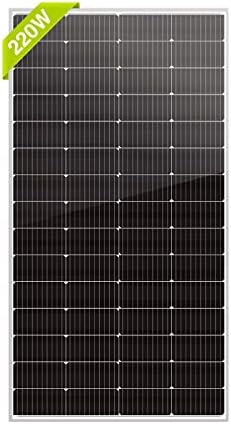
Monocrystalline solar panels are often considered the gold standard among the solar pantheon. Made from a single crystal structure, these panels are known for their sleek black appearance and their remarkable efficiency.
#### Pros:
1. **High Efficiency:** Monocrystalline panels typically have efficiency ratings between 15-22%. This means they convert a larger portion of sunlight into usable electricity compared to their counterparts.
2. **Space Efficient:** If you have limited roof space, monocrystalline panels are your best bet. Their higher efficiency allows you to generate more electricity in a smaller area.
3. **Longevity:** Usually backed by 25-year warranties, these panels often outlast other types—making them a sound long-term investment.
4. **Aesthetics:** Their uniform look contributes to a streamlined, modern appearance on rooftops, appealing to homeowners focused on aesthetics.
#### Cons:
1. **Higher Cost:** The manufacturing process for monocrystalline panels is more expensive, often resulting in a higher upfront investment.
2. **Temperature Sensitivity:** They can lose efficiency in extremely high temperatures, though they usually outperform in cooler conditions.
### Polycrystalline Panels: Budget-Friendly Champions
Next up are polycrystalline panels, made from multiple silicon crystals melted together. These panels may not have the same efficiency as monocrystalline options, but they hold their own in terms of value.
#### Pros:
1. **Cost-Effective:** Generally cheaper to manufacture, polycrystalline panels can offer a more budget-friendly option without sacrificing too much in performance.
2. **Good Performance:** With efficiency ratings between 13-16%, they still produce a respectable amount of electricity, making them suitable for moderate energy needs.
3. **Less Waste:** The production process is less wasteful than monocrystalline, utilizing more raw material—an eco-friendly perk that resonates with many buyers.
#### Cons:
1. **Lower Efficiency:** Their effectiveness is lower than monocrystalline panels, which could be a concern in areas with less sunlight or limited installation space.
2. **Aesthetic Variability:** Less uniform in appearance, polycrystalline panels feature a speckled blue color, which may clash with some architectural designs.
### Thin-Film Panels: The Versatile Option
Thin-film solar panels differ significantly from their crystalline counterparts. Made of flexible materials, they are lightweight and adaptable, offering a unique alternative for certain applications.
#### Pros:
1. **Flexibility and Lightweight:** Due to their flexible design, thin-film panels can be installed on unconventional surfaces like curved roofs or even integrated into building materials.
2. **Performance in Low Light:** Surprisingly, thin-film panels can still generate usable electricity in overcast conditions and have a solid performance in high temperatures.
3. **Cost-Effective:** Generally cheaper to produce and purchase, they can be an attractive option for large-scale installations.
#### Cons:
1. **Lower Efficiency:** With efficiency ratings hovering around 10-13%, they require significantly more space to generate the same amount of energy as crystalline panels.
2. **Durability Concerns:** Thin-film panels often have shorter lifespans and are less resilient than crystalline options, typically backed by warranties of just 10-20 years.
## The Best Fit for You: Choosing the Right Panel
### Consider Your Environment
Your geographical location plays a significant role in determining the best solar panel type for you.
– **Sun-Drenched Areas:** If you live in a sunny region, monocrystalline panels might be the best choice for maximum efficiency.
– **Temperate Climates:** Polycrystalline panels can be ideal where sunlight is abundant but not overwhelming.
– **Variable Weather:** Thin-film panels shine in less sunny conditions, providing decent performance on cloudy days.
### Budget Constraints
Understanding your financial situation is crucial. While monocrystalline panels yield higher energy efficiency, they come with a hefty price tag. For budget-conscious consumers, polycrystalline panels can provide a good balance of efficiency and cost. Thin-film panels are typically the least expensive, making them appealing for extensive installations.
### Roof Space
If your roof space is limited, monocrystalline panels are the way to go. However, if you have ample room and budget constraints, polycrystalline panels could suffice. Think carefully about how much energy you truly need based on your lifestyle and home.
### Environmental Impact
Many people are concerned about the ecological footprint of their choice. For eco-conscious consumers, polycrystalline panels score points for using fewer raw materials during manufacturing. On the other hand, monocrystalline panels promise longevity, potentially resulting in less waste over time.
## Pro Tips for Solar Panel Installation and Performance
1. **Get a Professional Assessment:** Before making any decisions, consult with a solar energy professional to assess your energy needs, roof space, and local climate.
2. **Utilize Battery Storage:** Consider adding battery storage to maximize the benefits of solar energy, particularly at night or during periods of low sunlight.
3. **Regular Maintenance:** Keep an eye on your panels and clean them regularly to maintain optimal performance, especially if you live in dusty or pollen-heavy environments.
4. **Incentives and rebates:** Don’t forget to look into state and federal incentives that can make your investment in solar more affordable.
5. **Monitor Performance:** Use technology to track how much energy your panels are producing. This data can inform future energy-saving measures.
## Conclusion: Power Up Your Future
Choosing the right solar panel for your needs can feel overwhelming, but understanding the differences between monocrystalline, polycrystalline, and thin-film panels is a significant first step. Each type has its unique advantages and drawbacks, so your decision should align with your budget, space, and energy requirements.
Whether you go with the high efficiency of monocrystalline, the affordability of polycrystalline, or the versatility of thin-film, adopting solar energy is a powerful step toward sustainability and energy independence. Embrace the sun, harness its power, and watch your energy bills dwindle as you contribute to a greener future!