
## Harnessing the Sun: How Solar Panels Are Revolutionizing Renewable Energy
I still remember the day I watched the sun rise over the hills, its golden rays spilling over the landscape, turning the world into a kaleidoscope of colors. That morning marked the first day we fully transitioned to solar energy. With every beam of sunlight, I felt a surge of empowerment, knowing our modest home was drawing energy directly from the sun—nature’s free and abundant resource. What started as a dream of self-sustainability has blossomed into something most people see as a vital step in combating climate change. Welcome to the revolution of renewable energy, where harnessing the sun has never been more exciting!
### The Solar Energy Revolution: A Bright Future Ahead
Solar energy isn’t just a fleeting trend; it’s a revolution that is reshaping how we think about energy consumption. As we face the stark realities of climate change and dwindling natural resources, solar panels are becoming increasingly mainstream. From homeowners to large corporations, everyone is embracing the sun’s power to transform our energy landscape, reduce carbon footprints, and promote sustainability.
Solar technology has made incredible strides in recent years. Once considered too expensive for the average person, these panels have steadily decreased in price while improving in efficiency. Bet you didn’t know that the cost of solar energy has dropped by more than 80% in the past decade? This incredible decline has opened up a world of possibilities. Ordinary people can now enjoy exceptional energy savings while playing their part in reducing greenhouse gas emissions.
### How Solar Panels Work: The Science Made Simple
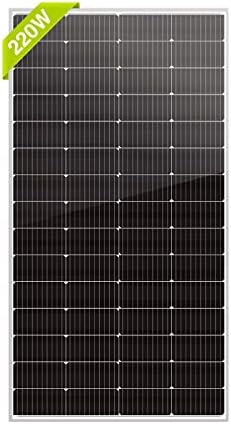
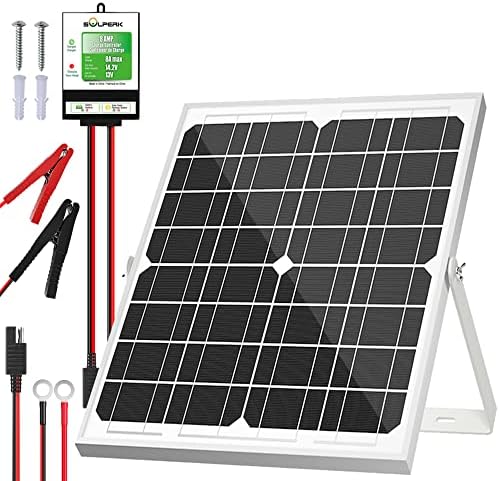
At the heart of this solar revolution is the photovoltaic (PV) cell, the technology that directly transforms sunlight into energy. When sunlight hits the solar cells, it excites electrons, creating a flow of electricity. Here’s a simplified breakdown:
1. **Photovoltaic Cells**: Made primarily from silicon, they convert sunlight into direct current (DC) electricity.
2. **Inverter**: The DC electricity then flows into an inverter, which converts it to alternating current (AC)—the type of electricity we use in our homes.
3. **Electricity Distribution**: The AC electricity powers your home. Any surplus energy can be fed back into the grid or stored in batteries for later use.
Voila! You’ve harnessed the sun’s power right into your living room.
### Advantages of Solar Energy
#### Sustainable and Renewable
The most notable advantage of solar energy is that it’s renewable. The sun will continue to shine for billions of years, providing us with a nearly inexhaustible supply of energy. Unlike fossil fuels, which emit harmful pollutants and contribute to global warming, solar energy is clean and has a much lower environmental impact.
#### Reduced Utility Bills
Anyone who’s watched their energy bill skyrocket will appreciate the financial relief that solar energy can provide. Once your panels are installed, your electricity bill can drop significantly. In some cases, homeowners even eliminate their bills completely. With solar incentives and tax credits, the initial investment pays off quickly, making solar energy a financially savvy choice.
#### Energy Independence
Harnessing solar energy means gaining a level of independence from utility companies. Depending on your local regulations and setup, you can generate and store your own electricity, putting you in control of your energy destiny. This independence provides not only financial benefits but peace of mind as well.
### Environmental Impact
The environmental advantages of solar energy are profound. By shifting to solar power, we can dramatically reduce our dependence on fossil fuels, thereby decreasing pollution and greenhouse gas emissions. Every solar panel can offset a significant amount of CO2 that would have been released into the atmosphere. As a collective, if we choose solar, we are making a bold statement that we care about our planet and future generations.
### Challenges Ahead: What to Consider
While the benefits of solar energy are substantial, the transition is not without its challenges. Here are a few key considerations:
#### Initial Investment
Despite falling prices, the upfront cost can still be substantial. However, financing options, including solar loans and leases, can help alleviate this hurdle. Some states even offer rebates to further reduce the cost.
#### Weather Dependency
Solar panels are most efficient in sunny climates. During rainy, cloudy, or snowy days, energy production can dip. However, most systems will still generate some energy under cloudy conditions, and advancements in battery technology are helping to store energy for less sunny days.
### Pro Tips for Solar Enthusiasts
1. **Do Your Research**: Understand your local solar regulations, incentives, and rebates. Not all areas have the same benefits, so knowledge is power!
2. **Consider Energy Efficiency First**: Before installing solar panels, ensure that your home is energy-efficient. Upgrading insulation and using energy-efficient appliances can maximize your savings.
3. **Choose Quality Panels**: Not all solar panels are created equal. Look for reputable brands with good warranties and efficiency ratings.
4. **Explore Battery Storage**: Consider adding a battery storage solution to your system for better energy management, particularly if you live in an area with frequent outages or want to maximize your energy independence.
5. **Monitor Your System**: Keep an eye on your system’s performance. Many solar setups come with apps or monitoring technology that can help you track energy generation in real time.
### The Community and Economic Impact
Solar energy isn’t just about saving on utility bills; it’s also fostering new job markets and boosting local economies. The growing demand for solar technology leads to job creation in manufacturing, installation, and maintenance. By promoting renewable technologies, communities can stimulate local economies and make strides toward a sustainable future.
### Innovations on the Horizon
The solar movement shows no signs of slowing down. Innovations such as solar shingles, transparent solar panels, and even solar-powered clothing are on the rise, expanding the boundaries of what solar energy can entail. Moreover, integrated systems that combine solar with smart home technology are making renewable energy more accessible and efficient.
### Conclusion: A Brighter Tomorrow
Harnessing solar energy is more than just adopting new technology; it’s a lifestyle change that embodies sustainability, independence, and innovation. With many advantages ranging from reduced utility bills to a smaller carbon footprint, the future of solar power looks incredibly bright. As more individuals, communities, and businesses embrace the power of the sun, we take one step closer to a cleaner, greener planet.
By making the choice to harness solar energy, we not only improve our own lives but also contribute to a shared commitment to restore and protect our environment. It’s time to step into the light; let the solar revolution guide you to a sustainable future! 🌞