# Embrace Energetic Freedom: Your Guide to Off-Grid Solar Systems
Picture this: a sun-soaked morning in a secluded forest cabin, the gentle whisper of nature surrounding you. You smell the rich aroma of freshly brewed coffee as you step outside, greeted by the warmth of the sun. You look up to see your trusty solar panels gleaming under the blue sky, a symbol of your energy independence. Living off the grid and relying on a solar system has illuminated my life in more ways than one. It’s about more than just power; it’s about freedom, sustainability, and a deeper connection with the environment.
### What is an Off-Grid Solar System?
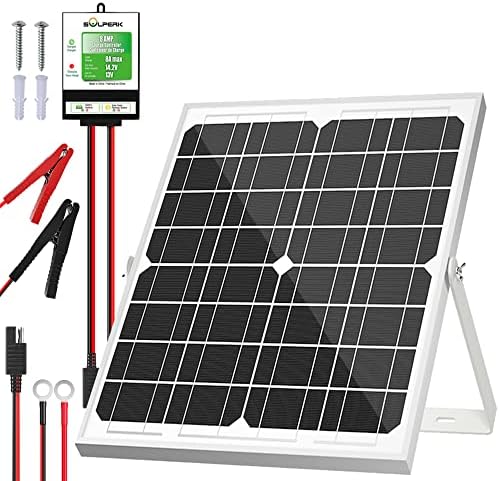
An off-grid solar system allows you to generate and utilize your own electricity without being tied to a utility grid. This not only fosters a sense of independence but also significantly reduces your carbon footprint. An off-grid solar system commonly includes solar panels, a charge controller, batteries for energy storage, and an inverter to convert the power into usable electricity.
### Why Go Off-Grid?
There are numerous advantages to transitioning to an off-grid lifestyle. Here are a few key benefits:
– **Energy Independence**: You have complete control over your energy production, making you less vulnerable to energy market fluctuations.
– **Environmental Benefits**: Solar energy is renewable and clean, helping to mitigate climate change and preserve natural resources.
– **Cost Savings**: While there is an initial investment, the long-term savings on electricity bills can be substantial.
– **Self-Sufficiency**: You become less reliant on traditional energy sources, fostering a sense of autonomy.
### Key Components of an Off-Grid Solar System
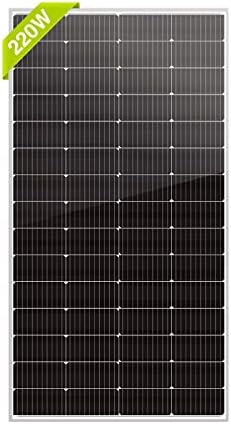
1. **Solar Panels**: The heart of your system, these panels convert sunlight into electricity. Look for high-efficiency panels to maximize energy production.
2. **Charge Controller**: This device regulates the voltage and current coming from the solar panels to the batteries, ensuring they are charged properly and efficiently.
3. **Battery Bank**: An off-grid system requires a reliable battery bank to store energy for use when the sun isn’t shining. Options include lead-acid and lithium-ion batteries, each with its pros and cons.
4. **Inverter**: This converts the stored DC (direct current) power into AC (alternating current), which is used by most household appliances.
5. **Mounting and Wiring**: Invest in sturdy mounts and high-quality wiring to ensure everything is securely in place and functioning efficiently.
### Designing Your Off-Grid Solar System
#### Assess Your Energy Needs
Before you dive into installation, assess your energy consumption. Create a list of appliances and devices you wish to power and their respective wattage. This will give you an idea of how much energy you will need and guide your decision on the size of your solar panels and battery storage.
#### Choosing the Right Solar Panels
When selecting solar panels, consider the available space, efficiency ratings, and your budget. Monocrystalline panels tend to be the most efficient but can be pricier, while polycrystalline panels are a more economical option but may take up more space.
#### Battery Selection
Factors to consider when choosing batteries include capacity (measured in amp-hours), discharge rate, and lifespan. Lithium-ion batteries have become increasingly popular for off-grid living due to their longevity and efficiency, whereas traditional lead-acid batteries are cheaper but require more maintenance.
### Installation vs. DIY
You have two primary choices when it comes to installation: hiring a professional or taking the DIY route. If you’re handy and willing to learn, a DIY installation can save you money. However, it’s essential to follow local regulations and guidelines, as improper installation can lead to safety hazards.
### Pro Tips for Off-Grid Solar Success
1. **Location Matters**: Place your solar panels in a spot that receives maximum sunlight throughout the day. Avoid areas with heavy shading from trees or buildings.
2. **Regular Maintenance**: Clean your solar panels regularly to keep them functioning at peak efficiency. Dust, leaves, and debris can significantly reduce energy production.
3. **Energy Efficiency**: Invest in energy-efficient appliances to maximize your energy savings. The less energy you consume, the smaller your system can be.
4. **Backup Solutions**: Consider having a backup generator in case of extended cloudy days or emergency situations. This adds an extra layer of security to your energy independence.
5. **Community Resources**: Connect with local off-grid communities or online forums for support, ideas, and troubleshooting advice. There’s a wealth of knowledge out there from people who’ve walked the same path.
### Maintaining Your Off-Grid Solar System
Maintenance is crucial for ensuring your solar system thrives over the long haul. Here are a few tips for upkeep:
– **Inspect Regularly**: Check connections, wiring, and the overall condition of your system at least twice a year.
– **Monitor Performance**: Use solar monitoring software or apps to track the performance of your system in real-time, allowing you to catch issues early.
– **Battery Care**: If using lead-acid batteries, ensure they are topped up with distilled water regularly and check for corrosion on terminals.
### Real-Life Stories of Off-Grid Success
Many people have transformed their lives by switching to off-grid solar systems. Take, for instance, the Smith family in Montana. They left their hectic urban life behind and moved to an isolated property, where they installed a robust solar system. Since their transition, they have not only become energy independent but also fostered a deeper connection with their land. They now enjoy hobbies like canning, gardening, and spending time together as a family, fully immersed in nature.
Or consider Jake, a college student who made the leap to off-grid living to escape student loan debt. By setting up a modest solar system in a tiny home, he not only eliminated his energy bills but also reduced his environmental impact. He learned valuable skills in the process, pulling the community together for workshops on sustainability.
### Preparing for the Future
The future is bright for off-grid living. With relentless advancements in solar technology, battery efficiencies are set to improve even further. The growing emphasis on sustainability and renewable energy suggests that the off-grid lifestyle will only gain popularity.
### Conclusion
Embracing off-grid solar systems isn’t just a lifestyle choice; it’s a commitment to sustainability, independence, and simplicity. The vibrant community around off-grid living offers support and inspiration, guiding you on a journey to energy freedom. As you dive into the exciting world of off-grid solar systems, remember that every watt generated is a step towards a greener planet and a more fulfilling life. Whether you’re starting small or scaling up, take the plunge—your adventure awaits!
### Pro Tips Recap
– **Location Matters**: Optimize sunlight exposure for your panels.
– **Regular Maintenance**: Clean and inspect your system consistently.
– **Energy Efficiency**: Invest in efficient appliances.
– **Backup Solutions**: Always have an emergency power source.
– **Community Resources**: Seek out advice and support from like-minded individuals.
The sun is shining. Are you ready to harness its power?