
### Cost vs. Benefit: Evaluating the Financial Sense of Solar Panels for Your Home
When I first considered solar panels for my off-grid home, I stood at the crossroads of excitement and skepticism. The idea of harnessing the sun’s power while slashing my energy bills tempted me like the aroma of a freshly baked loaf of bread. I envisioned free energy, lowered carbon emissions, and the punny pleasure of being “battery-powered” by Mother Nature. But there were daunting factors looming in the back of my mind: installation costs, maintenance, and how long it would truly take for the investment to pay off. I decided to dive deep into the world of solar energy, weighing the costs against the benefits to determine if going solar was financially sensible.
In this article, we’ll explore the intricate dynamics of solar panel investments. From installation costs and financing options to potential savings and environmental impacts, we will evaluate the financial aspects of solar energy and discuss pro tips to make the most of your solar journey.
### Understanding the Upfront Costs
First, let’s tackle the elephant in the room—the upfront costs. Installing solar panels can be a hefty initial investment. According to current estimates, the average cost of solar panel installation in the United States can range from $15,000 to $25,000 for a typical home. This price can fluctuate based on several factors:
1. **System Size**: Larger systems designed to meet higher energy consumption needs will naturally cost more.
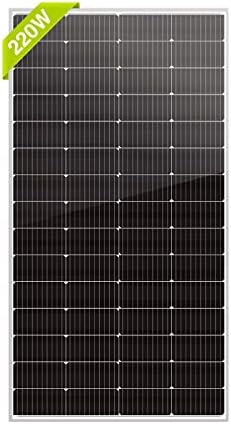
2. **Panel Type**: Monocrystalline panels are usually the most efficient but also the priciest, while polycrystalline panels are more budget-friendly at the cost of slightly lower efficiency.
3. **Installation Complexity**: If your roof is difficult to access or if there are unique structural challenges, installation costs can rise.
### Financing Options
Despite the apparent initial sticker shock, there are various financing options available that can ease the financial burden:
– **Tax Credits**: The federal solar investment tax credit (ITC) allows homeowners to deduct a significant percentage (currently 26% until the end of 2022; gradually decreasing thereafter) of the installation costs from their federal taxes. Many states also offer additional incentives and rebates, which could further reduce costs.
– **Solar Loans**: Numerous financial institutions and solar companies offer loans specifically for solar panel installation. These loans often come with competitive interest rates and flexible repayment plans. Solar loans allow homeowners to finance the upfront costs while still reaping the long-term savings.
– **Leases and Power Purchase Agreements (PPAs)**: Under this model, a solar company installs and maintains the solar panels on your property. You either lease the system for a fixed monthly payment or enter a PPA, where you pay for the energy produced at a predetermined rate. While this minimizes upfront costs, potential savings may be lower than owning your system outright.
### Long-Term Savings
Now that we’ve covered the costs, let’s dive into potential long-term savings. Solar panels can significantly reduce—if not eliminate—your electricity bills, leading to substantial cost savings over time.
1. **Electricity Bill Reduction**: The most obvious benefit of solar energy is the reduction in monthly electricity bills. Depending on your system size and energy usage, many homeowners report saving between 40% and 80% on their energy costs.
2. **Increase in Home Value**: Research indicates that homes equipped with solar energy systems tend to sell for more than their non-solar counterparts. A study by the National Renewable Energy Laboratory revealed that home values could increase by approximately $15,000 on average, thanks to solar installations.
3. **Avoiding Peak Energy Prices**: By generating your electricity, you can avoid the rising costs associated with peak energy prices. This becomes particularly attractive during summer months when demand—and prices—skyrocket.
### The Environmental Impact
Aside from the financial aspects, the environmental benefits of installing solar panels cannot be overlooked. Transitioning to solar energy reduces reliance on fossil fuels, ultimately lowering carbon footprints and combating climate change. According to the U.S. Department of Energy, going solar can save 100,000 pounds of carbon dioxide emissions over a 30-year period—the equivalent of planting over 4,000 trees!
### Potential Drawbacks to Consider
While solar energy can be an incredible investment, it’s vital to inform yourself about potential drawbacks:
1. **Intermittent Energy Supply**: Solar power generation is dependent on sunlight, which means your energy supply may vary based on weather conditions and geographic location. However, investing in battery storage systems, such as the Tesla Powerwall, can better store energy for use during cloudy days or nighttime.
2. **Space Requirements**: Adequate roof space or land is essential for solar panel installation. If space is limited, you may need to explore alternative options, such as ground-mounted solar arrays.
3. **Maintenance**: Solar panels are incredibly durable but might require occasional cleaning and maintenance for optimal performance. Plan for minor expenses that can come with upkeep, though most new systems come with warranties covering repairs.
### Understanding Return on Investment (ROI)
To make a smart financial decision about solar panels, consider calculating your return on investment (ROI). To do this, take the net annual savings generated from your solar panels and divide that by the total system costs. This will give you a percentage that represents your ROI.
For example, if you invest $20,000 in solar panels and save $1,500 in energy costs annually, your ROI would be 7.5% (1,500/20,000). While comparing ROI values, you may also want to independently evaluate the payback period—the time it takes for the initial investment to be recovered through savings. A good rule of thumb is that payback periods of less than 7-10 years are considered favorable.
### Pro Tips for Solar Panel Savvy
To maximize your solar investment, consider these pro tips:
1. **Get Multiple Quotes**: Contact various solar installers for quotes before making your decision. This will not only provide you with multiple financing options but also enable you to compare quality and service.
2. **Assess Your Energy Usage**: Before installation, take a close look at your monthly energy bills. Understanding patterns in your energy consumption can help you determine the right system size for your needs.
3. **Keep Up with Incentives**: Stay informed about local and federal tax credits or incentives that may be available, as these can significantly reduce your upfront costs.
4. **Think Long-Term**: When evaluating solar panel brands and systems, consider their lifespan (usually 25-30 years). A trusted brand may save you headaches down the line.
5. **Consider Battery Storage**: If you want to ensure energy independence even in cloudy weather or at night, invest in battery storage. This allows you to store excess energy for later use and adds another layer of savings.
### Conclusion
In evaluating the cost versus benefits of solar panels for your home, it’s crucial to conduct thorough research. While there’s an initial investment required, the long-term savings and environmental impact can make solar an incredibly wise choice. By assessing your financial options, understanding the savings potential, and staying informed, you can decide if harnessing the sun’s power makes financial sense for your home.
So, whether you’re envisioning a future full of clean energy or simply want to lower your electric bills, solar panels could be an investment that pays for itself many times over—with bonuses that extend beyond mere dollars and cents.