# From Seed to Harvest: Cultivating a Sustainable Garden with Low-Impact Plants
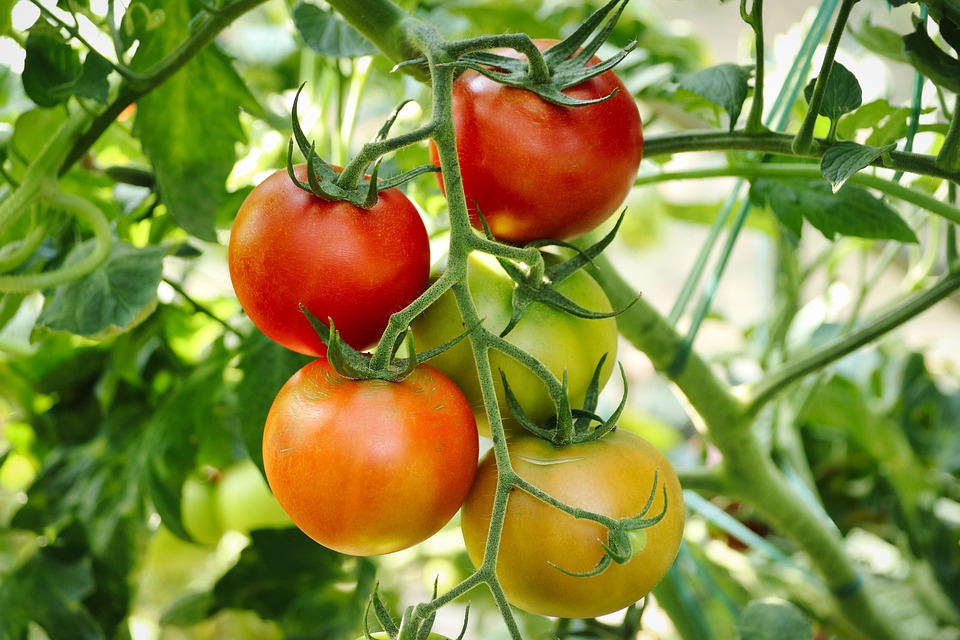
Have you ever watched a seed sprout and transform into a flourishing plant? There’s a magical moment in gardening—a heartbeat of nature—that captures the essence of growth and sustainability. I remember the first time I planted a simple tomato seed in my backyard. I watched it over the weeks, watering and nurturing it as it pushed through the soil, stretching toward the sun. That tomato plant didn’t just provide fresh fruit; it became a symbol of hope, resilience, and our interconnectedness with nature. Today, I want to share how you can curate your own low-impact garden, promoting sustainability from seed to harvest.
### Understanding Sustainable Gardening
Sustainable gardening is not just a trendy phrase; it represents a commitment to ecological balance, biodiversity, and responsible resource use. By cultivating plants that require minimal inputs while providing maximum outputs, you can create a garden that benefits both you and the environment.
### Choosing Low-Impact Plants
Selecting plants that thrive in your local environment is key to a sustainable garden. Here are some low-impact options to consider:
1. **Native Plants**: Native plants are adapted to local climate conditions and soil types, making them easier to grow with less water and no chemical fertilizers. They also support local wildlife, including bees, butterflies, and birds.
2. **Perennials**: While annuals need to be replanted every year, perennials return season after season with minimal effort. Plants like asparagus, rhubarb, and many herbs can provide years of harvests without the need for frequent replanting.
3. **Companion Plants**: Certain plants work well together, enhancing growth while minimizing pests. For instance, planting marigolds alongside vegetables can deter pests naturally.
4. **Heirloom Varieties**: These age-old plant varieties offer a rich diversity of flavors and colors. They are often more resilient than modern hybrids and can adapt better to your local climate.
### Planning Your Sustainable Garden
An effective garden plan begins with a vision. What do you want to grow? What’s your harvesting goal? Here are some steps to create a sustainable garden layout:
1. **Assess Your Site**: Analyze sunlight, soil quality, and water availability. These factors will determine what plants will thrive in your garden.
2. **Design the Layout**: Consider a design that maximizes space and sunlight. Raised beds can provide warmth and drainage, while vertical gardening can increase your garden’s productivity.
3. **Create Microclimates**: Use natural features, like rocks or hedges, to create sheltered areas. This will allow you to diversify your plantings, giving you the ability to grow a wider range of species.
4. **Implement Crop Rotation**: This technique prevents soil depletion and pest buildup. By rotating your crops yearly, you enhance soil quality and promote biodiversity.
### Soil Health: The Foundation of Life
Healthy soil is the backbone of a thriving garden. Rich, organic soil will support root development and water retention while providing essential nutrients. Here are some ways to enhance your soil health:
– **Composting**: Creating a compost pile using kitchen scraps and yard waste enriches your soil without the need for synthetic fertilizers. Compost not only improves soil structure but also supports vibrant microbial life.
– **Mulching**: Using natural mulch like straw, wood chips, or leaves helps retain moisture, suppress weeds, and gradually adds organic matter to the soil as it decomposes.
– **Soil Testing**: Before planting, consider conducting a simple soil test. This will inform you of nutrient levels and pH, allowing you to amend the soil as necessary.
### Water Conservation Techniques
Water is a precious resource, and conserving it in your garden is paramount. Here are a few ways to optimize water use:
1. **Rain Barrels**: Collecting rainwater is one of the simplest and most effective methods of conserving water. Install a rain barrel to capture runoff from rooftops, which you can then use for watering plants.
2. **Drip Irrigation**: This method delivers water directly to the plant roots, reducing evaporation and waste. Setup can be simple and provides targeted hydration to thirsty plants.
3. **Drought-Resistant Plants**: Incorporate drought-resistant varieties into your garden. These plants can survive long periods without water, minimizing your horticultural water usage.
### Pest Control: Natural Methods
Preventing and managing pests naturally is essential for maintaining a sustainable garden. Here are a few organic pest control methods:
– **Encourage Beneficial Insects**: Companions like ladybugs, predatory wasps, and lacewings feast on pests, providing free pest control. Planting flowers like dill and fennel can attract these helpful insects.
– **Neem Oil**: Derived from the seeds of the neem tree, neem oil is an effective organic pesticide. It disrupts the life cycle of pests without harming beneficial insects when used properly.
– **Homemade Remedies**: Simple solutions like a mixture of garlic, soap, and water can deter many pests. Spraying this mix on affected plants can keep invaders at bay without harmful chemicals.
### Harvesting with Care
The joy of gardening culminates in the harvest. Here are some tips to ensure you gather your bounty effectively:
1. **Know When to Harvest**: Each plant has its ideal harvest time. Familiarize yourself with the signs of ripeness to ensure you collect at peak flavor and nutrition.
2. **Use Proper Techniques**: Utilizing scissors or pruners helps prevent damage to the plant, encouraging continued growth for future harvests.
3. **Store Wisely**: After harvesting, store your produce correctly to prolong freshness. Some vegetables prefer cool, dark places, while others thrive in the refrigerator.
### Pro Tips for a Sustainable Garden
1. **Plan for Seasons**: Rotate your crops and choose varieties that flower and fruit at different times of the growing season to ensure continuous harvest.
2. **Incorporate Edibles into Landscapes**: Mix ornamental plants with herbs and veggies. This not only beautifies your space but also creates an edible landscape.
3. **Educate Yourself**: Attend local workshops or join gardening clubs. Sharing insights with fellow gardeners can enhance your knowledge and experience.
### Conclusion: A Journey Worth Taking
Cultivating a sustainable garden brimming with low-impact plants is a rewarding endeavor that nurtures not only your body but the planet. By embracing local, resilient species and adopting environmentally-friendly practices, you can create a thriving ecosystem that feeds you and supports biodiversity. From that humble seed to the glorious harvest, your garden can become a testament to resilience, creativity, and sustainability. So, dig in, follow these guidelines, and experience the exuberance of a garden that flourishes for years to come!
### SEO Optimization
This article revolves around the principles of sustainable gardening, highlighting low-impact plants, soil health, water conservation techniques, and natural pest control methods. By strategically incorporating these key terms throughout, it aims to address searchability related to cultivating a sustainable garden.
With a bit of love, dedication, and guidance, your journey from seed to harvest promises not just food on your table, but a richer connection to the world around you. Happy gardening!