### Going Off-Grid: The Essential Components of a Solar Power System
When I first decided to embrace the off-grid lifestyle, I remember standing in my backyard, heart racing with excitement and a sprinkle of trepidation. Surrounded by towering trees and a sky painted in glorious blue, I felt both free and deeply connected to nature. But soon, I realized that the true journey had just begun, and the most daunting task was to create a reliable power system. After countless hours of research, trial, and error, I discovered that a solid solar power system would be the heart of my self-sufficient life. Now, let’s delve into the essential components of a solar power system to make your off-grid dreams a reality!
—
### Understanding Solar Power
Solar power harnesses the energy of the sun using photovoltaic (PV) cells, which convert sunlight into electricity. This renewable energy source is not only eco-friendly but also allows you to reduce your dependence on traditional power grids. With solar energy, you can power everything from lights to appliances, all while enjoying the serene beauty of nature.
—
### Essential Components of a Solar Power System
Setting up an effective solar power system comprises several essential components. Let’s break each down to understand how they work together harmoniously.
#### 1. **Solar Panels**
**The Foundation of Your System**
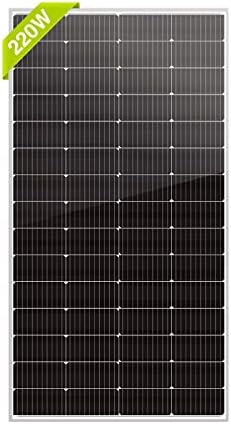
Solar panels are the primary source of energy capture. They come in various types: monocrystalline, polycrystalline, and thin-film.
– **Monocrystalline** panels are highly efficient and space-saving but can be more expensive.
– **Polycrystalline** panels are affordable and efficient but require more space.
– **Thin-film** panels are lightweight and flexible, great for unconventional installations.
**Sizing Your Solar Panels:**
This depends on your energy needs. Calculate your daily energy consumption in kilowatt-hours (kWh) and design your array accordingly. For instance, if you require 30 kWh per day and have 5 hours of sunlight, you’ll need approximately 6 kW of solar panels.
#### 2. **Inverter**
**The Heartbeat of Your System**
An inverter converts the direct current (DC) generated by solar panels into alternating current (AC), which powers most household appliances. There are three main types:
– **String Inverters:** Cost-effective and popular for small to medium setups.
– **Microinverters:** Allow for individual panel monitoring and efficiency, especially in shaded areas.
– **Hybrid Inverters:** Capable of managing both solar generation and battery storage, ideal for off-grid systems.
**Tip:** Consider the total wattage of your appliances when selecting an inverter. Ensure it can handle peak loads.
#### 3. **Battery Storage**
**Your Energy Backup**
Battery banks store excess energy generated during the day, so you can use it at night or during cloudy days. Lithium-ion batteries are becoming popular due to their longevity and efficiency, but deep-cycle lead-acid batteries remain a reliable choice.
**Sizing Your Battery Bank:**
To determine how much storage you’ll need, consider your nightly energy usage and how many days you want to go without sunlight. A common rule of thumb is to have enough battery capacity to cover at least two days of energy consumption.
#### 4. **Charge Controller**
**Your System’s Protector**
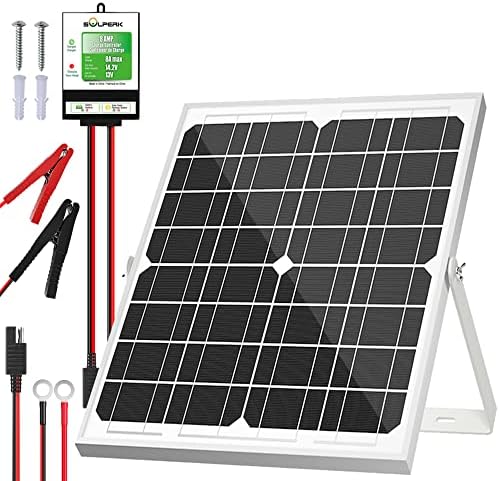
A charge controller regulates the voltage and current coming from your solar panels to your batteries. This protects the batteries from overcharging, which can lead to damage and reduced lifespan.
Two types of charge controllers exist:
– **PWM (Pulse Width Modulation):** Ideal for smaller systems, more affordable but less efficient.
– **MPPT (Maximum Power Point Tracking):** More efficient, ideal for larger systems or when panels are shaded.
**Pro Tip:** Invest in an MPPT controller if your budget allows, as it can significantly enhance system efficiency.
#### 5. **Mounting System**
**Sturdy Foundations for Your Panels**
The mounting system secures your solar panels to your roof or the ground. Fixed mounts are simple and affordable, but adjustable and tracking mounts can optimize exposure to sunlight.
**Tip:** Ensure your mount can withstand local weather conditions—wind load and snow load must be considered to make sure your system endures many seasons.
#### 6. **Wiring and Electrical Components**
**The Connective Tissue**
Proper wiring is critical for safety and efficiency. Use appropriately sized cables to minimize voltage drop. Additionally, fuses and circuit breakers can help protect your system from overload and ensure all components work effectively.
—
### Building Your Solar Power System: Steps to Success
Building a solar power system can seem intimidating, but breaking it down into manageable steps can make the process smoother.
1. **Assess Your Energy Needs:** Identify how much energy you use daily and for what purposes.
2. **Design the System:** Plan your layout considering available space and sunlight exposure.
3. **Gather Components:** Purchase solar panels, inverters, batteries, charge controllers, mounting hardware, and necessary wiring.
4. **Installation:** Either DIY (if you’re experienced) or hire professionals for a safer, more efficient setup.
5. **Testing and Monitoring:** Once installed, test your system and track energy production and consumption to ensure everything works correctly.
—
### Optimizing Your System with Energy Efficiency
While having a solar power system is vital, energy efficiency within your off-grid home can maximize your investment.
– **Energy-Efficient Appliances:** Invest in Energy Star-rated appliances to reduce consumption.
– **LED Lighting:** Switch to LED bulbs that use a fraction of the energy of traditional incandescent bulbs.
– **Smart Power Management:** Use timers and smart plugs to control devices and minimize vampire power drain.
—
### Pro Tips for Off-Grid Solar Living
1. **Start Small, Scale Later:** If you’re new to solar, consider starting with a smaller system and expanding as your needs grow.
2. **Regular Maintenance:** Keep your panels clean and check connections periodically to maximize efficiency.
3. **Stay Informed**: Solar technology evolves rapidly. Keep learning about new products and techniques to improve your system.
4. **Create a Backup Plan:** Always have a contingency plan in case of unforeseen issues—whether it’s a backup generator or additional battery storage.
—
### Closing Thoughts
Going off-grid is not just about self-sufficiency; it’s about embracing a lifestyle that prioritizes connection with nature, sustainability, and mindfulness. As you embark on your solar adventure, remember that every component of your solar power system plays a crucial role in your off-grid success. With careful planning, the right equipment, and a sprinkle of enthusiasm, you’ll not only power your home but also enhance your quality of life.
Whether it’s basking in the sun with a favorite book or gathering around a warm meal cooked with energy from your solar system, the possibilities are endless. So, take the leap, harness the power of the sun, and let your off-grid journey begin!