
# Harnessing the Sun: A Comparative Guide to Solar Panel Types
There’s something magical about waking up in a tiny cabin nestled in the woods, the sun lazily creeping over the horizon. Each morning, the light pours in through the windows, announcing the beginning of another day. But what truly powers my morning coffee routine is not just the sun’s rays; it’s the solar panels perched on my roof, silently converting sunlight into energy. Every day is an adventure in the great outdoors, yet solar energy provides the comforts of home, whether it’s keeping the lights on or the coffee pot hot. If you’ve ever wondered how to harness this incredible power of the sun, you’re in for a treat! This article will dive into the different types of solar panels, their advantages, and what to consider when choosing one for your off-grid lifestyle.
## Understanding Solar Panels
Before we jump into the nitty-gritty, let’s clarify what solar panels are. Simply put, solar panels are devices that convert sunlight into electricity. They are made up of many solar cells, typically constructed from silicon. When sunlight hits the cells, it excites the electrons, generating direct current (DC) electricity. This electricity can then be used to power homes, charge batteries, or even be fed back into the grid.
## Types of Solar Panels
When it comes to solar panels, not all are created equal. Let’s break down the three primary types: Monocrystalline, Polycrystalline, and Thin-Film.
### 1. Monocrystalline Solar Panels
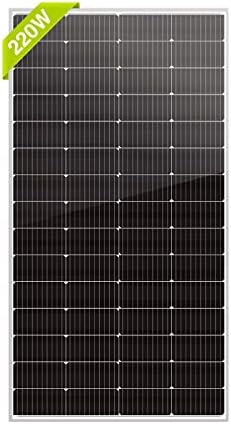
**Overview**: Monocrystalline panels are often recognized for their sleek, black appearance and high efficiency. Made from single-crystal silicon, these panels are designed to capture maximum sunlight.
**Efficiency**: Typically ranging from 15% to 22%, they are the most efficient of the three types, making them a great choice for those with limited roof space.
**Pros**:
– **Space-Efficient**: Higher energy output per square foot.
– **Long Lifespan**: Generally last longer, often with warranties extending to 25 years or more.
– **Aesthetics**: Sleek, modern appearance.
**Cons**:
– **Cost**: Typically more expensive upfront compared to other types.
– **Performance**: Efficiency can decrease at higher temperatures.
**Best For**: Homeowners with limited space who want to maximize their energy output and are willing to invest upfront.
### 2. Polycrystalline Solar Panels
**Overview**: Polycrystalline panels are made from multiple silicon crystals fused together, creating a bluish hue. They are generally less efficient than their monocrystalline counterparts.
**Efficiency**: Efficiency ranges between 13% and 16%, making them slightly less space-efficient.
**Pros**:
– **Lower Cost**: Usually more affordable, making them a good choice for budget-conscious buyers.
– **Less Energy Waste**: Slightly better performance under high temperatures.
**Cons**:
– **Space Requirements**: Requires more room to produce the same power as monocrystalline.
– **Lifespan**: Typically have shorter warranties (around 20 years).
**Best For**: People looking for a cost-effective solution for larger installations where space isn’t a constraint.
### 3. Thin-Film Solar Panels
**Overview**: Thin-film panels are made by layering photovoltaic materials on a substrate, making them lightweight and flexible.
**Efficiency**: Generally falls between 10% and 12%, but new technologies are pushing these numbers higher.
**Pros**:
– **Versatility**: Can be applied to a variety of surfaces, including curved and flexible ones.
– **Lightweight**: Easier to install on roofs without heavy load concerns.
– **Performance**: Often performs better in low-light conditions.
**Cons**:
– **Space Inefficiency**: Larger installations are required to meet the same electrical output.
– **Shorter Lifespan**: Typically have a lifespan of around 10-15 years.
**Best For**: Those who need lightweight panels for unconventional surfaces or lower energy needs.
## Making the Right Choice
Deciding on the right type of solar panel depends on various factors, including budget, space, aesthetic preferences, and energy needs. Here are a few tips to help you navigate your options:
### Pro Tips for Choosing Solar Panels
1. **Assess Your Energy Needs**: Before you make a decision, calculate your average daily energy use. This will help determine the number and type of panels you require.
2. **Consider Rooftop Space**: Measure your available roof space and orientation. South-facing roofs generally receive the most sunlight.
3. **Understand the Climate**: If you live in an area with high temperatures, monocrystalline panels may perform poorly. Polycrystalline could be a better choice.
4. **Research Incentives and Rebates**: Many states offer incentives for solar installation. Take advantage of these to lower your upfront costs.
5. **Consult Experts**: Don’t hesitate to reach out to solar consultants. They can provide tailored recommendations and help with installation options.
6. **Look for Quality Assurance**: Investigate warranties and the manufacturer’s reputation. Companies with longer warranties are usually more reliable.
7. **Explore Battery Storage Options**: If you’re going off-grid, consider incorporating battery storage systems to store excess energy for a rainy day.
## The Environmental Impact
Installing solar panels is not just beneficial for our wallets; it’s a win for the planet too. By harnessing the power of the sun, you’re reducing your carbon footprint and dependency on fossil fuels. Plus, solar energy is clean and renewable—something our collective future relies on.
## Conclusion
Harnessing the sun through solar panels is an invigorating way to blend modern convenience with sustainable living. Whether you opt for the high-efficiency monocrystalline, the budget-friendly polycrystalline, or the versatile thin-film panels, there’s an option out there that fits your lifestyle perfectly.
As you explore this journey, remember that installation and monitoring are just as crucial as the panels themselves. Regular maintenance can keep your system running at peak performance, ensuring you enjoy uninterrupted access to solar energy.
## Final Thoughts
With such a wide variety of solar options available today, finding the perfect panel that aligns with your needs, values, and lifestyle has never been easier. As you embark on this solar journey, may you bask in the glow of sustainability, knowing you’re making a difference—one sunbeam at a time!
Now that you’re armed with knowledge about solar panel types, it’s time to take a step toward energy independence. Let the sun’s rays light the way to a greener, more sustainable future!