
### Understanding Solar Panel Technology: What Every Homeowner Should Know
Picture this: a crisp morning in mid-June, with sunlight streaming through the trees, glistening off the dew-kissed grass. The lack of reliance on traditional utilities has never felt more liberating. Imagine waking up in your home, knowing that your energy needs are powered completely by the sun, free from fluctuating electricity rates and those pesky utility bills. That’s the reality for many homeowners investing in solar panel technology. If you’ve ever contemplated making the switch to solar, understanding this technology can set you on the path to sustainable living, enhanced energy independence, and a lighter ecological footprint.
### What Are Solar Panels?
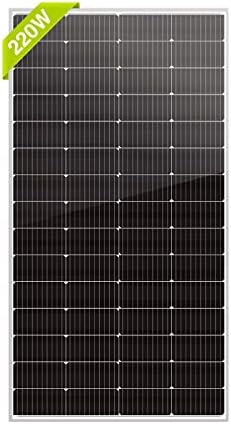
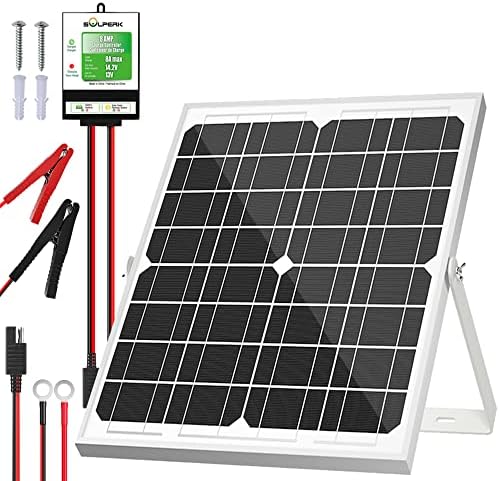
Solar panels, in simple terms, are devices that convert sunlight into electricity. They consist primarily of photovoltaic (PV) cells made from semiconductor materials. When sunlight hits these cells, it excites electrons, creating a flow of electricity. This process not only harnesses the sun’s abundant energy but does so in a clean and renewable way, reducing reliance on fossil fuels.
### Types of Solar Panels
Before diving deeper, let’s explore the different types of solar panels available:
1. **Monocrystalline Solar Panels**:
– **What They Are**: Made from a single crystal structure.
– **Pros**: High efficiency and performance, particularly in low light.
– **Cons**: Usually more expensive upfront due to the manufacturing process.
2. **Polycrystalline Solar Panels**:
– **What They Are**: Composed of multiple crystals cast together.
– **Pros**: Generally more affordable than monocrystalline options.
– **Cons**: Slightly less efficient, especially in high temperatures.
3. **Thin-Film Solar Panels**:
– **What They Are**: Made by placing a thin layer of photovoltaic material on a substrate.
– **Pros**: Lightweight and flexible, can be integrated into various surfaces.
– **Cons**: Lower efficiency and require more space for installation.
4. **Bifacial Solar Panels**:
– **What They Are**: Capture sunlight on both sides for increased energy generation.
– **Pros**: Enhanced efficiency in certain environments; utilized for both rooftops and ground installations.
– **Cons**: Higher cost and require specific mounting setups.
### How Solar Panels Work
Let’s break it down into simple steps:
1. **Sunlight Absorption**: The PV cells in the solar panels absorb sunlight.
2. **Electricity Generation**: The absorbed light generates direct current (DC) electricity.
3. **Inverter Conversion**: An inverter converts the DC to alternating current (AC) electricity, which is the form usable by households.
4. **Energy Storage**: If equipped with a battery system, excess energy can be stored for use during cloudy days or at night.
5. **Utilization**: The electricity powers your home appliances, reduces your utility bills, and can feed excess energy back into the grid.
### Benefits of Solar Energy
1. **Cost Efficiency**: Although there’s an initial investment, solar panels can drastically reduce—or even eliminate—your electricity bills. Incentives and tax credits can help lower costs as well.
2. **Sustainability**: Solar energy is renewable, meaning it won’t run out as long as the sun shines. Plus, using solar reduces greenhouse gas emissions and environmental harm.
3. **Energy Independence**: By generating your own power, you’re less affected by utility rate hikes and outages.
4. **Increase in Property Value**: Homes equipped with solar systems can have higher resale values, making them appealing to environmentally-conscious buyers.
### The Cost of Going Solar
When it comes to installation, the average cost for residential solar systems ranges between $15,000 to $30,000, depending on factors such as the size of your home, energy needs, and location. However, numerous incentives—like federal tax credits and state rebates—can considerably lower these upfront costs.
1. **Federal Tax Credit**: Homeowners can deduct 26% of the cost of a solar installation from their federal taxes.
2. **State & Local Incentives**: Many states offer additional rebates or tax credits, making solar even more affordable.
### Selecting a Solar Provider
Choosing the right solar provider can significantly affect your solar experience. Here are some tips:
– **Research**: Check online reviews, ask for references, and review their portfolio.
– **Certifications**: Ensure they are certified by the North American Board of Certified Energy Practitioners (NABCEP) or have equivalent credentials.
– **Warranties and Maintenance**: Look for providers that offer extensive warranties on both equipment and installation to protect your investment.
### Installation Process
Once you’ve selected a provider, the installation process usually follows these steps:
1. **Consultation**: A representative will assess your energy needs and property to design a tailored solar system.
2. **Permitting**: The provider will handle local permits and approvals.
3. **Installation**: Technicians install the panels, inverter, and wiring, often taking one to three days.
4. **Inspection**: After installation, a local inspector will ensure everything meets safety standards.
5. **Activation**: Once cleared, you can start enjoying your solar-powered life!
### Pro Tips for Homeowners
– **Evaluate Your Roof**: Ensure your roof has enough space and is adequately oriented to maximize sunlight exposure. Don’t forget to consider shade from trees or buildings.
– **Consider Battery Storage**: For optimal energy independence, consider investing in a battery storage system to capture excess energy produced during the day.
– **Monitor Your System**: Many systems come with apps or interfaces to monitor energy generation and consumption. Utilize this data to maximize efficiency and manage usage better.
– **Stay Informed**: Solar technology is rapidly evolving. Keep abreast of new developments which can enhance your energy system’s performance.
### The Future of Solar Technology
The future of solar technology is bright! Innovations are continuously improving efficiency, reducing costs, and broadening the scope of applications. Advancements in energy storage options and smarter grid technologies are enhancing the reliability of solar power. Imagine a world where your vehicle directly charges with renewable energy generated by your home’s solar system—this could soon be reality.
### Conclusion
Understanding solar panel technology is key to making an informed decision about whether it’s right for you. With numerous benefits—from cost savings to environmental impact—solar energy continues to dominate as a leading choice for sustainable living. As homeowners take the plunge into this renewable energy source, the sun will truly be shining brighter for both your wallet and the planet!
By embracing solar power, you’re not just investing in your home but also playing a part in the larger movement toward sustainable living. It’s time to let the sun work for you!