
# Navigating the Solar Landscape: A Breakdown of Monocrystalline, Polycrystalline, and Thin-Film Panels
When I first began my journey into solar energy, I vividly remember the afternoon sun pouring through the trees as I surveyed my tiny patch of land. Eager to harness the sun’s power, I stumbled into an electrifying world of solar panels, each promising a different slice of energy efficiency and sustainability. Armed with a desire to power my home with renewable energy, I was faced with a delightful yet dizzying variety of options: monocrystalline, polycrystalline, and thin-film solar panels. These panels still paint my landscape today, transforming sunshine into tangible savings and freeing me from the clutches of traditional energy grids. Let’s break down these different types of solar panels, uncovering their strengths and weaknesses, so you too can navigate the solar landscape!
## The Solar Panel Basics: What You Need to Know
Before diving deep into the specifics of each type of solar panel, let’s get familiar with some basic terminology. Solar panels convert sunlight into electricity through photovoltaic (PV) cells. These cells are the cornerstone of any solar energy system, functioning as tiny power generators. When sunlight hits the PV cells, it excites electrons and creates a flow of electricity. The efficiency and cost-effectiveness of a solar system significantly depend on the type and quality of the solar panels you choose.
## Monocrystalline Solar Panels: The Gold Standard
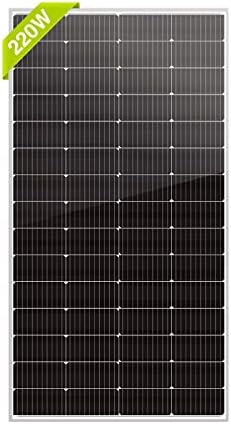
Monocrystalline solar panels are often considered the crème de la crème of solar technology. They are made from a single crystal structure of silicon, which is why they are also referred to as “single-crystal” panels. The beauty of these panels lies in their efficiency and performance.
### Pros of Monocrystalline Panels:
1. **High Efficiency**: Monocrystalline panels boast the highest efficiency rates—typically between 15% and 22%. This means they can convert a larger percentage of sunlight into electricity compared to other panel types.
2. **Space-Saving**: Thanks to their high efficiency, you need fewer panels to achieve your energy goals, making them ideal for smaller roofs or spaces where roof real estate is at a premium.
3. **Longevity**: Most monocrystalline panels come with warranties ranging from 25 to 30 years, thanks to their durability and resistance to performance degradation.
4. **Aesthetically Pleasing**: With their uniform black color and sleek design, monocrystalline panels can enhance your home’s visual appeal.
### Cons of Monocrystalline Panels:
1. **Higher Initial Cost**: The manufacturing process for monocrystalline panels is more complex and costly, leading to a higher upfront investment.
2. **Temperature Sensitivity**: While they perform well in sunny conditions, efficiency can drop in higher temperatures compared to other types.
## Polycrystalline Solar Panels: The Cost-Effective Choice
Polycrystalline solar panels are the next big player in the solar arena. Made from multiple silicon crystals melted together, these panels have gained popularity for their more affordable price point.
### Pros of Polycrystalline Panels:
1. **Lower Cost**: Polycrystalline panels are generally more affordable due to a simpler manufacturing process, making them a great option for budget-conscious consumers.
2. **Lower Waste**: The manufacturing process for polycrystalline panels is more straightforward and generates less silicon waste compared to monocrystalline panels.
3. **Decent Efficiency**: While they can’t quite match the efficiency of monocrystalline panels, polycrystalline panels typically have efficiency rates ranging from 13% to 17%, which remains quite functional for many circumstances.
### Cons of Polycrystalline Panels:
1. **Larger Space Requirements**: Due to their slightly lower efficiency, you’ll need more panels to achieve the same energy output, which can be a drawback for limited roof space.
2. **Temperature Sensitivity**: Like their monocrystalline counterparts, polycrystalline panels can face efficiency drops in extreme heat.
## Thin-Film Solar Panels: Flexible and Lightweight
Thin-film solar panels represent the innovative edge of solar technology, featuring a much thinner and lighter profile compared to crystalline panels. These panels are made by depositing photovoltaic materials onto a substrate, such as glass, plastic, or metal.
### Pros of Thin-Film Panels:
1. **Lightweight and Flexible**: The flexibility of thin-film panels allows for mounting on various surfaces, including curved and irregular structures. This opens possibilities for creative installations!
2. **Performance in Low Light**: Thin-film panels perform relatively well in low-light and high-temperature conditions, making them adaptable for different climates.
3. **Lower Material Costs**: With cheaper materials and simpler manufacturing processes, thin-film panels often come at a lower price than crystalline options.
### Cons of Thin-Film Panels:
1. **Lower Efficiency**: Efficiency rates for thin-film panels usually range from 10% to 12%, requiring more panels to generate the same output as monocrystalline and polycrystalline options.
2. **Shorter Lifespan**: The lifespan of thin-film panels is typically shorter, often around 10 to 20 years, which may require replacement sooner compared to other types.
3. **Space Requirements**: Due to their lower efficiency, you’ll need more roof space to achieve your desired energy output, which can be an issue in tighter spots.
## Side-by-Side Comparison: Making the Right Choice
Here’s a quick reference table comparing the three types of solar panels in efficiency, cost, longevity, and other factors.
| Feature | Monocrystalline | Polycrystalline | Thin-Film |
|—————————|————————-|————————-|————————–|
| **Efficiency** | 15-22% | 13-17% | 10-12% |
| **Cost** | High | Moderate | Low |
| **Lifespan** | 25-30 years | 20-25 years | 10-20 years |
| **Space Requirement** | Low | Moderate | High |
| **Performance in Heat** | Moderate | Moderate | Good |
| **Aesthetics** | Sleek and uniform | Bluish hue, less sleek | Non-uniform, flexible |
## Pro Tips for Solar Panel Selection
This solar landscape can be overwhelming, but keeping a few key considerations in mind can help streamline your decision-making process.
1. **Assess Your Roof Space**: If you have limited roof space, monocrystalline panels might be your best option due to their high efficiency.
2. **Consider Your Local Climate**: In sunnier, hotter regions, monocrystalline panels excel, while thin-film panels can shine in areas with frequent overcast days.
3. **Budget Wisely**: Determine your budget before deciding. If you’re on a tighter budget, polycrystalline panels provide a robust solution without sacrificing much efficiency.
4. **Check Local Incentives**: Many states and municipalities offer tax credits and rebates for solar installations. Research local incentives to maximize savings!
5. **Plan for the Long Haul**: Investing in high-quality panels might seem daunting upfront, but the savings on electricity bills will pay off in the long run.
## Conclusion: The Future is Bright!
As you navigate the solar landscape, understanding the nuanced differences between monocrystalline, polycrystalline, and thin-film solar panels enables you to customize your solar solution to meet your specific needs. The benefits of harnessing solar energy extend beyond personal savings; you’re also taking a bold step in combatting climate change. With the right panels in place, you’ll be well-equipped to enjoy a self-sustaining lifestyle powered by the sun. Whether you’re looking for efficiency, affordability, or flexibility, there’s a perfect solar panel waiting to light up your life!
Now, go out there and embrace the sun—your new energy source awaits!