
# The Climate Connection: How Sustainable Agriculture Mitigates Global Warming
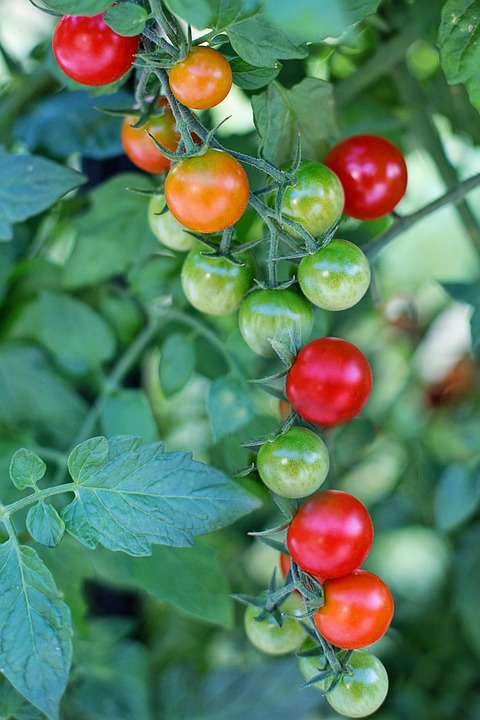
Picture this: a vibrant, sun-soaked farm where rows of vegetables flourish, bees buzz happily from flower to flower, and the air is fresh with the earthy scent of rich soil. A few years back, standing among my thriving garden, I couldn’t help but marvel at how daily decisions made in this mini-ecosystem could contribute positively to our planet. Little did I know then that the holistic practices of sustainable agriculture would not only yield an abundance of delicious food but also play a pivotal role in combating global warming. Let’s dive into the colorful world of sustainable farming and explore how it cultivates a greener future for all.
## The Climate Crisis: A Growing Concern
The urgency of our climate crisis looms large. With rising global temperatures, erratic weather patterns, and environmental degradation, it has never been more crucial to seek solutions. Farming, often depicted as a harbinger of carbon emissions, can also act as a sanctuary for regeneration. Sustainable agriculture stands at the forefront of this movement, bridging the gap between food production and environmental stewardship.
### What is Sustainable Agriculture?
Sustainable agriculture blends traditional farming methods with innovative practices to create a holistic system that benefits the environment, economy, and society. It prioritizes the health of the soil, the biodiversity of ecosystems, and the well-being of farmers and consumers alike. By focusing on techniques such as crop rotation, organic farming, agroforestry, and permaculture, sustainable agriculture fosters resilience in our food systems while mitigating the adverse effects of climate change.
## The Greenhouse Gas Connection
Did you know that agriculture contributes about 10-12% of global greenhouse gas emissions? Factors like methane from livestock, nitrous oxide from fertilizers, and carbon dioxide from deforestation all play a part. Yet sustainable agriculture offers a counter-narrative, reducing emissions while improving land health.
### Carbon Sequestration: Nature’s Own Solution
One of the most powerful aspects of sustainable agriculture is its ability to sequester carbon. Soil acts as a significant carbon sink—through practices like cover cropping and no-till farming, carbon dioxide is captured from the atmosphere and stored in the soil. Here are some effective strategies for carbon sequestration:
1. **Cover Cropping**: Planting specific crops, like clover or rye, during off-seasons. These plants enhance soil structure and nutrients while capturing carbon.
2. **Agroforestry**: Integrating trees and shrubs into crop systems not only improves biodiversity but also secures carbon in biomass and soil.
3. **Rotational Grazing**: This method encourages healthy grasslands, which can sequester substantial amounts of carbon. By moving livestock frequently, pastures regrow vigorously, and carbon is locked away.
### Biodiversity: The Web of Life
Biodiversity is crucial for resilient ecosystems and, therefore, sustainable agriculture. Diverse systems can better withstand pests, diseases, and extreme weather. Here’s how sustainable agriculture encourages biodiversity:
– **Polyculture**: Growing multiple crop species in the same space enhances resilience and minimizes the need for chemical inputs.
– **Beneficial Insects**: Creating habitats for pollinators and pest predators naturally maintains balance in the ecosystem, reducing reliance on synthetic pesticides.
### Reduced Dependency on Chemical Inputs
Conventional agriculture often thrives on high levels of chemical fertilizers and pesticides, which can deplete soil health and contribute to pollution. Sustainable agriculture, in contrast, opts for natural alternatives. Here’s why this is crucial:
1. **Soil Health**: Healthy soil captures more carbon and supports plant health, contributing to better yields and nutritional value.
2. **Water Quality**: Reducing chemical runoff decreases pollution in waterways, promoting cleaner ecosystems.
3. **Resilience**: Crops grown without toxic chemicals are more resilient to pests, diseases, and climate stress, thus securing food systems.
## Going Local: The Power of Community
Sustainable agriculture isn’t just about the farm; it’s also about fostering communities. Local food systems help reduce carbon footprints by decreasing transportation emissions and encourage economic resilience. Here’s what you can do:
– **Farmers’ Markets**: Support local growers and bring fresh produce to your table while connecting with the community.
– **CSAs (Community Supported Agriculture)**: Invest in a CSA program to directly support local farms and receive seasonal vegetables.
### The Circular Economy and Food Waste
The journey doesn’t end with production. Sustainable agriculture encourages a circular economy approach—minimizing waste and reusing resources. Here are some key strategies:
– **Composting**: Transforming kitchen scraps into compost enriches soil and reduces waste in landfills.
– **Food Recovery Networks**: Partnering with local businesses to recover excess food prevents waste while feeding those in need.
## Pro Tips for Sustainable Farming
Here are some practical tips to embark on your sustainable agriculture journey:
1. **Start Small**: You don’t need a large plot of land. Even a balcony garden can be an excellent starting point for growing herbs and vegetables sustainably.
2. **Learn from Nature**: Observe how natural ecosystems function and mimic those patterns in your gardening. Nature’s wisdom is unparalleled.
3. **Engage in Permaculture**: Design your space to support natural processes, creating self-sustaining ecosystems with minimal intervention.
4. **Utilize Integrated Pest Management (IPM)**: This approach combines biological, cultural, and mechanical practices to manage pests sustainably.
5. **Educate Others**: Share your knowledge and experiences with your community. Building awareness amplifies your impact.
### The Future of Sustainable Agriculture
The road ahead for sustainable agriculture is promising. Global recognition of the need for sustainable practices is gaining momentum as governments implement policies to support green farming methods. Public awareness campaigns and grassroots movements continue to spread the message: sustainable agriculture is not just an option; it’s imperative for the health of our planet and future generations.
As we cultivate these vibrant landscapes, we can heal our earth and create a legacy of resilience. Sustainable agriculture intertwines food, community, and the environment into a potent recipe for counteracting global warming. Every step counts in this journey; whether you’re a seasoned farmer or a budding gardener, your choices make a difference. So grab your hoe, dig deep, and let’s sow the seeds for a better tomorrow together!
## Conclusion
Sustainable agriculture holds the key to a healthier planet. By embracing practices that restore ecosystems, enhance biodiversity, and reduce carbon emissions, we can indeed turn the tide on climate change. Every bit of effort helps—every seed sown, every crop harvested, is a step toward a more sustainable and climate-friendly future. Let’s celebrate the transformative power of sustainable farming and work towards a world that not only nourishes our bodies but also preserves our precious planet. Together, we can cultivate a sustainable future that thrives, thus nurturing not just ourselves but generations to come.
### Call to Action
Feel inspired? Whether you’re an urban dweller or a rural resident, consider starting your own sustainable garden, joining a local food movement, or advocating for policy changes in agriculture. The power of change lies in our hands—let’s embrace it!