
# Harvesting Change: The Rise of Sustainable Farming Practices
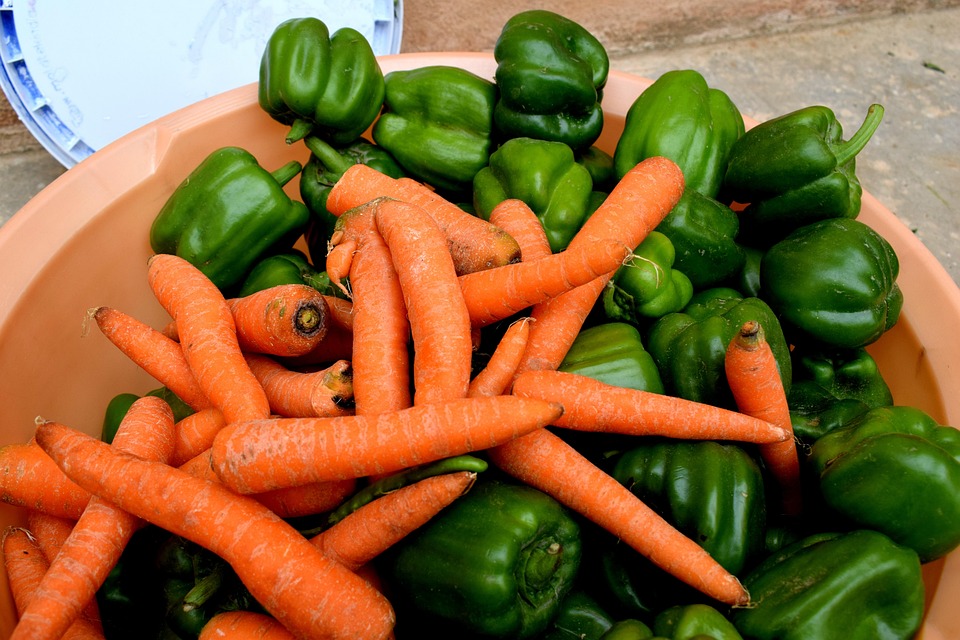
On a bright and crisp autumn morning, dew glistening on the grass like tiny jewels, I stepped into the garden to discover the bounty of the season. The air was filled with the earthy aroma of freshly turned soil and ripening vegetables. Every carrot I pulled from the ground and each tomato I plucked from its vine felt like a small triumph, a testament to the harmonious dance between nature and nurture. This moment encapsulated the essence of sustainable farming practices—where gratitude for the land meets innovative techniques for preserving its vitality. As sustainable farming continues to gain ground across the globe, it paints a hopeful picture filled with green possibilities and community-driven initiatives.
## The Green Revolution: A Brief History
Sustainable farming is not just a trend; it is an evolution of our relationship with the land. The Green Revolution of the mid-20th century introduced high-yield varieties and chemical fertilizers that boosted food production but also led to significant ecological imbalances. Communities soon found themselves grappling with soil degradation, water scarcity, and loss of biodiversity. As concerns about food security and environmental sustainability grew, a new wave of farmers emerged, determined to mend the gaps left by conventional farming.
This is where sustainable farming comes into play. By incorporating organic methods, crop rotation, permaculture, and agroforestry, this fresh approach aims to produce food while caring for the planet. It’s as if farmers have gained a deeper understanding of Mother Nature and her complex systems, cultivating a sense of stewardship rather than exploitation.
## Why Sustainable Farming Matters
The rise of sustainable farming is about more than just environmental conservation; it’s about creating a better world for our communities, our health, and future generations. Here are some remarkable benefits:
### 1. Preserving Biodiversity
Biodiversity is crucial for a resilient ecosystem. Sustainable farming practices encourage diversity in crops, which can bolster natural pest control and reduce disease risk. By planting a wide variety of species—including heirloom varieties—farmers not only enhance their soil but also offer consumers a broader selection of produce.
### 2. Enhancing Soil Health
Healthy soil is the foundation of successful farming. Techniques such as cover cropping, composting, and reduced tillage promote the growth of soil organisms and increase organic matter. These methods not only improve nutrient retention but also reduce erosion and promote water infiltration, enabling farms to become more resilient to climate change.
### 3. Protecting Water Resources
Sustainable farming practices focus on conservation techniques that protect freshwater resources from runoff and pollution. By utilizing rainwater capture systems and drip irrigation, farmers can enhance water efficiency while nurturing their crops.
### 4. Promoting Community Engagement
Sustainable farming invites community involvement and fosters connections between producers and consumers. Farmers’ markets, community-supported agriculture (CSA) programs, and farm-to-table initiatives serve as platforms for people to exchange knowledge and resources. These engagements promote local economies and encourage a culture of sustainability.
## Techniques Transforming Agriculture
Innovation is at the heart of sustainable farming. From ancient practices to cutting-edge technology, here are some techniques that are revolutionizing the field:
### Crop Rotation
One of the oldest yet most effective practices, crop rotation involves alternating the type of crop grown in a particular area each season. This method boosts soil fertility, reduces pests, and interrupts disease cycles, offering a natural solution to maintaining land productivity.
### Permaculture
Permaculture is a holistic approach that integrates landscape design with ecological principles. It encourages farmers to mimic natural ecosystems, creating self-sustaining agricultural environments. By incorporating elements like swales and companion planting, permaculture boosts resilience and enhances resource efficiency.
### Agroforestry
Agroforestry combines agriculture and forestry by integrating trees and shrubs into farm landscapes. This symbiotic approach not only contributes to biodiversity but also improves soil quality and mitigates climate change impacts by sequestering carbon.
### Aquaponics
The marriage of aquaculture and hydroponics, aquaponics provides a symbiotic environment where fish waste serves as nutrient-rich food for plants. This water-efficient method creates a closed-loop system that can significantly reduce the reliance on chemical fertilizers.
## Pro Tips for Embracing Sustainable Farming
Navigating the transition to sustainable farming can seem daunting, but anyone—from seasoned farmers to urban dwellers—can adopt these practices! Here are some practical tips to get you started:
1. **Start Small**: Begin with a small garden or a few container plants. Experimenting with various methods will help you find what works best for your space and climate.
2. **Compost**: Reduce waste by composting kitchen scraps and garden debris. This natural fertilizer can work wonders for soil health and plant growth.
3. **Join a Local CSA**: Connect with local farmers through community-supported agriculture programs. It’s a fantastic way to support sustainable practices while enjoying fresh, seasonal produce.
4. **Implement Cover Crops**: Plant cover crops like clover or rye during off-seasons to improve soil health and prevent erosion.
5. **Educate Yourself**: Attend workshops, read books, or join online forums dedicated to sustainable farming. Continued learning is key to any successful practice.
## The Role of Technology in Sustainable Farming
Technology plays an essential role in shaping the future of sustainable farming. Innovations such as precision agriculture, big data analytics, and drones are helping farmers optimize their processes. By utilizing sensors to monitor soil conditions or applying artificial intelligence to predict yields, farmers can make data-driven decisions that enhance sustainability.
Moreover, advancements in biotechnology are leading to the development of pest-resistant crop varieties, which can significantly reduce the reliance on harmful pesticides. The integration of technology with sustainable practices provides a promising avenue for addressing the challenges of food security and environmental preservation.
## Overcoming Challenges
While the rise of sustainable farming is encouraging, it does not come without its challenges. Issues such as soil depletion, climate change, and economic barriers can pose significant hurdles. However, resilience is woven into the very fabric of sustainable practices. Farmers are finding innovative solutions through community collaboration, policy advocacy, and continued education to ensure they can adapt to evolving circumstances.
### Community Collaboration
In many areas, farmers are banding together to share resources, knowledge, and strategies. By forming cooperatives or associations, they can help one another navigate the complexities of sustainable farming, create local networks, and foster collaboration rather than competition.
### Policy Advocacy
Farmers and advocates are increasingly calling for policies that support sustainable practices, such as subsidies for organic farming, tax incentives for conservation efforts, and increased funding for research in sustainable agriculture.
## A Glimpse into the Future
As awareness of the impact of conventional farming continues to grow, it’s clear that sustainable agriculture is not merely a passing fad but an essential shift in our food system. The future involves a collaborative effort among farmers, consumers, researchers, and policymakers, united by the vision of a greener, healthier planet.
The rise of sustainable farming practices is akin to replanting the seeds of a revolution—one that promises an abundant harvest of ecological harmony and community resilience. Each small action we take, from supporting local farmers to adopting sustainable practices in our gardens, contributes to this larger narrative of change. Together, let’s cultivate a future where the earth thrives, and we thrive alongside it.
### Conclusion
Harvesting change is about more than just the act of farming; it’s a holistic commitment to nurturing the planet for future generations. As sustainable practices take root and spread, we’re witnessing a transformative shift that celebrates our intrinsic connection to nature. So, step into the garden with excitement, embrace the beauty of diverse crops, and let’s work together to sow the seeds of sustainability. The harvest of change is upon us—let’s make it bountiful!