## Harnessing the Sun: How Solar Panels Transform Your Home Into an Eco-Friendly Haven
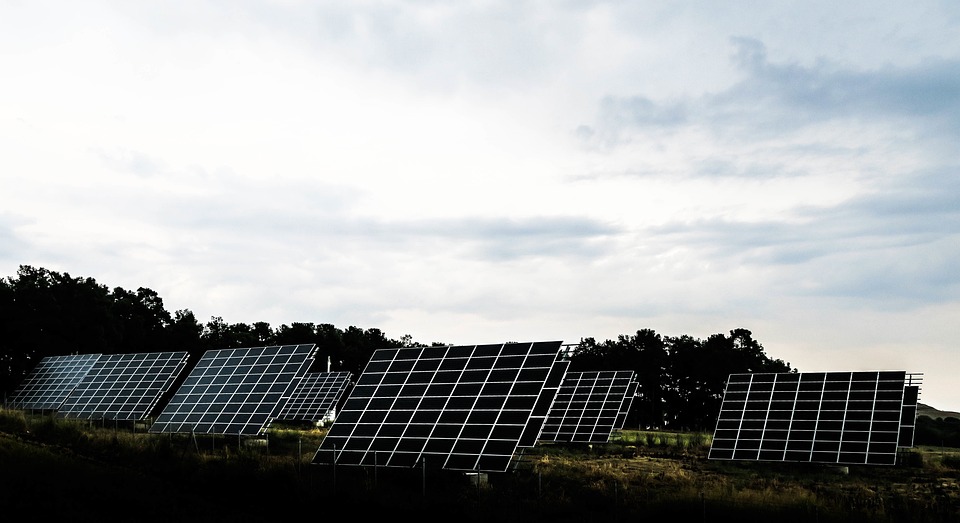
On a crisp morning, the first rays of sunlight peek through the trees, casting golden light across a quiet landscape. It’s the perfect moment to reflect on how solar panels have not just powered my home but have also infused it with purpose and sustainability. Each sunrise brings a renewed sense of gratitude for the energy harnessed from the sun, transforming not just my daily routines but also my relationship with the environment. This experience is a reminder that the sun is not merely a distant ball of fire; it is a plentiful, renewable resource waiting to be harnessed.
### Why Choose Solar Energy?
Transitioning to solar energy can seem daunting at first, but the benefits far outweigh the hurdles. Solar panels offer a wealth of advantages, from reducing your carbon footprint to cutting down on utility bills. Furthermore, as awareness of climate change heightens, there is an ever-increasing call for sustainable living solutions.
1. **Energy Independence**: Traditional energy sources are subject to fluctuating prices and exhausting supplies. With solar panels, you can generate your own electricity, liberating yourself from rising utility rates.
2. **Environmentally Friendly**: Solar energy reduces greenhouse gas emissions, helping to combat climate change. When you install solar panels, you’re making a conscious decision to contribute to a healthier planet.
3. **Increase in Home Value**: Homes equipped with solar energy systems often see an increase in property value. Buyers recognize the long-term savings and ecological benefits, making your home significantly more attractive.
### How Solar Panels Work
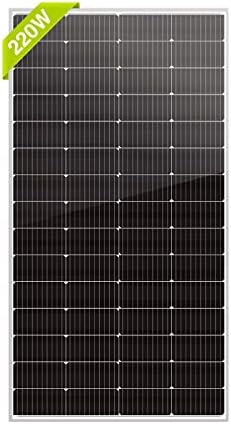
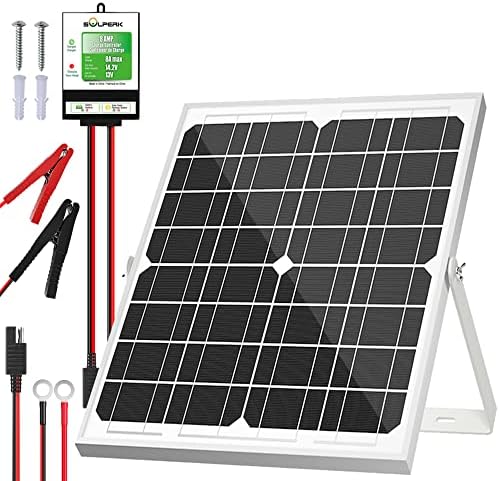
Understanding how solar panels work dispels some of the confusion surrounding this clean energy source. Solar panels consist of photovoltaic (PV) cells that convert sunlight into electricity. Here’s a simplified breakdown:
1. **Absorption of Sunlight**: PV cells absorb sunlight and generate direct current (DC) electricity.
2. **Conversion to Usable Electricity**: An inverter converts DC electricity into alternating current (AC) electricity, which powers your home.
3. **Energy Usage or Storage**: The electricity can either be used immediately, stored in batteries, or sent back to the grid, allowing you to earn credits depending on your local regulations.
### The Installation Process
Installing solar panels may sound complicated, but it is surprisingly straightforward, especially with the right professionals by your side.
1. **Assessment**: A solar provider will conduct an energy audit of your home. This will evaluate your energy needs and determine the best panel type and system size.
2. **Design**: Once assessed, the provider will design a solar energy system tailored to your home’s layout and energy requirements.
3. **Installation**: Trained technicians will mount the panels on your roof or property, ensuring they are optimized for maximum sun exposure.
4. **Connection and Activation**: The final steps involve connecting your system to the grid and activating your solar energy solution, allowing you to start enjoying its benefits immediately.
### Financial Incentives
One significant aspect of solar energy is the financial incentives available to homeowners. Make sure to take full advantage of these opportunities:
– **Federal Tax Credit**: The federal government currently offers a tax credit for solar installations that allows you to deduct a percentage from your federal taxes.
– **State Incentives**: Many states offer additional incentives, from cash rebates to property tax exemptions.
– **Net Metering**: If your solar system generates more electricity than you use, you can sell that surplus back to the grid through net metering, effectively creating an energy credit.
### Lifestyle Transformations
Integrating solar panels can result in a holistic lifestyle change. Here are some exciting transformations you might anticipate:
1. **Increased Awareness**: You may find yourself becoming more conscious about energy consumption. You’ll start to notice how much energy different appliances consume, encouraging mindful living.
2. **Sustainable Choices**: The move to solar often inspires other eco-friendly decisions, such as reducing waste, composting, and purchasing sustainable products.
3. **Community Involvement**: Many solar users join local groups to share tips, resources, and experiences, creating a network of sustainability advocates.
### Pro Tips for Solar Enthusiasts
If you’re ready to harness the power of the sun, here are some advice and tips to maximize your solar experience:
– **Choose Quality Panels**: Not all solar panels are created equal. Research different brands and opt for high-efficiency panels that offer better warranties.
– **Monitor Your System**: Invest in a monitoring system to track your solar panel performance. Understanding your energy production can help you troubleshoot issues quickly.
– **Consider Battery Storage**: Adding battery storage allows you to use solar energy during off-peak hours, enhancing your energy independence.
– **Regular Maintenance**: Keep your panels clean and free of debris to ensure optimal performance. Check for shading from trees or buildings that can reduce efficiency.
– **Stay Informed**: Keep abreast of changing energy policies and incentives in your area, as they can significantly impact your return on investment.
### Conclusion
Harnessing the sun through solar panels is not just a step towards energy independence; it’s a transformative journey for both your home and the world. By investing in solar energy, you are reducing your carbon footprint, boosting your property value, and making a significant statement about your commitment to sustainability. So roll up your sleeves, do a bit of research, and take that first step towards creating your eco-friendly haven. The sun is shining, and it’s time to harness its incredible power!