# Living Off the Grid: A Happy Adventure in Self-Sufficiency
The sun peeked over the horizon, casting a soft light on my little cabin in the woods, and I felt an overwhelming sense of peace. It was my third week living off the grid, and every morning began with the fragrant aroma of freshly brewed coffee, brewed on my trusty camp stove. No alarm clock blaring, no traffic sounds — just the gentle rustle of leaves and birdsong. It was in these moments that I truly grasped the beauty of a self-sufficient lifestyle, trading the daily grind of urban life for a serene connection to nature. Living off the grid may seem daunting, but it can be a joyful adventure filled with personal growth, creativity, and a more profound appreciation for the world around us.
## Discovering the Joy of Self-Sufficiency
Embracing a life off the grid means stepping away from the conveniences and comforts that modern technology offers. While it may initially sound intimidating, it opens the door to a world rich in simplicity and creativity. Imagine growing your own food, harnessing the power of the sun, and relying on rainwater for your daily needs. While you might have to troubleshoot your way through daily challenges, like a stubborn compost pile or a mischievous raccoon eyeing your vegetable garden, each small victory brings a boost of confidence and satisfaction.
### A Day in the Life Off the Grid
Waking up without the buzz of a phone or the flicker of a TV screen feels liberating. Instead, I start my day by stepping outside to breathe in the crisp morning air. My garden, which I lovingly tend to, bursts with vibrant vegetables and herbs. After a hearty breakfast, I dive into various tasks: chopping wood for the fire, maintaining my solar panels, and perhaps engaging in a little DIY project to upcycle materials I’ve collected. Working with my hands not only deepens my connection to the land but also sparks creativity. From crafting compost bins to building a rustic outdoor shower, each task becomes a joyful endeavor.
## Gardening: Nourishing Body and Soul
Growing your own food is not just a means of sustenance; it’s a therapeutic process. The act of planting seeds and nurturing them into thriving plants brings a sense of fulfillment that is hard to replicate. Besides, nothing compares to the taste of a tomato fresh off the vine or the delight of harvesting herbs that you’ve tended to all summer.
### Key Tips for a Thriving Garden
1. **Start Small**: If you’re new to gardening, begin with a small plot and a few easy-to-grow vegetables. Tomatoes, lettuce, and radishes are great choices for beginners.
2. **Companion Planting**: Research companion planting to maximize space and health. For example, planting marigolds can help deter pests from your vegetables.
3. **Natural Fertilizers**: Use compost or organic fertilizers to enrich your soil. Transforming kitchen scraps into nutrient-rich compost is a satisfying process.
4. **Water Wisely**: Consider installing a rainwater collection system. It not only conserves water but also provides a sustainable irrigation source for your garden.
## Harnessing Nature’s Energy
Living off the grid often means becoming more mindful of your energy consumption. By utilizing solar panels or wind turbines, you can significantly reduce your reliance on the traditional grid. Here’s a closer look at these options:
### Solar Power
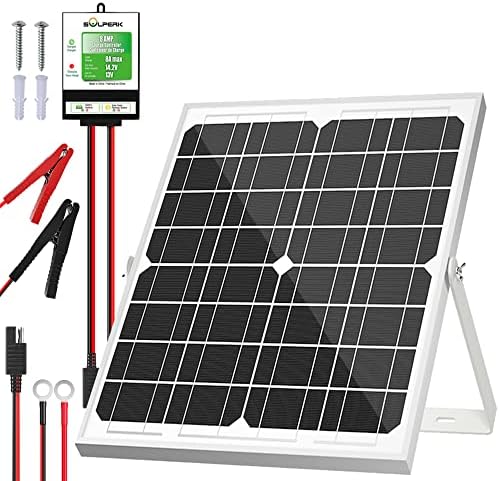
Solar panels are an excellent way to capture the sun’s energy and convert it into electricity. Installing an array of panels on your property can provide enough power to maintain essential appliances and lighting.
### Pro Tips for Solar Setup
1. **Assess Your Needs**: Calculate your energy needs to determine the size of the solar system you require.
2. **Sunlight Exposure**: Choose a site that receives ample sunlight throughout the day to maximize energy production.
3. **Batteries for Back-Up**: Consider investing in batteries to store excess energy for cloudy days or nighttime usage.
### Wind Energy
If your off-grid location is in a windy area, a wind turbine can supplement your power supply. These ingenious machines can generate power even on overcast days and work well in conjunction with solar panels.
## Exploring Eco-Friendly Practices
Living off the grid is about more than just energy. It’s an opportunity to embrace sustainable practices that protect and enhance the environment.
### Rainwater Harvesting
Collecting rainwater for use in the home is an eco-friendly choice that conserves valuable resources. Setting up a simple system to gather, filter, and store rainwater can provide you with water to maintain your garden and even supply your household needs.
### Composting for Life
Composting is a simple yet effective way to reduce waste and enrich the soil. By recycling kitchen scraps and yard waste, you contribute to a sustainable cycle of nourishment for your plants. Plus, it’s an enjoyable project that fosters a sense of responsibility and connection to your waste.
## Building a Community Connection
Living off the grid doesn’t mean you have to be isolated. Building a community with like-minded individuals can create a supportive network for sharing resources, experiences, and knowledge. Attend local meetups, workshops, or homesteading fairs to connect with others who share your lifestyle aspirations.
### Pro Tips for Community Building
1. **Join Local Groups**: Look for community gardening groups or alternative lifestyle organizations.
2. **Attend Workshops**: Participate in workshops that teach essential skills like foraging, canning, or herbal medicine.
3. **Host a Potluck**: Invite neighbors over for a potluck dinner, sharing homemade dishes and stories while fostering community bonds.
## Overcoming Challenges with a Smile
While the joys of off-grid living are plentiful, challenges arise. Whether it’s creative problem-solving during an unexpected rainstorm or learning how to fix a broken solar panel, it’s essential to maintain a positive and adventurous mindset. Embrace each challenge as an opportunity to grow and adapt.
### Pro Tips for Navigating Challenges
1. **Keep a Journal**: Documenting daily experiences and challenges can illuminate patterns and inspire solutions.
2. **Learn Skills**: Invest time in learning new skills, from basic plumbing to DIY repairs. YouTube is a treasure trove of how-to videos.
3. **Stay Flexible**: Be prepared to pivot when things don’t go according to plan. Adaptability is a key asset in off-grid living.
## The Joy of Simple Living
There’s a magic in simple living that can be easily overlooked in our fast-paced world. Every moment spent in nature, every fresh vegetable grown, and every sunset enjoyed without distraction enriches your life in ways you may never have imagined.
Consider taking the plunge into this joyful lifestyle. Whether you venture out for a weekend camping trip or commit to a permanent off-grid dwelling, you’ll discover a renewed appreciation for the little things — the softness of grass beneath your feet, the warmth of a crackling fire, and the awe of an uninterrupted starry night.
## Conclusion
Living off the grid offers you the chance to cultivate a profound connection to yourself and the world around you. It invites you to step outside your comfort zone, embrace creativity, and find joy in simplicity. While the journey may come with its bumps along the way, it’s ultimately a rewarding adventure filled with laughter, learning, and love. So take a leap into the great unknown. You might just find the happiness you’ve been seeking all along.
### Pro Tips Summary
– **Start Small with Gardening**: Begin with easy vegetables and expand from there.
– **Invest in Sustainable Energy**: Explore solar and wind options.
– **Collect Rainwater**: Create a simple harvesting system.
– **Build Community**: Engage with local groups and share experiences.
– **Cultivate a Positive Mindset**: Embrace challenges as learning opportunities.
Embrace this beautiful journey of off-grid living and experience the sheer delight of a life free from conventional constraints. You might just fall in love with the wild adventure waiting for you!