# Embracing the Off-Grid Lifestyle: A Journey to Self-Sufficiency and Sustainability
The morning sun trickles through the trees, casting dappled light on my little cabin in the woods. The scent of damp earth mingles with the aroma of freshly brewed herbal tea, created from herbs I’ve grown myself. There’s a gentle hush that blankets the wilderness, interrupted only by the melodic chirping of birds or the rustle of a nearby squirrel. Every day feels like a new adventure, a chance to reconnect with nature and myself. Living off the grid transformed my perspective, turning daily challenges into rewards, and has taught me invaluable lessons in self-sufficiency and sustainability.
## The Allure of Off-Grid Living
Off-grid living is increasingly appealing to people seeking a slower pace of life or wanting to escape the fast-paced hustle of urban environments. With the rise of interest in minimalism and sustainability, living off the grid is more than just a trend; it’s a lifestyle choice that fosters independence and a deeper connection to the environment. Imagine cultivating your own crops, relying on solar power, and experiencing the joys of nature firsthand—this is the essence of being off the grid.
### Understanding Off-Grid Living
At its core, off-grid living means creating a self-sustaining lifestyle that doesn’t depend on public utilities. It often involves generating your own electricity, collecting rainwater, and growing or foraging your own food. With a bit of creativity and elbow grease, anyone can take steps toward this liberating lifestyle.
## Essential Components of Off-Grid Living
### Energy Independence
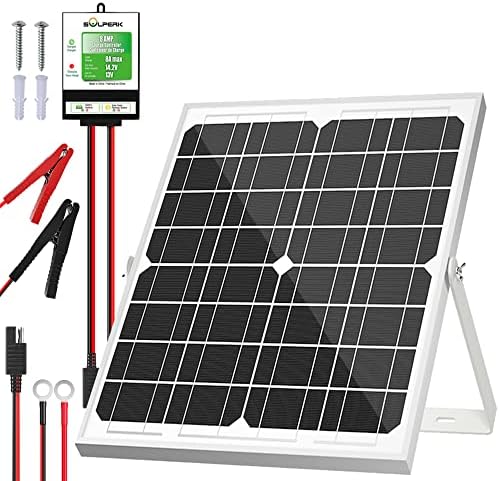
One of the first things you’ll consider when going off-grid is energy. Solar panels are a popular choice, given their affordability and ease of installation. Wind turbines are another option, especially in areas with strong winds. By harnessing renewable energy sources, you not only reduce your carbon footprint but also cut down on monthly utility bills.
**Pro Tip:** Start small with a solar system that powers essential appliances. As you gain experience, gradually expand your capacity to meet your energy needs.
### Water Collection
Water is essential to life, making its collection a top priority. Rainwater harvesting systems can provide an excellent source of fresh water. By installing a simple gutter system on your roof that channels rainwater into barrels, you’ll be well on your way to water self-sufficiency.
**Pro Tip:** Use a first-flush diverter to ensure that the initial water from a rainstorm—which can carry debris—is redirected away from your clean water supply.
### Food Sustainability
Growing your own food is one of the most rewarding aspects of off-grid living. Vegetable gardens, fruit orchards, and herb spirals can provide nourishment while minimizing your reliance on store-bought produce. You can also extend your provisions by learning about wild foraging.
In addition to traditional gardening, consider:
– **Permaculture:** Design your garden to mimic natural ecosystems, promoting both yield and biodiversity.
– **Companion Planting:** Some plants thrive better when grown together, enhancing growth and pest deterrence.
**Pro Tip:** Start with easy-to-grow vegetables, such as tomatoes, lettuce, and zucchini, to build your confidence and skills.
### Waste Management
Living off the grid means taking care of your waste responsibly. Composting is a fantastic way to recycle organic materials back into the soil, while maintaining a traditional septic system for sewage is crucial for hygiene.
**Pro Tip:** Implement a “three-bin system” for compost where you can separate greens (nitrogen-rich materials) from browns (carbon-rich materials) and keep your compost pile manageable and effective.
## Cultivating Community Connections
Living off the grid doesn’t mean you have to go it alone. In fact, building a community is vital for support and shared resources. Many off-grid enthusiasts form co-ops to share tools, seeds, and knowledge.
Engagement with local farmers’ markets, workshops, and sustainability-centric groups can enhance your understanding of self-sufficiency while creating lasting friendships.
**Pro Tip:** Start a local skill-share group where you can exchange skills—like gardening, woodworking, or preserving food—with neighbors.
## Embracing Minimalism and Simplicity
Off-grid living encourages a minimalist lifestyle, which often leads to greater happiness and authenticity. By simplifying possessions and focusing on what truly matters, you cultivate contentment.
Consider the following strategies to embrace minimalism:
– **Declutter Regularly:** Go through your belongings periodically and ask yourself if each item adds value to your life.
– **Repurpose Items:** Before discarding something, think about how you might reuse or repurpose it. This fosters creativity and reduces waste.
## The Joy of Nature
The most striking aspect of off-grid living is the immersive experience of nature. From starry nights that beckon for stargazing to the invigorating scents of wildflowers, the beauty surrounding you becomes an integral part of your daily existence.
**Pro Tip:** Schedule regular ‘nature time’ into your week, whether that’s hiking, birdwatching, or simply sitting outside with a good book. This helps cultivate an appreciation for the natural world.
## Overcoming Challenges
Of course, going off-grid is not without its challenges. Adverse weather conditions, mechanical failures, and wildlife encounters can test your resolve. However, each obstacle is an opportunity to learn and adapt.
### Weather Preparedness
Understanding local weather patterns can help mitigate risks. Whether it’s winter-proofing your home or preparing for floods, knowledge is key.
### Maintenance Skills
Learning basic maintenance skills is crucial to ensure your energy systems, plumbing, and gardens thrive.
**Pro Tip:** Invest time in learning DIY skills. Watching online tutorials or attending local workshops can boost your confidence.
## Final Thoughts: The Future of Off-Grid Living
In a world where technology often distances us from nature, off-grid living represents a path back to our roots. It invites us to reclaim our independence, integrate with the environment, and cultivate a sustainable future. As more people choose this lifestyle, the movement towards self-sufficiency continues to grow.
If you’re considering taking the plunge, remember—take it one step at a time! Embrace the learning curve, enjoy the small moments, and discover the freedom that comes with living off the grid.
### Pro Tips Recap
1. **Start Small:** Begin with essential energy solutions and gradually expand your setup.
2. **Water First:** Invest in a rainwater harvesting system to secure your water supply.
3. **Community Counts:** Engage with local groups for support and learning opportunities.
4. **Get Hands-On:** Regularly develop your DIY and maintenance skills.
5. **Nature Appreciation:** Schedule time to connect with the beauty of nature around you.
Through off-grid living, the journey is as rewarding as the destination, and each day is a chance to live intentionally and sustainably. Embrace the adventure, and you might find your own unique path to joy and fulfillment!