
# Feeding the Future: Why Sustainable Farming Practices Are Key to Global Food Security
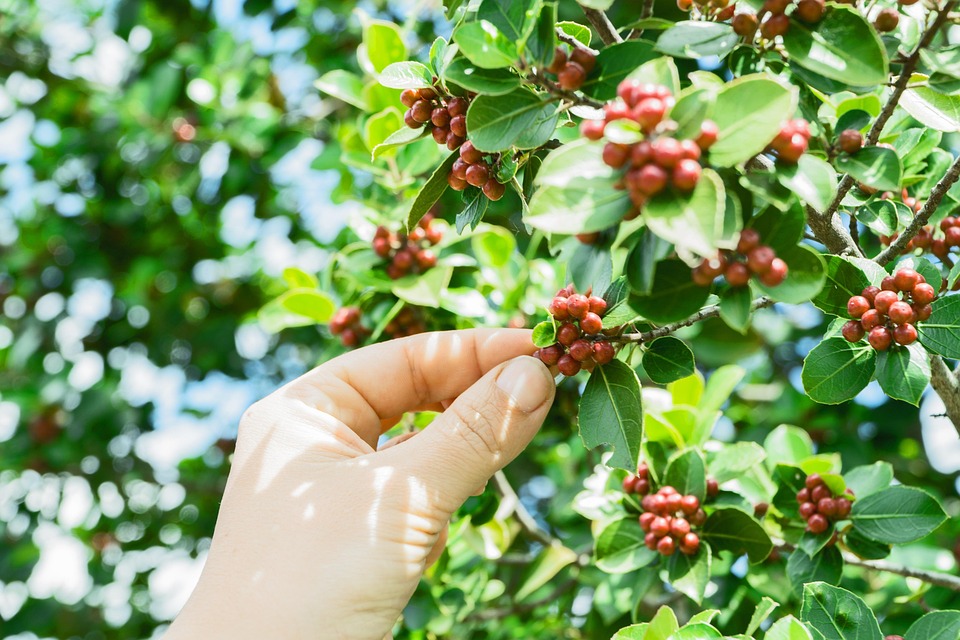
The sun shone brightly through the trees as I surveyed my small plot of land, the aromas of fresh herbs and ripe vegetables wafting through the air. Each plant, carefully nurtured, represented not just a meal, but a step towards a more sustainable future. It was a reminder that in a world teetering on the brink of food insecurity, the power of sustainable farming practices holds the key to nourishing both people and the planet.
### The Global Challenge of Food Security
According to the Food and Agriculture Organization (FAO), global food production needs to increase by 60% by 2050 to feed a projected population of 9.7 billion. The challenge lies not just in quantity, but in quality and sustainability. Current industrial farming methods are heavily resource-dependent, often leading to soil degradation, water scarcity, and a loss of biodiversity. In contrast, sustainable farming practices promise a balance between meeting human needs and preserving the planet for future generations.
### What is Sustainable Farming?
Sustainable farming, or regenerative agriculture, goes beyond the mere act of growing food. It encompasses practices that:
– **Enhance Soil Health:** Using cover crops, crop rotation, and organic matter to enrich the soil.
– **Conserve Water:** Implementing techniques like drip irrigation and rainwater harvesting to make better use of this precious resource.
– **Promote Biodiversity:** Growing a variety of crops and using organic pest control to create healthier ecosystems.
– **Reduce Chemical Inputs:** Minimizing or eliminating synthetic fertilizers and pesticides to protect both the environment and human health.
These principles not only lead to healthier crops but also create a resilient food system that can adapt to changing climatic conditions.
### The Benefits of Sustainable Farming
1. **Improved Soil Quality:**
Healthy soil is the foundation of productive farming. Practices like composting and using organic fertilizers not only improve soil fertility but also promote a diverse microbial community that contributes to plant health.
2. **Water Conservation:**
Sustainable farming techniques, such as mulching and contour farming, help retain moisture and reduce the need for irrigation. This is crucial in areas facing water shortages.
3. **Biodiversity:**
By cultivating diverse crops and utilizing companion planting, farmers can naturally reduce pest populations, limiting the need for chemical pesticides. Biodiverse farms are more resilient to diseases and pests, ensuring a more consistent food supply.
4. **Climate Resilience:**
Sustainable practices, such as permaculture and agroforestry, can enhance a farm’s resilience to climate change. This means less vulnerability to extreme weather events, which could otherwise devastate crops.
5. **Economic Viability:**
Sustainable farming often requires lower input costs in the long run. By reducing reliance on chemical fertilizers and pesticides, farmers can save money and invest in their communities.
### Innovative Sustainable Practices
The future of food relies on innovative farming practices that challenge conventional wisdom. Here are some exciting approaches:
#### Agroecology
Agroecology applies ecological principles to agricultural systems, marrying traditional farming knowledge with modern science. Farmers implement crop diversity, manage pest populations naturally, and use local resources efficiently. This approach not only improves yields but also cultivates a deeper connection between farmers and their land.
#### Permaculture
Permaculture goes beyond gardening to design sustainable agricultural ecosystems. By mimicking natural ecosystems, permaculture creates self-sustaining systems where various plants and animals coexist, contributing to a balanced environment. Imagine a garden where every plant has a purpose and supports another, creating a thriving micro-ecosystem.
#### Vertical Farming
In urban areas where space is scarce, vertical farming offers an innovative solution. By growing crops in stacked layers, often using hydroponics or aquaponics, this method maximizes space and minimizes water usage. With vertical farming, fresh produce can be grown right in the heart of cities, reducing transportation emissions and providing local communities with fresh food year-round.
### The Role of Community
Building community around sustainable practices can amplify their impact. Local farmers’ markets, cooperative farming, and community-supported agriculture (CSA) programs create connections between producers and consumers, fostering a shared responsibility for food security. When communities work together, they can make informed choices that support sustainable food systems.
### Pro Tips for Sustainable Farming
1. **Start Small:**
Whether you have a sprawling farm or a tiny backyard, begin with a few sustainable practices. Experiment with composting or try out companion planting to see what works best for you.
2. **Plant Native:**
Native plants are adapted to your local climate and soil conditions, requiring less water and maintenance. They also support local wildlife, making your garden a haven for pollinators.
3. **Embrace Technology:**
Innovations like precision agriculture use technology to monitor soil health and optimize resource use. Drones and sensors can provide real-time information, helping you make data-driven decisions.
4. **Get Involved:**
Join local gardening clubs or sustainable farming organizations. Sharing knowledge and experiences creates a supportive network and encourages a culture of sustainability.
5. **Educate Others:**
Be a champion for sustainable farming. Share your successes and challenges with friends and family to inspire them to adopt sustainable practices in their own lives.
### Addressing Global Food Security Together
As we move forward, it is crucial to engage in conversations around food security, sustainability, and ecological citizenship. Supporting policies that promote sustainable agriculture, protecting farmers’ rights, and investing in local food systems can lead us toward a resilient future.
### Conclusion
The future of food is bright, and sustainable farming practices are the beacon guiding us toward it. By adopting these practices, we can bolster global food security, protect our planet, and nourish generations to come. Whether tilling a small garden or leading a farming cooperative, each action contributes to a larger movement toward sustainability. Together, we can cultivate a world where healthy food is plentiful, accessible, and produced in harmony with the environment.
Let’s dig in and grow a future that feeds us all!