
# Seeds of Change: The Importance of Organic Farming in a Sustainable Future
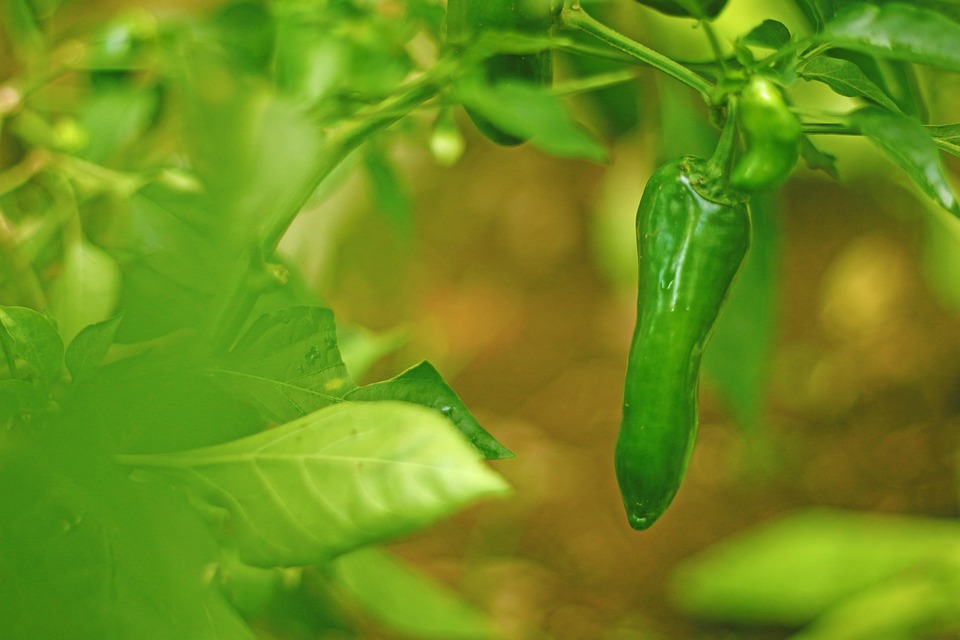
Nestled in the serene embrace of nature, the aroma of rich earth and the cheerful rustle of leaves greeted me one bright morning. I was crouched amidst rows of vibrant vegetables and fragrant herbs, each seed planted with a promise of life. The gentle hum of bees and the playful chirps of birds indicated a thriving ecosystem, reminding me of the magic that happens when we align our agricultural practices with nature. This was not just a garden; it was a testament to the transformative power of organic farming, a vital thread in the tapestry of a sustainable future.
## The Commercial Disconnect and Its Costs
In today’s fast-paced world, we have often become estranged from our food sources. Much of what fills our grocery shelves comes from industrial farming practices that prioritize yield over health. Monocultures, chemical pesticides, and synthetic fertilizers have created a cycle of dependency on unsustainable practices. This not only damages the soil and water systems but also negatively impacts our health, leading to a growing awareness of the importance of organic farming.
Organic farming embraces biodiversity, enriches soils, and nurtures the environment. It stands as a beacon of hope, reintroducing us to the simple, yet profound, truths about nurturing the land. So, what does living sustainably through organic farming truly mean, and why is it crucial for our future?
## Embracing Biodiversity
At the heart of organic farming lies the principle of biodiversity. Unlike conventional farming methods, which often rely on a single crop variety, organic practices encourage a tapestry of plants. This diversity promotes resilience, allowing crops to better withstand pests, diseases, and changing climate conditions. By fostering a rich ecosystem, organic farming creates a balance that benefits not just plants but also the myriad creatures that play roles in our agricultural tapestry—from pollinators to soil microorganisms.
### Supporting Local Ecosystems
Integrating organic practices into your farming or gardening routine can mirror the natural world. Companion planting, for instance, involves planting different crops in proximity to mutually benefit each other. Think of how tomatoes and basil thrive together; their relationship not only repels pests but also enhances flavor. Such strategies cultivate a healthy ecosystem, reducing dependence on chemical inputs and enhancing the vitality of the soil.
## Nourishing the Soil
Healthy soil is the lifeblood of any sustainable farming endeavor. Organic practices focus on building soil health through natural methods. Composting, cover cropping, and mulching are just a few techniques that enhance soil structure and fertility. By enriching the soil with organic matter, we support a thriving community of organisms that contribute to nutrient cycling and soil aeration.
### The Science of Soil
Microorganisms, earthworms, and fungi, all work behind the scenes in the soil, breaking down organic material and releasing nutrients that are vital for plant growth. A vibrant soil ecosystem can drastically reduce the need for synthetic fertilizers, making organic farming not just an environmentally friendly choice, but also a practical one that can save costs in the long run.
## The Health Factor
The benefits of organic farming extend beyond the soil and ecosystem. Consuming organic produce is often associated with a reduced risk of chronic diseases. This is primarily due to lower pesticide residues and higher levels of beneficial nutrients and antioxidants compared to conventionally grown foods. By choosing organic, consumers are actively participating in a healthier food system.
### A Taste of Nature
Many who transition to organic gardening report a notable difference in flavor. The reason? Organic farming allows crops to grow at their own pace, enhancing their taste and nutritional value. For example, tomatoes allowed to ripen fully on the vine develop a sweeter, richer flavor than those early harvested for mass distribution. When we engage in organic farming, we’re not only caring for the environment; we’re enhancing the joy of eating.
## Economic Viability and Community Impact
Supporting organic farming can have a positive economic impact, particularly for local communities. By purchasing produce from local organic farms, consumers are in essence voting for a sustainable future. This creates a ripple effect, encouraging more farmers to transition to organic methods, which in turn helps to bolster local economies.
### Direct Connection with Food Sources
Farmers’ markets, community-supported agriculture (CSA) programs, and local co-ops provide avenues to directly connect with the sources of our food. This encourages not only healthier eating habits but also increases awareness of the importance of sustainable practices and the environments in which our food is produced.
## Pro Tips for Creating Your Organic Oasis
Ready to embark on your own organic farming journey? Here are some pro tips to get you started on nurturing a sustainable green space:
1. **Start Small**: Begin with a small garden plot or even container gardening if space is limited. This allows you to manage it more effectively without feeling overwhelmed.
2. **Choose Native Plants**: They are typically hardier and require less water and maintenance. Native plants also attract local pollinators, which are essential for a thriving garden.
3. **Practice Crop Rotation**: This minimizes nutrient depletion and significantly reduces pests and diseases by breaking their life cycles.
4. **Create a Compost Bin**: Composting kitchen scraps, yard waste, and organic materials enrich the soil and reduce waste. You’ll feel great knowing that you’re helping your garden thrive while promoting a cleaner environment.
5. **Embrace Permaculture Principles**: Use the resources available in your environment and try to create a self-sustaining ecosystem that mimics natural systems, thereby minimizing inputs and maximizing yields.
6. **Engage with Your Community**: Join local gardening clubs or online forums to share knowledge and resources. Learning from others can provide valuable tips and foster a sense of community.
7. **Be Patient**: Organic gardening is not a race. Allow plants the time they need to grow and flourish. Embrace the process, and soon you’ll see the unique rewards of your efforts.
## Conclusion: A Seed for the Future
The movement toward organic farming is not merely a trend; it is a vital response to the complexities of modern agriculture and our quest for a sustainable future. By choosing organic practices, we cultivate a deeper connection with our food, our environment, and our communities.
Each seed sown into the soil is more than just a promise of food; it is a commitment to respect the earth’s resources and the intricate webs of life that surround us. As custodians of the land, we hold the power to be agents of change, nurturing not only our gardens but also the very planet we call home. By prioritizing organic farming, we plant the seeds of a more sustainable future—one that allows for flourishing ecosystems, healthier communities, and a deeper appreciation for the food we consume.
So let’s embrace these “Seeds of Change” together, ensuring that the legacy of a sustainable future flourishes for generations to come!