
# Solar Showdown: Comparing Monocrystalline, Polycrystalline, and Thin-Film Panels
The sun peeked over the horizon, casting golden rays across the undulating landscape. I stood in my backyard, a patch of green amid the more rugged terrain behind my home, feeling the excitement of yet another day fueled by sunshine. Over the years, I’ve learned that harnessing the sun’s power is not just about saving money; it’s about embracing a lifestyle of sustainability and independence. With the right solar panels, you can turn the sun into your best buddy, providing energy for everything from your morning coffee to powering your evening outdoor gatherings. But with several options on the market, choosing the right type can feel like navigating a labyrinth. That’s where this solar showdown comes into play!
## Understanding Solar Panel Types
In today’s market, three main types of solar panels stand out: monocrystalline, polycrystalline, and thin-film. Each boasts its own unique advantages and disadvantages. Let’s break these down in a fun and informative way!
### Monocrystalline Solar Panels
**What are they?**
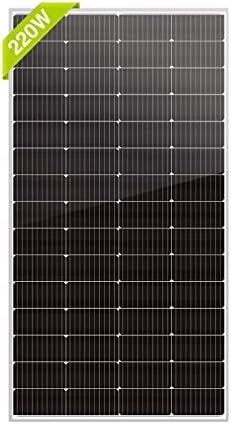
Monocrystalline panels are made from single-crystal silicon, which gives them their characteristic dark color and sleek appearance. They’re known for their high efficiency rates and long lifespan.
**Pros:**
– **High Efficiency:** Typically, these panels convert around 15-22% of sunlight into usable energy, making them the most efficient option available.
– **Space Efficient:** Their high power output means you’ll need fewer panels to meet your energy requirements; perfect for smaller rooftops!
– **Longevity:** With lifespans extending 25 years and beyond, they stand the test of time.
**Cons:**
– **Cost:** They tend to be the priciest panels on the market. However, many see the investment as worthwhile due to their efficiency and longevity.
– **Temperature Sensitivity:** While they do perform better in low-light conditions than some options, their efficiency can decline in extremely hot conditions.
### Polycrystalline Solar Panels
**What are they?**
These panels are made from multiple crystal structures, resulting in a bluish hue and a more textured appearance.
**Pros:**
– **Affordability:** Polycrystalline panels generally come at a lower price point compared to their monocrystalline counterparts, making them a more budget-friendly option.
– **Sufficient Efficiency:** They usually achieve conversion rates of around 13-16%, which is still fairly efficient for many applications.
**Cons:**
– **Lower Efficiency:** More panels may be necessary to meet your energy needs if you’re relying solely on polycrystalline.
– **Space Requirement:** Because they take up more space for the same power output, they may not be suitable for smaller areas.
– **Performance in High Temperatures:** They generally don’t do as well as monocrystalline panels in extreme heat.
### Thin-Film Solar Panels
**What are they?**
Thin-film solar panels are made by layering photovoltaic materials to create a very thin panel. These can include various materials like cadmium telluride and amorphous silicon.
**Pros:**
– **Flexible and Lightweight:** The ultra-thin design allows for versatility in installation; they can be adhered to different surfaces.
– **Cost-Effective:** They’re often cheaper to manufacture, leading to lower pricing for consumers.
– **Performance in Low Light:** Thin-film panels perform well in low-light conditions and high temperatures.
**Cons:**
– **Lower Efficiency:** Generally, these panels only convert around 10-12% of sunlight into energy, meaning more panels may be needed.
– **Shorter Lifespan:** While they’re durable, thin-film panels usually don’t last as long as crystalline options—averaging around 10-20 years.
## The Showdown: Which One is Right for You?
Choosing the right type of solar panel comes down to consideration of several factors, including budget, space, efficiency needs, and personal preference. Here’s how to evaluate your options:
1. **Space Constraints:** If you’re limited on space or have a smaller rooftop, monocrystalline panels may be your best bet due to their efficiency.
2. **Budgetary Considerations:** If you’re looking to save upfront but can manage more space, polycrystalline panels could be a smarter choice.
3. **Installation Flexibility:** If your installation requires flexibility, thin-film panels can adapt well to different formats and surfaces.
4. **Aesthetics:** Monocrystalline panels have a sleek, modern look, which some homeowners prefer, whereas polycrystalline panels can have a more traditional appearance.
5. **Local Climate Conditions:** If you live in a warmer environment, consider the temperature sensitivity of monocrystalline panels versus the less efficient but more tolerant thin-film options.
## Pro Tips for Solar Panel Selection
1. **Research Local Incentives:** Check for local, state, and federal incentives that can offset the cost of solar installations. Some areas offer tax credits, rebates, or even free installations in exchange for energy production.
2. **Read Reviews:** Before making a final decision, access consumer reviews and testimonials of specific brands for insights into performance and customer service experiences.
3. **Consider Potential Growth:** Thinking about expanding your solar setup in the future? Choose a scalable system allowing for additional panels to be added seamlessly.
4. **Monitor Your Energy Needs:** Keep an eye on your energy consumption to better gauge what system will best meet your needs.
5. **Consult a Professional:** A reputable solar installer can help you analyze your particular situation, which can save you time and potentially costs down the line.
## Conclusion: Embracing Sustainable Energy
Whether you’re a dedicated eco-warrior or simply curious about solar energy, making an informed decision about which type of panel to install can drastically enhance your experience living off the grid. Monocrystalline, polycrystalline, or thin-film—there’s something for every household and budget.
The future of energy is bright, vibrant, and, undeniably, solar. By tapping into this endless resource, you not only maximize efficiency but also contribute to a sustainable world. So roll up your sleeves, pick your panels, and let the sunshine power your life!
With the right solar solution, you’ll bask in the glow of energy independence, saving on your bills and reducing your carbon footprint. The sky’s the limit—let’s get our shine on!