
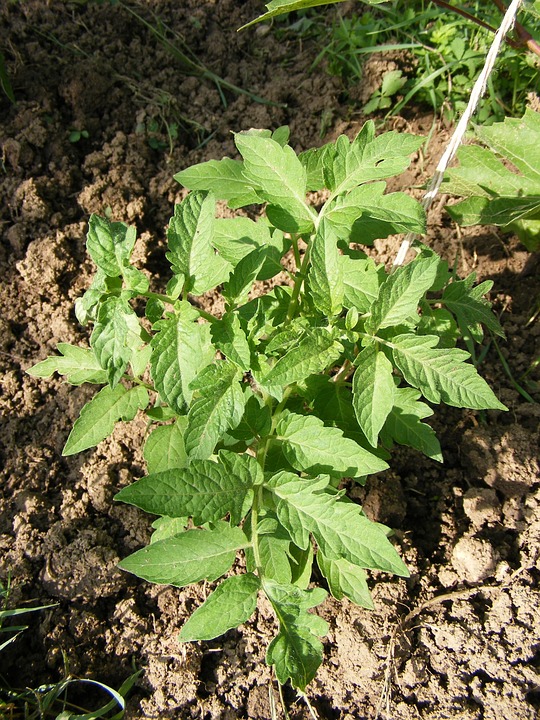
# Embracing Off-Grid Living: The Joys of Sustainable Farming and Gardening
There’s something magical about stepping outside your door, breathing in the crisp morning air, and stepping subtly into your own world of greenery. I remember my first early morning stroll through the garden—dew glistening on the leaves, the gentle rustle of the breeze, and vibrant colors beckoning for attention. It was then that I knew I had found my sanctum, a space where nature and sustainability blended into a nurturing lifestyle. Living sustainably and farming off the grid has become far more than a hobby; it’s a passionate embrace of the simple life and the endless rewards it offers.
## The Allure of Off-Grid Living
In today’s fast-paced society, many individuals crave a return to the basics—less clutter, fewer distractions, and certainly, fresher food. Off-grid living resonates with those seeking an eco-friendly lifestyle while remaining connected to nature. Sustainable farming and gardening present an incredible opportunity to cultivate not only food but also well-being and harmony with the environment.
From hand-pollinating heirloom tomatoes to building your own compost, each endeavor brings satisfaction that store-bought produce can seldom replicate. So, let’s dig deeper into the joy of sustainable farming and discover how you can create your own slice of paradise, regardless of your living situation.
## Starting Your Sustainable Farm
### Choosing Your Space
No matter how small your area may be, there’s always potential for sustainability. Container gardening is a great option for urban dwellers or those with limited yard space. Herbs, tomatoes, and peppers thrive in pots and can be strategically placed on balconies, windowsills, or patios.
For those with a bit more land, consider starting with raised beds. This technique not only prevents soil compaction but also improves drainage and allows for better weed control. Plus, the aesthetics of tidy, elevated garden beds provide an advantage: they’re easy to manage and can become focal points in your landscape.
### Soil Health: The Heart of Your Garden
Healthy soil is the foundation of successful gardening. Conduct a soil test to determine your soil’s pH and nutrient levels. This knowledge will inform your amendments and help ensure your plants thrive.
1. **Mulching**: Utilize organic mulch like straw or wood chips to control weeds, retain soil moisture, and gradually add nutrients back into the earth as it decomposes.
2. **Composting**: Create your own compost bin to recycle kitchen scraps, yard waste, and organic materials. This not only reduces landfill waste but also produces rich soil for your garden.
3. **Crop Rotation**: Alternate crops each season to prevent soil nutrient depletion and reduce pest issues. This practice supports biodiversity, enhancing resilience against disease.
### Selecting Native and Heirloom Plants
Opt for heirloom and native plants as they are often more resilient to local pests and diseases. They also help preserve local biodiversity and provide habitats for beneficial insects. For instance, planting a pollinator-friendly corner garden filled with wildflowers draws bees, butterflies, and other pollinators, benefitting your entire garden.
### Companion Planting
Strategically placing certain plants together improves growth, deters pests, and boosts nutrient availability. For example, the classic “Three Sisters” planting method—corn, beans, and squash—represents a self-supporting ecosystem where each plant benefits from the others’ presence.
## Building a Sustainable Farming System
### Water Management
Water conservation is critical in off-grid farming. Here are some practical approaches:
– **Rainwater Harvesting**: Collect rainwater in barrels to provide irrigation. This enriches plants without straining local water supplies.
– **Drip Irrigation**: Installed drip systems can deliver precise amounts of water directly to the roots, reducing waste and increasing efficiency.
### Pest Control Naturally
Instead of chemical pesticides, employ natural methods:
– **Introduce Beneficial Insects**: Ladybugs, lacewings, and predatory wasps can be effective in managing pest populations.
– **Natural Remedies**: Garlic spray or neem oil can deter common pests. Always test on a small area first to ensure plant health.
### Embracing Crop Diversity
Integrating a variety of crops not only yields a diverse harvest but also minimizes risks related to pests and diseases. Mixed cropping and interplanting allows you to maximize space while sustaining healthy ecosystems.
## Harvesting: The Reward of Your Labor
There’s an undeniable joy that comes when you harvest your own produce. Whether it’s that ruby-red tomato, vibrant squash, or aromatic basil, every bite is a testament to your efforts. Picked at the peak of ripeness, homegrown fruits and vegetables burst with flavor, far exceeding anything from a grocery store.
### Seasonal Enjoyment and Preservation
After harvesting, share your bounty with friends and family. Host a farm-to-table gathering or barter with neighbors. Learning to properly preserve your harvest by canning or freezing extends the joy of your sustainable farm throughout the year.
## The Joy of Living Off the Grid
Ultimately, living sustainably isn’t just about producing food; it’s about connecting with the cycle of life. Incorporating these practices enhances resilience, kindles creativity, and fosters a sense of community. Off-grid living can be rewarding, adventurous, and beneficial for the environment.
### Pro Tips for Sustainable Farming Success
1. **Start Small**: It’s easy to get overwhelmed, so begin with a few essential plants or a small area and gradually expand as you gain experience.
2. **Observe and Adapt**: Spend time watching how plants grow in your specific environment. Adjust based on what conditions favor their health.
3. **Connect with Community**: Join local gardening groups, co-ops, or forums. Share resources, tips, and even seeds to strengthen community bonds.
4. **Stay Educated**: Read books, watch documentaries, and follow reputable blogs about sustainable farming. The more you know, the better you can adapt and thrive.
5. **Celebrate the Seasons**: Embrace the beautiful cycles of nature. Be mindful of seasonal changes and integrate traditional practices like seasonal planting festivals or harvest celebrations.
## In Conclusion
Sustainable farming and gardening open a world of possibility while allowing people to nurture their surroundings and embrace a fulfilling lifestyle. Whether you tend to a single pot of herbs on your balcony or manage an entire plot of land, the principles remain, and so does the joy.
So roll up your sleeves, dig into that soil, and watch as your efforts transition into a lush sanctuary teeming with life, flavor, and happiness. Together, we can cultivate a more sustainable future, one garden at a time!