
# Maximizing Efficiency: How to Choose the Best Solar Panels for Your Home
Morning sun glinted through the leaves of the trees outside, filling my cozy cabin with golden light. As I brewed my morning cup of herbal tea, I felt a rush of gratitude for the solar panels on my roof. They quietly transformed the sun’s energy into electricity, powering every nook and cranny of my off-grid haven. While the idea of harnessing solar energy might seem daunting, it can be an exhilarating journey towards self-sufficiency. Here’s how to choose the best solar panels for your home and maximize their efficiency for a vibrant, independent lifestyle.
## The Basics of Solar Energy
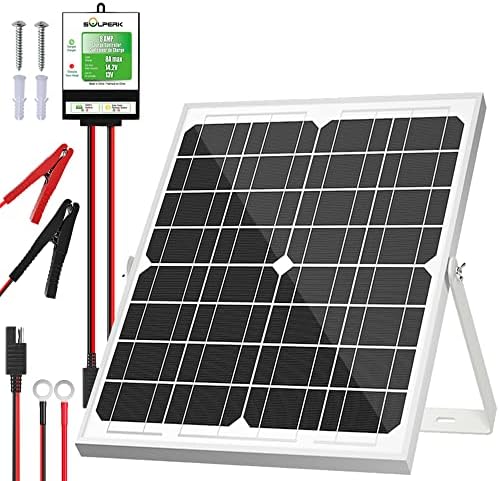
Solar panels convert sunlight into electricity through photovoltaic (PV) cells. When sunlight strikes the PV cells, it excites electrons and creates an electric current. That’s the science vibe—but what does it mean for your house? It means you have the potential to significantly reduce or even eliminate your electric bill while contributing to a cleaner environment!
### Understanding Solar Panel Types
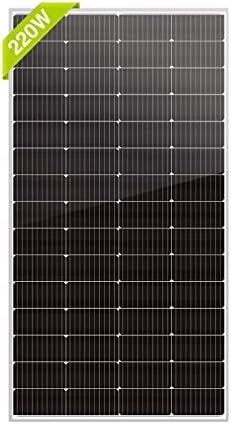
Solar panels primarily come in three types: Monocrystalline, Polycrystalline, and Thin-Film. Each type has its pros and cons, and understanding them will allow you to make an informed decision.
1. **Monocrystalline Solar Panels**
– **Efficiency**: These are the most efficient type, typically converting about 15% to 22% of sunlight into electricity.
– **Lifespan**: They often have a longer lifespan (25 years or more).
– **Space Efficiency**: If you have limited roof space, monocrystalline panels are a great option.
– **Cost**: Generally, they are pricier due to their manufacturing process.
2. **Polycrystalline Solar Panels**
– **Efficiency**: Slightly less efficient than their monocrystalline counterparts, they usually range from 13% to 16%.
– **Cost**: More budget-friendly, making them an excellent choice for those wanting to go solar without breaking the bank.
– **Space**: You’ll need more roof space for the same output compared to monocrystalline.
3. **Thin-Film Solar Panels**
– **Flexibility**: These are lightweight and flexible, which can be a plus if your roof has unique dimensions.
– **Efficiency**: Lower efficiency ratings (about 10% to 12%) mean you need more space for installation.
– **Cost**: Thin-film panels generally come with a lower price tag but may have shorter lifespans and warranties.
### Key Factors to Consider
When choosing solar panels, several factors will influence your decision. Here are the crucial elements:
1. **Energy Needs Assessment**
– Start by calculating your energy consumption. Look at your utility bills from the last year to determine your average monthly usage. This calculation will help you gauge how many panels you’ll need.
2. **Location and Sun Exposure**
– Your geographical location plays a significant role in sunlight exposure. If you live in an area with lots of sunny days, you might not need as many panels. Use tools like solar calculators to estimate energy output based on your local solar irradiance.
3. **Roof Type and Size**
– The condition and angle of your roof are just as important. If your roof is shaded by trees or tall buildings, you may need to adjust your solar panel placement. A south-facing roof is ideal for optimal sun exposure.
4. **Inverter Efficiency**
– The inverter transforms the direct current (DC) electricity generated by your solar panels into alternating current (AC) electricity used in your home. Higher efficiency inverters can convert more energy, thus maximizing your system’s output.
5. **Warranty and Lifespan**
– Check the warranties offered by manufacturers. Most reputable brands offer warranties ranging from 10 to 25 years. Keep in mind that a longer warranty usually indicates a more reliable product.
6. **Cost vs. Value**
– While it’s tempting to go for the cheapest option, consider the long-term savings. High-efficiency panels may cost more upfront but could save you more in energy bills over time.
## Expert Tips: Enhancing Your Solar System Efficiency
Choosing the best solar panels isn’t the end of the journey; you can take steps to maximize efficiency further. Here are some pro tips:
1. **Regular Maintenance**
– Clean your solar panels regularly to ensure maximum output. Dirt, leaves, and snow can obstruct sunlight, reducing efficiency. If you’re in a dusty area, consider more frequent cleanings.
2. **Monitor Performance**
– Invest in a solar monitoring system. This way, you can track energy production and quickly address any drops in performance. Many systems can be monitored right from your smartphone!
3. **Consider Battery Storage**
– Pairing solar panels with a battery storage system allows you to store excess energy for use during cloudy days or nighttime. This can make your system significantly more effective.
4. **Explore Government Incentives**
– Before making any purchases, look into local and federal incentives for solar panel installation. Tax credits and rebates can significantly reduce upfront costs and improve ROI.
5. **Be Weather-Wise**
– Be proactive about seasonal changes in your area. If you live in a snowy climate, ensuring your panels are free from snow buildup can help maintain energy generation in winter months.
6. **Orientation and Tilt Adjustment**
– If you’re considering a ground-mounted array, optimizing the angle of your solar panels for seasonal changes can dramatically improve efficiency.
## Selecting A Quality Supplier
Not all solar panel suppliers are created equal. When choosing where to buy your panels, consider:
1. **Reputation and Reviews**
– Look for well-rated companies with positive reviews. Customer feedback can often reveal much about product reliability and supplier service.
2. **Quality Installation**
– A professional installation will ensure your system operates at optimal efficiency. Check if the installer has appropriate certifications and experience.
3. **Local vs. National Companies**
– Local companies may offer better customer service and quicker response times for maintenance or support. However, larger national companies may provide more extensive warranties.
4. **After-Sales Support**
– Inquire about the customer service options available after your solar panel purchase. A responsive customer service team can be a lifesaver if any issues arise.
## Conclusion
Choosing the best solar panels for your home can be a game-changer, paving the way for a sustainable energy future and a lower electric bill. Immerse yourself in the world of solar energy, understanding the types of panels, key factors at play, and the best way to enhance your system’s efficiency. With each sunlit day, you’ll be empowered to embrace a greener lifestyle, maximizing the potential of renewable energy.
With the right research and planning, solar power can become a significant aspect of your home’s energy infrastructure. So, roll up your sleeves, and let the sun work for you! Happy solar hunting!
### Pro Tips Recap
– Clean and maintain your panels regularly.
– Monitor system performance with solar tracking tools.
– Consider pairing your system with battery storage.
– Explore available government incentives.
– Be mindful of seasonal weather impacts.
– Optimize orientation and tilt whenever possible.
Harness the sun’s energy efficiently, and make a positive impact on both your wallet and the planet!