
# Embrace the Freedom: Living Off the Grid and Loving It
Waking up to the gentle rustle of leaves and the soft chirping of birds instead of an alarm clock is a joy unlike any other. The sun starts to peek through the trees, casting a warm golden glow over my cozy little canvas tent. With a steaming mug of herbal tea in hand, I take a moment to breathe in the fragrant air, free from the hustle and bustle of city life. This isn’t just a lifestyle choice; it’s a vibrant adventure filled with learning experiences, inevitable challenges, and the unparalleled thrill of self-sufficiency.
Living off the grid means breaking free from the constraints of modern living and rediscovering a deep connection to nature. It’s about designing your life around sustainability, simplicity, and adventure. This article dives into the joys and challenges of off-grid living, offers practical tips, and ensures you’re ready to embrace your own slice of untouched paradise.
## The Allure of Off-Grid Living
At its core, off-grid living is appealing for numerous reasons. From the desire to reduce carbon footprints to the call for personal freedom, there are countless motivations for taking this plunge. Imagine a life where you are not reliant on conventional utilities like electricity, gas, or water. Instead, consider the satisfaction of generating your own power through solar panels, drawing water from a nearby stream, and growing your own food. It offers unparalleled independence and a deeper connection to the earth.
### Mindset Shift
Before embarking on this adventure, a shift in mindset is essential. There’s a delicate balance to living off-grid—embracing both the joys and the challenges. It’s not just about running away from society; it’s about choosing to live consciously. Enthusiastically accepting every early morning, every unexpected rainy day, and every twist and turn allows you to appreciate the journey.
## The Essentials: Get Started
Starting your off-grid journey can feel overwhelming, but a little organization will set you on the right path. Here are some essential steps to consider:
### 1. Find Your Patch of Earth
Finding the right location to call home is a critical first step. Whether it’s on a remote mountain, a riverside plot, or a patch of land nestled in a green valley, ensure it feels right to you. Take into account factors like access to clean water, sunlight for solar energy, and the proximity to nature’s bounty for foraging and small-scale farming.
### 2. Understand Local Regulations
Before you dive headfirst into building your haven, familiarize yourself with zoning laws and regulations. Understanding the legalities around land use, water rights, and building codes is crucial. You don’t want to find yourself in a sticky situation down the line, especially when you’re aiming for a life of freedom.
### 3. Design Your Off-Grid Home
Designing your dwelling is an exciting phase! Whether you prefer a snug tiny house, a rustic cabin, or a high-tech eco-home, the options are abundant. Keep sustainability in mind by using natural materials, repurposing old structures, or even opting for yurts and geodesic domes that blend seamlessly into nature.
#### Pro Tip
Incorporate passive solar design elements to maximize natural light and heating. Well-placed windows can drastically reduce your energy needs!
## Powering Your Life
One of the most liberating aspects of off-grid living is generating your own power. Here are some common methods people use:
### Solar Energy
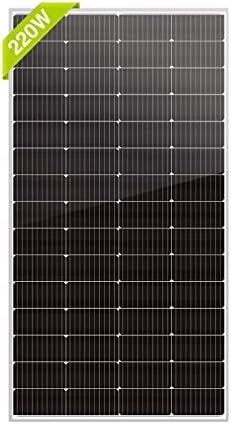
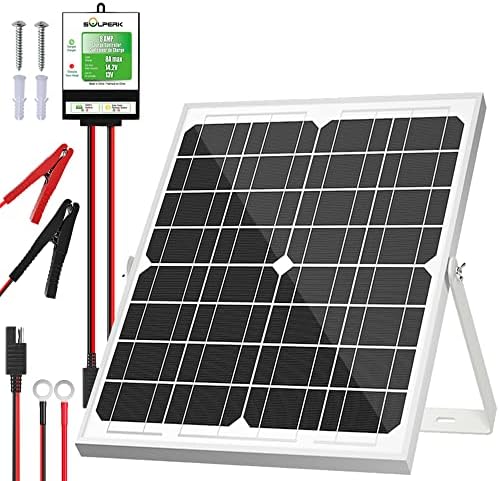
Solar panels have become a staple for many off-grid homes. They harness the sun’s rays and convert them into electrical energy, allowing you to power lights, appliances, and devices. Installing a solar system can have a higher upfront cost, but the long-term savings and environmental benefits are substantial.
### Wind and Water Power
If you live in a windy area, a small wind turbine can supplement your energy needs. Alternatively, if there’s a flowing stream nearby, consider investing in a micro-hydro generator. These systems can provide substantial power with minimal effort.
#### Pro Tip
Always calculate your energy needs, and choose a mix of energy sources to ensure reliability. Having a backup generator or battery storage system can be a lifesaver during unexpected dips in energy production.
## Water: The Essence of Life
Access to clean water is vital for survival. Depending on your land’s resources, you can develop various systems:
### Rainwater Harvesting
Collecting rainwater is an efficient way to gather water. Install gutters and barrels to channel rainwater from your roof into storage tanks. Remember to filter and purify your water before use.
### Wells and Springs
If your land permits, drilling a well can provide a sustained water supply. Alternatively, if you’re lucky enough to have access to a clean spring, it can be a fantastic source of water.
#### Pro Tip
Invest in a water filtration system to ensure the purity of your water, especially if using it for drinking and cooking!
## Growing Your Own Food
One of the most rewarding aspects of off-grid living is growing your own food. Not only does it provide sustenance, but it cultivates a deep appreciation for nature’s cycles. Here’s how to start:
### Start Small
If you’re new to gardening, start with a few easy-to-grow crops like tomatoes, radishes, or greens. Build up your skills, and over time, expand into more diverse and challenging plants.
### Companion Planting
Learn about companion planting—growing plants that benefit one another when planted together. This technique can help naturally pest-proof your garden while maximizing yields.
#### Pro Tip
Consider permaculture principles to create a self-sustaining ecosystem. Incorporating native plants and observing natural patterns can save work while enhancing productivity.
## Connecting with Community
Living off the grid doesn’t mean living in isolation. Building connections with fellow off-grid enthusiasts fosters a sense of community and offers support when challenges arise. Here are some easy ways to connect:
### Attend Workshops
Participate in local workshops, courses, and meetups focusing on off-grid living. Many communities offer classes on homesteading, permaculture, and self-sufficiency practices.
### Join Online Forums
The internet can be a robust resource. Join forums and social media groups dedicated to off-grid living. Sharing experiences and tips with like-minded individuals will help you navigate challenges and celebrate successes.
### Trade Skills
In off-grid communities, skills can often be traded or bartered. Whether you’re excellent at woodworking, gardening, or cooking, sharing your talents fosters bonding and enhances collective skills.
## Challenges to Overcome
While living off the grid is immensely fulfilling, it doesn’t come without its challenges. Here are common issues and how to approach them:
### Isolation
Being away from urban centers can lead to feelings of isolation. To counteract this, regularly schedule visits to nearby towns or invite friends from the “outside” to visit. Balance is key!
### Resource Management
While it’s empowering to rely on your resources, it can also pose challenges. Managing water, energy, and food supplies will require planning and foresight. Keep detailed records and adjust based on experiences.
### Weather Dependence
Mother Nature has her own plans, and that can impact your off-grid lifestyle significantly. Make preparations for harsh weather by stockpiling essentials and investing in sturdy structures designed to withstand local climates.
### Skills Development
Discovering how to fix a generator or troubleshoot a solar panel system is vital. Embrace the learning curve, and remember: each difficulty is an opportunity for personal growth.
## The Joy of Freedom
Living off the grid is not just about survival; it’s about embracing freedom. The autonomy to shape your daily life, prioritize what truly matters, and cultivate a profound connection with nature creates an enriching lifestyle.
From cooking up a feast with homegrown ingredients to enjoying an evening with friends around a campfire, the experiences are limitless. Every individual’s journey will be unique, influenced by personal goals, challenges, and dreams.
### Conclusion
Stepping into the world of off-grid living opens up a life filled with adventure, creativity, and fulfillment. Although it might seem daunting at first, the rewards far outweigh the challenges. As you craft your own haven away from the hustle of modern life, your connection to nature, yourself, and your community will deepen immeasurably.
### Pro Tips Recap:
– Embrace a mindset shift; welcome challenges as part of the journey.
– Choose the right location and understand local regulations to avoid pitfalls.
– Generate your own power through a combination of solar, wind, and water systems.
– Ensure access to clean water with systems like rainwater harvesting and filtration.
– Grow food sustainably and connect with the community to foster support and learning.
Let the wind guide your sails on this open sea of off-grid living, and may your journey be filled with joy and discovery!