
admin

farming and gardening

Sustainable Farming: Preserving the Environment for Future Generations

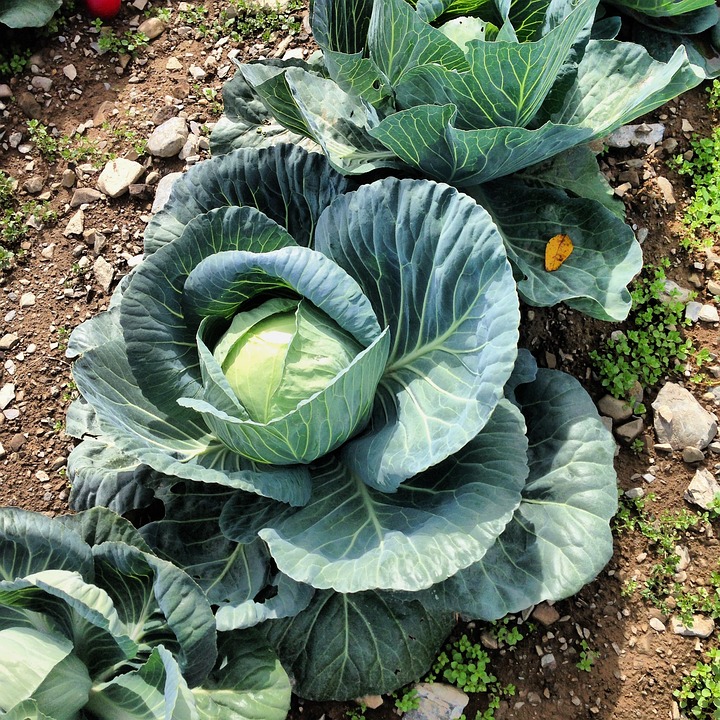
Sustainable Farming: Preserving the Environment for Future Generations Living off the grid has been an incredible experience for me. It has taught me the importance of living in harmony with nature and prioritizing sustainable practices in everything I do. One of the most rewarding aspects of living off the grid for me has been sustainable farming and gardening. The ability to grow my own food using environmentally-friendly methods has not only allowed me to become more self-sufficient, but it has also given me a deep appreciation for the Earth and its resources. Sustainable farming is more than just a way of growing food, it’s a way of life that preserves the environment for future generations. What is Sustainable Farming? Sustainable farming, also known as sustainable agriculture, is a method of farming that focuses on producing food in a way that is environmentally friendly, socially responsible, and economically viable. This approach to farming prioritizes the long-term health of the soil, water, and air, as well as the well-being of farm workers, their communities, and animals. Sustainable farming practices strive to minimize the use of synthetic inputs such as pesticides and fertilizers, reduce energy consumption, and promote biodiversity. Why is Sustainable Farming Important? The current industrial farming practices have led to environmental degradation, soil erosion, water pollution, and loss of biodiversity. The heavy use of chemical fertilizers and pesticides has also led to a decline in soil health, which is essential for the long-term productivity of the land. Sustainable farming addresses these issues by using methods that promote soil health, conserve water, and protect the ecosystem. By prioritizing sustainable farming, we can preserve the environment for future generations and ensure that we have a healthy planet to live on. Sustainable Farming Practices to Adopt There are many sustainable farming practices that you can adopt to preserve the environment while growing your own food. Some of these practices include: 1. Organic Farming: Organic farming focuses on using natural fertilizers such as compost, manure, and crop rotation to build healthy soil and control pests. By avoiding synthetic pesticides and fertilizers, organic farming reduces chemical pollution and promotes biodiversity. 2. Permaculture: Permaculture is a design system that seeks to integrate human activities with natural ecosystems to create sustainable, self-sufficient environments. This approach to farming focuses on mimicking natural patterns and using regenerative techniques to create productive and resilient landscapes. 3. No-Till Farming: By practicing no-till farming, you can minimize soil erosion, conserve water, and improve soil health. No-till farming involves planting crops without disturbing the soil, which helps to preserve its structure and organic matter. 4. Agroforestry: Agroforestry combines trees and shrubs with crops and livestock to create diverse and sustainable agricultural systems. By integrating trees into farming practices, agroforestry can provide shade, wind protection, and nutrient cycling, while also sequestering carbon and enhancing biodiversity. Pro Tips for Sustainable Farming 1. Start Small: If you’re new to sustainable farming, it’s best to start small and gradually expand your operations. This will allow you to learn and adapt to sustainable practices without becoming overwhelmed. 2. Embrace Diversity: Embracing diversity in your farming practices can help to create a more resilient and productive system. By planting a variety of crops and creating diverse habitats, you can support a wide range of beneficial organisms and reduce the risk of crop failures. 3. Work with Nature: One of the key principles of sustainable farming is to work with nature rather than against it. By observing and understanding natural patterns and processes, you can design farming systems that are more in harmony with the environment. In conclusion, sustainable farming is a crucial practice that we should all strive to adopt. By prioritizing environmental preservation and implementing sustainable farming practices, we can ensure a healthier future for the planet and for future generations. Whether you have acres of land or just a small backyard, there are countless ways to incorporate sustainable farming and gardening into your life. Let’s work together to preserve the environment and create a more sustainable food system for all.


travel

Preserving Paradise: Sustainable Practices to Protect Fragile Ecosystems

Preserving Paradise: Sustainable Practices to Protect Fragile Ecosystems As a passionate advocate for sustainable travel and tourism, I have had the privilege of exploring some of the world’s most pristine and beautiful environments. From the crystal-clear waters of the Maldives to the lush rainforests of Costa Rica, I have witnessed firsthand the incredible natural beauty that our planet has to offer. However, I have also seen the devastating impact that irresponsible tourism can have on these fragile ecosystems. It is our responsibility as travelers to ensure that we are preserving paradise for future generations to enjoy. In this article, I will share some sustainable practices that you can adopt to help protect the fragile ecosystems that make our planet so special. One of the most important things to consider when traveling to a fragile ecosystem is your choice of accommodation. Opting for eco-friendly accommodation options such as ecolodges, sustainable resorts, or eco-villages can significantly reduce your environmental impact. These types of accommodations are designed to minimize their carbon footprint, protect and preserve the local environment, and support the surrounding communities. Not only does staying at an eco-friendly accommodation provide a unique and authentic experience, but it also allows you to contribute to the preservation of paradise. Another crucial aspect of sustainable travel is minimizing your waste and consumption. When visiting fragile ecosystems, it is essential to be conscious of the resources you are using and the waste you are generating. By reducing your use of single-use plastics, conserving water, and practicing responsible waste management, you can significantly lessen your impact on the environment. Additionally, supporting local markets and businesses that prioritize sustainability can further contribute to the preservation of paradise. Transportation is an area where many travelers unknowingly contribute to environmental degradation. Instead of opting for carbon-intensive modes of transportation such as planes or cruise ships, consider seeking out more sustainable options. Utilizing public transportation, walking, cycling, and carpooling are all eco-friendly alternatives that can help reduce your carbon footprint. Additionally, offsetting your carbon emissions through reputable organizations can help mitigate the environmental impact of your travel. Engaging in responsible wildlife viewing is paramount when visiting fragile ecosystems. It is crucial to respect the natural habitats and behavior of the wildlife you encounter and to avoid supporting activities that exploit or harm animals. Seek out ethical wildlife experiences that prioritize conservation and promote education and awareness. By participating in responsible wildlife tourism, you can help protect the delicate balance of these ecosystems and contribute to the preservation of paradise. Supporting initiatives and organizations that are dedicated to the conservation of fragile ecosystems can make a significant difference. Whether through donations, volunteering, or educational outreach, there are numerous ways to get involved in sustainable tourism efforts. By contributing to the protection and restoration of these ecosystems, you are actively participating in the preservation of paradise for future generations to enjoy. Pro Tips from the Article: 1. Embrace slow and sustainable travel, focusing on quality over quantity. 2. Prioritize experiences that allow you to connect with nature and the local community, avoiding mass tourism hotspots. 3. Educate yourself on the environmental and cultural significance of the destinations you visit, fostering a deeper appreciation and understanding of their value. In conclusion, it is essential for travelers to adopt sustainable practices when visiting fragile ecosystems. By choosing eco-friendly accommodations, minimizing waste and consumption, utilizing sustainable transportation, engaging in responsible wildlife viewing, and supporting conservation initiatives, you can actively contribute to the preservation of paradise. Through conscious and responsible travel, we can ensure that these precious environments remain intact for generations to come. Let’s work together to protect and preserve the natural wonders of our planet.

farming and gardening

How Sustainable Agriculture is Revolutionizing Farming Methods

Sustainable agriculture has been a passion of mine for many years now, ever since I made the decision to live off the grid and embrace a more self-sufficient way of life. As someone who has dedicated myself to sustainable farming and gardening, I have witnessed firsthand the transformative power of sustainable agriculture on traditional farming methods. The shift towards more sustainable practices is not only revolutionizing the way we grow our food, but it is also paving the way for a healthier, more environmentally-friendly future. In this article, we will explore the various ways in which sustainable agriculture is revolutionizing farming methods, and how it has the potential to shape the future of food production. One of the key aspects of sustainable agriculture is its focus on conservation and preservation of natural resources. Traditional farming methods often rely heavily on synthetic fertilizers and pesticides, which can have detrimental effects on soil health and water quality. In contrast, sustainable agriculture emphasizes the use of natural fertilizers, crop rotation, and integrated pest management to promote healthier ecosystems and reduce the negative impact on the environment. By adopting these practices, farmers are able to minimize their reliance on harmful chemicals and preserve the natural balance of their local ecosystems. Another significant aspect of sustainable agriculture is its emphasis on biodiversity and crop rotation. Traditional farming methods often prioritize monoculture, where a single crop is grown on the same piece of land year after year. This can lead to soil depletion, increased susceptibility to pests and diseases, and the loss of genetic diversity. In contrast, sustainable agriculture encourages farmers to rotate their crops and embrace a more diverse range of plant species. This not only helps to improve soil quality and fertility but also reduces the need for chemical inputs and promotes a healthier, more balanced ecosystem. In addition to promoting biodiversity, sustainable agriculture also places a strong emphasis on soil health and conservation. Healthy soil is the foundation of a successful farm, and sustainable agriculture seeks to build and maintain soil fertility through the use of cover crops, compost, and organic matter. By adopting these practices, farmers can improve soil structure, water retention, and nutrient availability, ultimately leading to healthier and more productive crops. In addition, healthy soil is better able to sequester carbon from the atmosphere, making sustainable agriculture an effective tool in the fight against climate change. Sustainable agriculture also encourages the use of renewable energy sources and innovative technologies to reduce the carbon footprint of farming operations. From solar panels and wind turbines to precision irrigation and drone technology, sustainable agriculture is leading the way in harnessing the power of renewable energy and cutting-edge innovation to improve efficiency and reduce environmental impact. By embracing these technologies, farmers are able to reduce their reliance on fossil fuels and minimize the emissions associated with traditional farming methods. Pro Tips: – Embrace diversity in your garden or farm by planting a variety of crops and incorporating native plants to support local wildlife. – Practice soil conservation by incorporating organic matter, using cover crops, and minimizing tillage to promote healthy, nutrient-rich soil. – Explore renewable energy options such as solar panels or wind turbines to power your farming operations and reduce your environmental footprint. In conclusion, sustainable agriculture is revolutionizing farming methods in ways that are benefiting both the environment and the farmers themselves. By prioritizing conservation, biodiversity, and innovation, sustainable agriculture has the potential to shape a more sustainable and resilient future for food production. As someone who is deeply passionate about sustainable farming and gardening, I am thrilled to see the positive impact that sustainable agriculture is having on the world, and I am excited to continue supporting and promoting these transformative practices.

solar panels

The Economics of Solar Power: Saving Money while Saving the Planet

Living off the grid has been an incredible experience for me, and one of the most exciting aspects has been exploring the world of solar power. For years, I’ve relied on the sun to power my home and provide electricity, and it’s been a game-changer in so many ways. Not only does solar power offer an environmentally friendly way to generate energy, but it’s also been a huge money-saver. In fact, I’ve discovered that the economics of solar power are not only beneficial for the planet, but they can also have a positive impact on your wallet. If you’re curious about how solar power can save you money while also helping to save the planet, read on for some eye-opening insights and tips from my own experiences. The first and most obvious benefit of solar power is the reduction in your electricity bills. When you’re living off the grid, every dollar counts, and I quickly realized that traditional energy expenses were eating into my budget. By harnessing the power of the sun, I’ve significantly reduced my reliance on the grid and have seen a major decrease in my monthly energy costs. In fact, I’ve saved thousands of dollars over the years by making the switch to solar, and it’s been incredibly liberating to free myself from the burden of high electricity bills. But the cost savings don’t stop there. With advancements in solar technology, the initial investment in solar panels and installation has become more affordable than ever. When I first started my journey off the grid, I was pleasantly surprised to find that the cost of solar panels had significantly decreased, making it a more accessible option for many homeowners. Additionally, there are various incentives and tax credits available for those who choose to invest in solar power, further reducing the upfront expenses and making it a financially viable choice for many people. Another economic benefit of solar power is the potential for earning money through net metering. Net metering allows you to sell excess energy generated by your solar panels back to the grid, creating a source of passive income. This means that not only can you drastically reduce your electricity bills, but you can also potentially earn money by producing more energy than you use. It’s a win-win situation that adds an extra layer of financial incentive to making the switch to solar power. Furthermore, solar power can increase the value of your home. As more and more people become environmentally conscious and seek out eco-friendly living options, a home with solar panels is increasingly appealing to potential buyers. Studies have shown that homes with solar power systems sell faster and at a higher price than those without, meaning that your investment in solar energy can pay off in the long run should you decide to sell your home in the future. But perhaps the most impactful benefit of solar power is the positive impact it has on the environment. By reducing your reliance on fossil fuels and lowering your carbon footprint, you’re contributing to a healthier, cleaner planet for future generations. As someone who has personally witnessed the effects of climate change, this aspect of solar power has been especially rewarding for me. Knowing that I’m doing my part to protect the environment while also saving money has made the switch to solar power an incredibly fulfilling experience. Now that I’ve outlined the many benefits of solar power, let’s dive into some pro tips to help you make the most of this sustainable energy source. Pro Tip #1: Do Your Research – Before making the switch to solar power, take the time to research different solar panel options, installation companies, and financing options. By understanding the various choices available to you, you can make an informed decision that aligns with your budget and energy needs. Pro Tip #2: Maximize Your Energy Efficiency – In conjunction with solar power, consider implementing energy-efficient appliances and practices in your home to further reduce your energy usage and maximize your cost savings. Simple changes such as switching to LED bulbs or investing in energy-efficient appliances can make a significant difference in your overall energy consumption. Pro Tip #3: Take Advantage of Incentives – Be sure to explore the various incentives and tax credits available for solar power in your area. These incentives can significantly offset the initial cost of installation and make solar power an even more attractive economic choice. In conclusion, the economics of solar power are not only beneficial for saving money, but they also hold immense potential for making a positive impact on the environment. By harnessing the power of the sun, you can lower your energy bills, potentially earn money through net metering, increase the value of your home, and contribute to a cleaner, healthier planet. That’s a win-win in my book, and I can’t recommend making the switch to solar power enough. So, if you’re considering going off the grid or simply exploring sustainable energy options, I encourage you to take a closer look at the incredible benefits of solar power. It’s a decision that can truly change your life for the better, both economically and environmentally.

farming and gardening

Practical Ways to Embrace Sustainable Gardening in Your Home

Are you looking for practical ways to embrace sustainable gardening in your home? Whether you’re an experienced gardener or a beginner looking to reduce your carbon footprint, there are plenty of simple and fun ways to incorporate sustainable practices into your gardening routine. As someone who has spent years living off the grid and cultivating a love for sustainable farming and gardening, I’m excited to share some of my favorite tips and techniques for creating a more eco-friendly garden space right in your own backyard. One of the most important aspects of sustainable gardening is creating a healthy and productive ecosystem for your plants to thrive in. By considering the natural environment, soil health, water conservation, and energy usage, you can make a positive impact on the planet and enjoy a bountiful harvest of fruits, vegetables, herbs, and flowers. Get ready to roll up your sleeves and get your hands dirty – it’s time to dive into the world of sustainable gardening! Starting With The Basics: Creating a Healthy Soil Ecosystem One of the key foundations of sustainable gardening is building and maintaining healthy soil. After all, healthy soil leads to healthy plants, and healthy plants contribute to a healthy planet. To start, consider composting your kitchen scraps, yard waste, and other organic materials to create nutrient-rich soil. Not only does this reduce the amount of waste that ends up in landfills, but it also provides a free and sustainable source of fertilizer for your garden. You can also integrate cover crops, such as clover or legumes, into your garden beds to improve soil structure, prevent erosion, and suppress weeds. Pro Tip: Consider incorporating a worm composting system into your garden routine to create high-quality compost and organic fertilizer. Red wigglers are excellent for breaking down organic material and producing nutrient-rich worm castings, also known as “black gold” for your garden. Choosing Plants Wisely: Opting for Native and Pollinator-Friendly Species When planning your garden, it’s important to choose plants that are well-suited to your local climate and soil conditions, and that don’t require excessive water or chemical inputs to thrive. Native plants are a great choice for sustainable gardening, as they are naturally adapted to your area and can support local wildlife. Additionally, consider incorporating pollinator-friendly plants, such as milkweed, coneflowers, and bee balm, to attract and nourish beneficial insects like bees, butterflies, and hummingbirds. Pro Tip: Visit your local botanical garden or native plant nursery to learn more about the best plant species for sustainable gardening in your region. You can also connect with local gardening clubs and online communities to exchange seeds, cuttings, and knowledge about growing native and pollinator-friendly plants. Conserving Water: Implementing Efficient Irrigation Techniques Water is a precious resource, and practicing sustainable gardening means being mindful of how much water we use in our gardens. To conserve water, consider installing a rain barrel to collect rainwater for irrigation, using drip irrigation systems to deliver water directly to the roots of your plants, and mulching garden beds to retain moisture and suppress weeds. You can also group plants with similar water needs together and adjust your watering schedule based on the weather and seasonal changes. Pro Tip: Teach yourself to recognize the signs of overwatering and underwatering in your plants, and adjust your watering practices accordingly. For example, excessively wilted or yellowing leaves may indicate overwatering, while drooping leaves and dry soil may indicate underwatering. Embracing Organic Pest Management: Nurturing Natural Predators and Partnerships Instead of reaching for chemical pesticides and herbicides when pests and diseases strike, consider employing natural methods of pest management to protect your garden. Encourage beneficial insects, such as ladybugs, lacewings, and predatory wasps, to take up residence in your garden by planting diverse and nectar-rich flowers. You can also integrate companion plants, such as marigolds, nasturtiums, and garlic, to deter pests and attract helpful insects. Additionally, practicing crop rotation, planting disease-resistant varieties, and hand-picking pests can help keep your garden healthy and balanced. Pro Tip: Learn to identify common garden pests and beneficial insects by observing their behavior and the damage they cause. Educate yourself about ecological pest management techniques, and be patient as natural predators and partnerships build over time. Maximizing Space and Resources: Implementing Vertical Gardening and Upcycling Even if you have limited space or resources, there are creative ways to maximize productivity and sustainability in your garden. Consider implementing vertical gardening techniques, such as trellising, hanging planters, and vertical towers, to make the most of your available space and encourage air circulation and sunlight exposure. You can also upcycle and repurpose materials, such as pallets, containers, and old tires, to create raised beds, compost bins, and other functional elements for your garden. Pro Tip: Get creative with repurposing household items and salvaged materials to build garden structures, planters, and decorative features. Not only does this reduce waste and save money, but it also adds a personal touch to your sustainable garden space. In conclusion, sustainable gardening offers numerous benefits, both for the environment and for your own well-being. By focusing on healthy soil, native and pollinator-friendly plants, water conservation, organic pest management, and resource efficiency, you can contribute to a more resilient and regenerative ecosystem right in your own backyard. With a little creativity, patience, and dedication, you can enjoy the rewards of sustainable gardening while making a positive impact on the planet. Get ready to dig in and cultivate a garden that nourishes your body, soul, and the earth!

travel

Choosing Wisely: How Sustainable Tourism Can Make a Difference in the World

Choosing Wisely: How Sustainable Tourism Can Make a Difference in the World As someone who has spent years living off the grid, I have always been passionate about sustainable travel and tourism. I believe that the way we choose to travel can have a huge impact on the world around us. With the rise of climate change and environmental concerns, it is more important than ever to consider the impact of our travel choices. Sustainable tourism is all about making choices that are good for the environment, as well as for local communities and economies. In this article, I will delve into the importance of sustainable tourism and how you can make a difference through your travel choices. The impact of traditional tourism Traditional tourism has often been associated with negative impacts on the environment, culture, and economy of the destinations visited. Mass tourism can lead to overdevelopment, destruction of natural habitats, and pollution. Local resources may be depleted to accommodate the needs of tourists, and there can be a significant strain on local infrastructure and services. Additionally, traditional tourism can lead to a loss of cultural authenticity and a displacement of local residents. The rise of sustainable tourism Thankfully, the concept of sustainable tourism has been gaining traction in recent years. Sustainable tourism seeks to minimize the negative impact of travel on the environment and local communities, while maximizing the benefits to those same communities. This can include supporting local businesses, preserving natural resources, and engaging in cultural exchange. Sustainable tourism also emphasizes responsible travel practices, such as reducing waste, conserving energy, and respecting local customs and traditions. The importance of sustainable tourism Sustainable tourism is crucial for a variety of reasons. Firstly, it helps to protect the environment and preserve natural resources for future generations. By choosing sustainable travel options, we can help to reduce our carbon footprint and minimize our impact on fragile ecosystems. Secondly, sustainable tourism can have a positive impact on local communities. By supporting local businesses and engaging in cultural exchange, travelers can contribute to the economic development and preservation of traditional practices. Lastly, sustainable tourism can also enhance the overall travel experience, allowing travelers to connect more authentically with their destinations. How to be a sustainable traveler There are many ways in which you can be a sustainable traveler and make a positive impact through your travel choices. Here are some pro tips to keep in mind: 1. Choose eco-friendly accommodation: When booking your accommodation, look for hotels or guesthouses that have sustainable practices in place, such as energy-efficient lighting, water conservation measures, and waste reduction initiatives. 2. Support local businesses: Instead of dining at chain restaurants or shopping at big-name stores, seek out local eateries, markets, and shops. Not only will you get a more authentic experience, but you will also be supporting the local economy. 3. Reduce your carbon footprint: Consider ways to minimize your impact on the environment, such as opting for non-stop flights, using public transportation, and choosing walking or biking as your primary mode of transportation. 4. Respect local customs: Take the time to learn about the culture and customs of the destinations you visit, and make an effort to respect and honor them. This can include dressing appropriately, learning a few key phrases in the local language, and being mindful of local traditions. 5. Conserve resources: Be conscious of your water and energy usage while traveling. Simple actions such as turning off lights and air conditioning when not in use, and reusing towels and linens can go a long way in conserving resources. By incorporating these practices into your travels, you can make a meaningful difference in the world and promote the growth of sustainable tourism. Conclusion Sustainable tourism is not just a passing trend – it is a crucial movement that has the power to make a lasting impact on the world. By choosing to travel sustainably, we can protect the environment, support local communities, and enhance our travel experiences. As travelers, we have the opportunity to be mindful of our impact, make responsible choices, and contribute to a more sustainable and vibrant world. So, the next time you plan your travels, remember to choose wisely and opt for sustainable tourism. Together, we can make a difference.

solar panels

Breaking Down the Cost of Solar Panels: Is it Worth the Investment?

Breaking Down the Cost of Solar Panels: Is it Worth the Investment? I remember the first time I made the decision to invest in solar panels for my off-grid living situation. It was a big leap of faith, and it required some serious number crunching to determine if the investment would be worth it in the long run. Now, having lived off the grid for several years and having seen the impact of solar panels on my energy consumption and overall quality of life, I can confidently say that the decision to go solar was one of the best I’ve ever made. In this article, I want to break down the cost of solar panels and help you determine if it’s worth the investment for your own off-grid living situation. The Cost of Solar Panels When it comes to the cost of solar panels, there are a few key factors to consider. These include the initial cost of the panels themselves, installation costs, and the potential for savings in the long run. The initial cost of solar panels can vary widely depending on the size and type of system you choose. On average, you can expect to spend anywhere from $10,000 to $30,000 for a complete solar panel system. Installation costs can also add to the overall expense, but many off-grid dwellers choose to install the panels themselves to save money. Pro Tips: When calculating the cost of solar panels, be sure to take into account any potential rebates, tax incentives, or credits that may be available to you. These can significantly reduce the initial investment and make the long-term savings even more substantial. The Potential for Savings One of the biggest factors to consider when determining if solar panels are worth the investment is the potential for savings. In my own experience, I’ve found that solar panels have more than paid for themselves over time. By harnessing the power of the sun, I’ve been able to drastically reduce my reliance on traditional fuel sources, which has led to significant savings on my energy bills. In fact, some months I’ve been able to produce more energy than I use, allowing me to sell the excess back to the grid and make a profit. Pro Tips: When considering the potential for savings, be sure to factor in the long-term cost of traditional energy sources. As energy prices continue to rise, the savings from solar panels will only become more substantial over time. The Environmental Impact Beyond the financial savings, investing in solar panels also has a positive impact on the environment. By reducing your reliance on traditional energy sources, you’re effectively reducing your carbon footprint and helping to combat climate change. This was a big factor in my own decision to go solar, and it’s a decision I’ve never regretted. Pro Tips: Consider the long-term environmental impact when weighing the cost of solar panels. The positive impact on the planet is an important factor to consider when determining if the investment is worth it. The Bottom Line In the end, the decision to invest in solar panels for off-grid living is a highly personal one. It requires careful consideration of the initial cost, the potential for savings, and the environmental impact. For me, the decision to go solar has been one of the best I’ve ever made. Not only have I seen significant savings on my energy bills, but I’ve also been able to make a positive impact on the environment. If you’re considering making the switch to solar, I encourage you to do your research, crunch the numbers, and consider the long-term benefits. In my experience, the investment is more than worth it. In conclusion, breaking down the cost of solar panels is an important step in determining if they’re worth the investment for off-grid living. Consider the initial cost, the potential for savings, and the environmental impact, and weigh the long-term benefits against the upfront expense. In my own experience, the decision to invest in solar panels has been one of the best I’ve ever made, and I encourage you to consider the potential benefits for your own off-grid living situation.

farming and gardening

Grow Your Own Sustainable Garden With These Environmentally Friendly Plants

Grow Your Own Sustainable Garden With These Environmentally Friendly Plants Living off the grid has always been a dream of mine, and sustainable farming and gardening have become a passion of mine over the years. There’s something truly satisfying about growing your own food and knowing that it’s been done in an environmentally friendly way. If you’re looking to start your own sustainable garden, then you’ve come to the right place. In this article, I’ll be sharing some environmentally friendly plants that are perfect for sustainable gardening. From fruits and vegetables to herbs and flowers, there’s a wide variety of plants that you can grow in your sustainable garden. So, let’s get started! Fruits When it comes to sustainable gardening, fruits are a great addition to any garden. Not only are they delicious and nutritious, but they also provide a natural source of sweetness without the need for artificial sugars. Some environmentally friendly fruits to consider growing in your garden include: – Berries: Strawberries, blueberries, raspberries, and blackberries are all easy to grow and require minimal maintenance. They’re also packed with antioxidants and vitamins, making them a great addition to your diet. – Apples: Apples are a staple fruit that can be used in a variety of dishes, from pies to salads. They also store well, so you can enjoy them throughout the year. – Citrus fruits: Lemons, oranges, and limes are all great options for sustainable gardening. They’re not only delicious but also high in vitamin C, making them a great addition to your diet. Vegetables Growing your own vegetables is one of the most sustainable ways to feed your family. Not only are they packed with essential nutrients, but they also require minimal transportation and packaging. Some environmentally friendly vegetables to consider growing in your garden include: – Tomatoes: Tomatoes are easy to grow and can be used in a variety of dishes. They’re also high in lycopene, a powerful antioxidant that has been linked to numerous health benefits. – Leafy greens: Lettuce, spinach, and kale are all great options for sustainable gardening. They’re packed with essential vitamins and minerals, making them a great addition to any meal. – Root vegetables: Carrots, beets, and radishes are all easy to grow and store well. They’re also packed with fiber, making them a great addition to your diet. Herbs Herbs are a great addition to any sustainable garden. Not only do they add flavor to your dishes, but they also have numerous health benefits. Some environmentally friendly herbs to consider growing in your garden include: – Basil: Basil is a versatile herb that can be used in a variety of dishes, from pasta to salads. It’s also packed with essential nutrients, such as vitamin K and iron. – Rosemary: Rosemary is a fragrant herb that is great for seasoning meats and vegetables. It’s also high in antioxidants, making it a great addition to your diet. – Mint: Mint is a refreshing herb that can be used in both sweet and savory dishes. It’s also high in antioxidants and has been linked to numerous health benefits. Flowers While flowers may not be typically associated with sustainable gardening, there are actually several environmentally friendly options that can be grown in your garden. Some environmentally friendly flowers to consider growing in your garden include: – Sunflowers: Sunflowers are not only beautiful to look at, but they also provide seeds that can be roasted and eaten. They’re also great for attracting bees and other pollinators to your garden. – Lavender: Lavender is a fragrant flower that can be used in a variety of dishes, from baked goods to teas. It’s also known for its calming and soothing properties. – Marigolds: Marigolds are not only beautiful to look at, but they also repel pests and attract beneficial insects to your garden. They’re also edible and can be used in salads and soups. Pro Tips – Start small: If you’re new to sustainable gardening, it’s best to start small and gradually expand your garden as you gain experience. – Companion planting: Certain plants can benefit from being grown together, so do some research on companion planting to maximize the productivity of your garden. – Utilize compost: Instead of using chemical fertilizers, consider utilizing compost to nourish your plants. It’s a natural and sustainable way to improve the fertility of your soil. In conclusion, there are countless environmentally friendly plants that you can grow in your sustainable garden. Whether you’re interested in fruits, vegetables, herbs, or flowers, there’s a wide variety of options to choose from. By growing your own food in an environmentally friendly way, you’ll not only reduce your carbon footprint but also enjoy the satisfaction of knowing exactly where your food comes from. So, roll up your sleeves and get ready to grow your own sustainable garden!

travel

Setting the Bar Higher: Innovative Sustainable Travel Examples Redefining the Tourism Industry

Setting the Bar Higher: Innovative Sustainable Travel Examples Redefining the Tourism Industry Imagine this: You’re in a remote jungle, surrounded by lush greenery and the sounds of nature. You’re sipping on a refreshing drink made from local, organic ingredients, and you’re staying in a beautifully designed eco-lodge that blends in seamlessly with the environment. This isn’t a far-off dream, but a reality that is being embraced by a growing number of travelers and tourism companies around the world. As an expert in sustainable travel and tourism, I’ve had the opportunity to witness firsthand the incredible transformations taking place within the industry. From eco-friendly hotels to community-based tourism initiatives, there are countless examples of individuals and businesses setting the bar higher and redefining what it means to travel in a sustainable manner. In this article, we’ll explore some of the most innovative sustainable travel examples that are not only reshaping the tourism industry but also inspiring others to do the same. Eco-lodges: Embracing Sustainable Design One of the most exciting developments in sustainable travel is the rise of eco-lodges that are designed to have minimal impact on the environment. These are not your typical bare-bones accommodations, but rather beautifully crafted, sustainable buildings that offer an immersive and authentic experience for travelers. From solar-powered to composting toilets, eco-lodges are leading the way in demonstrating that luxury and sustainability can go hand in hand. One standout example is the Mashpi Lodge in the cloud forest of Ecuador. The lodge is a model of sustainable design, featuring a striking modern architecture that is seamlessly integrated into the natural environment. The lodge’s construction made use of eco-friendly materials, and its design incorporates state-of-the-art energy-saving measures. Guests at Mashpi Lodge can enjoy luxurious accommodations while also gaining a deep understanding of the surrounding ecosystem through guided hikes, birdwatching tours, and other eco-friendly activities. Community-Based Tourism: Empowering Local Communities Another exciting trend in sustainable travel is the increasing emphasis on community-based tourism initiatives that empower local communities and promote cultural exchange. Instead of simply being passive consumers, travelers can now actively engage with the communities they visit and contribute to their economic development. One example of a successful community-based tourism project is the TUI Care Foundation’s support of the Red Rocks Initiative in Rwanda. The initiative involves training and empowering local villagers to become tour guides, allowing them to share their culture and traditions with visitors in a sustainable and economically beneficial way. By participating in experiences offered by the Red Rocks Initiative, travelers can directly support the local community while gaining a deeper appreciation for Rwanda’s rich cultural heritage. Responsible Wildlife Tourism: Ethical Encounters with Nature For many travelers, the opportunity to encounter wildlife in their natural habitats is a major draw. However, traditional wildlife tourism often raises ethical concerns, with wildlife suffering from exploitation for the sake of tourist entertainment. Thankfully, there is a growing number of responsible wildlife tourism initiatives that offer ethical and respectful encounters with wildlife. One such initiative is the Manta Trust’s Maldivian Manta Ray Project, which focuses on sustainable and responsible marine tourism. The project offers visitors the opportunity to swim with manta rays while learning about the importance of conservation efforts to protect these magnificent creatures. By participating in these tours, travelers not only gain a unique and unforgettable experience but also contribute to the conservation of manta rays and their habitats. Pro Tips for Sustainable Travelers As a sustainable travel expert, I can’t stress enough the importance of doing thorough research before choosing your next travel destination and experiences. Look for accommodations and activities that have received certifications or accolades for their sustainability efforts, such as eco-lodges that are part of the EcoLodge Association or tours that have been awarded the Responsible Tourism Award. Another pro tip is to actively seek out opportunities to engage with local communities during your travels. Whether it’s booking a homestay with a local family or participating in a community-based tourism experience, directly interacting with locals can be incredibly rewarding and enriching. It not only supports the local economy but also provides travelers with a deeper understanding of the destination’s culture and way of life. Lastly, I encourage travelers to be mindful of their environmental impact and make simple changes to reduce their carbon footprint while on the road. From using reusable water bottles and bags to minimizing single-use plastics, every little effort counts towards creating a more sustainable travel experience. In conclusion, the examples mentioned here are just a few of the many innovative sustainable travel initiatives that are reshaping the tourism industry. Whether it’s through eco-lodges, community-based tourism, or responsible wildlife encounters, travelers now have more opportunities than ever to explore the world in a way that is both environmentally friendly and culturally enriching. By supporting these initiatives and making conscious choices while traveling, we can all contribute to a more sustainable and responsible tourism industry.

farming and gardening

The Benefits of Rainwater Harvesting in Sustainable Garden Design

Title: The Benefits of Rainwater Harvesting in Sustainable Garden Design As an avid sustainable farmer and gardener, I have always been passionate about finding new and innovative ways to create a more eco-friendly and self-sufficient lifestyle. One of the practices that has truly revolutionized my approach to gardening and farming is rainwater harvesting. Incorporating rainwater harvesting into sustainable garden design has not only helped me conserve water, but it has also significantly improved the health and productivity of my garden. In this article, I will share with you the many benefits of rainwater harvesting in sustainable garden design and provide you with some pro tips to get you started on your own rainwater harvesting journey. Rainwater harvesting involves collecting and storing rainwater for later use. This ancient practice has been utilized for centuries by various cultures around the world. In recent years, however, there has been a resurgence of interest in rainwater harvesting as people seek more sustainable and environmentally friendly ways to meet their water needs. From a sustainable farming and gardening perspective, rainwater harvesting has numerous benefits that can transform the way we approach water management in our gardens and farms. The first and most obvious benefit of rainwater harvesting is the conservation of potable water. By collecting rainwater, we can reduce our reliance on traditional sources of water, such as municipal water systems or wells. This not only helps to conserve precious drinking water for human consumption, but it also reduces the strain on water supplies during periods of drought or water scarcity. As someone who has experienced the challenges of living off the grid, I can attest to the peace of mind that comes with knowing I have a sustainable and reliable source of water for my garden, even in times of water scarcity. Furthermore, rainwater is naturally soft and free of chemicals, making it an ideal source of water for plants. Unlike tap water, which often contains chlorine and other chemicals that can be harmful to plant roots and soil microbiology, rainwater is pure and free from harmful additives. This makes it the perfect choice for sustainable garden design, as it not only benefits the health of the plants but also improves the overall soil health and microbial activity in the garden. In addition to conserving potable water and providing a natural source of water for plants, rainwater harvesting can also help reduce erosion and stormwater runoff. By capturing and storing rainwater, we can prevent excess water from running off the land, which can lead to soil erosion and pollution of local water bodies. This is particularly important in sustainable farming and gardening, as healthy soils are critical for the success of our crops and gardens. Rainwater harvesting allows us to better manage stormwater and protect our soils, ultimately leading to healthier and more productive gardens and farms. Another significant benefit of rainwater harvesting in sustainable garden design is the potential for cost savings. By collecting and storing rainwater, we can reduce our reliance on expensive municipal water supplies or well water, thereby lowering our water bills. Additionally, rainwater harvesting systems can be relatively simple and inexpensive to install, especially for small-scale gardens and farms. With proper planning and design, rainwater harvesting can be a cost-effective way to meet your water needs while also reducing your environmental impact. Pro Tips: 1. When designing a rainwater harvesting system for your garden, consider the size and location of your garden, as well as the average annual rainfall in your region. This will help you determine the optimal size of your storage tank and the best location for collecting rainwater. 2. Make sure to filter and purify collected rainwater before using it for irrigation. This can be done using simple filtration systems or by adding natural purifying agents such as charcoal or sand to the storage tank. In conclusion, rainwater harvesting is a valuable practice that can significantly enhance sustainable garden design while providing numerous benefits for both the environment and our wallets. From conserving potable water to improving soil health and reducing erosion, rainwater harvesting has the potential to transform the way we approach water management in our gardens and farms. By utilizing rainwater as a sustainable water source, we can create healthier and more productive gardens and farms while also reducing our environmental impact. So why not give rainwater harvesting a try and experience the many benefits it has to offer? Happy gardening!