
admin

travel

Sustainable Travel: Tips for Minimizing Your Environmental Impact

Sustainable Travel: Tips for Minimizing Your Environmental Impact I remember the first time I traveled to a beautiful destination and was taken aback by the amount of environmental damage caused by the influx of tourists. It was then that I realized the imperative need for sustainable travel. As a sustainable travel and tourism expert, I have dedicated my career to educating travelers on how to minimize their environmental impact while still enjoying the wonders of the world. Sustainable travel is not about sacrificing fun, but about making conscious choices that prioritize the well-being of our planet and its inhabitants. In this article, I will share some fun and upbeat tips for sustainable travel that will help you minimize your environmental impact and make your adventures more eco-friendly. One of the first steps to practicing sustainable travel is to be mindful of your modes of transportation. Consider opting for the most eco-friendly option available, such as walking, biking, or taking public transportation instead of driving or flying whenever possible. Not only will this reduce your carbon footprint, but it also allows you to immerse yourself more deeply in the local culture and environment. Pro tip: If you must fly, consider purchasing carbon offsets to mitigate the environmental impact of your flight. When it comes to accommodations, choosing eco-friendly and sustainable lodging options can make a big difference. Look for hotels, resorts, or rental properties that are certified by reputable organizations, such as the Rainforest Alliance or Green Key, which have stringent sustainability criteria. These establishments often incorporate energy-efficient practices, recycling programs, and other green initiatives that reduce their environmental impact. Another way to minimize your environmental impact while traveling is to support local businesses and communities. By shopping at local markets, eating at locally-owned restaurants, and participating in community-based tours and activities, you are not only contributing to the local economy, but also reducing the carbon emissions associated with importing goods and services from afar. Pro tip: Consider purchasing souvenirs and products that are sustainably made, such as upcycled or locally-sourced items, to support ethical and eco-friendly practices. Packing light and using reusable or biodegradable items can also make a big difference in reducing your environmental impact while traveling. Opt for eco-friendly travel products, such as reusable water bottles, utensils, and shopping bags, and avoid single-use plastics wherever possible. Additionally, try to pack only what you need, as heavier luggage contributes to increased fuel consumption when traveling by air or ground transportation. As you explore new destinations, always respect the local environment and wildlife. Avoid participating in activities that exploit or harm animals, such as elephant riding or swimming with captive dolphins. Instead, seek out responsible wildlife encounters that prioritize the well-being and conservation of animals in their natural habitats. Additionally, be mindful of your waste and dispose of it properly by using recycling and composting facilities when available. Engaging in sustainable travel not only benefits the environment, but also allows you to have a more meaningful and authentic travel experience. By making conscious choices that minimize your environmental impact, you can help preserve the beauty and integrity of the destinations you visit for future generations to enjoy. Embrace sustainable travel as a way to connect with the world in a more responsible and respectful manner, and be proud of the positive impact you are making on the planet. In conclusion, sustainable travel is an essential practice for anyone who loves to explore the world. By being mindful of your transportation, accommodations, consumption, and interactions with the environment, you can minimize your environmental impact and contribute to the preservation of our planet. Make responsible choices that prioritize sustainability and support local communities, and you will not only make your travels more eco-friendly, but also more enriching and fulfilling.’);?>”

farming and gardening

Sustainable Farming: A Solution for Agriculture’s Environmental Impact

For as long as I can remember, I have had a passion for sustainable farming and gardening. Living off the grid has taught me the importance of self-sufficiency and the connection between our actions and the environment. As someone who has spent years living off the grid, I have seen firsthand the impact that traditional farming methods can have on the environment. This is why I firmly believe that sustainable farming is the solution for agriculture’s environmental impact. In this article, I will explore the benefits of sustainable farming and how it can help to minimize the negative effects of traditional farming on the environment. Sustainable farming, also known as regenerative agriculture, is a practice that aims to maintain or even improve the health of the land, while also producing food in a way that is environmentally friendly. This means using organic and natural methods to nurture the soil, protect water sources, and promote biodiversity. By utilizing sustainable farming methods, we can reduce the negative impact that traditional farming has on the environment, such as soil erosion, water pollution, and greenhouse gas emissions. One of the key benefits of sustainable farming is its ability to preserve and improve soil health. Traditional farming practices, such as monoculture and heavy use of chemical fertilizers and pesticides, can deplete the nutrients in the soil and lead to erosion. In contrast, sustainable farming focuses on building healthy soil by using natural fertilizers, rotating crops, and practicing minimal tillage. This not only ensures that the soil remains fertile for future generations, but also helps to sequester carbon and mitigate the effects of climate change. In addition to soil health, sustainable farming also prioritizes the conservation of water and other natural resources. Traditional farming methods often involve the excessive use of irrigation and chemical inputs, which can lead to water pollution and depletion of natural water sources. Sustainable farming, on the other hand, emphasizes the use of water-efficient practices and the protection of natural waterways. By prioritizing the conservation of water, sustainable farming not only minimizes the environmental impact of agriculture, but also contributes to the overall health of our ecosystems. Furthermore, sustainable farming promotes biodiversity and supports the long-term health of our ecosystems. Traditional farming practices, such as monoculture and the use of genetically modified crops, can lead to a loss of biodiversity and disrupt natural ecosystems. Sustainable farming, on the other hand, embraces diversity and promotes the use of native plants and wildlife habitats. By prioritizing biodiversity, sustainable farming helps to create resilient and stable ecosystems that can adapt to environmental changes and support a wide range of species. Pro Tips: 1. Utilize natural fertilizers such as compost and organic matter to enrich the soil and reduce the need for chemical inputs. 2. Practice crop rotation to prevent soil depletion and control pests and diseases without the need for chemical pesticides. 3. Implement water-efficient irrigation systems, such as drip irrigation, to minimize water usage and prevent water pollution. As someone with a deep love for sustainable farming and gardening, I am constantly inspired by its ability to not only produce food in a way that is environmentally friendly, but also contribute to the overall health of our planet. If more farmers embraced sustainable farming practices, we could significantly reduce the environmental impact of agriculture, and create a more sustainable and resilient food system for future generations. By prioritizing soil health, water conservation, and biodiversity, sustainable farming offers a promising solution for agriculture’s environmental impact. It is time for us to shift towards sustainable farming and work towards a healthier and more sustainable future for our planet.

solar panels

How Solar Panels Can Save You Money on Your Home Energy Bills

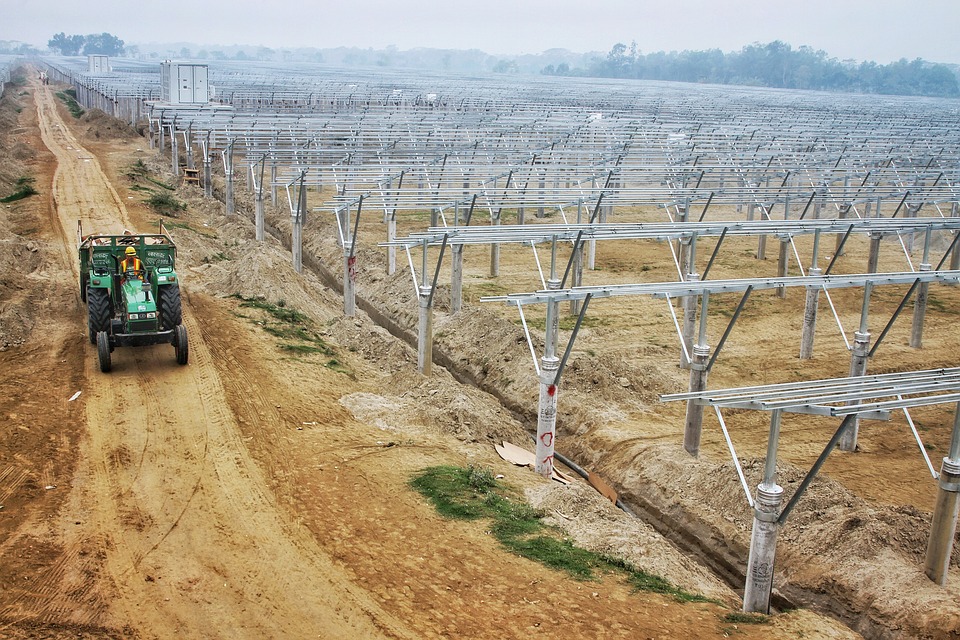
Living off the grid has been one of the most rewarding experiences of my life. In my journey to become more self-sufficient and reduce my environmental impact, I have discovered the incredible benefits of solar panels. Not only are they a renewable energy source, but they can also save you a substantial amount of money on your home energy bills. If you’re looking to make the switch to solar, then I’ve got some good news for you – it’s easier and more affordable than ever before. In this article, I’ll be sharing with you how solar panels can save you money on your home energy bills, as well as some pro tips for making the most out of this sustainable energy solution. Why Solar Panels? Before we dive into the money-saving benefits of solar panels, let’s talk about why they’re such a smart investment. Solar panels harness the power of the sun to generate electricity for your home. This means that you’ll be relying less on traditional sources of energy, such as fossil fuels, which are not only harmful to the environment but also subject to price fluctuations. By going solar, you’ll be taking control of your energy usage and reducing your carbon footprint. Saving Money with Solar Panels One of the most appealing aspects of solar panels is their ability to save you money on your home energy bills. When you install solar panels on your property, you’ll start generating your own electricity, which means you’ll be buying less from your utility company. In fact, depending on the size of your solar panel system, you could completely eliminate your monthly electricity bill. This can result in significant savings over time, especially as energy prices continue to rise. Pro Tip: In addition to saving money on your energy bills, you may also be eligible for various financial incentives and rebates for installing solar panels. Be sure to research what’s available in your area to maximize your savings. Reduced Maintenance Costs Another way that solar panels can save you money is through reduced maintenance costs. Unlike traditional energy sources, solar panels require very little maintenance once they’re installed. In fact, many solar panel manufacturers offer warranties that last 25 years or more, during which time you can expect minimal to no maintenance costs. Pro Tip: While solar panels are durable and long-lasting, it’s still important to keep them clean and free of debris to maximize their efficiency. Consider investing in a professional cleaning service or do it yourself regularly to ensure your solar panels are performing at their best. Increased Property Value In addition to the immediate savings on your energy bills, installing solar panels can also increase the value of your property. A study by the U.S. Department of Energy found that homes with solar panels sell for a premium, with buyers willing to pay more for properties with solar energy systems. This means that not only are you saving money while living in your home, but you’re also making a smart investment for the future. Pro Tip: When it comes time to sell your home, be sure to highlight the cost-saving benefits of your solar panels to potential buyers. You may also want to consider obtaining a certification such as LEED (Leadership in Energy and Environmental Design) to further increase the value of your property. Final Thoughts As someone who has experienced the many benefits of living off the grid, I can attest to the transformative power of solar panels. Not only do they provide a sustainable and renewable energy solution, but they also offer substantial savings on your home energy bills. If you’re considering making the switch to solar, now is the time to take advantage of the many financial incentives and rebates that are available. By investing in solar panels, you’ll not only be saving money, but you’ll also be making a positive impact on the environment and future-proofing your home for years to come.

travel

Preserving Paradise: The Importance of Sustainable Tourism in Protecting Natural Landscapes

Preserving Paradise: The Importance of Sustainable Tourism in Protecting Natural Landscapes I distinctly remember my first visit to a beautiful island paradise. The crystal-clear waters, pristine beaches, and lush tropical landscapes left me in awe. But as I spent more time there, I began to notice the impact of tourism on the environment. Large resorts were crowding the coastline, and the once-quiet beaches were now bustling with tourists. It was then that I realized the importance of sustainable travel and tourism in preserving our natural landscapes. As an expert in sustainable travel, I am passionate about spreading awareness of the impact tourism can have on the environment and promoting responsible travel practices. Sustainable tourism is all about finding a balance between enjoying the beauty of our natural landscapes and preserving them for future generations. It involves minimizing the negative impacts of tourism on the environment, while also providing a positive experience for both visitors and locals. While it may seem daunting to tackle the issue of sustainability in tourism, there are several simple steps that travelers can take to support and protect the natural beauty of the places they visit. Choosing eco-friendly accommodations is one of the easiest and most impactful ways to support sustainable tourism. Look for hotels, lodges, or resorts that have implemented environmentally friendly practices, such as water conservation, energy efficiency, and waste reduction. Many eco-friendly accommodations also support local communities and employ sustainable practices in their operations, such as sourcing local produce and supporting local artisans. By choosing to stay at these establishments, you can directly contribute to the preservation of natural landscapes and support the local economy. Another important aspect of sustainable tourism is supporting local conservation efforts. Many natural landscapes are under threat from development, deforestation, and other human activities. By visiting places that actively support conservation efforts or engage in community-based conservation, you can ensure that your tourism dollars are directly contributing to the protection of these areas. Look for tour operators and attractions that prioritize environmental conservation and work to preserve the natural habitats and wildlife of the places you visit. Responsible tourism also involves respecting the local culture and traditions of the places you visit. Take the time to educate yourself about the customs, traditions, and social norms of the destination, and be mindful of your impact on the local community. Engaging in cultural activities, supporting local artisans, and learning about the history and heritage of the area can enhance your travel experience while supporting the preservation of local cultures. In addition to these proactive measures, there are several simple pro tips that travelers can adopt to minimize their impact on natural landscapes and support sustainable tourism: – Reduce your use of single-use plastics by bringing reusable water bottles, shopping bags, and containers. – Choose eco-friendly transportation options, such as public transit, biking, or walking, to minimize your carbon footprint. – Support local conservation organizations and initiatives by donating your time or money to their efforts. – Educate yourself about the environmental and social issues facing the destinations you visit, and advocate for sustainable practices within the tourism industry. – Foster a mindset of responsible travel, and share your experiences and knowledge with others to promote sustainable tourism in your community. By making conscious choices and embracing sustainable travel practices, we can all contribute to the preservation of our natural landscapes and protect paradise for future generations. Together, we can ensure that the beauty and wonder of the places we love remain intact for years to come. Let’s all do our part to support sustainable tourism and protect the natural landscapes that inspire and enchant us.

farming and gardening

Transforming Agriculture: Sustainable Farming Practices to Improve the Environment

Transforming Agriculture: Sustainable Farming Practices to Improve the Environment When I first started my journey into sustainable farming and gardening, little did I know the impact it would have on my life. As someone who has spent years living off the grid, I have come to appreciate the power of sustainable farming practices and their positive impact on the environment. Transforming agriculture towards sustainable methods is not only good for the planet, but it also brings joy and fulfillment to those who partake in it. In this article, I will share insights, tips, and tricks for adopting sustainable farming practices to improve the environment. The world of agriculture is evolving, and it is becoming increasingly important to adopt sustainable farming practices. Sustainable farming is about creating a system that can be maintained without depleting natural resources or harming the environment. This means using methods that are environmentally friendly, economically viable, and socially responsible. As someone who has spent years living off the grid, I have seen firsthand the benefits of sustainable farming and how it can transform agriculture for the better. One of the key elements of sustainable farming is soil health. Healthy soil is the foundation of sustainable agriculture, as it provides essential nutrients for crops and supports a diverse and healthy ecosystem. Sustainable farmers focus on building and maintaining soil health by using practices such as crop rotation, cover cropping, and minimal tillage. These practices not only improve the fertility and structure of the soil but also help sequester carbon, reduce erosion, and increase water retention. Pro Tip: Incorporate compost into your soil to improve its fertility and structure. Compost is a great way to recycle organic waste and create nutrient-rich soil for your crops. In addition to soil health, sustainable farming also emphasizes the importance of biodiversity. Diverse ecosystems are more resilient to pests, diseases, and extreme weather events. Sustainable farmers promote biodiversity by growing a variety of crops, rotating crops, and creating habitats for beneficial insects and wildlife. This not only improves the health of the farm but also contributes to the overall health of the environment. Water conservation is another important aspect of sustainable farming. As someone who has experienced the challenges of living off the grid, I understand the value of water conservation and the impact it can have on the environment. Sustainable farmers use methods such as drip irrigation, rainwater harvesting, and efficient water management to minimize water usage and protect water quality. These practices help conserve water resources and reduce the impact of agriculture on local water systems. Pro Tip: Collect rainwater in barrels or cisterns to use for irrigation. Rainwater is free and abundant, making it a valuable resource for sustainable farming. Sustainable farming also involves using natural pest control methods to minimize the use of synthetic pesticides. As someone who cherishes the harmony of nature, I have learned to appreciate the role of beneficial insects and wildlife in controlling pests. Sustainable farmers encourage natural predators such as ladybugs, lacewings, and birds to help manage pest populations and maintain a healthy balance in the ecosystem. This approach not only reduces the need for harmful chemicals but also supports the diversity and resilience of the environment. As someone who has spent years living off the grid, I have come to understand the interconnectedness of all living things and the importance of sustainable farming practices in preserving the environment. By adopting sustainable farming methods, we can improve soil health, promote biodiversity, conserve water, and minimize the use of harmful chemicals. Together, we can transform agriculture for the better and create a more sustainable and harmonious future for generations to come.

travel

The Future of Travel: How Sustainable Tourism is Shaping the Industry

The Future of Travel: How Sustainable Tourism is Shaping the Industry I remember the first time I took a trip to a beautiful, remote destination and was struck by the overwhelming sense of awe at the natural beauty that surrounded me. It was that moment that sparked my passion for sustainable travel and tourism. As someone who has spent years living off the grid, I have seen firsthand the impact that irresponsible travel can have on our planet. That’s why I am thrilled to see the rising popularity of sustainable tourism and the positive changes it is bringing to the travel industry. In recent years, there has been a growing awareness of the environmental impact of tourism, leading many travelers to seek out more responsible and eco-friendly travel options. This shift in consumer behavior is driving the travel industry to prioritize sustainability and embrace eco-conscious practices. From eco-friendly accommodations and activities to responsible tour operators and sustainable transportation options, sustainable travel is shaping the future of the industry in exciting ways. One of the most significant trends in sustainable travel is the rise of eco-friendly accommodations. More and more hotels and resorts are embracing sustainable practices, such as using renewable energy sources, reducing water consumption, and minimizing waste. Eco-friendly accommodations are not only better for the environment, but they also offer guests a unique and immersive experience that allows them to connect with nature and support local communities. From eco-lodges and glamping sites to treehouse hotels and sustainable B&Bs, there are countless options for travelers seeking an eco-conscious stay. Additionally, responsible tour operators are playing a crucial role in promoting sustainable tourism. These operators are committed to minimizing their environmental impact, supporting local communities, and educating travelers about the importance of responsible and ethical travel. Whether it’s a wildlife safari, a cultural tour, or an adventure excursion, travelers can now choose from a wide range of sustainable tours that provide authentic experiences while contributing to the preservation of natural and cultural heritage. Another exciting development in sustainable travel is the growing availability of sustainable transportation options. From electric car rentals and bike-sharing programs to eco-friendly cruises and train journeys, travelers now have more eco-conscious ways to get around and explore destinations. Sustainable transportation not only reduces carbon emissions and pollution but also allows travelers to immerse themselves in the local culture and landscape, creating a more authentic and meaningful travel experience. Pro Tips: – Look for eco-friendly accommodations that are certified by recognized organizations such as Green Globe or LEED to ensure their commitment to sustainability. – Research tour operators that have received awards or certifications for their responsible and sustainable practices, such as the Global Sustainable Tourism Council’s recognition. – Prioritize travel options that offer sustainable transportation, such as public transit, electric or hybrid car rentals, or bike-sharing programs, to minimize your carbon footprint and support eco-conscious initiatives. As sustainable tourism continues to gain traction, travelers have the power to drive positive change and make a difference in the world. By choosing eco-friendly accommodations, supporting responsible tour operators, and opting for sustainable transportation, we can collectively contribute to preserving the planet’s natural and cultural treasures for future generations to enjoy. In conclusion, the future of travel is bright, and sustainable tourism is at the forefront of shaping the industry. With eco-friendly accommodations, responsible tour operators, and sustainable transportation options becoming more accessible, travelers have the opportunity to make a positive impact and create meaningful experiences that benefit both the environment and local communities. As we embrace sustainable travel practices, we can look forward to a future where responsible and ethical tourism is the norm, and our planet’s most precious destinations are preserved for generations to come.

solar panels

The Importance of Regular Solar Panel Cleaning

Living off the grid has been an incredibly rewarding experience for me. I’ve learned so much about self-sustainability, renewable energy, and the environment. One of the most valuable lessons I’ve learned is the importance of regular solar panel cleaning. When I first started living off the grid, I didn’t realize just how crucial it was to keep my solar panels clean. Over time, however, I discovered that regular maintenance not only improves the efficiency and longevity of the panels but also maximizes the energy output. In this article, I’ll share with you why regular solar panel cleaning is essential and provide some helpful tips for keeping your panels in top-notch condition. Why is Regular Solar Panel Cleaning Important? Solar panels are designed to convert sunlight into electricity, and any dirt, debris, or dust that accumulates on the panels can significantly reduce their efficiency. According to the National Renewable Energy Laboratory, dirty solar panels can lose up to 25% of their energy output. This decrease in efficiency not only impacts the amount of electricity your panels produce but can also affect the lifespan of the panels themselves. Regular solar panel cleaning is essential for several reasons: 1. Efficiency: When solar panels are dirty, they are unable to absorb as much sunlight, which reduces their ability to produce electricity. Regular cleaning ensures that your panels are able to function at their maximum capacity, resulting in a more efficient energy production. 2. Longevity: Solar panels are a long-term investment, and regular maintenance can help extend their lifespan. By keeping your panels clean, you can prevent corrosion and damage, ultimately saving you money in the long run. 3. Cost Savings: Clean solar panels are more efficient, meaning they can produce more electricity with the same amount of sunlight. This increased energy output can lead to lower electricity bills and greater savings over time. 4. Environmental Impact: By maximizing the efficiency of your solar panels, you’re reducing your reliance on non-renewable energy sources and decreasing your overall carbon footprint. Pro Tips for Solar Panel Cleaning: 1. Timing: The best time to clean your solar panels is in the early morning or late afternoon when the sun is not directly shining on them. Cleaning panels in direct sunlight can cause the water or cleaning solution to evaporate quickly, leaving streaks and residue behind. 2. Gentle Cleaning: When cleaning your solar panels, avoid using abrasive materials or harsh chemicals that could damage the surface. Instead, opt for a gentle cleaning solution, such as a mixture of water and mild dish soap, and use a soft brush or sponge to remove any dirt or debris. 3. Regular Maintenance: Make it a habit to inspect and clean your solar panels at least a few times a year, or more often if you live in an area with heavy pollution or dust. Regular maintenance will ensure that your panels continue to operate at their best. 4. Safety: If your solar panels are located on a higher level or in a hard-to-reach area, it’s essential to prioritize safety when cleaning them. Consider hiring a professional to clean the panels if they are difficult to access or if you’re not comfortable doing it yourself. In conclusion, regular solar panel cleaning is a crucial aspect of maintaining a sustainable off-grid lifestyle. By keeping your panels clean and well-maintained, you can ensure that they continue to operate at their maximum efficiency, ultimately saving you money and reducing your environmental impact. So, grab your cleaning supplies and get those solar panels shining!

farming and gardening

Innovative Farming Techniques for a Sustainable Future

Innovative Farming Techniques for a Sustainable Future Living off the grid has been a fulfilling experience for me, as I have had the opportunity to immerse myself in sustainable farming and gardening. Over the years, I have discovered some innovative farming techniques that not only help conserve the environment but also contribute to a sustainable future. These techniques have proven to be effective in maximizing yield while minimizing environmental impact. In this article, I will share some of these innovative farming techniques that I have personally used and found success with. 1. Aquaponics Aquaponics is a sustainable farming technique that combines aquaculture and hydroponics to create a symbiotic ecosystem. In this system, fish are raised in tanks and their waste is used to fertilize plants grown hydroponically. The plants, in turn, filter the water, which is then returned to the fish tanks. This closed-loop system requires minimal water and does not produce any harmful waste, making it an ideal technique for sustainable farming. Additionally, aquaponics can be practiced both indoors and outdoors, making it a versatile option for farmers. Pro tip: When setting up an aquaponics system, it is important to carefully select the fish and plant species that will thrive in the specific conditions of the system. 2. Permaculture Permaculture is a design system that aims to create sustainable and self-sufficient agricultural ecosystems. It involves mimicking natural patterns and using a variety of techniques such as companion planting, mulching, and contour farming to promote regenerative agriculture. By integrating plants, animals, and structures, permaculture creates a resilient and diverse farming system that can adapt to changing environmental conditions. This approach to farming not only helps conserve resources but also fosters a deeper connection with the land. Pro tip: Observing the natural patterns and cycles of the land is essential for implementing successful permaculture techniques. 3. Vertical Farming As space for traditional farming continues to diminish, vertical farming has emerged as an innovative solution to maximize yield in limited areas. This technique involves growing crops in vertically stacked layers, often within controlled environments such as greenhouses or indoor facilities. By utilizing vertical space, farmers can significantly increase their crop production while reducing the use of land and water. Additionally, vertical farming allows for year-round cultivation, making it a sustainable option for urban and peri-urban areas. Pro tip: When implementing vertical farming, consider using LED grow lights to provide the necessary light spectrum for plant growth. 4. Regenerative Agriculture Regenerative agriculture focuses on restoring and enhancing the health of the soil by utilizing practices such as cover cropping, crop rotation, and minimal tillage. By prioritizing soil health, regenerative agriculture aims to sequester carbon, improve water retention, and increase biodiversity. This approach not only leads to improved crop yields but also contributes to mitigating climate change and preserving natural ecosystems. Regenerative agriculture provides a holistic and sustainable farming solution for future generations. Pro tip: Incorporating livestock into regenerative agriculture systems can help enhance soil fertility and promote diverse, resilient ecosystems. 5. Urban Farming Urban farming has gained popularity as a sustainable solution to food production within urban areas. This technique involves cultivating crops, raising livestock, or keeping bees in urban spaces such as rooftops, vacant lots, and community gardens. By utilizing underutilized spaces, urban farming contributes to local food production, reduces food miles, and fosters community engagement. Additionally, urban farming can promote food security, green spaces, and environmental awareness within urban environments. Pro tip: Utilize community partnerships and engage with local residents to create successful urban farming initiatives. Innovative farming techniques offer promising solutions for a sustainable future, and by implementing these practices, we can strive towards a more regenerative and resilient agricultural system. Whether it is aquaponics, permaculture, vertical farming, regenerative agriculture, or urban farming, there are a plethora of innovative techniques that can be tailored to specific farming contexts. As we continue to adapt to changing environmental and societal challenges, embracing these innovative farming techniques will be crucial for creating a sustainable future for generations to come.

travel

How These Sustainable Travel Companies are Leading the Way Towards Responsible Tourism

Sustainable travel and tourism have become increasingly popular in recent years, and for good reason. As someone who has always been passionate about exploring new places while also minimizing my impact on the environment, I’ve been on the lookout for companies that prioritize responsible tourism. Luckily, there are several sustainable travel companies that are leading the way towards a more environmentally-friendly and ethical approach to travel. From eco-friendly accommodations to conservation-focused tours, these companies are setting an example for the travel industry as a whole. One company that stands out in the sustainable travel industry is Intrepid Travel. With a focus on small group adventures and responsible travel, Intrepid offers a variety of trips that prioritize local experiences and minimize environmental impact. Their commitment to responsible tourism is evident in their itineraries, which often include visits to community projects and conservation areas. By partnering with local communities and striving for sustainable tourism practices, Intrepid Travel is leading the way towards more ethical and eco-friendly travel experiences. Another company making waves in the sustainable travel industry is G Adventures. With a focus on small group travel and community-based tourism, G Adventures offers a range of trips that prioritize sustainability and responsible tourism. Their Planeterra Foundation works to support local communities through various initiatives, from education and training programs to sustainable development projects. By incorporating sustainable practices into their itineraries and supporting local communities, G Adventures is demonstrating a commitment to responsible tourism. In addition to tour operators, there are also a number of sustainable accommodations that are leading the way towards responsible tourism. Eco-lodges such as Chumbe Island Coral Park in Zanzibar and Mashpi Lodge in Ecuador prioritize sustainability in their operations, from energy-efficient design to conservation-focused initiatives. These eco-lodges not only provide unique and immersive experiences for travelers, but also contribute to the conservation of natural habitats and support local communities. When it comes to sustainable travel, it’s important to consider not only the environmental impact of our trips, but also the social and economic implications. Companies such as Elevate Destinations and Wild Frontiers are committed to promoting responsible tourism by working with local communities, supporting conservation efforts, and contributing to sustainable development projects. By partnering with local organizations and prioritizing ethical practices, these companies are setting an example for the travel industry as a whole. Pro Tips: 1. When planning your next trip, look for tour operators and accommodations that prioritize sustainability and responsible tourism. Check for certifications such as Travelife or Rainforest Alliance to ensure that the company is committed to ethical and environmentally-friendly practices. 2. Consider the social and economic impact of your travels by supporting local businesses, engaging with local communities, and contributing to conservation efforts. By prioritizing ethical travel practices, you can help promote sustainable tourism and make a positive impact on the destinations you visit. 3. Research the environmental initiatives and conservation efforts of tour operators and accommodations before booking your trip. By choosing companies that prioritize sustainability, you can contribute to the preservation of natural habitats and support local communities. In conclusion, sustainable travel companies are leading the way towards responsible tourism by prioritizing environmental conservation, supporting local communities, and promoting ethical practices. By choosing tour operators and accommodations that prioritize sustainability, travelers can contribute to the preservation of natural habitats and support the well-being of local communities. As the demand for sustainable travel continues to grow, these companies are setting an example for the travel industry as a whole and demonstrating the positive impact of responsible tourism.

farming and gardening

Challenges and Opportunities in Adopting Sustainable Farming Practices

Challenges and Opportunities in Adopting Sustainable Farming Practices Living off the grid and fully embracing sustainable farming practices has been one of the most rewarding experiences of my life. As a passionate advocate for sustainable living, I have faced many challenges and opportunities along the way. Embracing sustainable farming practices has allowed me to connect with nature in a deep and meaningful way, while also making a positive impact on the environment. In this article, I want to share some of the challenges and opportunities I have encountered, as well as some pro tips for anyone looking to adopt sustainable farming practices. One of the biggest challenges in adopting sustainable farming practices is the initial investment of time, effort, and resources. Conventional farming methods often rely on chemical fertilizers and pesticides, which can yield quick results but ultimately harm the environment and deplete the soil. Sustainable farming practices, on the other hand, require a long-term commitment to building healthy soil, conserving water, and supporting biodiversity. This means taking the time to research and implement organic farming methods, such as composting, crop rotation, and natural pest control. While this initial investment may seem daunting, the long-term benefits of sustainable farming far outweigh the challenges. Another challenge in adopting sustainable farming practices is the need for continuous education and experimentation. Sustainable farming is an ever-evolving field, with new techniques and technologies constantly emerging. This means that as a sustainable farmer, I need to stay informed about the latest developments and be willing to experiment with new methods. While this can be challenging at times, it also presents a wonderful opportunity to learn and grow as a farmer. By staying open-minded and receptive to new ideas, I have been able to improve my farming practices and achieve better results. One of the most rewarding opportunities in sustainable farming is the chance to connect with the local community and support the growing demand for organic, locally-grown produce. As more and more people become aware of the environmental and health benefits of sustainable farming, there is a growing market for organic, locally-sourced food. This presents an incredible opportunity for sustainable farmers to connect with their community and provide fresh, healthy produce to their neighbors. By selling at farmers’ markets, participating in community supported agriculture (CSA) programs, or even starting a small farm store, sustainable farmers can build strong relationships with their customers and make a positive impact on the local food system. Pro Tip: Building strong relationships with local chefs and restaurants can also be a lucrative opportunity for sustainable farmers. Many chefs are seeking out high-quality, locally-sourced ingredients for their menus, and sustainable farmers can meet this demand by offering fresh, seasonal produce and specialty crops. One of the key challenges in sustainable farming is the need to adapt to changing weather patterns and environmental conditions. Climate change is a real and pressing issue, and its impact on agriculture is becoming increasingly evident. As a sustainable farmer, I have had to learn how to mitigate the effects of extreme weather events, such as droughts, storms, and heatwaves. This has required me to implement water-saving techniques, such as drip irrigation and rainwater harvesting, as well as to select crops and varieties that are more resilient to changing climates. While this is undoubtedly a challenge, it has also provided me with the opportunity to become a more adaptable and resilient farmer. Another challenge in sustainable farming is the need to find creative solutions to pest and disease management without relying on synthetic chemicals. Conventional farmers often turn to chemical pesticides and herbicides to combat pests and diseases, but these substances can be harmful to the environment and human health. Sustainable farmers, on the other hand, must seek out alternative methods, such as crop rotation, beneficial insects, and natural repellents, to control pests and diseases. This requires creativity and a willingness to think outside the box, but it also presents an opportunity to foster a healthier and more balanced ecosystem on the farm. Pro Tip: Encouraging biodiversity on the farm by planting diverse crops and creating habitat for beneficial insects can help to naturally control pests and promote a healthier ecosystem. In conclusion, adopting sustainable farming practices presents a unique set of challenges and opportunities for farmers. While the initial investment of time and resources may seem daunting, the long-term benefits of sustainable farming far outweigh the challenges. Continuous education, experimentation, and adaptation are key aspects of sustainable farming, and they provide valuable opportunities for personal and professional growth. By connecting with the local community and supporting the growing demand for organic, locally-grown produce, sustainable farmers can make a positive impact on the environment and the food system. Despite the challenges, the rewards of sustainable farming are immeasurable, and the opportunity to lead a more mindful and sustainable lifestyle is truly priceless.