
admin

solar panels

Affordable Energy Independence: Uncovering the True Cost of Solar Panels

Affordable Energy Independence: Uncovering the True Cost of Solar Panels Living off the grid has been an eye-opening experience for me. The ability to produce my own energy and live independently from the traditional power grid has been liberating and empowering. One of the key components of my energy independence has been the use of solar panels. When I first started looking into solar energy, I was overwhelmed by the cost and complexity of the systems available on the market. However, after doing my research and diving deeper into the world of solar panels, I uncovered some surprising truths about their affordability and ease of use. The upfront cost of solar panels can seem daunting at first, but when you break down the long-term savings and benefits, it becomes clear that they are a cost-effective and sustainable solution for energy independence. In this article, I will uncover the true cost of solar panels, exploring their affordability, longevity, and savings potential. By the end of this article, you will have a better understanding of the true value of investing in solar panels for your own energy independence journey. Affordability of Solar Panels When it comes to the affordability of solar panels, many people are deterred by the initial investment. However, what they fail to consider is the long-term savings and benefits that come with solar energy. Solar panels have become increasingly affordable in recent years, with the cost of installation and equipment decreasing significantly. In addition, there are government incentives and tax credits available for those who invest in solar energy, further offsetting the initial cost. When I first started looking into solar panels, I was pleasantly surprised by the range of options available at different price points. There are affordable entry-level solar panel systems that are perfect for smaller off-grid living situations, as well as more advanced and efficient systems for larger energy needs. With careful planning and budgeting, it is possible to find a solar panel system that fits your financial situation and provides long-term savings. Longevity of Solar Panels One of the key factors in assessing the true cost of solar panels is their longevity. Solar panels are built to last, with an average lifespan of 25-30 years. This means that once you make the initial investment, you can expect to enjoy free, sustainable energy for decades to come. In addition, most reputable solar panel manufacturers offer warranties and guarantees on their products, providing peace of mind and protection against any potential issues. The longevity of solar panels is a major factor in their affordability, as the upfront cost can be seen as an investment in years of energy savings. When I installed my solar panels, I did so with the knowledge that they would continue to generate power for many years, offsetting the initial investment and providing long-term financial benefits. Savings Potential of Solar Panels The savings potential of solar panels is perhaps the most compelling argument for their affordability. By generating your own energy from the sun, you can significantly reduce or eliminate your monthly electricity bills. In some cases, you may even be able to sell excess energy back to the grid, further offsetting your costs and providing an additional source of income. In addition to the direct savings on electricity bills, investing in solar panels can also increase the value of your property. Studies have shown that homes with solar panels are more attractive to buyers and can fetch higher prices on the market. This means that the investment in solar panels not only pays off in energy savings, but also in the overall value of your property. Pro Tips for Affordable Energy Independence with Solar Panels – Do your research: Before investing in solar panels, take the time to research different options, manufacturers, and installers to find the best fit for your needs and budget. – Consider financing options: Many solar panel installation companies offer financing options that can help make the investment more manageable. Explore these options to find the best solution for your financial situation. – Take advantage of incentives and rebates: Government incentives and tax credits can significantly reduce the upfront cost of solar panels. Be sure to explore all available incentives in your area to maximize your savings. – Plan for the long term: When considering the cost of solar panels, think about the long-term savings and benefits rather than just the initial investment. By viewing solar panels as a long-term investment, the affordability becomes more apparent. In conclusion, the true cost of solar panels goes far beyond the initial investment. With their affordability, longevity, and savings potential, solar panels are a cost-effective and sustainable solution for energy independence. Whether you are living off the grid or simply looking to reduce your reliance on traditional energy sources, investing in solar panels can provide long-term financial benefits and contribute to a more sustainable future. So, don’t be deterred by the upfront cost – uncover the true value of solar panels and take a step towards affordable energy independence.


farming and gardening

How Sustainable Farming is Helping to Preserve Natural Resources

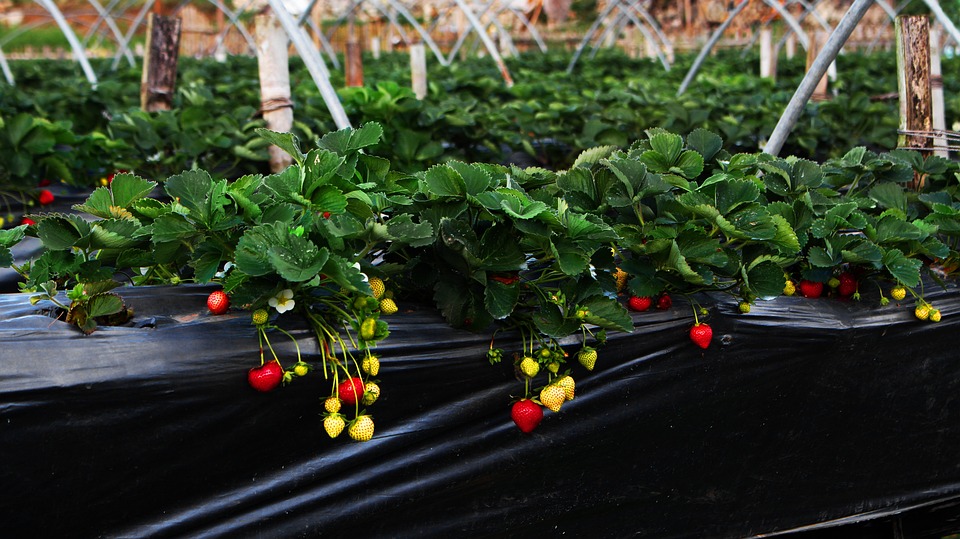
Growing up in a sustainable farming community, I have always been passionate about living off the grid and preserving our natural resources. For me, sustainable farming and gardening have been at the core of my lifestyle, not only providing me with fresh and healthy produce but also contributing to the preservation of our environment. In recent years, there has been a growing awareness of the importance of sustainable farming in helping to preserve natural resources. From reducing water usage to minimizing waste, sustainable farming practices have a profound impact on the health of our planet. In this article, we will explore how sustainable farming is helping to preserve natural resources and offer some pro tips for those looking to get started on their own sustainable farming journey. Preserving Water Resources One of the most significant benefits of sustainable farming is the preservation of water resources. Traditional farming methods often rely heavily on irrigation systems that consume large amounts of water. Sustainable farming, on the other hand, focuses on water conservation through methods such as rainwater harvesting, drip irrigation, and mulching. By utilizing these techniques, sustainable farmers can significantly reduce their water usage and minimize the impact on local water sources. Additionally, sustainable farming practices such as crop rotation and cover cropping help to improve soil health, allowing it to retain more water and reducing the need for irrigation. Pro Tip: Consider installing a rainwater harvesting system on your property to collect and store rainwater for use in irrigation. This can significantly reduce your reliance on municipal water sources and minimize your impact on local water systems. Protecting Soil Health Another crucial aspect of sustainable farming is the preservation of soil health. Traditional farming practices such as monocropping and excessive tilling can lead to soil erosion, nutrient depletion, and loss of biodiversity. Sustainable farming methods, such as minimal tillage, cover cropping, and organic fertilization, focus on preserving soil health and promoting long-term sustainability. By maintaining healthy soil, sustainable farmers can improve crop yield, reduce the need for synthetic fertilizers, and minimize the risk of soil degradation. Pro Tip: Test your soil regularly to assess its health and nutrient levels. This will help you make informed decisions about the types of crops to plant and the appropriate fertilization methods to use. Minimizing Waste and Pollution Sustainable farming also plays a significant role in minimizing waste and pollution. Traditional farming practices often rely on the use of synthetic pesticides and fertilizers, which can leach into the soil and water, causing harm to the environment and wildlife. Sustainable farmers utilize natural pest control methods, such as beneficial insects and companion planting, to minimize the need for chemical pesticides. Additionally, sustainable farming encourages the use of organic fertilizers and composting to replenish soil nutrients and reduce the reliance on synthetic alternatives. By minimizing waste and pollution, sustainable farming helps to protect the overall health of our ecosystems. Pro Tip: Start a compost pile on your property to recycle organic waste into nutrient-rich fertilizer for your garden. This will not only minimize waste but also improve soil health and reduce the need for synthetic fertilizers. Promoting Biodiversity Sustainable farming practices also promote biodiversity and natural ecosystems. Traditional farming methods often result in the clearing of natural habitats and the loss of biodiversity. Sustainable farmers, however, prioritize the preservation of natural ecosystems by incorporating elements such as hedgerows, wildlife corridors, and pollinator-friendly plants into their farming landscapes. By creating diverse habitats, sustainable farmers attract beneficial wildlife, such as pollinators and natural predators, which help to maintain a healthy balance within the ecosystem. Pro Tip: Plant a diverse range of crops and flowers in your garden to attract a variety of pollinators and beneficial insects. This will not only help to improve crop yield but also contribute to the overall biodiversity of your area. In conclusion, sustainable farming is playing a crucial role in preserving natural resources and promoting the health of our planet. By focusing on water conservation, soil health, waste minimization, and biodiversity, sustainable farmers are leading the way in sustainable agriculture. Whether you have a small backyard garden or a larger farming operation, there are plenty of opportunities to incorporate sustainable farming practices into your lifestyle. By making conscious choices and implementing proactive measures, we can all contribute to the preservation of our natural resources and the sustainability of our planet. As we continue to strive for a more sustainable future, it is essential to recognize the impact that our farming practices can have on the environment. By embracing sustainable farming and gardening, we can protect our natural resources, promote biodiversity, and create a healthier and more sustainable world for future generations.

travel

Collaborative Conservation: Partnerships Driving Sustainable Tourism Initiatives

Collaborative Conservation: Partnerships Driving Sustainable Tourism Initiatives As a passionate advocate for sustainable travel and tourism, I have had the pleasure of witnessing the positive impact of collaborative conservation efforts in driving sustainable tourism initiatives. These partnerships between local communities, businesses, and conservation organizations have led to the preservation of natural resources, the protection of endangered species, and the promotion of responsible tourism practices. In this article, I will delve into the powerful role that collaborative conservation plays in shaping sustainable travel experiences and how these partnerships are driving positive change in the tourism industry. Collaborative conservation involves the coming together of various stakeholders to work towards a common goal of preserving and protecting natural resources and wildlife. This can range from local communities and indigenous groups partnering with conservation organizations, to businesses and tourism operators implementing sustainable practices and initiatives. These partnerships are crucial in driving sustainable tourism, as they not only help to protect the environment and support conservation efforts, but also contribute to the economic and social well-being of local communities. One shining example of collaborative conservation in action is the partnership between the Maasai Mara community in Kenya and several conservation organizations. The Maasai Mara is a world-renowned wildlife reserve, home to a diverse range of species including the iconic Big Five. In the past, the wildlife and natural resources of the Mara were under threat due to human-wildlife conflict, poaching, and unsustainable tourism practices. However, through collaborative efforts between the Maasai community, local businesses, and conservation organizations, significant progress has been made in conserving the Mara’s ecosystem and wildlife. The Maasai Mara Wildlife Conservancies Association (MMWCA) is a pioneering example of a community-based conservation organization that works in partnership with local communities and tourism operators to promote sustainable tourism and wildlife conservation. Through community-led initiatives, such as wildlife conservancies and eco-lodges, the Maasai Mara has been able to protect its natural resources and provide economic opportunities for the local community. This partnership has not only benefited the environment and wildlife, but has also contributed to the empowerment and livelihoods of the Maasai people. The success of the collaborative conservation efforts in the Maasai Mara serves as a powerful example of how partnerships can drive sustainable tourism initiatives. By working together, local communities, conservation organizations, and businesses can create a sustainable tourism model that benefits both people and the planet. This approach not only ensures the protection of natural resources and wildlife, but also fosters a positive and authentic travel experience for visitors. In addition to the Maasai Mara, there are countless other examples of collaborative conservation initiatives driving sustainable tourism around the world. From the protection of coral reefs in the Caribbean, to the preservation of rainforests in the Amazon, these partnerships are making a tangible impact on the environment and the well-being of local communities. Pro Tips from the Article: – When planning your next trip, look for destinations and experiences that prioritize collaboration and community-led conservation efforts. By supporting businesses and initiatives that work in harmony with local communities and conservation organizations, you can ensure that your travel contributes to positive impact. – Engage with local communities and learn about their traditional practices and knowledge. By taking the time to understand and respect local cultures and customs, you can contribute to the preservation of heritage and promote responsible tourism. – Consider volunteering or participating in conservation projects during your travels. Many destinations offer opportunities for visitors to get involved in wildlife monitoring, reforestation, and community development projects, which can provide a meaningful and immersive travel experience that supports sustainability.

farming and gardening

The Rise of Regenerative Agriculture: Sustainable Farming for a Brighter Future

The Rise of Regenerative Agriculture: Sustainable Farming for a Brighter Future Living off the grid has been a truly transformative experience for me. It has allowed me to fully embrace the beauty and simplicity of sustainable farming and gardening. In recent years, I have seen a growing movement towards regenerative agriculture, which has brought me so much joy and hope for the future. This innovative approach to farming not only promotes a healthy environment, but also ensures a better future for generations to come. I am thrilled to see the rise of regenerative agriculture and I believe it is a crucial step towards a brighter and more sustainable future for our planet. What is Regenerative Agriculture? Regenerative agriculture is a holistic approach to farming that focuses on improving the health of the soil, reducing carbon emissions, and restoring ecosystems. Unlike conventional farming methods, regenerative agriculture aims to work in harmony with nature, rather than against it. This means utilizing natural processes, such as crop rotation, cover cropping, and minimal tillage, to restore and maintain the health of the soil. By building healthier soils, regenerative agriculture can sequester carbon, improve water retention, and increase biodiversity, leading to a more resilient and sustainable farming system. The Benefits of Regenerative Agriculture There are numerous benefits to embracing regenerative agriculture, both for the environment and for farmers themselves. One of the most immediate and tangible benefits is improved soil health. Healthy soil is essential for producing high-quality crops and ensuring long-term productivity. By building healthier soils, regenerative agriculture can also help mitigate the effects of climate change by sequestering carbon dioxide from the atmosphere and reducing greenhouse gas emissions. Additionally, regenerative agriculture practices can improve water retention, reduce erosion, and promote biodiversity, making farms more resilient to environmental changes. Another significant benefit of regenerative agriculture is its potential to improve the overall well-being of farmers and their communities. By reducing the need for chemical inputs, regenerative agriculture can lower production costs, increase profitability, and create more resilient farming businesses. This, in turn, can help revitalize rural economies and create new opportunities for local producers. Furthermore, regenerative agriculture can also help address social issues, such as food insecurity and access to healthy, locally-grown produce. Pro Tips: – Start small: If you are new to regenerative agriculture, start by incorporating one or two regenerative practices into your farming routine. Over time, you can gradually increase the number of regenerative practices you use as you become more comfortable with the methods. – Learn from others: Join a local regenerative agriculture group or network with other farmers who are already practicing regenerative agriculture. Learning from others’ experiences and sharing tips and advice can help you navigate the transition to regenerative farming more smoothly. Embracing Regenerative Agriculture As someone who has spent years living off the grid, I have seen firsthand the incredible impact that regenerative agriculture can have on the environment and on the lives of farmers. I believe that regenerative agriculture is not just a trend, but a necessity for the future of farming and food production. Embracing regenerative agriculture is a conscious choice to work with nature, rather than against it, and it offers a path towards a more sustainable and resilient future. In conclusion, the rise of regenerative agriculture is an exciting and necessary development in sustainable farming. By adopting regenerative practices, we can improve soil health, reduce carbon emissions, and promote biodiversity, leading to a more resilient and sustainable farming system. I encourage everyone to explore regenerative agriculture and consider how they can incorporate regenerative practices into their own gardening or farming endeavors. Together, we can work towards a brighter and more sustainable future for our planet.

solar panels

From Rooftops to Savings: How Solar Panels Are Transforming Homes across the Globe

Have you ever looked up at the stars and imagined living a more sustainable and eco-friendly lifestyle? For many, the idea of living off the grid seems daunting and out of reach. However, with the rise of solar panel technology, more and more people are embracing the power of the sun to transform their homes and reduce their environmental impact. As someone who has experienced the freedom and independence of off-grid living, I can attest to the incredible impact that solar panels can have on a household. From rooftop installations to long-term financial savings, solar panels are revolutionizing the way we think about energy consumption and conservation. The trend of solar panel installation is not just a passing fad; it’s a transformative movement that is sweeping across the globe. Not only are homeowners embracing the financial benefits, but they are also making a conscious effort to reduce their carbon footprint and contribute to a cleaner, more sustainable planet. As someone who has seen firsthand the power of solar energy, I can confidently say that this is a trend worth jumping on board with. One of the key benefits of solar panel installation is the potential for long-term financial savings. By harnessing the power of the sun, homeowners can significantly reduce their reliance on traditional energy sources, ultimately lowering their monthly utility bills. In addition, many governments and utility companies offer incentives and rebates for those who install solar panels, making the initial investment even more attractive. As someone who has experienced the financial freedom of off-grid living, I can assure you that the savings are well worth the initial investment. Pro Tips: When considering solar panel installation, be sure to research any available incentives and rebates in your area. Additionally, take the time to calculate the potential long-term savings based on your current energy usage, as this will help you gauge the return on investment for solar panels. Furthermore, solar panels offer a level of energy independence that is often unparalleled by traditional energy sources. Rather than relying on the grid, homeowners with solar panels can generate their own electricity, providing peace of mind in the event of power outages or disruptions. As someone who has experienced the self-sufficiency of off-grid living, I can attest to the sense of security that comes with knowing you have control over your own energy supply. Pro Tips: When installing solar panels, consider adding a battery storage system to store excess energy for use during periods of low sunlight. This will further enhance your energy independence and reduce your reliance on the grid. In addition to the financial and practical benefits, solar panels are also a sustainable choice for homeowners who are committed to reducing their environmental impact. By harnessing the power of the sun, solar panels produce clean, renewable energy that helps to reduce greenhouse gas emissions and combat climate change. As someone who has seen the environmental benefits of off-grid living, I believe that solar panels are a crucial step towards a more sustainable future for our planet. Pro Tips: Consider the environmental impact of your energy consumption and make the switch to solar to reduce your carbon footprint and contribute to a cleaner, healthier planet. From rooftop installations to long-term financial savings, the impact of solar panels is undeniable. As someone who has experienced the transformative power of off-grid living, I can confidently say that solar panels are revolutionizing the way we think about energy consumption and conservation. By embracing solar technology, homeowners across the globe are taking a proactive step towards a more sustainable and eco-friendly lifestyle. So, if you’ve ever dreamed of living off the grid, consider the power of solar panels as your first step towards a greener, brighter future.

travel

Supporting Sustainable Tourism: How Travelers Can Contribute to a Greener Future

As someone who has spent years traveling the world and experiencing the beauty of different cultures and landscapes, I have always been passionate about sustainable tourism. From pristine beaches to lush rainforests, I have witnessed the detrimental impact that mass tourism can have on the environment. However, I have also seen the positive changes that sustainable travel can bring to local communities and ecosystems. It’s time for travelers to step up and take responsibility for the future of our planet. Here are some fun and upbeat ways that you can contribute to a greener future through supporting sustainable tourism. Sustainable Tourism: What is it and Why is it Important? Before we dive into how travelers can contribute to sustainable tourism, it’s important to understand what sustainable tourism actually means. Sustainable tourism is all about traveling in a way that minimizes environmental impact, respects local cultures, and brings long-term benefits to communities. This type of travel seeks to protect natural resources, support local economies, and preserve cultural heritage. The importance of sustainable tourism cannot be overstated. As the global population continues to grow, so does the demand for travel and tourism. This puts an enormous strain on natural resources and can lead to the degradation of ecosystems and the exploitation of local communities. By supporting sustainable tourism, travelers can help to alleviate these negative impacts and ensure that the places they visit remain vibrant and healthy for generations to come. 10 Fun Ways Travelers Can Contribute to Sustainable Tourism 1. Choose eco-friendly accommodations When planning your next trip, look for accommodations that have green certifications or sustainable practices. Many hotels and resorts now offer eco-friendly options such as energy-efficient lighting, water-saving devices, and waste recycling programs. Staying in eco-friendly accommodations can also support local initiatives and businesses focused on sustainability. 2. Minimize your carbon footprint Traveling can be a significant source of carbon emissions, but there are ways to minimize your impact. Consider offsetting your carbon footprint by investing in environmental projects, choosing direct flights, and using public transportation or walking whenever possible. Additionally, packing light and using eco-friendly modes of transportation such as bicycles or electric cars can help to reduce your carbon footprint. 3. Support local communities One of the best ways to contribute to sustainable tourism is to support the local communities that you visit. This can be as simple as buying locally made souvenirs, eating at family-owned restaurants, and staying in locally owned accommodations. By supporting local businesses, you can help to preserve traditional crafts and traditions, while also ensuring that the economic benefits of tourism stay in the community. 4. Respect local cultures and traditions Before visiting a new destination, take the time to learn about the local culture and customs. This can help you to better understand and respect the traditions of the people you are visiting. Avoid participating in activities that may be culturally insensitive or harmful, and be mindful of your behavior and dress to ensure that you are being respectful of local customs. 5. Choose sustainable tour operators When booking tours and activities, look for operators that prioritize sustainability and give back to the local community. Many tour companies are now offering sustainable options such as wildlife conservation tours, responsible hiking excursions, and cultural experiences that support indigenous communities. By choosing these types of tours, you can ensure that your tourism dollars are benefiting local initiatives and causes. 6. Reduce plastic waste One of the most significant environmental threats posed by tourism is the accumulation of plastic waste. To minimize your impact, bring a reusable water bottle, shopping bag, and utensils with you when traveling. Additionally, support hotels and restaurants that have implemented plastic reduction initiatives, such as offering filtered water stations and using biodegradable packaging. 7. Volunteer or participate in conservation efforts For travelers who are passionate about conservation and environmental protection, there are numerous opportunities to volunteer and participate in local initiatives. Whether it’s cleaning up beaches, planting trees, or supporting wildlife rehabilitation projects, getting involved in conservation efforts can make a meaningful impact while also providing a unique and rewarding travel experience. 8. Educate yourself and others Spread awareness about sustainable tourism and the impact that travelers can have on the environment and local communities. Share your experiences, tips, and resources with friends, family, and fellow travelers to inspire them to make more sustainable choices. Additionally, take the time to educate yourself about the environmental and cultural issues in the destinations you visit, so that you can be a more informed and responsible traveler. 9. Leave no trace When exploring natural areas and preserves, be sure to practice Leave No Trace principles. This means taking all of your waste with you, staying on designated trails, and respecting the natural environment and wildlife. By leaving no trace, you can help to preserve the beauty and integrity of the places you visit for future generations to enjoy. 10. Support sustainable travel initiatives Finally, support organizations and initiatives that are working to promote sustainable tourism and protect the environment. This can include donating to conservation organizations, signing petitions in support of environmental protection, and getting involved in advocacy efforts to promote sustainable travel practices at a global level. Pro Tips for Travelers Looking to Support Sustainable Tourism 1. Research and plan your trip in advance to find sustainable accommodation, tour operators, and activities. 2. Pack a sustainable travel kit with reusable items such as water bottles, utensils, and shopping bags. 3. Engage with the local community by participating in cultural events, volunteering, or taking part in community-based tourism initiatives. 4. Seek out travel guides and resources focused on sustainability to learn more about the destinations you are visiting and how you can contribute positively to them. In conclusion, supporting sustainable tourism is not only an ethical and responsible choice, but it can also lead to more meaningful and fulfilling travel experiences. By making simple and thoughtful choices, travelers can proactively contribute to a greener future and have a positive impact on

farming and gardening

Building Resilience Through Sustainable Farming: Lessons from Successful Farmers

Building Resilience Through Sustainable Farming: Lessons from Successful Farmers Living off the grid and embracing sustainable farming and gardening has been an incredibly rewarding experience for me. The ability to grow my own food, live in harmony with nature, and reduce my impact on the environment has been both fulfilling and empowering. Over the years, I have had the privilege of meeting and learning from successful farmers who have mastered the art of sustainable farming. These farmers have not only built resilient and thriving farms but have also inspired others to do the same. Their valuable lessons and insights have helped me to improve my own farming practices and build a stronger, more sustainable way of life. In this article, I will share some of the key lessons I have learned from these successful farmers and how they have helped me to build resilience through sustainable farming. Lesson 1: Diversity is Key One of the most important lessons I have learned from successful farmers is the importance of diversity in farming. Instead of relying on monoculture, successful farmers embrace diversity in their crops, livestock, and farming practices. This not only helps to mitigate the risk of crop failures but also encourages a healthier and more balanced ecosystem. Pro Tip: Incorporating a variety of crops in your farm not only reduces the risk of crop failure but also promotes soil health and biodiversity. Consider planting a mix of vegetables, fruits, and grains to create a diverse and resilient farm. Lesson 2: Regenerative Agriculture Regenerative agriculture is a farming practice that focuses on building soil health, restoring ecosystems, and fostering biodiversity. Successful farmers understand the importance of taking care of the land and leaving it in better condition than they found it. This not only improves the quality of their produce but also ensures the long-term sustainability of their farm. Pro Tip: Implement regenerative farming practices such as cover cropping, crop rotation, and minimal tillage to improve soil health and reduce the need for chemical inputs. Lesson 3: Water Management Water is a precious resource, especially for those living off the grid. Successful farmers prioritize water management and conservation, utilizing rainwater harvesting, drip irrigation, and other water-saving techniques to ensure a steady and sustainable water supply for their farm. Pro Tip: Consider implementing water-saving techniques such as mulching, using drought-tolerant crops, and capturing rainwater to reduce water usage and promote sustainable farming practices. Lesson 4: Community Engagement Successful farmers understand the value of community engagement and collaboration. By building strong relationships with their local community, they are able to share knowledge, resources, and support, creating a resilient and interconnected farming network. Pro Tip: Get involved in your local farming community by attending farmers’ markets, joining community-supported agriculture (CSA) programs, and participating in local agricultural events to build a strong and supportive network of like-minded individuals. Lesson 5: Adaptability and Innovation In the ever-changing world of farming, adaptability and innovation are key to building resilience. Successful farmers are open to trying new techniques, experimenting with different crops, and embracing new technologies to improve their farming practices and stay ahead of challenges. Pro Tip: Stay informed about the latest developments in sustainable farming and gardening, and be open to trying new methods and technologies to improve your farm’s resilience and sustainability. In Conclusion Learning from successful farmers has been an invaluable experience that has helped me to build resilience through sustainable farming. By embracing diversity, regenerative agriculture, water management, community engagement, adaptability, and innovation, I have been able to create a thriving and sustainable farm that supports my off-grid lifestyle. I encourage anyone passionate about sustainable farming and gardening to seek out the wisdom of successful farmers and apply their lessons to their own farming practices. By doing so, we can all contribute to the resilience and sustainability of our farms and communities, and create a brighter, more sustainable future for ourselves and future generations.

farming and gardening

From Farm to Table: How Sustainable Farming is Changing the Way We Eat

From Farm to Table: How Sustainable Farming is Changing the Way We Eat I still remember the first time I planted my own vegetable garden. The feeling of putting my hands in the soil, nurturing the plants, and eventually harvesting my own food was indescribable. It was a pivotal moment in my life, and it ignited my passion for sustainable farming and gardening. Over the years, I have honed my skills and embraced the off-the-grid lifestyle, living in harmony with nature and growing my own food. Sustainable farming has not only transformed the way I eat, but it is also changing the way people around the world view food and agriculture. In this article, I will share the impact of sustainable farming on our food system and how it is shaping the way we eat. The movement towards sustainable farming is gaining momentum as people become more conscious about the impact of their food choices on the environment and their health. Sustainable farming focuses on organic practices, biodiversity, soil health, and animal welfare, eliminating the need for harmful pesticides and synthetic fertilizers. It prioritizes the use of renewable resources, conserves water, and reduces pollution, all while producing high-quality, nutrient-rich food. As someone who has spent years living off the grid and embracing sustainable farming practices, I have witnessed firsthand the positive effects of this approach on the environment and the food that ends up on our plates. One of the most profound ways sustainable farming is changing the way we eat is by reconnecting people with the origins of their food. When you grow your own food or buy from local sustainable farms, you have a deeper appreciation for the effort and care that goes into producing it. You understand the seasonal nature of food and the importance of supporting local farmers. The farm-to-table movement has gained popularity as people seek out fresh, locally sourced ingredients that are free from harmful chemicals and preservatives. Sustainable farming emphasizes the value of whole, unprocessed foods, which not only taste better but also promote better health. It’s a win-win for both the consumer and the environment. Pro Tips: – Start small with a simple herb garden or a few vegetable plants to dip your toes into sustainable farming. – Support local farmers markets and community-supported agriculture (CSA) programs to access fresh, sustainable produce. Another significant impact of sustainable farming on the way we eat is the diversification of our diets. When you shop at a grocery store, you often see the same fruits and vegetables year-round, regardless of the season. However, sustainable farming promotes crop rotation, heirloom varieties, and a wider range of produce that is in tune with the natural growing cycle. This means you can enjoy a more diverse and nutrient-dense selection of foods, and you can rediscover forgotten flavors and culinary traditions. By embracing the diversity of sustainably grown foods, you are not only supporting local ecosystems but also nourishing your body with a wider array of vitamins, minerals, and antioxidants. In addition to diversifying our diets, sustainable farming is also reshaping the way we think about food waste. According to the Food and Agriculture Organization of the United Nations, roughly one-third of the food produced for human consumption is lost or wasted globally. Sustainable farming practices, such as composting, reducing post-harvest waste, and utilizing imperfect produce, are helping to minimize food waste and its environmental impact. By becoming more mindful of the resources that go into producing our food and the consequences of waste, we are better positioned to make conscious choices about what and how much we consume. Moreover, sustainable farming is paving the way for a more transparent and ethical food system. When you know where your food comes from and how it was produced, you can make informed decisions about what you eat. Sustainable farmers prioritize animal welfare, ensuring that livestock are raised humanely and in natural environments, which results in healthier and more flavorful meat, eggs, and dairy products. They also prioritize fair wages and working conditions for farm laborers, contributing to a more equitable and sustainable agricultural industry. In conclusion, sustainable farming is revolutionizing the way we eat by promoting a deeper connection to the food we consume, diversifying our diets, reducing food waste, and fostering transparency and ethical practices in the food system. By supporting sustainable farming, whether through growing your own food, purchasing from local farmers, or advocating for sustainable policies, you can play a vital role in shaping the future of food. Embracing sustainable farming has not only changed my relationship with food but has also allowed me to contribute to a more holistic and regenerative approach to agriculture. I encourage you to explore sustainable farming and reap the rewards of a healthier, more sustainable way of eating. I hope this article inspires you to explore sustainable farming and its impact on the way we eat. It’s a journey worth embarking on, one that enriches your life and leaves a positive mark on the planet. As we continue to prioritize sustainable practices and support local farmers, we can collectively work towards a healthier, more sustainable food system. Let’s make our way from the farm to the table, one mindful bite at a time.

travel

Making a Difference Through Sustainable Travel: Real-life Examples of Positive Impact

As a sustainable travel and tourism expert, I’ve had the privilege of witnessing firsthand the positive impact that conscientious travel can have on communities, ecosystems, and cultural heritage sites. From reducing carbon footprints and supporting local economies to preserving natural resources and promoting cultural exchange, sustainable travel initiatives have the power to make a meaningful difference in the world. In this article, we’ll explore real-life examples of travelers and organizations making a positive impact through sustainable tourism, and discover how you too can contribute to a more sustainable future. So grab your eco-friendly travel gear and get ready to embark on a journey of making a difference through sustainable travel! One inspiring example of positive impact through sustainable travel comes from a small eco-lodge in Costa Rica. Rancho Margot is an off-the-grid eco-lodge that is committed to sustainable practices, conservation, and community engagement. From using renewable energy and organic farming to supporting local artisans and offering educational programs to visitors, Rancho Margot is a shining example of how sustainable tourism can benefit both the environment and local communities. In India, the Barefoot College in Rajasthan is making a difference through sustainable travel by empowering rural women to become solar engineers. This innovative program trains women from around the world to install and maintain solar power systems in their villages, providing access to clean energy and economic opportunities. Visitors to the Barefoot College can learn about the impact of renewable energy and support the organization’s efforts through volunteering or contributing to their initiatives. Another noteworthy example comes from the Galapagos Islands, a UNESCO World Heritage site known for its unique wildlife and fragile ecosystems. One organization leading the way in sustainable travel in this iconic destination is the Galapagos Conservation Trust. Through their work in conservation, research, and community development, the Galapagos Conservation Trust is working to preserve the islands’ biodiversity and support the local communities that depend on the natural resources. Travelers can contribute to their efforts by choosing responsible tour operators and participating in activities that minimize environmental impact. Pro Tips: – Before booking your next trip, research eco-friendly accommodations and tour operators that prioritize sustainability and community engagement. – Seek out opportunities to learn about sustainable practices and local conservation initiatives during your travels, and support these efforts through volunteering or donations. – Consider offsetting the carbon emissions from your travel by investing in renewable energy projects or supporting reforestation programs. In Ecuador, the Yasuni National Park is home to indigenous communities and a stunning array of wildlife, including rare species such as the pink river dolphin and the giant otter. The Yasuni ITT Initiative, an ambitious conservation and sustainable development project, aims to protect this pristine rainforest while promoting alternative economic opportunities for local residents. By visiting this region with responsible tour operators and supporting eco-friendly initiatives, travelers can help support the preservation of this extraordinary natural heritage. In Africa, the Maasai Mara in Kenya is a popular destination for wildlife safaris, attracting thousands of visitors each year. However, the rapid growth of tourism has put pressure on the delicate ecosystem and the traditional Maasai way of life. To address these challenges, the Maasai Wilderness Conservation Trust works with local communities to protect the environment, support education and healthcare initiatives, and create sustainable livelihoods. Through responsible tourism practices and partnerships with the Maasai Wilderness Conservation Trust, travelers can make a positive impact on the conservation of the Maasai Mara and the well-being of its inhabitants. From the majestic mountains of Peru to the tranquil waters of the Maldives, sustainable travel initiatives are creating positive change around the world. By choosing sustainable tourism options, supporting local conservation efforts, and engaging with communities in a respectful and responsible manner, travelers can make a meaningful difference in the destinations they visit. Let’s pledge to make every journey count by embracing sustainable travel and tourism practices, and collectively shaping a brighter future for the planet and its people.

solar panels

The Real Cost of Neglecting Solar Panel Cleaning: Is It Worth the Risk?

Living off the grid has been an incredible journey for me, filled with challenges, adventures, and countless rewards. One of the most important aspects of living off the grid is relying on renewable energy sources, such as solar panels, to power my home. However, one thing that many off-gridders may not be aware of is the importance of regularly cleaning and maintaining your solar panels. The real cost of neglecting solar panel cleaning can be much higher than you may realize, and it’s important to weigh the risks and benefits of keeping them clean. Is it worth the risk? Let’s explore the real cost of neglecting solar panel cleaning and why it’s essential for off-gridders to prioritize this maintenance task. The Real Cost of Neglecting Solar Panel Cleaning: Is It Worth the Risk? Many off-gridders are familiar with the upfront cost of installing solar panels, but what about the long-term cost of neglecting to clean and maintain them? It’s easy to overlook the importance of keeping solar panels clean, especially when living off the grid and taking care of all the other responsibilities that come with it. However, neglecting solar panel cleaning can have a significant impact on the efficiency and effectiveness of your renewable energy system. The Accumulation of Dust, Dirt, and Debris One of the major consequences of neglecting solar panel cleaning is the accumulation of dust, dirt, and debris on the surface of the panels. Over time, these particles can build up and create a barrier between the sun’s rays and the solar cells, effectively reducing the amount of sunlight that can be converted into electricity. This decrease in efficiency can lead to a significant drop in the amount of power your solar panels are able to generate, ultimately impacting your energy supply and potentially forcing you to rely on alternative energy sources. Reduced Energy Output As the dust, dirt, and debris continue to accumulate on your solar panels, you may start to notice a decrease in energy output. This means that your renewable energy system is not producing as much electricity as it should be, ultimately affecting your ability to power your off-grid home. In extreme cases, neglecting solar panel cleaning can result in a complete loss of electricity, leaving you without power until the panels are properly cleaned. Potential Damage to Solar Panels In addition to reduced energy output, neglecting to clean your solar panels can also lead to potential damage. When dust, dirt, and debris are left to accumulate, they can create a layer that traps heat and moisture, which can cause hot spots and even lead to the degradation of the solar cells. This degradation can significantly reduce the lifespan of your solar panels and may even result in the need for costly repairs or replacements. Maintenance Costs Neglecting solar panel cleaning can also result in unexpected maintenance costs. If your solar panels become damaged due to a buildup of dust and debris, you may find yourself facing the expense of repairing or replacing them. Additionally, the decreased energy output can lead to higher reliance on alternative energy sources, such as generators or batteries, which can also incur additional costs. The Value of Regular Solar Panel Cleaning The real cost of neglecting solar panel cleaning is clear: decreased energy output, potential damage, and unplanned maintenance costs. However, the value of regular solar panel cleaning cannot be overstated. By maintaining clean and clear panels, you can maximize the efficiency and effectiveness of your renewable energy system, ensuring a reliable and consistent power supply for your off-grid lifestyle. Pro Tips for Solar Panel Cleaning Here are a few pro tips for keeping your solar panels clean and well-maintained: 1. Regularly inspect your solar panels for any signs of dust, dirt, or debris buildup. 2. Use a soft brush or squeegee to gently remove any loose particles from the surface of the panels. 3. Consider investing in a professional solar panel cleaning service to ensure a thorough and effective cleaning. 4. Schedule regular cleaning and maintenance sessions to keep your solar panels in top condition. Conclusion In conclusion, the real cost of neglecting solar panel cleaning is not just a matter of cleanliness, but also a critical component of maintaining a reliable and efficient renewable energy system. The risks of neglecting solar panel cleaning are significant, potentially leading to decreased energy output, potential damage, and added maintenance costs. By prioritizing regular solar panel cleaning, off-gridders can ensure the long-term effectiveness and sustainability of their renewable energy system, ultimately making it worth the effort and investment. So, is it worth the risk? The answer is clear: regular solar panel cleaning is essential for off-gridders and is a cost-effective way to maximize the benefits of renewable energy.