
admin

farming and gardening

Sustainable Farming: Enhancing Soil Health and Reducing Chemical Dependency

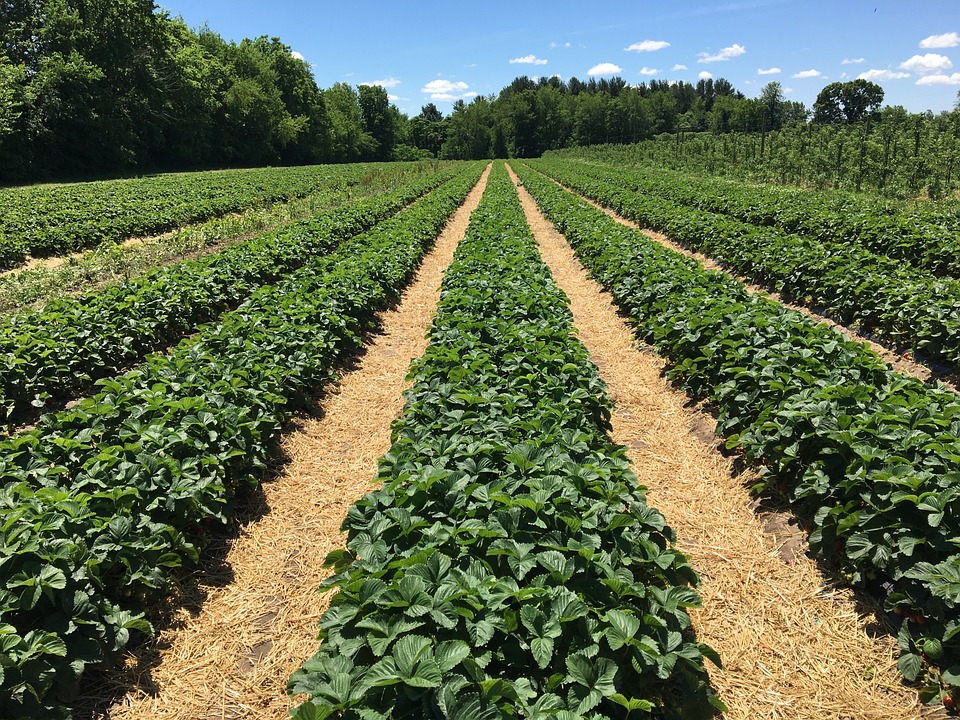
Sustainable farming has always been a passion of mine ever since I made the decision to live off the grid and embrace a more self-sufficient lifestyle. Through my experience, I have come to understand the importance of enhancing soil health and reducing chemical dependency in farming and gardening practices. By making conscious choices to prioritize the well-being of the soil and minimize the use of harmful chemicals, we can create a more sustainable and wholesome environment for our crops to flourish. In this article, I will share some insights on how sustainable farming practices can enhance soil health and reduce chemical dependency, and offer some pro tips for those looking to embark on a similar journey. Enhancing Soil Health Soil is the foundation of sustainable farming, and its health is crucial for the success of any agricultural endeavor. Healthy soil is teeming with microbial life, organic matter, and nutrients that provide a fertile environment for plants to grow and thrive. One of the key principles of sustainable farming is to prioritize the health of the soil, rather than simply focusing on the immediate needs of the crops. This means taking a holistic approach to soil management, with the goal of building and maintaining healthy, living soil for the long term. There are several strategies that can be employed to enhance soil health in sustainable farming practices: 1. Cover cropping: Planting cover crops such as legumes, grasses, and clover can help improve soil structure, prevent erosion, and add organic matter to the soil. These cover crops can also fix nitrogen from the air and make it available to other plants, reducing the need for synthetic fertilizers. 2. Crop rotation: Rotating different crops on the same land helps prevent the depletion of specific nutrients, reduces the buildup of pests and diseases, and promotes a more diverse and balanced microbial community in the soil. 3. Composting: Turning organic waste into nutrient-rich compost is a great way to add organic matter and microbes to the soil, improving its fertility and structure. By implementing these practices, farmers can improve the health and productivity of their soil, leading to healthier crops and a more sustainable farming system overall. Reducing Chemical Dependency Conventional agriculture relies heavily on the use of synthetic fertilizers, pesticides, and herbicides to maximize crop yields and control pests and diseases. However, the overuse of these chemicals can have detrimental effects on the environment, human health, and the long-term sustainability of farming systems. Sustainable farming seeks to minimize chemical dependency by employing natural and organic methods of pest and disease control, as well as optimizing the use of fertilizers to reduce their impact on the soil and surrounding ecosystem. Some key strategies for reducing chemical dependency in sustainable farming include: 1. Integrated pest management (IPM): By utilizing a combination of biological, cultural, and mechanical control methods, farmers can manage pests in a more sustainable and environmentally friendly manner. 2. Organic fertilizers: Using organic sources of nutrients such as compost, manure, and cover crops can help reduce the reliance on synthetic fertilizers while promoting soil health and fertility. 3. Agroecological practices: Agroecology focuses on understanding the ecological processes that occur in agricultural systems and using this knowledge to design farming methods that are both productive and sustainable. By working with nature rather than against it, farmers can reduce the need for chemical inputs and create resilient and self-sustaining farming systems. Pro Tips: -Pro tip: Test your soil regularly to assess its health and nutrient levels. This will help you make informed decisions about fertilization and soil amendment strategies. -Pro tip: Diversify your crop rotations and cover cropping choices to maximize the benefits to soil health and reduce the risk of pests and diseases. In conclusion, sustainable farming practices play a crucial role in enhancing soil health and reducing chemical dependency in agricultural systems. By prioritizing the well-being of the soil and minimizing the use of harmful chemicals, farmers can create a more sustainable and wholesome environment for their crops to flourish. Through the implementation of strategies such as cover cropping, crop rotation, composting, integrated pest management, and organic fertilizers, farmers can work towards building and maintaining healthy, living soil that will support their agricultural endeavors for years to come. Embracing sustainable farming not only benefits the environment and human health but also contributes to the long-term viability and resilience of our food production systems.

travel

Responsible Tourism: How to Make a Positive Impact Worldwide

The sun is shining, the birds are chirping, and you’re in a beautiful destination soaking in all the wonders that the world has to offer. You’ve made the conscious decision to take part in responsible tourism, and make a positive impact worldwide. As an expert on sustainable travel and tourism, I’ve seen firsthand the incredible benefits of responsible tourism and have made it my mission to share this knowledge with as many people as possible. In this article, I’m going to explore the ins and outs of responsible tourism and provide you with the tools and tips you need to make a positive impact on the world, one trip at a time. What is Responsible Tourism? Responsible tourism, also known as sustainable tourism, is all about traveling in a way that minimizes negative impacts on the environment, supports local economies, and respects the cultures and traditions of the places you visit. It’s about making mindful choices that benefit not only the world at large, but also the communities and natural environments you encounter during your travels. Choose Eco-Friendly Accommodations One of the first steps in practicing responsible tourism is to choose eco-friendly accommodations. Look for hotels, resorts, or rental properties that have a commitment to sustainability and minimizing their environmental impact. This could mean using alternative energy sources, implementing water-saving measures, or supporting local conservation efforts. By staying at eco-friendly accommodations, you’re supporting businesses that are actively working towards a greener future. Support Local Communities When you travel, make a conscious effort to support local communities and businesses. Whether it’s eating at family-owned restaurants, shopping at local markets, or hiring local guides for excursions, your tourism dollars can have a direct and positive impact on the local economy. By supporting local businesses, you’re helping to create jobs, preserve traditional crafts and practices, and maintain the unique cultural identity of the destination. Reduce Your Carbon Footprint Traveling often involves a fair amount of carbon emissions, whether it’s from flights, car rentals, or other modes of transportation. While it’s not always feasible to completely eliminate your carbon footprint, there are steps you can take to minimize it. Consider offsetting your carbon emissions through reputable organizations, opt for more sustainable modes of transportation such as public transit or biking, and make an effort to minimize energy and water use during your stay. Respect Local Cultures and Traditions Part of being a responsible traveler is respecting the cultures and traditions of the places you visit. Take the time to educate yourself about local customs, etiquette, and traditions, and make an effort to adhere to them during your stay. This could mean dressing modestly, learning a few key phrases in the local language, or being mindful of customs around religious sites and ceremonies. Spread the Word As a responsible traveler, you have the power to inspire others to follow in your footsteps. Share your experiences, tips, and insights with friends, family, and fellow travelers to raise awareness about the importance of responsible tourism. Encourage others to make mindful choices when they travel, and together, we can all make a positive impact on the world. Pro Tips – Pack reusable items such as water bottles, utensils, and shopping bags to reduce waste during your travels. – Prioritize experiences that support conservation and environmental protection, such as wildlife sanctuaries, nature reserves, and sustainable ecotourism activities. – Research and support organizations and initiatives that are dedicated to responsible tourism and sustainable travel practices. By being a responsible traveler, you have the power to make a positive impact on the world. Every mindful choice you make, whether it’s supporting local communities, minimizing your carbon footprint, or respecting local cultures, contributes to a brighter and more sustainable future for our planet. So pack your bags, embrace responsible tourism, and embark on a journey that not only enriches your life, but also makes a positive impact worldwide.

solar panels

Solar Panels: Paving the Way Towards a Renewable Energy Future

When I first made the decision to live off the grid, one of the biggest challenges I faced was finding a reliable source of renewable energy. After researching and trying different methods, I stumbled upon the wonderful world of solar panels. Solar panels have been a game-changer for me, and I believe they are paving the way towards a renewable energy future. Not only are solar panels environmentally friendly, but they also provide a reliable source of energy that is free and endless. In this article, we will explore the benefits of solar panels, how they work, and why they are an important step towards sustainable living. Benefits of Solar Panels Solar panels have countless benefits, making them an incredibly valuable investment for anyone looking to go off the grid or reduce their carbon footprint. One of the most obvious benefits is the reduction in electricity bills. By harnessing the power of the sun, you can significantly reduce or even eliminate your reliance on traditional energy sources, saving you money in the long run. Additionally, solar panels require minimal maintenance and have a lifespan of 25-30 years, providing a cost-effective and sustainable energy solution. Not to mention, solar panels can increase the value of your property, making it a wise investment for homeowners. How Solar Panels Work Solar panels work by converting sunlight into electricity through a process called the photovoltaic effect. When sunlight hits the solar cells within the panel, it excites the electrons, causing them to flow and generate an electric current. This direct current (DC) is then converted into alternating current (AC) using an inverter, which is the type of electricity used in homes and businesses. This electricity can then be used to power appliances, lights, and other electrical devices. Why Solar Panels are Important for a Renewable Energy Future The use of solar panels is crucial for building a sustainable and renewable energy future. Unlike fossil fuels, solar energy is abundant and widely available, making it an endless resource. By harnessing the power of the sun, we can reduce our reliance on non-renewable energy sources and significantly lower our carbon emissions. This is incredibly important for combatting climate change and preserving our planet for future generations. Additionally, the use of solar panels promotes energy independence, as individuals and communities can generate their own power, reducing their reliance on the traditional grid and the associated risks of power outages and price fluctuations. Pro Tips for Installing and Maintaining Solar Panels – When installing solar panels, consider the angle and direction of your roof to maximize sunlight absorption. A south-facing roof with minimal shading is ideal for maximum solar energy production. – Regularly clean your solar panels to ensure they are operating at peak efficiency. Dust, dirt, and debris can reduce their effectiveness, so be sure to invest in a cleaning routine to keep them in optimal condition. – Consider investing in a backup battery system to store excess energy generated by your solar panels. This will ensure that you have a reliable source of power during periods of low sunlight or power outages. In conclusion, solar panels are a revolutionary technology that is paving the way towards a renewable energy future. By harnessing the power of the sun, we can reduce our reliance on traditional energy sources, save money, and contribute to a healthier planet. If you are considering living off the grid or simply want to reduce your environmental impact, I highly recommend exploring the benefits of solar panels. With their numerous advantages and minimal maintenance requirements, they are a smart investment for anyone looking to embrace sustainable living. So why not take the first step towards a brighter, greener future with solar panels?

farming and gardening

Growing Green: Exploring the Benefits and Challenges of Sustainable Farming

Growing Green: Exploring the Benefits and Challenges of Sustainable Farming Living off the grid has been an incredible journey for me, as someone who loves sustainable farming and gardening. It has provided me with the opportunity to live a more sustainable and self-sufficient lifestyle, while also giving me the chance to connect with nature in a way that I never thought possible. One of the biggest draws for me has been the ability to grow my own food and live off the land. Sustainable farming and gardening have become a huge passion of mine, and I can’t wait to share the benefits and challenges of this lifestyle with you. Benefits of Sustainable Farming There are countless benefits to sustainable farming and gardening, both for the farmer and for the environment. One of the biggest benefits is the ability to produce fresh, organic food right in your own backyard. This not only saves money on groceries, but also reduces your carbon footprint by cutting down on the transportation and packaging of store-bought produce. Additionally, sustainable farming practices promote biodiversity, soil health, and water conservation, all of which are crucial for the long-term health of our planet. By implementing sustainable farming techniques, we can help to protect the environment and ensure that future generations have access to healthy, nutritious food. Challenges of Sustainable Farming While the benefits of sustainable farming are clear, there are also a number of challenges that come with this lifestyle. One of the biggest challenges is the amount of physical labor and time that is required to maintain a successful farm or garden. From tilling the land and planting crops, to weeding and harvesting, sustainable farming is a labor-intensive process that requires dedication and hard work. Additionally, sustainable farming can be more susceptible to the unpredictability of weather and pests, meaning that farmers must be prepared to adapt and problem solve as issues arise. However, for those who are willing to put in the effort, the rewards of sustainable farming far outweigh the challenges. Pro Tips: 1. Start small and be patient – Sustainable farming is a journey, not a destination. Start by growing a few vegetables or herbs and gradually expand your garden as you gain experience and confidence. 2. Embrace diversity – Planting a variety of crops can help to attract beneficial insects, improve soil health, and prevent the spread of disease. Don’t be afraid to experiment with different types of plants and growing techniques. 3. Learn from others – Join a local gardening club or sustainable farming community to connect with like-minded individuals and learn from their experiences. The knowledge and support of others can be invaluable as you embark on your sustainable farming journey. In conclusion, sustainable farming and gardening offer a wide range of benefits, from providing fresh, organic food to helping protect the environment. While there are certainly challenges that come with this lifestyle, the rewards are well worth the effort. By embracing sustainable farming practices, we can all do our part to create a healthier, more sustainable future for ourselves and for generations to come. So grab your gloves and shovel and get ready to grow green!

green energy

The Rise of Biodegradable Solutions: Promoting Sustainable Living for a Better World

Living off the grid has been a life-changing experience for me. For years, I have been dedicated to sustainable living and minimizing my impact on the environment. It has been a journey filled with challenges, but also great rewards. One of the most exciting developments I have seen in recent years is the rise of biodegradable solutions. From everyday products to building materials, biodegradable options are becoming more readily available, making sustainable living more accessible than ever. These innovations are not only beneficial for those living off the grid, but for everyone looking to reduce their carbon footprint and promote a better world. The term “biodegradable” refers to materials that can be broken down by natural processes, such as bacteria, fungi, and other microorganisms. These materials are typically made from renewable resources, such as plant-based plastics, and are designed to decompose into natural elements without leaving behind harmful residues. In the past, finding biodegradable products was a challenge, but as awareness of environmental issues has grown, so too has the demand for sustainable alternatives. Now, biodegradable solutions can be found in everything from packaging and disposable goods to construction materials and textiles. This shift towards biodegradable options marks a significant step forward in the effort to promote sustainable living and minimize the environmental impact of human activities. The rise of biodegradable solutions is particularly exciting for those of us living off the grid. In a remote or self-sustaining lifestyle, every resource counts, and minimizing waste is essential. Biodegradable products offer a more environmentally friendly alternative to traditional options, reducing the amount of non-biodegradable waste that needs to be managed. For example, biodegradable packaging not only reduces the amount of plastic waste, but also lessens the environmental impact of transportation, as these materials are often lighter and require less energy to produce. Additionally, biodegradable building materials, such as hempcrete and bamboo, offer sustainable alternatives for construction projects, reducing reliance on non-renewable resources and promoting a more eco-friendly approach to building off the grid. The benefits of biodegradable solutions extend far beyond just those living off the grid, however. As awareness of the environmental impact of non-biodegradable materials grows, more people are seeking out sustainable alternatives. Biodegradable products are playing a crucial role in reducing the carbon footprint of individuals and businesses alike. By choosing biodegradable options, consumers can minimize their impact on the environment, reduce the amount of waste in landfills, and contribute to a healthier planet for future generations. From compostable food containers to biodegradable cleaning products, the availability of these options is empowering individuals to live more sustainably, regardless of their living situation. In addition to the environmental benefits, biodegradable solutions also have the potential to drive innovation and economic growth. As demand for sustainable products continues to rise, businesses are investing in research and development to create new and improved biodegradable materials. This not only creates opportunities for new industries and job growth, but also fosters a culture of sustainability that rewards innovation and environmental consciousness. The rise of biodegradable solutions is not just a trend, but a movement towards a more sustainable future that benefits both people and the planet. While the accessibility of biodegradable solutions has improved significantly in recent years, there are still opportunities to promote further innovation and adoption. As someone who has spent years living off the grid, I have learned a few pro tips for integrating biodegradable solutions into a sustainable lifestyle: 1. Research and compare products: Not all biodegradable options are created equally. Take the time to research and compare different brands and materials to ensure you are choosing the most sustainable option for your needs. 2. Support local and small businesses: Many small businesses and local artisans are at the forefront of creating innovative biodegradable products. By supporting these companies, you can help drive demand for sustainable solutions and contribute to a more vibrant and eco-conscious economy. 3. Advocate for change: Whether in your community or workplace, advocate for the adoption of biodegradable solutions. By raising awareness and promoting the benefits of sustainable living, you can inspire others to make more environmentally friendly choices. 4. Share your experience: Living off the grid often involves creative problem-solving and resourcefulness. Share your experiences with biodegradable solutions and inspire others to consider sustainable alternatives in their own lives. The rise of biodegradable solutions is an exciting development that offers both environmental and social benefits. As demand for these products continues to grow, and innovations in sustainable materials expand, we can look forward to a future where biodegradable solutions are the norm rather than the exception. By embracing these innovative alternatives, we can all contribute to a healthier planet and a more sustainable way of living for generations to come.

travel

Unlocking the Secrets to Sustainable Travel: An Inside Look at Sustainable Travel International

Are you a traveler who is looking to minimize your impact on the environment and support local communities? If so, sustainable travel may be the perfect fit for you! As an expert on sustainable travel and tourism, I am excited to share with you the secrets to sustainable travel and provide an inside look at Sustainable Travel International, a leading organization in the sustainable travel industry. My passion for sustainable travel began when I embarked on a journey to explore the world while also being mindful of my environmental footprint. I quickly realized that traditional tourism can have a negative impact on the destinations we visit, from contributing to environmental degradation to causing cultural disruptions. It was then that I made the decision to shift my focus towards sustainable travel, and it has been an incredibly rewarding experience ever since. Sustainable Travel International is a non-profit organization that is dedicated to promoting responsible tourism practices around the world. Their mission is to protect and conserve the communities, cultures, and environments that travelers come to visit. With over 15 years of experience, Sustainable Travel International has become a trusted resource for travelers, tour operators, and destination management organizations who are committed to making a positive impact on the places they visit. One of the ways that Sustainable Travel International promotes sustainable travel is through their certification program. The program is designed to help businesses within the travel and tourism industry become more sustainable by implementing best practices in areas such as waste management, energy efficiency, and community engagement. By earning certification, businesses can demonstrate their commitment to sustainable travel and attract eco-conscious travelers who are seeking responsible and authentic experiences. In addition to their certification program, Sustainable Travel International also offers consulting services to help businesses develop and implement sustainable practices. This includes assisting with environmental assessments, community engagement strategies, and training for staff to ensure they are equipped to support sustainable tourism initiatives. By working with Sustainable Travel International, businesses can receive expert guidance on how to improve their sustainability efforts and contribute to the overall health and well-being of the destinations they operate in. Pro Tips: When booking accommodation, look for eco-friendly options such as hotels that have received sustainability certifications or lodges that are committed to conserving natural resources. Support local businesses and artisans by purchasing souvenirs and products that are made locally, rather than supporting imported goods that contribute to carbon emissions from transportation. Utilize public transportation or walk/bike to explore destinations instead of renting a car, reducing your carbon footprint and supporting local infrastructure. Get involved in voluntourism opportunities to give back to the communities you visit, such as participating in beach cleanups or environmental conservation projects. Incorporate sustainable travel habits into your daily life, such as using reusable water bottles, reducing plastic waste, and being mindful of your energy consumption. Sustainable Travel International also operates the Center for Responsible Travel, a research and education hub that provides valuable resources and tools for travelers, businesses, and policymakers to make informed decisions about sustainable tourism. Through the center, Sustainable Travel International conducts in-depth research on the impacts of tourism and provides recommendations for achieving a balance between economic growth and environmental protection. By utilizing their research and educational resources, travelers can gain a deeper understanding of the issues facing the destinations they visit, and become advocates for responsible tourism. This allows travelers to play a more active role in preserving the places they visit, ensuring that future generations can also enjoy the beauty and richness of each destination. As someone who is passionate about sustainable travel, I highly recommend exploring Sustainable Travel International and the valuable resources they offer to support responsible tourism. By choosing to travel sustainably, we can all contribute to the conservation of natural and cultural resources, support the economic well-being of local communities, and create meaningful and authentic travel experiences. In conclusion, unlocking the secrets to sustainable travel is a journey that requires dedication and a willingness to make a positive impact on the places we visit. Sustainable Travel International is a valuable resource for travelers and businesses alike, providing the tools and support needed to promote responsible tourism practices and ensure the long-term sustainability of our cherished destinations. By embracing sustainable travel, we can all become stewards of the earth and protect the places we love to explore. So, are you ready to embark on a journey towards sustainable travel? With Sustainable Travel International as your guide, you can unlock the secrets to responsible and authentic travel experiences while making a positive impact on the world. Together, we can create a more sustainable and resilient travel industry that benefits both travelers and the destinations we visit. Let’s start our sustainable travel journey today!

farming and gardening

Meeting the Demands of the Future: Sustainable Farming Practices for Food Security

Meeting the Demands of the Future: Sustainable Farming Practices for Food Security Picture this: you wake up to the sound of birds chirping outside your window, the smell of fresh air, and the feeling of peace and serenity as you step outside onto your sustainable farm. This is the life that I have come to love and embrace over the years. Living off the grid and practicing sustainable farming and gardening has not only brought me closer to nature but has also taught me the importance of meeting the demands of the future through sustainable farming practices for food security. In today’s fast-paced world, the demand for food continues to rise as the global population grows. This presents challenges for farmers and food producers to meet this ever-increasing demand. As a result, sustainable farming practices have become more important than ever in ensuring food security for current and future generations. In this article, I will share some valuable insights and tips on how sustainable farming can meet the demands of the future and help ensure food security for all. The Importance of Sustainable Farming for Food Security Sustainable farming is a holistic approach to food production that aims to minimize environmental impact, conserve natural resources, and promote economic viability for farmers. It is a way of farming that meets the needs of the present without compromising the ability of future generations to meet their own needs. Sustainable farming practices are essential for food security for several reasons: 1. Environmental Conservation: Sustainable farming practices help protect and conserve the environment by promoting soil health, reducing water usage, minimizing pollution, and preserving biodiversity. By taking care of the land and water, sustainable farming ensures that the environment can continue to support food production for years to come. 2. Resilience to Climate Change: With climate change posing a significant threat to food production, sustainable farming practices can help build resilience in agricultural systems. By promoting adaptive measures such as drought-resistant crops, water conservation, and innovative farming techniques, sustainable farming can help farmers mitigate the impact of climate change on food production. 3. Food Quality and Safety: Sustainable farming focuses on producing high-quality, nutritious, and safe food for consumers. By eliminating the use of chemical pesticides and synthetic fertilizers, sustainable farming reduces the risk of food contamination and promotes healthier food choices for consumers. 4. Economic Viability for Farmers: Sustainable farming practices can help farmers reduce production costs, increase efficiency, and improve profitability. By adopting sustainable farming methods, farmers can also tap into new markets for organic and sustainably produced foods, creating new economic opportunities for themselves and their communities. Pro Tips for Sustainable Farming and Gardening – Start small and expand gradually: If you are new to sustainable farming, start with a small garden or plot of land and gradually expand as you gain experience and knowledge. This will help you manage the transition to more sustainable practices without becoming overwhelmed. – Embrace organic and regenerative agriculture: Organic farming and regenerative agriculture focus on building soil health, conserving natural resources, and reducing environmental impact. Embrace these principles in your farming practices to promote sustainability and food security. – Practice crop rotation and companion planting: Crop rotation and companion planting are effective methods for improving soil fertility, controlling pests and diseases, and promoting biodiversity. By diversifying your crops and plantings, you can create a more balanced and resilient farming system. – Use renewable energy and water conservation: Explore the use of renewable energy sources such as solar power and wind energy to reduce your farm’s carbon footprint. Implement water conservation measures such as drip irrigation and rainwater harvesting to minimize water usage and promote sustainability. – Engage with your community and share knowledge: Sustainable farming is a collective effort that involves collaboration with other farmers, community stakeholders, and organizations. Engage with your community, share knowledge, and learn from others to promote sustainable farming practices and food security for all. In conclusion, sustainable farming practices are crucial for meeting the demands of the future and ensuring food security for all. By embracing sustainable farming and gardening, we can protect the environment, build resilience to climate change, provide high-quality and safe food, and promote economic viability for farmers. As someone who has spent years living off the grid and practicing sustainable farming, I can attest to the countless benefits of sustainable farming for the present and future generations. I invite you to join me in this journey towards a more sustainable and secure food future.

solar panels

Cutting the Cord: The Advantages and Challenges of Off Grid Solar Systems

Living off the grid and relying on off grid solar systems has been one of the most rewarding experiences of my life. The ability to generate my own electricity from the sun has not only allowed me to live sustainably but has also given me the freedom to live in remote locations without the need for traditional power sources. As someone who has embraced this lifestyle and technology, I can attest to the many advantages of cutting the cord and relying on off grid solar systems. However, it’s not all sunshine and rainbows, as there are also some challenges that come with this way of life. In this article, I’ll delve into both the advantages and challenges of off grid solar systems, as well as provide some pro tips for those considering making the switch. Advantages of Off Grid Solar Systems 1. Energy Independence: One of the biggest advantages of off grid solar systems is the ability to be completely independent from the grid. This means no more worrying about power outages or fluctuating electricity prices. You generate your own electricity, on your own terms. 2. Environmental Benefits: By harnessing the power of the sun, off grid solar systems are a clean and renewable energy source. This means reducing your carbon footprint and doing your part to combat climate change. 3. Cost Savings: While the initial investment for off grid solar systems can be significant, the long-term cost savings are substantial. Once the system is installed, the sun provides free energy, meaning lower monthly utility bills and a quicker return on investment. 4. Remote Living: Off grid solar systems allow for the possibility of living in remote locations that are not accessible by traditional power sources. This opens up a world of opportunities for those seeking a quieter, more secluded way of life. Challenges of Off Grid Solar Systems 1. Initial Cost: As mentioned earlier, the upfront cost of installing an off grid solar system can be substantial. This may be a barrier for some individuals, but it’s important to remember the long-term savings and benefits. 2. Maintenance: Off grid solar systems require regular maintenance to ensure they continue to operate effectively. This includes keeping the solar panels clean, checking the battery bank, and monitoring overall system performance. 3. Energy Storage: Storing excess energy for use during periods of low sunlight can be a challenge. Battery technology is constantly improving, but it’s important to manage energy consumption to avoid running out of power. 4. Limited Energy Production: While off grid solar systems can provide ample energy for everyday use, they may not be suitable for high-energy consumption activities such as running large appliances constantly or operating heavy machinery. Pro Tips for Off Grid Living – Invest in high-quality, durable solar panels to ensure longevity and efficiency. – Utilize energy-efficient appliances and lighting to maximize the use of solar-generated electricity. – Consider a backup generator for times when the sun is not providing enough energy, such as during long periods of cloudy weather. – Regularly monitor and maintain your off grid solar system to ensure optimal performance and longevity. In conclusion, off grid solar systems offer a wealth of advantages for those looking to live sustainably and independently. While there are some challenges to consider, the benefits far outweigh the drawbacks. With careful planning, investment, and maintenance, off grid solar systems can provide a reliable and eco-friendly energy source for those looking to cut the cord and embrace a more self-sufficient way of life.

farming and gardening

Sowing Seeds of Sustainability: The Growing Popularity of Sustainable Farming

Sowing Seeds of Sustainability: The Growing Popularity of Sustainable Farming When I first began my journey into sustainable farming and gardening, it was simply a way for me to live off the grid and provide for myself and my family in a self-sufficient manner. However, over the years, I’ve witnessed a remarkable shift in the way people view and approach sustainable farming. What was once considered a fringe movement has now become a mainstream phenomenon, with more and more people embracing the principles of sustainable farming and seeking to live in harmony with nature. This growing popularity of sustainable farming is not only exciting, but also essential for the well-being of our planet and future generations. Sustainable farming is not just a trend, but a way of life that prioritizes environmental stewardship, resource conservation, and community resilience. It encompasses a wide range of practices, from organic farming and permaculture to regenerative agriculture and agroforestry. And the best part? Anyone can participate in sustainable farming, whether you have a small backyard garden or a large-scale farm. The increasing number of people turning to sustainable farming demonstrates a deep-seated desire to make a positive impact on the planet and a recognition of the vital role that sustainable agriculture plays in ensuring a sustainable future for all. Sustainable farming is about more than just growing food; it’s about cultivating a deep connection with the land, respecting natural systems, and fostering a sense of responsibility towards the environment. As someone who has spent years living off the grid, I’ve seen firsthand the transformative power of sustainable farming and the sense of fulfillment it brings. It’s a way of life that not only nourishes the body, but also the soul, as it allows us to play an active role in shaping a more sustainable and resilient future for all. One of the most exciting aspects of sustainable farming is the sense of community that comes with it. Whether you’re sharing tips with fellow gardeners, participating in a local CSA (Community Supported Agriculture) program, or attending workshops and events, there’s a strong sense of camaraderie and a shared commitment to creating a better world through sustainable farming. This growing sense of community is crucial in fostering a sustainable mindset and ensuring the continued success and growth of the sustainable farming movement. Another key factor in the growing popularity of sustainable farming is the increasing awareness of the detrimental effects of industrial agriculture on the environment, human health, and animal welfare. People are waking up to the reality that our current food system is broken and unsustainable, and they are seeking alternatives that are both environmentally friendly and socially responsible. Sustainable farming provides a holistic approach to food production that prioritizes soil health, biodiversity, and the well-being of farm animals, while reducing the use of harmful pesticides and synthetic fertilizers. Pro Tips for Sustainable Farming: 1. Start small and focus on a few crops or animals that are well-suited to your local climate and soil conditions. This will allow you to gain experience and gradually expand your farming operation. 2. Embrace diversity in your farm or garden by planting a variety of crops, using crop rotation, and integrating livestock to create a balanced and resilient ecosystem. 3. Prioritize soil health by practicing no-till farming, adding organic matter, and using cover crops to protect and nourish the soil. 4. Get involved in your local sustainable farming community by attending workshops, joining a CSA, or volunteering at a local farm. The knowledge and support you gain from being part of a community will be invaluable. In conclusion, the growing popularity of sustainable farming is an encouraging sign of the positive changes taking place in our society. It’s a movement that offers hope for a healthier and more resilient future, where people, animals, and the environment can thrive in harmony. By sowing the seeds of sustainability, each one of us has the power to contribute to a more sustainable world, one that is built on the principles of respect, care, and conservation. As we continue to nurture this growing movement, we are sowing the seeds of a brighter future for generations to come.

travel

Sustainable Travel 101: Tips for Environmentally Conscious Explorers

As someone who has dedicated my career to promoting sustainable travel and tourism, I have had the privilege of exploring some of the most beautiful and environmentally conscious destinations around the world. Sustainable travel, also known as eco-friendly travel, is all about minimizing your impact on the environment and supporting local communities while still enjoying all the wonders of travel and exploration. With that in mind, I’d like to share some tips and insights for environmentally conscious explorers who are looking to make a positive impact on the planet while satisfying their wanderlust. One of the most important aspects of sustainable travel is choosing the right destination. When selecting a destination for your next adventure, opt for places that prioritize eco-friendly practices, such as renewable energy, wildlife conservation, and sustainable tourism initiatives. Look for destinations that have earned certifications such as Green Globe or EarthCheck, which indicate a commitment to environmental and social responsibility. Additionally, consider the ecological footprint of your transportation options. Whenever possible, choose to travel by train, bus, or other forms of public transportation instead of flying. If flying is necessary, try to book nonstop flights to reduce your carbon footprint, and consider purchasing carbon offsets to help balance the environmental impact of your journey. Once you’ve arrived at your destination, there are a number of ways to continue practicing sustainable travel. Opt for accommodations that have been certified as eco-friendly, such as LEED-certified hotels or resorts that implement energy-saving measures and support local conservation initiatives. Consider staying in environmentally conscious lodging options, such as eco-lodges or sustainable tourism initiatives, which offer a unique and immersive experience while positively impacting the local environment and community. During your stay, make an effort to support local businesses and artisans, such as dining at locally-owned restaurants, purchasing goods from local markets, and participating in community-based excursions. By supporting local economies, you are contributing to the sustainability of the destination while also forming meaningful connections with the people who call it home. In addition to responsible consumption, it’s important to be mindful of your environmental impact while exploring natural attractions. Whether you’re hiking through a national park, snorkeling in a coral reef, or embarking on a wildlife safari, be sure to follow Leave No Trace principles and adhere to any specific guidelines for responsible behavior in the area. This includes proper waste disposal, respecting wildlife and natural habitats, and minimizing your overall impact on the environment. Sustainable travel isn’t just about minimizing your negative impact on the environment – it’s also about actively contributing to positive change. Consider participating in local conservation and community initiatives, such as beach cleanups, tree planting projects, or volunteering at wildlife sanctuaries. By taking part in these activities, you can leave a lasting, positive impact on the destination and its inhabitants. In addition to these tips, there are a number of pro tips that can enhance your sustainable travel experience. One of the most effective ways to reduce your environmental impact while traveling is by packing light. Not only does this minimize the fuel consumption required to transport your belongings, but it also allows for easier, more sustainable transportation options such as walking or biking. Another pro tip is to seek out eco-friendly tours and excursions that not only showcase the natural beauty of the destination but also actively support conservation efforts and local communities. From guided hikes led by knowledgeable naturalists to sustainable wildlife viewing experiences, there are numerous opportunities to explore and appreciate the environment in a responsible and impactful manner. Ultimately, sustainable travel is about being mindful of your impact on the environment and the communities you visit while still enjoying the wonders of exploration. By choosing eco-friendly destinations, minimizing your transportation footprint, supporting local businesses, and participating in conservation initiatives, you can make a positive impact with every journey you take. By embracing the principles of sustainable travel, you can help preserve our planet’s natural beauty for generations to come, all while creating unforgettable and meaningful experiences for yourself and others.