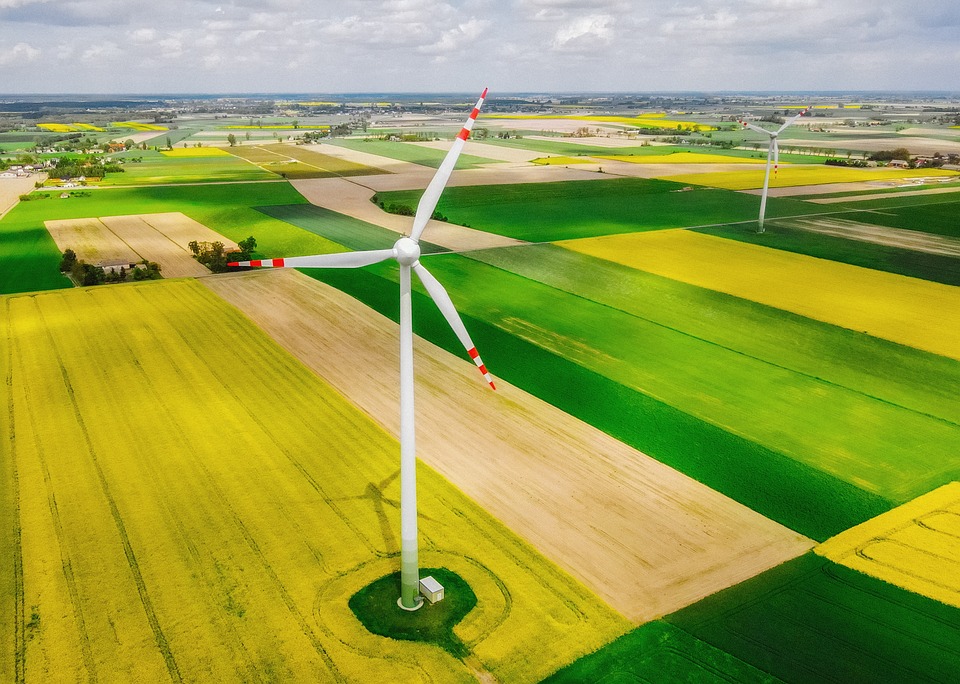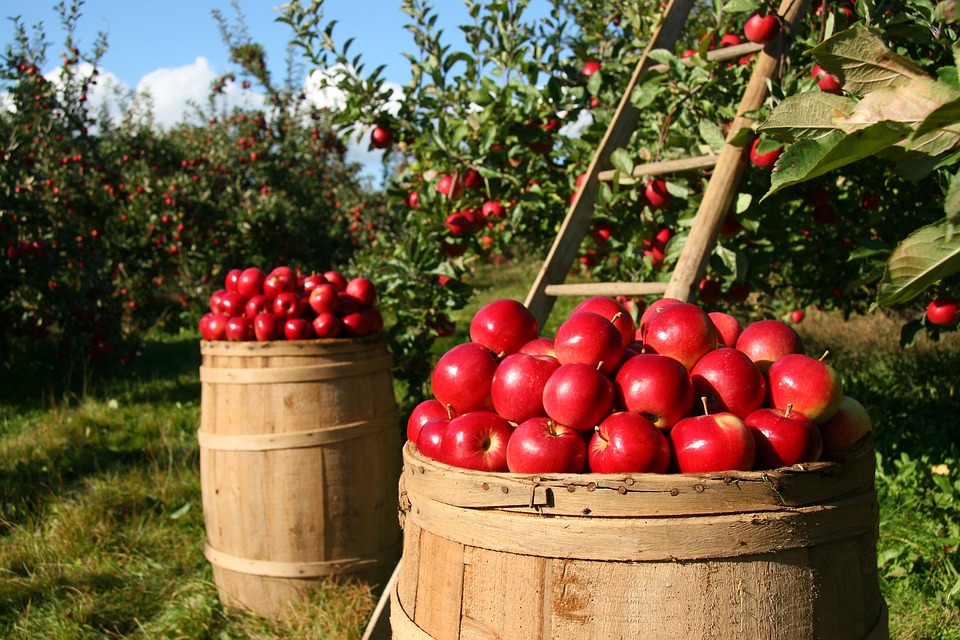

Off Grid Living

solar panels

Harnessing the Power of the Sun: The Rise of Solar Panels

Harnessing the Power of the Sun: The Rise of Solar Panels As rays of golden sunlight poured through the canopy of trees, the rhythm of nature enveloped me. I found solace in the embrace of the wilderness, living harmoniously with the planet and disconnecting from the chaos of modern society. One aspect of my off-the-grid lifestyle that contributed to this idyllic existence was the integration of solar panels into my humble abode. The rise of solar panels has had a profound impact on our world, not only providing renewable energy but also offering a glimpse into a future filled with clean and sustainable power sources. Join me on this exciting journey as we explore the marvels of harnessing the power of the sun and unlocking its potential. The concept of solar energy is not new; ancient civilizations had already recognized the brilliance of the sun and devised ways to utilize its warmth and light. It wasn’t until the late 19th century that scientists began experimenting with the photovoltaic effect, which ultimately led to the creation of the first functioning solar cell. However, it wasn’t until the 1950s that solar technology truly began to evolve rapidly. While initially deemed expensive and impractical, solar panels have come a long way since their inception, now becoming a common sight on rooftops across the globe. The growth and widespread adoption of solar panels can be attributed to the astounding advancements in technology, decreasing costs, and the collective realization that we need to transition to cleaner energy sources. One of the main advantages of solar panels is their ability to convert sunlight into electricity. When photons from the sun’s rays strike the surface of the solar panel cells, electrons are excited and set into motion, creating a flow of electricity. This clean and sustainable energy is then harnessed to power our households, businesses, and even entire communities. The environmental benefits of solar panels are undeniable. By harnessing the sun’s energy, we reduce our reliance on fossil fuels, reducing harmful greenhouse gas emissions and mitigating climate change. Solar power offers a viable solution to combat the global energy crisis, as the sun provides an abundant and inexhaustible source of power. Additionally, solar energy production does not create noise pollution nor contribute to air or water pollution, ensuring a healthier and cleaner planet for future generations to thrive. As we continue to witness the exponential growth of solar energy, it is important to acknowledge the numerous economic benefits associated with this renewable energy source. One such advantage is the potential for financial savings. While the initial investment in solar panels may seem steep, over time, the cost can be offset by reduced electricity bills or even selling excess energy back to the grid. It is becoming increasingly clear that investing in solar panels not only benefits the environment but also proves to be a shrewd financial decision. Pro Tips: 1. Research local regulations and subsidies: Before embarking on your solar panel journey, familiarize yourself with any local regulations and financial incentives provided by your government. These can help reduce the costs and paperwork involved in installation. 2. Work with reputable solar panel installers: Choose a company with a proven track record in solar panel installations. This ensures quality workmanship and adherence to safety standards, leading to a hassle-free experience. 3. Optimize your energy usage: While solar panels provide an abundant source of energy, it is still prudent to be mindful of your electricity consumption. Practice energy-efficient habits such as turning off unnecessary lights and appliances when not in use. The rise of solar panels has not only transformed individual homes but has also had a profound impact on entire communities. Solar farms have emerged as a cost-effective solution for generating large-scale solar power. These vast fields of solar panels generate impressive amounts of electricity in a sustainable and efficient manner. As more communities embrace this technology, the dependence on traditional energy sources diminishes, ensuring a greener and more self-sufficient future. Furthermore, advances in energy storage technologies, such as batteries, have enhanced the efficiency and reliability of solar panels. Battery storage systems allow excess energy generated during daylight hours to be stored for use during nighttime or cloudy days, eliminating any dependence on the grid. This capability offers a greater level of self-sufficiency, making solar-powered homes truly independent from traditional energy sources. The rise of solar panels has also paved the way for innovative solutions beyond our homes and businesses. From solar-powered vehicles to solar-powered streetlights, industries are incorporating solar technology into their everyday operations. Not only do these advancements reduce carbon emissions, but they also foster a sustainable and eco-conscious approach to transportation and infrastructure development. As we look to the future, the potential of solar energy seems boundless. We stand at the cusp of a renewable revolution, fueled by the remarkable power of the sun. Advancements continue to be made in solar panel technology, making them even more efficient and affordable. In the pursuit of a cleaner and greener world, solar panels offer hope and opportunity. Harnessing the power of the sun through solar panels has been a cornerstone of my off-the-grid lifestyle. It has provided me with an unprecedented level of freedom, self-sufficiency, and harmony with nature. But you don’t need to abandon modern society entirely to reap the benefits of solar panels. By embracing this renewable energy source, we can become agents of change, creating a brighter future for ourselves and generations to come. Pro Tips: 4. Consider off-grid solar systems: If you seek complete independence from the grid, off-grid solar systems with battery storage are ideal. These systems store excess energy and provide power even when the sun isn’t shining. 5. Evaluate your energy needs: Before installing solar panels, assess your energy consumption patterns. Understanding your needs will help determine the appropriate size and capacity of your solar panel system, ensuring optimal efficiency and avoiding unnecessary costs. In conclusion, solar panels have emerged as a beacon of hope, illuminating our path towards
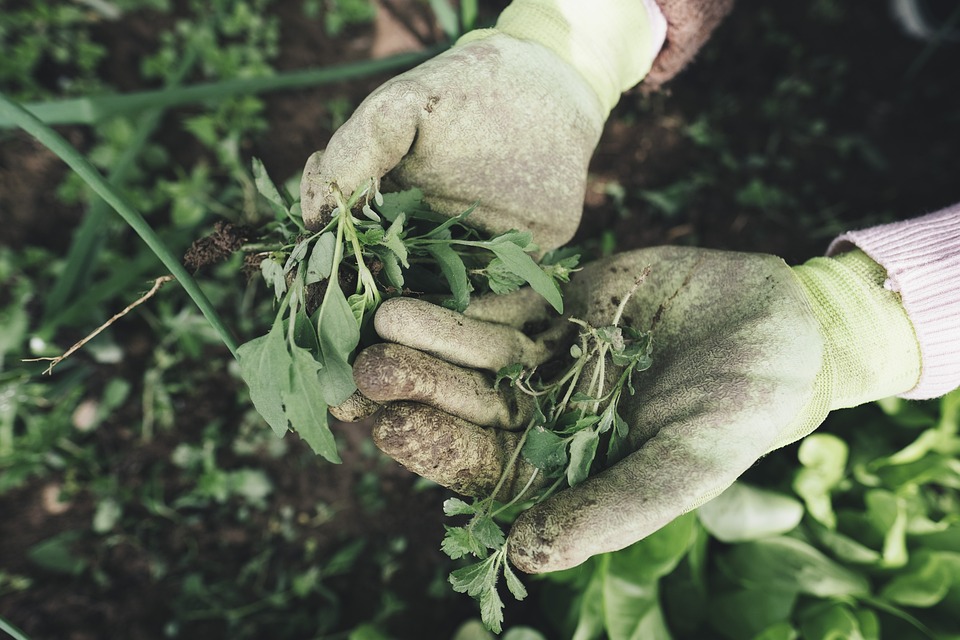

farming and gardening

Sustainable Farming: Revolutionizing Agriculture for a Greener Future

Reaping the Green Benefits: Sustainable Farming Revolutionizing Agriculture Picture this: a lush green landscape, buzzing with life, where rows of vibrant crops sway gently under the warm embrace of the sun. As I walk through this idyllic scene, a sense of purpose and fulfillment fills my heart. Sustainable farming has become my way of life, and it’s been an incredible journey. My venture into sustainable farming and gardening started many years ago, when I decided to disconnect from the hustle and bustle of city life and embrace a simpler, more self-sufficient existence. With a strong desire to live off the grid and reduce my carbon footprint, I dove headfirst into the world of sustainable farming. Little did I know then that my passion for the earth and its bounties would lead me to witness the extraordinary revolution taking place in agriculture today. Sustainable farming, also known as regenerative agriculture, not only promotes self-sufficiency but also nurtures the ecosystem, ensuring long-term benefits for humanity and our planet. It is a holistic approach that focuses on working with nature rather than against it. By implementing regenerative techniques, farmers are fostering healthy soils, enhancing biodiversity, and reducing pollution, all while yielding bountiful harvests. This convergence of sustainability and agriculture is fundamentally transforming the future of farming. One of the key principles of sustainable farming centers around soil health. Carbon sequestration, a term that may sound complex but is truly transformative, is at the crux of this principle. As plants photosynthesize, they absorb carbon dioxide from the atmosphere and store it in their roots. By adopting regenerative practices such as cover cropping and crop rotation, farmers can increase soil organic matter, leading to greater carbon sequestration. This process both mitigates climate change by reducing carbon dioxide levels and nourishes the soil, facilitating healthier crop growth and nutrient availability. Cover cropping, a remarkable practice gaining traction worldwide, involves planting specific crops during the off-season or alongside cash crops. These cover crops play a crucial role in preventing soil erosion, reducing weed growth, and improving soil structure. A diverse array of cover crops, such as legumes and grasses, can fix atmospheric nitrogen, increasing soil fertility without the need for synthetic fertilizers. This not only reduces costs for farmers but also minimizes nutrient runoff, preventing water pollution and protecting ecosystems. Talk about a win-win situation for both farmers and the environment! Another key component of sustainable farming lies in the realm of integrated pest management (IPM). Instead of relying solely on chemical pesticides, which can harm beneficial insects and contaminate soil and water, IPM seeks to find a balance between pests and natural predators. By enhancing biodiversity on farms through hedgerows, companion planting, and habitat creation, farmers are inviting nature’s army of beneficial insects to combat pests. Ladybugs, lacewings, and hoverflies are just a few examples of these eco-warriors tirelessly defending crops against their would-be destroyers. The result? A decrease in the need for chemical pesticides, healthier and more resilient crops, and a harmony between nature and agriculture. Within the world of sustainable farming, organic practices have also gained significant momentum. Organic farming not only prohibits the use of synthetic chemicals but also encourages a nurturing approach towards the entire ecosystem. Soil health and fertility are paramount, often achieved through composting, crop rotation, and the use of organic fertilizers. Attention to biodiversity is key in organic farming, as farmers aim to create a habitat that supports both the crops and the multitude of living organisms that contribute to a balanced ecosystem. This commitment to organic practices not only yields tastier and healthier produce but also safeguards the planet for future generations. PRO TIP: Enhance your soil’s fertility by creating your own compost! Kitchen scraps, fallen leaves, and yard waste can all be beautifully transformed into black gold for your garden. Remember to balance the browns (carbon-rich materials) and greens (nitrogen-rich materials), keep the pile aerated, and voila! You’ll have nutrient-rich compost to nurture your plants. Sustainable farming isn’t just limited to small-scale operations; it has made its way into the world of large-scale agriculture as well. Forward-thinking farmers and organizations are embracing regenerative practices, even on vast tracts of land. The benefits are manifold: reduced soil erosion, increased crop resilience to climate change, enhanced water quality, and increased carbon sequestration on a grand scale. It’s a powerful reminder that sustainable farming is not merely a trend; it’s an essential shift towards a greener and more prosperous future. The revolution in sustainable farming extends beyond the cultivation of crops. Livestock operations are also undergoing transformative changes to reduce their environmental impact. Pasture-based systems, also known as rotational grazing, allow animals to browse and graze freely, mimicking their natural behaviors. This rotational approach prevents overgrazing, promotes healthier pastures, and sequesters carbon in the ground. By adopting more humane and ecologically responsible practices, farmers are creating a more harmonious relationship between animal husbandry and the environment. As the world grapples with the repercussions of unsustainable practices, the importance of sustainable farming cannot be overstated. It holds immense potential to combat climate change, preserve biodiversity, and ensure food security for generations to come. Already, this green revolution in agriculture is reaping rewards, both for nature and for us. It’s time we all join in and sow the seeds of change. PRO TIP: Start small, even if you don’t have acres of land to farm. Whether it’s a small container garden on your porch or a community garden plot, every effort to grow your own food and embrace sustainable practices contributes to a greener future. In the race towards a greener future, sustainable farming is leading the way, offering a wealth of possibilities for a more harmonious relationship between humanity and the earth. By fostering healthy soils, embracing biodiversity, and reducing reliance on synthetic inputs, regenerative practices are revolutionizing agriculture. So let’s roll up our sleeves, dig our hands into the soil, and be part of this remarkable journey towards a more sustainable and abundant future. The power to change lies

green energy

Unplugging from Society: Exploring the Allure of Off-Grid Living

Disconnecting from society and embracing off-grid living has been an incredible journey of self-discovery for me. The allure of living off the grid, away from the hustle and bustle of modern life, is undeniable. I vividly remember the first time I made the decision to unplug from society and embark on this adventure. The transcendental experience of being immersed in nature and reclaiming my sense of self was truly life-changing. In this article, I aim to share the joys, challenges, and endless possibilities that come with unplugging from society and immersing oneself in off-grid living. So sit back, relax, and let’s explore together the allure of embracing this incredible lifestyle. Living off the grid is not just an alternative approach to life; it is a profound mindset that challenges conventional norms and values. Away from the pressures of modern society, one can find solace in the simplicity, tranquility, and freedom that off-grid living offers. Whether it’s the need for self-sufficiency, concern for the environment, or a desire to escape the daily grind, many individuals are increasingly lured by the allure of embracing an off-grid lifestyle. One of the most remarkable aspects of off-grid living is the opportunity to be entirely self-reliant. From generating your own power using solar panels or wind turbines to growing your own food in lush gardens, off-grid living empowers individuals to take control of their own sustenance. I vividly recall the rewarding feeling of harvesting my first crop of juicy tomatoes, nurtured by my own hands. The sense of accomplishment and the taste of nature’s bounty are second to none. Living off the grid gives you the freedom to craft your own existence, unbound by societal expectations and restrictions. Furthermore, off-grid living offers a profound connection to nature. As technology permeates our lives more deeply, we often find ourselves alienated from the natural world. However, choosing to unplug from society allows us to reestablish this vital connection. Waking up to the gentle sound of birdsong, breathing in crisp, fresh air, and witnessing breathtaking sunsets remind us of the pure beauty that exists outside the concrete jungles we typically call home. Nature becomes our companion and guide, teaching us valuable lessons about resilience, balance, and interconnectedness. While living off the grid offers countless benefits, it is essential to acknowledge the challenges that come with it. The absence of modern amenities such as unlimited electricity or constant connectivity can be overwhelming at first. However, these restrictions soon transform into blessings, allowing us to prioritize what truly matters in life. The lack of distractions compels us to focus on personal growth, creativity, and meaningful relationships, ultimately leading to a sense of contentment and fulfillment. Now, let’s delve into some pro tips that can help you successfully transition into off-grid living: 1. Start with gradual changes: Instead of diving headfirst into a completely off-grid lifestyle, begin by making small changes. Start by reducing your reliance on technology or growing a small garden. This gradual approach will ease your transition and help you learn the ropes. 2. Embrace minimalism: Living off the grid requires simplifying your life. Embrace minimalism by de-cluttering your physical and mental space. Focus on what truly brings you joy and let go of excess possessions and distractions. 3. Develop essential skills: Learning new skills, such as gardening, carpentry, or renewable energy management, is crucial for off-grid living. Embrace the opportunity to acquire practical skills that will not only benefit your self-sufficiency but also increase your sense of accomplishment. 4. Nurture a supportive network: Although off-grid living can sometimes feel solitary, building a supportive community of like-minded individuals is essential. Connect with local off-grid communities, join sustainable living forums, or attend workshops to find kindred spirits who can offer guidance and support along the way. In conclusion, the allure of off-grid living stems from the immense freedom, self-reliance, and connection to nature it offers. By unplugging from society, embracing a simpler way of life, and prioritizing our fundamental needs, we can rediscover our true selves. The challenges that come with off-grid living are far outweighed by the countless rewards and the profound sense of fulfillment it brings. So dare to step away from the conventional path and start exploring the untapped potential that lies within the allure of off-grid living.

green energy

Embracing a Greener Lifestyle: The Rise of Eco-Friendly Consumerism

Embracing a Greener Lifestyle: The Rise of Eco-Friendly Consumerism Picture this: a small cabin nestled deep in the serene wilderness, surrounded by towering trees and a gentle creek flowing nearby. The wind gently rustles through the leaves, bringing a sense of tranquility and peace. This picturesque setting was my home for several years, as I embarked on the exhilarating journey of living off the grid. Today, I want to tell you a story of how this experience transformed my life and how, along the way, I witnessed the rise of eco-friendly consumerism. Living off the grid was an adventure like no other. It wasn’t simply a means to simplify my life; it was a conscious decision to reduce my ecological footprint and embrace a greener, more sustainable lifestyle. Without the comforts of modern society readily available, I learned to thrive in harmony with nature, using renewable energy sources, growing my own food, and adopting eco-friendly practices. Through this unique perspective, I observed a fascinating change sweeping across the world – the emergence of a new wave of eco-friendly consumerism. In recent years, eco-consciousness has become a major driving force in our society. People are awakening to the ecological challenges we face, and this awareness is reflected in their purchasing decisions. From sustainable fashion and zero-waste products to renewable energy solutions, the market has responded by offering a wide range of environmentally friendly alternatives. As someone who has witnessed this shift firsthand, I can assure you that embracing a greener lifestyle is not only fulfilling but also quite exciting. Eco-friendly consumerism has evolved from a niche market to a mainstream movement, offering an abundance of choices that cater to different needs and preferences. Let’s explore some of the key areas of this rising trend. 1. Sustainable Fashion: Dressing Consciously, Stylishly Fashion has long been associated with extravagant clothing lines, rapidly changing trends, and the often-hidden human and environmental cost behind the scenes. However, a growing number of eco-conscious fashion brands have taken center stage, revolutionizing the industry. By prioritizing ethical practices, these brands offer clothing made from organic materials, recycled fabrics, and sustainable production techniques. Embracing sustainable fashion means not only looking great but also feeling great about the impact your choices have on the environment and society. Pro Tip: When shopping for clothing, look for certifications such as GOTS (Global Organic Textile Standard) and Fair Trade, which ensure that ethical and sustainable practices are upheld. 2. Zero Waste Solutions: Reducing Waste, One Step at a Time One of the most significant challenges we face in our current consumer-driven society is waste management. However, individuals and businesses around the world are adopting zero-waste lifestyles and practices to address this issue. From reusable water bottles and cloth grocery bags to composting and bulk shopping, the zero-waste movement aims to minimize our ecological footprint. This empowering shift encourages conscious consumption, resourcefulness, and innovative thinking. Pro Tip: Start by identifying everyday single-use items you frequently rely on, such as plastic cutlery or coffee cups, and find sustainable alternatives like bamboo utensils or a reusable coffee mug. 3. Renewable Energy Solutions: Powering the Future Sustainably As we seek to reduce our reliance on fossil fuels, renewable energy solutions are playing a crucial role in the fight against climate change. Utilizing wind, solar, hydro, and geothermal energy sources, we have the ability to power our homes, businesses, and even vehicles sustainably. Solar panels have become increasingly affordable and accessible, making it easier for individuals and communities to generate their own clean energy, reducing both environmental impact and energy costs. Pro Tip: Take advantage of government incentives, tax breaks, and grants available to support individuals transitioning to renewable energy systems. Explore community solar programs to pool resources and invest in shared solar installations. 4. Supporting Local and Sustainable Agriculture: A Farm-to-Table Revolution Embracing a greener lifestyle extends beyond one’s immediate surroundings – it includes the food we consume. By supporting local and sustainable agriculture, we can strengthen our communities, minimize greenhouse gas emissions associated with long transport distances, and ensure we eat wholesome, pesticide-free produce. Farmers’ markets, community-supported agriculture (CSA) programs, and home gardening have become integral parts of this movement. Pro Tip: Join a CSA program in your area or start a home garden to grow your own fruits and vegetables. Remember, gardening not only provides nutritious food but also brings immense joy and satisfaction. As eco-friendly consumerism continues to rise, we find ourselves on the threshold of a greener, more sustainable future. Each purchase we make, every lifestyle change we embrace, has the power to shape the world we live in for future generations. By choosing eco-friendly alternatives, we become catalysts for positive change, inspiring others to join this movement. Living off the grid provided me with a unique perspective on the importance of embracing a greener lifestyle. From witnessing the blossoming of sustainable fashion to the rapid growth of renewable energy solutions, I’ve seen firsthand how eco-friendly consumerism has the power to reshape our world for the better. So, let us embark on this exhilarating journey together, hand in hand, as we embrace a greener lifestyle and forge a more sustainable path towards a brighter tomorrow.

farming and gardening

Harnessing the Power of Nature: Exploring Sustainable Farming Methods for a Greener Future

Harnessing the Power of Nature: Exploring Sustainable Farming Methods for a Greener Future Have you ever felt a deep connection with nature and wished to create a sustainable lifestyle? Well, my friend, you’re not alone. There is a growing community of individuals who have chosen to embrace a simpler way of life, one that involves sustainable farming and gardening practices. As someone who has been fortunate enough to live off the grid and pursue their passion for sustainable farming, I can assure you that it is an incredibly rewarding journey. In this article, we will embark on an exploration of sustainable farming methods, unraveling the secrets of how we can harness the incredible power of nature for a greener and more sustainable future. Sustainable farming is much more than just a fad or a trend; it is a way of life that respects the delicate balance of our planet. By adopting sustainable farming methods, we can contribute positively to the environment while also reaping the benefits of organic, healthy produce. So, let’s dig deeper into some of the most effective sustainable farming methods that you can incorporate into your own life. 1. Organic Farming: The Foundation of Sustainability At the core of sustainable farming lies the philosophy of organic farming. By saying goodbye to synthetic pesticides and chemical fertilizers, we embrace nature’s own methods of pest control and soil enrichment. Organic farming relies on organic fertilizers, compost, crop rotation, and beneficial insects to maintain the health and vitality of the soil and crops. By practicing organic farming, we build a resilient and self-sustaining ecosystem that supports the growth of healthy plants and animals. 2. Permaculture: Embracing Nature’s Wisdom Permaculture, an innovative farming system developed in the 1970s, mimics the natural patterns and relationships found in ecosystems. It involves designing agricultural systems that are diverse, self-sustaining, and resilient to environmental changes. By understanding and observing nature’s cycles, permaculture encourages us to create mutually beneficial relationships between different plants, animals, and even structures in our farms. This holistic approach not only optimizes resource usage but also enhances biodiversity and soil health. 3. Aquaponics: The Future of Sustainable Agriculture Imagine a farming system that combines the principles of aquaculture (fish farming) with hydroponics (growing plants in water). Welcome to the world of aquaponics! In this innovative and highly sustainable farming method, fish waste provides vital nutrients for the plants, while the plants filter and purify the water for the fish. This closed-loop system not only reduces water consumption but also eliminates the need for synthetic fertilizers. Aquaponics has gained popularity worldwide, especially in urban areas where space is limited. 4. Companion Planting: Nature’s Best Friends Companion planting is an ancient technique that takes advantage of the natural affinities between different plant species. By pairing compatible plants, we create a harmonious environment that promotes growth and discourages pests. For example, planting marigolds near tomato plants can deter harmful insects, while growing beans near corn helps replenish the soil with nitrogen. The beauty of companion planting lies in its ability to boost crop health without relying on chemical interventions. 5. Agroforestry: Growing Beyond Boundaries Agroforestry takes the sustainable farming game one step further by integrating trees or shrubs into agricultural systems. By planting trees alongside traditional crops, we can create extensive root networks that enrich the soil, improve water infiltration, and provide shade. These trees are also capable of attracting beneficial insects, preventing soil erosion, and providing additional resources such as fruits, nuts, or timber. Agroforestry not only enhances biodiversity but also contributes to climate change mitigation by sequestering carbon dioxide. Pro Tips: – Start small: It can be overwhelming to transition from conventional to sustainable farming overnight. Begin with a small garden or a couple of pots on your porch. This way, you can gain experience and gradually expand your efforts. – Connect with the community: Sustainable farming is a journey best shared with like-minded individuals. Join local gardening clubs, attend workshops, or find online communities that can provide support, advice, and inspiration. – Embrace experimentation: Sustainable farming is all about observing, learning, and adapting. Don’t be afraid to try out new techniques, plants, or even unconventional ideas. Sometimes the best breakthroughs come from unexpected places. By embracing sustainable farming methods, we unlock the true power of nature and pave the way for a greener future. The benefits are aplenty – from healthier produce and improved soil fertility to reduced environmental impact and increased self-sufficiency. Let’s seize this opportunity to harness the incredible potential that lies within our soils, our plants, and our collective spirit. Together, we can create a sustainable paradise that will benefit both us and future generations. So, grab your gardening tools, put on your gloves, and let’s embark on this exciting journey towards a greener way of life!

green energy

The Future is Green: How to Live an Energy Efficient Lifestyle

Once upon a time, I found myself tired of the hustle and bustle of city life, longing for a connection with nature and a simpler, more sustainable existence. So, I decided to take the leap and embrace an off-grid lifestyle. Living off the grid has not only allowed me to minimize my carbon footprint but has also given me a newfound appreciation for the wonders of renewable energy. In this article, I’ll take you on a journey to a greener future, sharing practical and innovative ways to live an energy-efficient lifestyle. Buckle up and get ready to embark on an exciting adventure! Embracing renewable energy sources is the cornerstone of a sustainable future. While we may not all be able to live completely off the grid, implementing some energy-efficient practices can significantly reduce our ecological footprint. In 2050, experts predict that renewable energy will provide nearly 50% of global electricity production, marking a giant leap toward a greener and healthier planet. So, let’s dive into the world of energy efficiency and explore how you can be a part of this exciting movement. Cozy Up to Solar Energy Our journey begins with the sun, the mightiest energy source of them all. Solar power holds immense potential for reducing our dependence on fossil fuels and shrinking our environmental impact. Install solar panels on your roof, or if you have a garden, set up ground-mounted solar arrays to soak up that sweet sunlight. By harnessing the sun’s energy, you can power your home, your appliances, and even charge your electric vehicle. But wait, there’s more to solar power than just electricity production! Solar water heaters are a fantastic addition to any eco-friendly household. They utilize solar thermal energy to heat your water, slashing your reliance on gas or electric water heaters and reducing your utility bills. Plus, taking a shower or enjoying a hot bath powered by the sun is an absolute delight! Pro Tip: Opt for appliances with built-in solar charging capabilities to harness the sun’s power even more efficiently. Wind Power: Embrace the Gentle Gusts As the wind whispers through the trees, it carries with it a promise of a greener future. Wind power, another renewable energy superstar, has been a game-changer for many off-grid enthusiasts like myself. Large wind turbines capture the power of gusts and convert it into electricity, supplying energy to homes, communities, and even entire cities. But don’t worry, you needn’t erect a massive turbine in your backyard to catch the wind’s energy! Small wind turbines are available for residential use, designed to fit unobtrusively on rooftops or within small areas of open land. These turbines can cater to a significant portion of your energy requirements, proving that big change can start in small spaces. Pro Tip: Find out if your area is suitable for wind power by consulting maps or online resources that indicate wind speed and patterns. Take advantage of strong gusts for maximum energy generation. Efficiency Unleashed: Energy-Saving Tips and Tricks While transitioning to renewable energy sources is a remarkable stride towards sustainability, maximizing efficiency within your home is equally important. By implementing a few energy-saving practices, you can further minimize your ecological footprint. Let’s explore some pro tips to make your energy-efficient lifestyle a breeze! 1. Embrace LED Lighting: Bid farewell to energy-hungry incandescent bulbs and replace them with energy-efficient LED lighting. These bulbs consume a fraction of the energy, last longer, and produce less waste heat. 2. Smart Home, Smarter Energy Use: Invest in smart home devices, from thermostats to power outlets. They allow you to control and optimize your energy consumption remotely, reducing both waste and costs. 3. Power Down Phantom Loads: Phantom loads, also known as standby power, can sneakily drain energy even when devices are turned off. Unplug chargers, turn off power strips, and switch appliances fully off when not in use to eliminate these sneaky energy vampires. 4. Weatherize Your Home: Weatherstripping windows and doors, insulating walls, and upgrading to double or triple-glazed windows will help maintain comfortable temperatures inside your home, requiring less heating or cooling. 5. Efficient Appliances for Efficient Living: When it’s time to replace your old appliances, opt for energy-efficient options. Look for the ENERGY STAR label, which indicates that the device meets strict energy efficiency criteria while delivering high performance. Pro Tip: Conduct an energy audit of your home to identify areas where you can reduce waste and enhance efficiency. Seek professional advice or use online tools to analyze your energy consumption. Energy Efficiency – Beyond Four Walls Living an energy-efficient life extends beyond the confines of our homes. Transportation, food choices, and overall consumption play pivotal roles in shaping our ecological impact. Let’s explore a couple of exciting ways to incorporate energy efficiency into all aspects of our lives! 1. Sustainable Commuting: Swap your gas-guzzling car for an electric vehicle (EV) or embrace active transport, such as biking or walking whenever possible. It’s not only greener but also good for your physical and mental health. 2. Grow Your Own: Starting a small garden can yield tremendous benefits. Growing your own fruits, vegetables, and herbs reduces the environmental impact associated with transportation and packaging. Plus, it’s a rewarding and delightful experience! Pro Tip: If you lack space for a traditional garden, look into vertical gardening or community gardens in your area. In conclusion, folks, the future is indeed green! By integrating renewable energy sources into our lives and embracing energy-efficient practices, we can build a sustainable future for ourselves and generations to come. From solar panels and wind turbines to LED lighting and smart home devices, every step we take towards energy independence and efficiency counts. Let’s embark on this adventure together, hand in hand with Mother Nature, as we create a greener and brighter tomorrow. So, are you ready to make a difference in your own life? The possibilities are endless, and the rewards are truly remarkable. Let the power of renewable energy and energy efficiency carry you toward a greener

solar panels

Harnessing the Power of the Sun: A Comprehensive Guide to Off Grid Solar Systems

Harnessing the Power of the Sun: A Comprehensive Guide to Off Grid Solar Systems Picture a beautiful morning on a serene piece of land, a place where the hustle and bustle of city life is far behind. As the sun peeks over the horizon, its gentle rays warmly touch your face, and you can’t help but smile. In that moment, you realize the immense power of the sun and how it can transform your life when living off the grid. Welcome to the world of off grid solar systems, where you can harness the power of the sun to create a sustainable and independent life. In this comprehensive guide, we will explore everything you need to know about off grid solar systems, from the basics to the pro tips, ensuring that you can make the most of this incredible source of renewable energy. Understanding Off Grid Solar Systems: Getting Started Before we dive into the intricacies of off grid solar systems, let’s start with the basics. Essentially, an off grid solar system allows you to generate electricity without relying on the traditional power grid. It empowers you to become self-reliant, harnessing the abundant power of the sun to meet your energy needs. By installing a solar panel system, a collection of photovoltaic (PV) panels, you can convert sunlight into electricity. This energy can be stored in batteries or used directly to power appliances and devices. The Components of an Off Grid Solar System: Building Blocks of Energy Independence To truly embrace the world of off grid living, it’s important to familiarize yourself with the key components of an off grid solar system. Let’s take a look at each of these elements: 1. Solar Panels: These are the workhorses of your off grid solar system, capturing sunlight and converting it into electricity. Solar panels are typically made of photovoltaic cells, which generate electricity when struck by sunlight. 2. Charge Controllers: As the name implies, charge controllers regulate the amount of charge going into your battery bank. They prevent overcharging and extend the life of your batteries. 3. Batteries: These are the storage units for the electricity generated by your solar panels. Batteries allow you to have a continuous supply of power, even during cloudy days or after sunset. 4. Inverter: An inverter converts the direct current (DC) produced by your solar panels and batteries into alternating current (AC), which is suitable for most household appliances. 5. Backup Generator: Though not always necessary, a backup generator can provide supplementary power during prolonged periods of low sunlight or when energy demands exceed the capacity of your solar system. Sizing Your Off Grid Solar System: Calculating Your Energy Needs Now that you understand the basic components, it’s essential to correctly size your off grid solar system. This ensures that you have enough power to meet your energy demands without overloading or underutilizing your system. To size your system, you’ll need to determine your daily energy consumption. Consider the appliances you use, their power ratings (in watts), and the number of hours you use them each day. Add up these numbers to estimate your daily electrical energy consumption in watt-hours (Wh). Once you have this figure, you can use it to size your solar panel array, battery capacity, and inverter rating. It’s important to factor in variations due to seasons, weather patterns, and any additional energy requirements you might have (such as a well pump or air conditioning). Pro Tip: Always design your system with a margin of safety to accommodate unforeseen circumstances or changes in energy usage. It’s better to have excess capacity than to fall short when you need it most. Solar Panel Installation: Harnessing the Sun’s Energy With your system’s size determined, it’s time to turn your attention to solar panel installation. Proper placement and orientation are crucial to maximize energy generation. Here’s what you need to consider: 1. Location: Choose an area on your property that receives ample sunlight throughout the day, such as a south-facing roof, open field, or dedicated solar panel installation. 2. Tilt and Orientation: The tilt angle of your solar panels should be optimized for your latitude. In the Northern Hemisphere, tilting the panels at an angle roughly equal to your latitude ensures optimal energy capture. Proper orientation towards the sun, typically south, maximizes energy potential. 3. Shading: Avoid any shading that might obstruct sunlight from reaching your solar panels. Even a small amount of shading can significantly reduce energy production. Battery Bank and Charge Controller Setup: Energy Storage and Regulation With your solar panels installed, it’s time to focus on your battery bank and charge controller setup. Here are some critical considerations: 1. Battery Type: Choose the right type of battery for your off grid solar system. Deep cycle batteries, such as lead-acid or lithium-ion, are commonly used due to their capacity to handle regular discharging and recharging cycles. 2. Battery Bank Capacity: Determine the required capacity of your battery bank to store enough energy to meet your consumption needs during cloudy days or at night. Proper battery sizing is crucial to avoid over-discharging or under-utilizing your battery bank. 3. Charge Controller Capacity: Ensure your charge controller can handle the current output from your solar panels and properly regulate the charge going into your battery bank. MPPT (Maximum Power Point Tracking) charge controllers are often recommended for their efficiency in converting solar energy. Pro Tip: Monitor your battery bank regularly and implement a maintenance routine to prolong the lifespan of your batteries. Regularly checking battery voltage, cleaning terminals, and equalizing charges can significantly extend their longevity. Inverter and Backup Power: Converting and Supplementing Energy To reap the benefits of your off grid solar system, you’ll need to convert the DC energy from your batteries into usable AC power. Here’s what you need to know about inverters: 1. Sine Wave: Consider using a pure sine wave inverter, as it provides high-quality AC power suitable for all types of appliances and electronics. Modified sine wave inverters may

green energy

Breaking the Plastic Cycle: Exploring Biodegradable Alternatives for Sustainable Living

Ah, the freedom of living off the grid, where every aspect of my life intertwines with nature and sustainability. From growing my own food to harnessing solar power, I have truly embraced a lifestyle that minimizes my impact on the environment. However, one issue that constantly nagged at me was the extensive use of plastic in our daily lives. As someone who has spent years living off the grid, I embarked on a quest to discover biodegradable alternatives for sustainable living. Join me on this vibrant and upbeat journey as we break free from the plastic cycle and explore eco-friendly options that will make the world a better place! Plastic, as we all know, is an incredibly versatile material. It has been the backbone of our modern society, offering countless benefits and conveniences. Yet, its negative impact on the environment is undeniable. From polluting our oceans to harming wildlife, the consequences of plastic pollution cannot be ignored. These realities struck a chord with me and fueled my determination to find alternatives that were both biodegradable and sustainable. One of the first discoveries on my quest was the marvelous world of bioplastics. Bioplastics are derived from renewable resources such as cornstarch, sugarcane, or even algae. These materials offer a promising solution as they readily degrade compared to their petroleum-based counterparts, leaving behind minimal ecological impact. Imagine, no more guilt when tossing away your food packaging or spoons, knowing that they will naturally break down into harmless substances. However, it is important to note that not all bioplastics are created equal. Some are designed to compost only in commercial facilities, while others may require specific conditions to biodegrade properly. Understanding the distinction between compostable and biodegradable bioplastics is crucial to ensure they are disposed of correctly. Always look for certifications such as ASTM D6400 or EN 13432, which guarantee the product’s environmentally friendly properties. But why stop at plastics when we can explore the realm of alternative materials altogether? Nature has gifted us with an array of exceptional resources that can be harnessed for sustainable living. Take bamboo, for instance. This remarkable plant grows rapidly and regenerates quickly, making it an excellent replacement for a multitude of single-use plastic items. From biodegradable straws to sturdy bamboo toothbrushes, embracing bamboo products not only reduces waste but also supports sustainable farming practices. Now, let’s turn our attention to another eco-friendly alternative: hemp. With its impressive strength and versatility, hemp has proven to be a game-changer in the pursuit of sustainable living. Hemp fibers can be transformed into a wide range of goods, including durable clothing, biodegradable packaging, and even eco-friendly building materials. Embracing hemp not only reduces our reliance on plastic but also supports sustainable agriculture practices and reduces deforestation. As we venture deeper into the world of sustainable alternatives, it’s inspiring to witness the innovative solutions emerging from various industries. One such groundbreaking invention is the edible water bottle. Yes, you heard that right! Picture a portable sphere made from a seaweed-based gel that you can simply pop into your mouth or consume entirely. Not only does this edible packaging drastically reduce plastic waste, but it also offers a refreshing and eco-friendly way to stay hydrated on the go. Pro Tips: 1. Remember to properly dispose of biodegradable plastics to ensure they end up in the right environment for degradation. Compostable plastics should go in appropriate compost bins, while biodegradable plastics should be sent to municipal recycling facilities. 2. When purchasing biodegradable or sustainable products, always opt for those with trustworthy certifications, ensuring their eco-credentials. 3. Explore surplus or second-hand markets when searching for sustainable alternatives. Often, you can find unique and eco-friendly items that are both affordable and earth-friendly. Our journey to break the plastic cycle and embrace biodegradable alternatives for sustainable living has taken us on a vibrant adventure. From bioplastics to bamboo and even edible packaging, the possibilities are endless. Each small change we make in our lives towards a greener path contributes to creating a brighter future for generations to come. So, let’s raise our sustainable cups, made from recycled materials, of course, and toast to a plastic-free world where nature and humanity coexist harmoniously!

farming and gardening

Revolutionizing Agriculture: How Sustainable Farming Practices are Changing the Game

Revolutionizing Agriculture: How Sustainable Farming Practices are Changing the Game Picture this: a vibrant green oasis nestled amid suburbia, basking in the warm glow of sunshine. The air is filled with the sweet scent of earth, and the melodic sounds of birdsong provide the perfect backdrop. This is my slice of paradise, a sustainable farm where I have spent countless hours nurturing the land and witnessing firsthand the incredible power of sustainable farming practices. Living off the grid has allowed me to escape the clutches of the concrete jungle and embrace a simpler way of life. As I take you through the incredible journey of revolutionizing agriculture, prepare to be amazed by the transformative effect sustainable farming practices are having on the world around us. The beauty of sustainable farming lies in its ability to harmoniously coexist with nature. Gone are the days of indiscriminate use of harmful pesticides and chemical fertilizers; we have entered a new era where symbiotic relationships with the land and its inhabitants are the key to success. As I tilled the soil with my hands, I could almost feel the earth sigh in relief, as if sensing that we were embarking on something revolutionary. One of the fundamental principles of sustainable farming is biodiversity. By cultivating a variety of crops, we ensure that our fields are not only resilient to pests and diseases but also capable of providing a diverse range of nourishment. Interplanting, crop rotation, and companion planting have become my secret weapons in the battle against traditional monoculture farming practices. Nature’s ingenious ways have shown me that diversity truly is the spice of life! Besides the incredible benefits to the environment, sustainable farming practices have also revolutionized the way we view food. Locally sourced, organic produce has become the holy grail for conscious consumers, and sustainable farmers are the knights in shining armor delivering this bounty. By farming sustainably, we can ensure that the food we put on our tables is not only free from harmful chemicals but also bursting with the natural flavors and nutrients that Mother Nature intended. Traditional agriculture has long been associated with water scarcity and soil degradation, but sustainable farming practices are turning the tide. Through the clever use of rainwater harvesting systems, mulching techniques, and low-pressure irrigation systems, we are now able to make the most efficient use of our precious water resources. The soil, once depleted and lifeless from overuse, is now thriving with microbial activity, thanks to organic matter and cover cropping. This new breed of agriculture is not just saving the planet; it’s replenishing it. But what about the not-so-green thumbs among us? Fear not! Sustainable farming is not just for us seasoned veterans; it’s for anyone willing to embrace a greener lifestyle. With a plethora of online resources, workshops, and community-supported agriculture initiatives, everyone can get their hands dirty and experience the joy of growing their own nourishment. Have a small backyard? Vertical gardening and container gardening are the perfect solutions for limited space. Every small effort counts towards the greater goal of sustainable farming. Now, let’s delve into some delightful pro tips that will help you flourish as a sustainable gardener: 1. Embrace composting: Transform kitchen scraps into black gold by composting. Not only will it reduce landfill waste, but the resulting nutrient-rich humus will work wonders for your plants. 2. Attract beneficial insects: Encourage the presence of ladybugs, bees, and other pollinators by planting native flowers and providing them with water sources. These tiny allies will help ward off pests and boost your garden’s productivity. 3. Practice crop rotation: Avoid planting the same crop in the same spot year after year to prevent soil-borne diseases and pests from gaining a foothold. Rotate your crops each season to keep your garden healthy and thriving. 4. Go organic: Skip the synthetic fertilizers and pesticides, and opt for organic alternatives. Not only are they safer for the environment and your health, but they also promote a balanced ecosystem in your garden. 5. Save seeds: Preserve the genetic diversity of plants by saving seeds from your best specimens. This practice not only saves money but also empowers you to be self-sufficient in your gardening endeavors. As we bid adieu to the era of unsustainable agriculture, a new chapter brimming with hope and possibility unfolds before us. Sustainable farming practices are igniting a revolution, captivating the hearts and minds of people worldwide. By embracing these practices, we can heal the Earth, nourish our bodies, and ensure a better future for generations to come. So roll up your sleeves, grab a spade, and join me on this incredible adventure towards a greener tomorrow. Together, we are cultivating change, one seed at a time!

green energy

Escape the Grid: Discover the Benefits and Challenges of Living Off-Grid

Living off the grid has transformed my life in more ways than I ever could have imagined. As I embarked on this unconventional journey, bidding farewell to the conveniences of modern society, little did I know that I was about to uncover a treasure trove of benefits and challenges. It’s an adventure, a dance with nature, and an exploration of true self-sufficiency. Today, I invite you to join me as we dive into the fascinating world of off-grid living, discover its remarkable advantages, and confront the occasional hurdles that come along the way. Picture this: a vibrant sunrise breaking over the horizon, a gentle breeze whispering through the trees, and the soothing sounds of nature embracing you. That’s what life is like when you escape the grid. It all started for me when I made the audacious decision to leave behind the hustle and bustle of city life and find solace in the arms of Mother Nature. Away from the incessant noise and distractions, I sought a quieter and more authentic existence. And boy, did I find it! One of the greatest perks of living off-grid is the unrivaled sense of freedom it offers. No longer confined within the walls of a cookie-cutter house, I found myself immersed in the boundless beauty of the natural world. Waking up every day with the opportunity to shape my surroundings, whether it be growing my own food, designing eco-friendly systems, or simply exploring the wilderness, has been a source of endless joy and inspiration. You might be thinking, “Where on Earth do you live without the grid?” Well, dear reader, the beauty of off-grid living is that it can happen anywhere. From secluded mountain retreats to off-the-beaten-path islands, the world is your oyster when you have the courage to step outside the confines of conventional living. Whether you choose a quaint cabin nestled in a lush forest or a solar-powered RV roaming the open roads, you can carve out your own slice of paradise. Alongside the freedom, off-grid living is a gateway to a simpler, more sustainable lifestyle. With self-sufficiency as your North Star, you learn to rely on your own ingenuity and resources. Harnessing renewable energy sources such as solar panels and wind turbines, composting waste, and practicing rainwater harvesting are just a few examples of the sustainable practices that become second nature. Not only do these actions reduce your environmental impact, but they also allow you to develop a deeper connection with the Earth and appreciate the value of each resource. Now, let’s address the elephant in the room: the challenges. Living off-grid is not a walk in the park; it’s a dance through uncharted territory. But fear not, fellow adventurers, for every challenge brings an opportunity for growth. One of the most common hurdles is the initial transition period. Adapting to a lifestyle devoid of constant electricity, running water, and instant connectivity requires patience and an open mind. It’s about relearning the art of simplicity and finding beauty in the quiet moments. And trust me, the rewards are immeasurable. Speaking of rewards, the sense of accomplishment that arises from mastering survival skills can’t be overstated. From building and maintaining your shelter to foraging for food and filtering water, each milestone is a testament to your resilience and adaptability. No longer will life’s uncertainties shake you to the core, as you learn to embrace them and thrive in the face of adversity. Pro Tips: 1. Embrace the power of community: Living off the grid doesn’t have to mean isolation. Connect with like-minded individuals in your area or join online communities where you can exchange knowledge, share resources, and find support during challenging times. 2. Prioritize self-care: Off-grid living is exhilarating, but it can also be physically and emotionally demanding. Take time for yourself, practice mindfulness, and fuel your body with wholesome, nourishing foods that sustain your energy levels. 3. Embrace the art of simplicity: Let go of material possessions and embrace a minimalist lifestyle. Surround yourself with only what you truly need, focusing on experiences and relationships rather than accumulating stuff. So, my fellow adventurers, are you ready to embark on this remarkable journey? To leave behind the confines of an ordinary existence and explore the extraordinary? Escape the grid, discover your inner resilience, and unlock a world of unparalleled beauty and freedom. Trust me, the only thing you’ll lose is the longing for a life that never truly satisfied you. Welcome to the vibrant, off-grid community – where your spirit can soar, your soul can bloom, and your heart can find its true home.