Solar Panels

solar panels

The Economics of Solar Power: Saving Money while Saving the Planet

Living off the grid has been an incredible experience for me, and one of the most exciting aspects has been exploring the world of solar power. For years, I’ve relied on the sun to power my home and provide electricity, and it’s been a game-changer in so many ways. Not only does solar power offer an environmentally friendly way to generate energy, but it’s also been a huge money-saver. In fact, I’ve discovered that the economics of solar power are not only beneficial for the planet, but they can also have a positive impact on your wallet. If you’re curious about how solar power can save you money while also helping to save the planet, read on for some eye-opening insights and tips from my own experiences. The first and most obvious benefit of solar power is the reduction in your electricity bills. When you’re living off the grid, every dollar counts, and I quickly realized that traditional energy expenses were eating into my budget. By harnessing the power of the sun, I’ve significantly reduced my reliance on the grid and have seen a major decrease in my monthly energy costs. In fact, I’ve saved thousands of dollars over the years by making the switch to solar, and it’s been incredibly liberating to free myself from the burden of high electricity bills. But the cost savings don’t stop there. With advancements in solar technology, the initial investment in solar panels and installation has become more affordable than ever. When I first started my journey off the grid, I was pleasantly surprised to find that the cost of solar panels had significantly decreased, making it a more accessible option for many homeowners. Additionally, there are various incentives and tax credits available for those who choose to invest in solar power, further reducing the upfront expenses and making it a financially viable choice for many people. Another economic benefit of solar power is the potential for earning money through net metering. Net metering allows you to sell excess energy generated by your solar panels back to the grid, creating a source of passive income. This means that not only can you drastically reduce your electricity bills, but you can also potentially earn money by producing more energy than you use. It’s a win-win situation that adds an extra layer of financial incentive to making the switch to solar power. Furthermore, solar power can increase the value of your home. As more and more people become environmentally conscious and seek out eco-friendly living options, a home with solar panels is increasingly appealing to potential buyers. Studies have shown that homes with solar power systems sell faster and at a higher price than those without, meaning that your investment in solar energy can pay off in the long run should you decide to sell your home in the future. But perhaps the most impactful benefit of solar power is the positive impact it has on the environment. By reducing your reliance on fossil fuels and lowering your carbon footprint, you’re contributing to a healthier, cleaner planet for future generations. As someone who has personally witnessed the effects of climate change, this aspect of solar power has been especially rewarding for me. Knowing that I’m doing my part to protect the environment while also saving money has made the switch to solar power an incredibly fulfilling experience. Now that I’ve outlined the many benefits of solar power, let’s dive into some pro tips to help you make the most of this sustainable energy source. Pro Tip #1: Do Your Research – Before making the switch to solar power, take the time to research different solar panel options, installation companies, and financing options. By understanding the various choices available to you, you can make an informed decision that aligns with your budget and energy needs. Pro Tip #2: Maximize Your Energy Efficiency – In conjunction with solar power, consider implementing energy-efficient appliances and practices in your home to further reduce your energy usage and maximize your cost savings. Simple changes such as switching to LED bulbs or investing in energy-efficient appliances can make a significant difference in your overall energy consumption. Pro Tip #3: Take Advantage of Incentives – Be sure to explore the various incentives and tax credits available for solar power in your area. These incentives can significantly offset the initial cost of installation and make solar power an even more attractive economic choice. In conclusion, the economics of solar power are not only beneficial for saving money, but they also hold immense potential for making a positive impact on the environment. By harnessing the power of the sun, you can lower your energy bills, potentially earn money through net metering, increase the value of your home, and contribute to a cleaner, healthier planet. That’s a win-win in my book, and I can’t recommend making the switch to solar power enough. So, if you’re considering going off the grid or simply exploring sustainable energy options, I encourage you to take a closer look at the incredible benefits of solar power. It’s a decision that can truly change your life for the better, both economically and environmentally.

solar panels

Breaking Down the Cost of Solar Panels: Is it Worth the Investment?

Breaking Down the Cost of Solar Panels: Is it Worth the Investment? I remember the first time I made the decision to invest in solar panels for my off-grid living situation. It was a big leap of faith, and it required some serious number crunching to determine if the investment would be worth it in the long run. Now, having lived off the grid for several years and having seen the impact of solar panels on my energy consumption and overall quality of life, I can confidently say that the decision to go solar was one of the best I’ve ever made. In this article, I want to break down the cost of solar panels and help you determine if it’s worth the investment for your own off-grid living situation. The Cost of Solar Panels When it comes to the cost of solar panels, there are a few key factors to consider. These include the initial cost of the panels themselves, installation costs, and the potential for savings in the long run. The initial cost of solar panels can vary widely depending on the size and type of system you choose. On average, you can expect to spend anywhere from $10,000 to $30,000 for a complete solar panel system. Installation costs can also add to the overall expense, but many off-grid dwellers choose to install the panels themselves to save money. Pro Tips: When calculating the cost of solar panels, be sure to take into account any potential rebates, tax incentives, or credits that may be available to you. These can significantly reduce the initial investment and make the long-term savings even more substantial. The Potential for Savings One of the biggest factors to consider when determining if solar panels are worth the investment is the potential for savings. In my own experience, I’ve found that solar panels have more than paid for themselves over time. By harnessing the power of the sun, I’ve been able to drastically reduce my reliance on traditional fuel sources, which has led to significant savings on my energy bills. In fact, some months I’ve been able to produce more energy than I use, allowing me to sell the excess back to the grid and make a profit. Pro Tips: When considering the potential for savings, be sure to factor in the long-term cost of traditional energy sources. As energy prices continue to rise, the savings from solar panels will only become more substantial over time. The Environmental Impact Beyond the financial savings, investing in solar panels also has a positive impact on the environment. By reducing your reliance on traditional energy sources, you’re effectively reducing your carbon footprint and helping to combat climate change. This was a big factor in my own decision to go solar, and it’s a decision I’ve never regretted. Pro Tips: Consider the long-term environmental impact when weighing the cost of solar panels. The positive impact on the planet is an important factor to consider when determining if the investment is worth it. The Bottom Line In the end, the decision to invest in solar panels for off-grid living is a highly personal one. It requires careful consideration of the initial cost, the potential for savings, and the environmental impact. For me, the decision to go solar has been one of the best I’ve ever made. Not only have I seen significant savings on my energy bills, but I’ve also been able to make a positive impact on the environment. If you’re considering making the switch to solar, I encourage you to do your research, crunch the numbers, and consider the long-term benefits. In my experience, the investment is more than worth it. In conclusion, breaking down the cost of solar panels is an important step in determining if they’re worth the investment for off-grid living. Consider the initial cost, the potential for savings, and the environmental impact, and weigh the long-term benefits against the upfront expense. In my own experience, the decision to invest in solar panels has been one of the best I’ve ever made, and I encourage you to consider the potential benefits for your own off-grid living situation.

solar panels

The Growing Trend of Residential Solar Panels: A Guide for Homeowners

The Growing Trend of Residential Solar Panels: A Guide for Homeowners Living off the grid has been an incredibly rewarding experience for me. Over the years, I have learned to rely on sustainable energy sources such as solar power to provide electricity for my home. It has been an eye-opening journey, and I am thrilled to see that more and more homeowners are now considering solar panels as an alternative energy source. The growing trend of residential solar panels is something I am passionate about, and I am excited to share this guide for homeowners who are interested in making the switch to solar power. Why Residential Solar Panels? There are many reasons to consider installing solar panels on your home. Not only are you reducing your carbon footprint, but you are also saving money in the long run. Solar panels can significantly lower your electricity bill, and in some cases, you may even be able to sell excess energy back to your utility company. Additionally, solar panels require minimal maintenance and have a long lifespan, making them a worthwhile investment for any homeowner. Choosing the Right Solar Panels Before you make the switch to solar power, it’s important to do your research and choose the right solar panels for your home. There are several different types of solar panels to consider, including monocrystalline, polycrystalline, and thin-film panels. Each type has its own set of advantages and disadvantages, so it’s essential to weigh your options carefully. Pro Tips: When choosing solar panels for your home, consider factors such as efficiency, warranty, and aesthetics. It’s also a good idea to consult with a professional solar panel installer to ensure you are making an informed decision. Installation Process Once you have chosen the right solar panels for your home, it’s time to start the installation process. Solar panel installation typically involves mounting the panels on your roof or in your yard, connecting them to an inverter, and then wiring them to your electrical system. While it is possible to install solar panels yourself, it is recommended to hire a professional installer to ensure the job is done safely and correctly. Pro Tips: When hiring a solar panel installer, be sure to ask for references and check their credentials. It’s also a good idea to get multiple quotes to ensure you are getting the best deal. Maintenance and Upkeep One of the great things about solar panels is that they require minimal maintenance. However, it’s essential to clean your panels regularly to ensure they are working at maximum efficiency. Additionally, it’s a good idea to inspect your panels for any signs of damage or wear and tear. If you do notice any issues, be sure to contact a professional to address the problem promptly. Pro Tips: Consider investing in a solar monitoring system to keep track of your panel’s performance and energy production. This can help you identify any issues early on and ensure your panels are working optimally. Financial Incentives In addition to the long-term savings on your electricity bill, there are also several financial incentives available to homeowners who install solar panels. These incentives can include tax credits, rebates, and other financial incentives offered by local or state governments. Be sure to do your research and take advantage of these incentives to make the switch to solar power even more affordable. Pro Tips: Before you install solar panels, check with your local government to see if there are any financial incentives available in your area. You may be surprised at the amount of money you can save on your solar panel installation. The growing trend of residential solar panels is a positive step towards creating a more sustainable future. By making the switch to solar power, homeowners can reduce their reliance on non-renewable energy sources and take control of their electricity consumption. Whether you are environmentally conscious, looking to save money, or simply want to reduce your carbon footprint, solar panels are an excellent option for any homeowner. I hope this guide has been helpful for homeowners considering making the switch to solar power. The benefits of residential solar panels are undeniable, and I am excited to see more and more people embracing this sustainable energy source. If you have any questions or need more information on solar panel installation, don’t hesitate to reach out to a professional installer in your area. Making the switch to solar power may seem daunting at first, but the long-term benefits are certainly worth it.

solar panels

Dirty Solar Panels: The Silent Energy Killer and How to Prevent It

Dirty Solar Panels: The Silent Energy Killer and How to Prevent It Living off the grid has been a rewarding experience for me, as it has allowed me to disconnect from the hustle and bustle of the modern world and live a simpler, more sustainable lifestyle. One of the most important aspects of living off the grid is harnessing the power of the sun through solar panels. However, what many people don’t realize is that dirty solar panels can significantly decrease their efficiency and the amount of energy they produce. In this article, I’ll discuss the importance of keeping your solar panels clean and provide some tips on how to prevent them from becoming a silent energy killer. The sun is a powerful source of energy, and solar panels have the potential to harness this energy and convert it into electricity that can power our homes and appliances. However, when dust, dirt, and other debris accumulate on the surface of the solar panels, their efficiency can be greatly reduced. In fact, a study conducted by the University of California San Diego found that dirty solar panels can lose up to 25% of their energy output. This means that if you’re not regularly cleaning your solar panels, you could be losing out on a significant amount of free energy. So, how can you prevent your solar panels from becoming a silent energy killer? One of the most effective ways to keep your solar panels clean is to regularly inspect and clean them. Depending on your location and the weather conditions, you may need to clean your solar panels anywhere from once a month to once every few months. This can be done using a soft brush, a gentle cleanser, and water. However, it’s important to note that cleaning your solar panels can be a dangerous task, especially if they are installed on the roof of your home. If you don’t feel comfortable or capable of cleaning them yourself, it’s best to hire a professional to do the job. In addition to regular cleaning, there are other proactive measures you can take to prevent your solar panels from becoming dirty. One of the best ways to do this is to install your solar panels at an angle that allows for natural rainwater runoff. This can help to wash away dirt and debris and keep your solar panels clean without much effort on your part. Another important tip is to keep surrounding trees and bushes trimmed to prevent leaves, branches, and other debris from falling onto your solar panels. Furthermore, if you live in an area with frequent dust storms or high levels of pollution, it may be beneficial to invest in a solar panel cleaning system that uses water and brushes to automatically clean the panels on a regular basis. It’s also a good idea to invest in high-quality solar panels that are designed to resist dirt and debris buildup. Some manufacturers offer self-cleaning solar panels with special coating that prevents dust and dirt from sticking to the surface. While these panels may be more expensive upfront, they can save you time and effort in the long run by requiring less frequent cleaning. In conclusion, dirty solar panels can be a silent energy killer, reducing the efficiency and output of your solar power system. By regularly inspecting and cleaning your solar panels, and taking proactive measures to prevent them from becoming dirty, you can ensure that your solar panels continue to produce the maximum amount of energy and save you money in the long run. Remember, keeping your solar panels clean is an essential part of living off the grid and harnessing the power of the sun. Pro Tips: 1. Schedule regular inspections and cleaning of your solar panels to prevent dirt and debris buildup. 2. Consider installing self-cleaning solar panels or a cleaning system if you live in an area with high levels of pollution or frequent dust storms.

solar panels

Comparing Mono PERC and Polycrystalline Solar Panels: Which Provides Better Value?

Living off the grid for years has taught me the value of self-sustainability and renewable energy sources. When it comes to powering my off-grid home, solar panels have been an essential part of my setup. As technology continues to advance, the debate between mono PERC and polycrystalline solar panels has become a hot topic among those looking to invest in solar energy. Both options have their pros and cons, but which one provides better value for off-grid living? In this article, we will break down the differences between mono PERC and polycrystalline solar panels and determine which one is the best choice for off-grid living. Mono PERC vs. Polycrystalline Solar Panels: What’s the Difference? Before we dive into which type of solar panel provides better value, it’s important to understand the differences between mono PERC and polycrystalline solar panels. Mono PERC, short for monocrystalline solar panels with Passivated Emitter and Rear Cell (PERC) technology, are an advanced type of monocrystalline panels that offer higher efficiency and better performance in hot weather compared to traditional monocrystalline panels. The PERC technology improves the efficiency of the panels by allowing for more light absorption and reducing energy losses. On the other hand, polycrystalline solar panels are made from multiple silicon crystals, which results in a more affordable and cost-effective option compared to mono PERC panels. While they may not be as efficient as mono PERC panels, they still provide a reliable source of energy for off-grid living. Which Provides Better Value for Off-Grid Living? When it comes to choosing between mono PERC and polycrystalline solar panels for off-grid living, there are several factors to consider in determining which option provides better value. Efficiency and Performance One of the most important factors to consider when investing in solar panels for off-grid living is their efficiency and performance. Mono PERC panels are known for their higher efficiency, which means they can generate more power in the same amount of space compared to polycrystalline panels. This can be beneficial for off-grid living, especially in areas with limited roof space for solar panel installation. On the other hand, polycrystalline panels may be less efficient than mono PERC panels, but they still provide a reliable source of energy for off-grid living. If space is not an issue, polycrystalline panels can still be a cost-effective option for off-grid homeowners. Durability and Longevity Another important factor to consider is the durability and longevity of the solar panels. Mono PERC panels are known for their durability and long lifespan, which can make them a valuable investment for off-grid living. With proper maintenance, mono PERC panels can last for 25-30 years or even longer, providing a steady source of energy for off-grid homeowners. Polycrystalline panels are also durable, but they may not have the same long lifespan as mono PERC panels. However, with proper care and maintenance, they can still provide a reliable source of energy for off-grid living for many years. Cost-Effectiveness Cost-effectiveness is another crucial factor to consider when choosing between mono PERC and polycrystalline solar panels for off-grid living. Mono PERC panels tend to be more expensive upfront due to their higher efficiency and advanced technology. However, their long-term energy production and durability can make them a cost-effective investment for off-grid homeowners in the long run. On the other hand, polycrystalline panels are more affordable upfront, making them a budget-friendly option for those looking to invest in solar energy for off-grid living. While they may not be as efficient as mono PERC panels, their lower initial cost can make them a practical choice for off-grid homeowners on a tight budget. Pro Tips for Off-Grid Solar Panel Installation Now that we’ve weighed the pros and cons of mono PERC and polycrystalline solar panels for off-grid living, here are some pro tips for installing and maintaining solar panels in an off-grid home: 1. Consider your energy needs: Before investing in solar panels, assess your energy needs to determine how much power you will require for off-grid living. This will help you choose the right type and number of solar panels to meet your energy needs. 2. Optimize your solar panel system: To maximize the efficiency of your solar panel system, consider factors such as panel orientation, tilt angle, and shading to optimize solar energy production. 3. Invest in a reliable battery storage system: Battery storage is crucial for storing excess solar energy generated during the day for use at night or during cloudy weather. Invest in a reliable battery storage system to ensure a steady source of energy for off-grid living. 4. Maintain your solar panels regularly: Regular maintenance and cleaning of your solar panels are essential to ensure optimal performance and longevity. Keep the panels free from dirt, dust, and debris to maximize their energy production. Conclusion Overall, both mono PERC and polycrystalline solar panels offer valuable benefits for off-grid living. While mono PERC panels provide higher efficiency and long-term cost-effectiveness, polycrystalline panels offer a budget-friendly option for off-grid homeowners. It ultimately comes down to your energy needs, budget, and long-term investment goals when choosing between the two options. In my experience living off the grid, I have found that investing in a reliable solar panel system is essential for self-sustainability and energy independence. Whether you choose mono PERC or polycrystalline panels, both options can provide a steady source of energy for off-grid living, allowing you to power your home with renewable energy and reduce your reliance on traditional power sources.

solar panels

Solar Panels: Empowering Individuals and Communities with Clean Energy

Living off the grid has taught me so much about sustainable living and the power of renewable energy. One of the most revolutionary advancements in clean energy technology has been the widespread adoption of solar panels. These innovative panels have the power to not only empower individual homes and businesses with clean, renewable energy but also to transform entire communities. From personal experience, I can attest to the incredible impact that solar panels have had on my off-grid lifestyle, and I am excited to share with you the many benefits and possibilities that come with harnessing the power of the sun. Solar panels are a game-changer when it comes to off-grid living. For many years, I relied solely on generators for electricity, which was not only costly and inefficient but also harmful to the environment. However, with the installation of solar panels, I was able to harness the abundant energy of the sun to power my off-grid home. Not only did this significantly reduce my environmental impact, but it also provided me with a reliable and sustainable source of energy. Gone are the days of constantly refilling generators with fuel or worrying about power outages. Solar panels have truly transformed the way I live off the grid, and they have the power to do the same for individuals and communities around the world. The impact of solar panels extends far beyond individual homes. In fact, entire communities can benefit from the implementation of solar energy. One of the most exciting aspects of solar power is its potential to provide energy access to remote and underserved areas. In many parts of the world, communities are off the grid due to their remote location or lack of infrastructure. However, solar panels have the ability to bring clean, sustainable energy to these areas, empowering communities to thrive in a way that was once deemed impossible. From powering schools and hospitals to enabling small businesses to flourish, the possibilities are endless when it comes to the positive impact of solar panels on communities. Pro Tips: 1. When installing solar panels, it’s important to strategically place them to maximize sun exposure throughout the day. This may require careful consideration of your property layout and surrounding landscape. 2. Regular maintenance and cleaning of solar panels are essential to ensure optimal performance. This includes removing any debris, dust, or buildup that may obstruct sunlight from reaching the panels. Another exciting benefit of solar panels is their potential to save individuals and communities money in the long run. While the initial investment in solar panels may seem daunting, the long-term cost savings are significant. By generating your own electricity from the sun, you can drastically reduce or even eliminate your monthly utility bills. In addition, many governments and organizations offer incentives and rebates for the installation of solar panels, making them a financially attractive option for many individuals and communities. In addition to their cost-saving benefits, solar panels also contribute to the overall health of our planet. By harnessing the power of the sun, we can reduce our reliance on fossil fuels and decrease harmful greenhouse gas emissions. This, in turn, helps combat climate change and preserve our natural environment for future generations. Transitioning to solar energy not only benefits us in the present but also ensures a brighter, cleaner future for generations to come. The versatility of solar panels is another aspect that makes them such a powerful tool for individuals and communities alike. Whether you live off the grid, in a suburban neighborhood, or in a densely populated urban area, solar panels can be tailored to meet your specific energy needs. From small, rooftop installations to large-scale solar farms, the adaptability of solar panels allows for a wide range of applications that can benefit a diverse array of individuals and communities. This versatility makes solar panels an accessible and impactful solution for sustainable energy production. As someone who has experienced the transformative power of solar panels firsthand, I am passionate about sharing the many benefits of clean, renewable energy. From empowering individuals to transforming entire communities, solar panels have the potential to create a brighter, more sustainable future for us all. Whether you are considering making the switch to solar energy for your off-grid home or exploring the possibilities for your community, I encourage you to consider the many advantages of harnessing the power of the sun. Together, we can work towards a cleaner, brighter, and more sustainable future with the help of solar panels.

solar panels

Energy Independence: Why Off Grid Solar Systems are Gaining Popularity

Energy Independence: Why Off Grid Solar Systems are Gaining Popularity Living off the grid has been a part of my life for many years now, and I have relied on renewable energy sources to power my home and live a sustainable lifestyle. One of the key elements of this lifestyle is the use of off grid solar systems, which have been gaining popularity in recent years. These systems allow individuals and families to generate their own electricity from the sun, reducing their reliance on traditional utility companies and helping to lower their carbon footprint. In this article, we will explore the reasons why off grid solar systems are becoming increasingly popular and how they can provide a reliable source of energy independence. One of the primary reasons why off grid solar systems are gaining popularity is the increasing availability and affordability of solar panels and related technology. In the past, the high cost of solar panels and installation meant that off grid living was only accessible to those with significant financial resources. However, advancements in solar technology and increased competition in the market have driven down the cost of these systems, making them much more accessible to a wider range of people. This means that individuals and families who are looking to live off the grid can now invest in solar energy without breaking the bank, making it a much more viable option for those seeking energy independence. Another reason for the growing popularity of off grid solar systems is the desire for self-sufficiency and independence. Many people are drawn to the idea of generating their own electricity and reducing their reliance on traditional utility companies. By investing in an off grid solar system, individuals and families can take control of their energy consumption and reduce their environmental impact. This sense of independence and self-sufficiency is a major driving force behind the decision to invest in off grid solar systems, as it allows people to live in a more sustainable and ecologically friendly manner. In addition to the financial and environmental benefits, off grid solar systems also offer a high level of flexibility and adaptability. These systems can be installed in a wide range of locations, from remote off grid cabins to suburban homes, and can be customized to meet the specific energy needs of the individual or family. This means that no matter where you choose to live off the grid, you can rely on solar energy to power your home and enjoy the benefits of energy independence. Additionally, off grid solar systems can be expanded or upgraded over time, allowing for a greater level of energy production and storage as needed. This flexibility is a major advantage for those seeking to live off the grid, as it ensures that their energy needs can be met regardless of their location or circumstances. Pro Tips: 1. When choosing an off grid solar system, be sure to carefully assess your energy needs and select a system that can meet those needs. Consider factors such as the size of your home, the amount of sunlight available in your location, and your typical energy consumption. 2. In addition to solar panels, consider investing in energy storage solutions such as batteries or generators to ensure that you have a reliable source of power at all times, even when the sun is not shining. Overall, the growing popularity of off grid solar systems can be attributed to a combination of factors, including affordability, self-sufficiency, and adaptability. As more people seek to live off the grid and reduce their environmental impact, these systems provide a reliable and sustainable source of energy that can meet the needs of individuals and families in a wide range of circumstances. Whether you are looking to reduce your reliance on traditional utility companies, lower your carbon footprint, or simply enjoy the freedom of energy independence, off grid solar systems offer a compelling solution that is only continuing to gain popularity.

solar panels

Solar Power: Unlocking a Renewable Energy Revolution

Living off the grid has been an incredible experience for me, and one of the most vital components of my off-grid lifestyle is solar power. It’s truly amazing how this renewable energy source has revolutionized the way I live, providing me with a sustainable and reliable source of power. Not only does it allow me to live comfortably and self-sufficiently, but it also brings a sense of freedom and empowerment. In this article, I want to share with you the incredible potential of solar power, and how it’s unlocking a renewable energy revolution. Solar power, also known as photovoltaic (PV) energy, harnesses the sun’s energy to generate electricity. The technology has been around for decades, but it’s only recently that it’s been gaining widespread attention and adoption. As our society becomes more conscious of the environmental impact of traditional energy sources, solar power has emerged as a key player in the shift towards sustainability. One of the most exciting aspects of solar power is its accessibility. It’s not just reserved for those living off the grid—anyone can take advantage of this renewable energy source. Whether you’re a homeowner, a business owner, or a government agency, solar power can be a viable option for powering your energy needs. It’s a versatile and adaptable solution that can be scaled to fit any size of operation, making it an attractive choice for a wide range of applications. By utilizing solar power, you can significantly reduce your reliance on conventional energy sources, which in turn helps to lower carbon emissions and combat climate change. The sun is an abundant and inexhaustible source of energy, making solar power a sustainable solution for the long term. And as technology continues to advance, the efficiency and affordability of solar panels and other solar energy systems are rapidly improving. Another key benefit of solar power is its cost-effectiveness. While the initial investment in solar panel installation and equipment can be significant, the long-term savings are substantial. By generating your own electricity, you can dramatically reduce your utility bills, or even eliminate them entirely if you generate more power than you consume. In many cases, homeowners and businesses can also take advantage of government incentives and tax credits to make the switch to solar power even more economical. Pro Tips: When considering solar power for your home or business, it’s important to conduct a thorough energy audit to determine your specific energy needs. This will help you determine the size and type of solar energy system that’s best suited for your requirements. Additionally, be sure to research reputable solar installation companies and obtain multiple quotes to compare costs and services. Furthermore, choosing to invest in solar power can also increase the value of your property. Studies have shown that homes and businesses with solar panels tend to sell for more than those without, as prospective buyers recognize the financial benefits and environmental appeal of a solar-powered property. Additionally, as society continues to prioritize sustainability, solar-equipped properties are becoming increasingly desirable. One of the most appealing aspects of solar power is its reliability. Unlike traditional energy sources that are subject to outages and shortages, the sun rises every day, providing a consistent and abundant source of energy. With the advancements in energy storage technology, such as batteries and grid-tied systems, solar power can provide reliable electricity even during cloudy or inclement weather. But perhaps one of the most significant benefits of solar power is the freedom and independence it provides. For me, as someone who lives off the grid, solar power has empowered me to live entirely independently of the traditional power grid. It’s incredibly liberating to know that I’m producing my own electricity, and not at the mercy of utility companies or external factors that can disrupt power supply. This sense of self-reliance and autonomy is truly priceless. Pro Tips: If you’re considering going off-grid with solar power, it’s essential to conduct a comprehensive energy assessment to determine your power needs and the size of the solar energy system required. Additionally, investing in energy storage solutions, such as batteries, can provide a reliable backup power source and ensure uninterrupted electricity supply. As more individuals and communities embrace solar power, a renewable energy revolution is unfolding. The shift towards sustainable energy sources is already gaining momentum, and solar power is at the forefront of this revolution. The benefits it offers—environmental, economic, and personal—are compelling reasons to consider making the switch to solar. The bottom line is that solar power offers a multitude of benefits and opportunities. It’s a clean, sustainable, and cost-effective solution that empowers individuals and communities to take control of their energy needs and contribute to a more sustainable future. Whether you’re considering solar power for your home, business, or off-grid lifestyle, it’s a decision that can bring positive change and make a significant impact. Embracing solar power is not just about adopting a new energy source—it’s about joining a renewable energy revolution that has the power to transform the way we live.

solar panels

Sustainable Savings: The Surprising Affordability of Solar Panels

Sustainable Savings: The Surprising Affordability of Solar Panels Living off the grid has been an adventure that has taught me so much about sustainable living and self-sufficiency. One of the most impactful choices I made was to invest in solar panels for my off-grid home. At first, I was hesitant about the cost and feasibility of solar power, but after doing some research and speaking with professionals, I was pleasantly surprised by the affordability and long-term savings that solar panels offer. In this article, I want to share with you the surprising affordability of solar panels and how they can be a sustainable choice for anyone looking to save money and reduce their environmental impact. Why Solar Panels Are More Affordable Than You Think When most people think about solar panels, they typically associate them with high upfront costs and long payback periods. However, this is no longer the case. With advancements in technology and the increased availability of solar panel installations, the cost of solar power has become more accessible to the average homeowner. In fact, the cost of solar panels has dropped significantly over the past decade, making it a more attainable option for those looking to make the switch to renewable energy. The Return on Investment of Solar Panels One of the major misconceptions about solar panels is that they are not cost-effective. However, when you consider the long-term benefits and savings, investing in solar panels can actually provide a significant return on investment. By generating your own clean energy, you can reduce or eliminate your electricity bills, saving you hundreds or even thousands of dollars each year. In addition, many states and local governments offer incentives, tax credits, and rebates for installing solar panels, further increasing the potential savings for homeowners. The Environmental Benefits of Solar Power Beyond the financial implications, choosing solar power also has substantial environmental benefits. By generating clean, renewable energy from the sun, you can significantly reduce your carbon footprint and reliance on fossil fuels. This not only contributes to a healthier planet but also helps to combat the effects of climate change. As someone who has experienced the positive impact of minimizing their environmental impact, I can say that the decision to invest in solar panels has been both rewarding and fulfilling in the long run. Tips for Affordable Solar Panel Installation If you’re considering making the switch to solar power, here are some tips to help make the installation process more affordable and efficient: 1. Research Local Incentives: Before you commit to a solar panel installation, research the incentives, rebates, and tax credits offered by your state and local government. These incentives can significantly reduce the upfront costs of installing solar panels, making it a more affordable option for homeowners. 2. Compare Quotes: When looking for solar panel installers, be sure to obtain quotes from multiple companies to find the best price and service. Additionally, consider the quality of the equipment and the company’s reputation when making your decision. 3. Consider Financing Options: Many solar panel installers offer financing options that can help make the upfront costs more manageable. Explore the various financing options available to find the best fit for your budget and needs. 4. Optimize Your Energy Usage: Before installing solar panels, take steps to optimize your energy usage by reducing waste and improving energy efficiency in your home. This can help to ensure that you’re maximizing the benefits of solar power and minimizing your electricity consumption. By following these tips and doing thorough research, you can make the switch to solar power more affordable and accessible. In conclusion, the affordability of solar panels may come as a surprise to many, but the long-term benefits and savings make them a worthwhile investment for anyone looking to live sustainably and reduce their environmental impact. From personal experience, I can attest to the transformative effects of solar power and the positive impact it has had on my off-grid lifestyle. If you’re considering making the switch to solar power, be sure to explore your options and take advantage of the incentives and resources available to make the transition as affordable as possible. With the rise of sustainable living and renewable energy, solar power is becoming increasingly accessible and affordable for homeowners everywhere. So why not take the leap and start saving with solar power today?

solar panels

Brighten Your Home with Solar: How Solar Panels Are Transforming Residential Energy

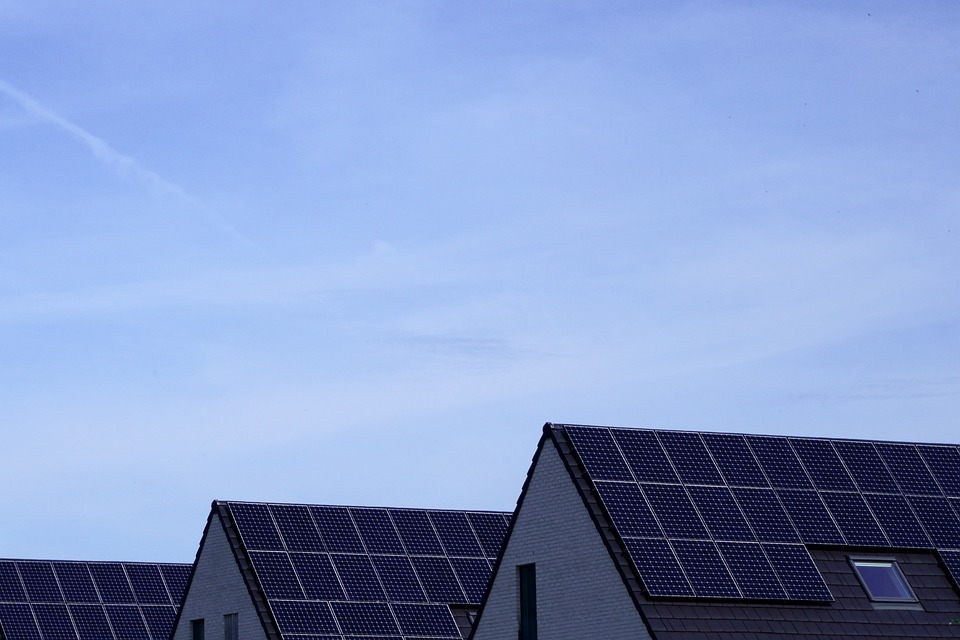
Having spent many years living off the grid, I have had the opportunity to experience firsthand the benefits of using solar power to brighten up my home. Solar panels have truly transformed residential energy, making it not only more sustainable but also more affordable. As a passionate advocate for renewable energy, I can’t help but be excited about the growing popularity of solar panels in residential settings. Not only do they provide clean and renewable energy, but they also offer homeowners the independence and self-sufficiency that comes with generating their own power. Here’s a look at how solar panels are brightening up homes across the country and why you should consider making the switch to solar. The popularity of solar panels has grown significantly in recent years, and for good reason. Not only do they help reduce our carbon footprint, but they also provide a reliable and cost-effective source of energy. As someone who has relied on solar power for many years, I can confidently say that it has transformed the way I live and has allowed me to enjoy the comforts of home without the guilt of relying on non-renewable energy sources. One of the most significant benefits of using solar panels to power your home is the savings you will see on your energy bills. By generating your own electricity, you can significantly reduce your reliance on traditional energy sources, leading to lower monthly utility costs. This can be especially appealing for those who are looking to live more sustainably while also saving money in the long run. In fact, many homeowners find that their solar panels pay for themselves over time through the energy savings they provide. Additionally, solar panels can increase the value of your home. Studies have shown that homes equipped with solar panels not only sell faster but also command higher prices. This makes them a wise investment for homeowners who are looking to increase the value of their property while also making a positive impact on the environment. Pro Tips: – When considering installing solar panels, it’s important to assess your home’s energy needs and the amount of sunlight your property receives. This will help you determine the size and placement of your solar array to maximize its efficiency. – Take advantage of available incentives and tax credits for renewable energy. Many states and local governments offer financial incentives for homeowners to install solar panels, making it even more cost-effective to make the switch. In addition to the financial benefits, using solar panels to power your home also allows you to become more self-sufficient. When living off the grid, I quickly learned the importance of relying on alternative energy sources, and solar power has been a game-changer in that regard. With a solar energy system in place, homeowners can generate their own electricity and reduce their reliance on the unpredictable and often unreliable grid power. This can provide peace of mind in times of inclement weather or power outages, knowing that you have a reliable source of energy. Another exciting aspect of using solar panels in residential settings is the positive impact it has on the environment. By harnessing the power of the sun, homeowners can significantly reduce their carbon footprint and contribute to a cleaner, healthier planet. This not only benefits the environment but also helps to create a more sustainable future for generations to come. The technology behind solar panels has also advanced significantly in recent years, making them more efficient and durable than ever before. This means that homeowners can trust that their solar panels will continue to provide reliable energy for years to come, with minimal maintenance required. Additionally, the growing availability of energy storage solutions, such as solar batteries, makes it even easier to store excess energy for use during times when the sun isn’t shining. Overall, the use of solar panels in residential settings is a win-win for homeowners and the planet alike. By harnessing the power of the sun, homeowners can reduce their reliance on traditional energy sources, save money on their energy bills, and make a positive impact on the environment. As someone who has lived off the grid for many years, I can attest to the transformative power of solar panels in brightening up homes and creating a more sustainable way of living. If you’re considering making the switch to solar, I encourage you to explore the benefits and possibilities that solar energy can offer. It’s a decision that can truly brighten up your home and make a lasting impact on the world around you.