
Solar Panels

solar panels

The Top Do’s and Don’ts of Solar Panel Cleaning

Living off the grid has been a journey full of ups and downs, but it has also been incredibly rewarding. One of the most crucial aspects of off-grid living is maintaining a reliable source of energy, and for many off-grid dwellers, that means utilizing solar panels. While solar panels are a fantastic way to harness the power of the sun, they require regular maintenance to ensure they continue to operate at maximum efficiency. Over the years, I’ve learned a thing or two about the do’s and don’ts of solar panel cleaning, and today I’m excited to share some of my top tips with you. DO: Invest in a high-quality solar panel cleaning kit. When it comes to cleaning your solar panels, using the right tools can make all the difference. A high-quality solar panel cleaning kit will typically include a non-abrasive brush, a squeegee, and a gentle cleaning solution. These tools are specifically designed to effectively clean your solar panels without causing any damage, ensuring that they continue to produce the maximum amount of energy. DON’T: Use harsh or abrasive cleaning products. One of the biggest mistakes people make when cleaning their solar panels is using harsh or abrasive cleaning products. These can cause damage to the surface of the panels, reducing their efficiency and potentially voiding their warranty. Stick to gentle, non-abrasive cleaning solutions to ensure your solar panels remain in tip-top shape. DO: Clean your solar panels regularly. Regular cleaning is key to ensuring your solar panels continue to operate at their best. Depending on your location and climate, you may need to clean your panels more or less frequently, but a good rule of thumb is to clean them at least a few times a year. Dust, dirt, and other pollutants can build up on the surface of the panels, blocking the sun’s rays and reducing their efficiency. By cleaning them regularly, you can ensure they continue to operate at maximum capacity. DON’T: Clean your solar panels in extreme temperatures or direct sunlight. It’s important to be mindful of when you choose to clean your solar panels. Cleaning them in extreme temperatures, particularly when they are very hot or very cold, can increase the risk of damage. Likewise, cleaning them in direct sunlight can cause the cleaning solution to dry too quickly, leaving streaks and residue behind. The best time to clean your solar panels is in the early morning or late afternoon when the temperatures are milder and the sunlight is less intense. DO: Use a gentle touch when cleaning your solar panels. When it comes to actually cleaning your solar panels, it’s important to use a gentle touch. Avoid scrubbing the panels too vigorously, as this can cause scratches or other damage. Instead, use a non-abrasive brush or sponge and gentle, circular motions to remove any dirt or debris. A squeegee can be helpful for removing excess water and ensuring a streak-free finish. DON’T: Neglect your safety when cleaning your solar panels. While it may seem like a simple task, cleaning your solar panels does come with some risks, particularly if your panels are installed on a rooftop. Always prioritize your safety when cleaning your panels, whether that means enlisting the help of a friend or family member, using a sturdy ladder, or using proper safety equipment. If you’re not comfortable or confident in your ability to safely clean your solar panels, it’s best to hire a professional to do the job. DO: Consider investing in a solar panel cleaning robot. If the thought of climbing onto your roof to clean your solar panels doesn’t appeal to you, you might want to consider investing in a solar panel cleaning robot. These automated devices are designed to move across the surface of your solar panels, removing dirt and debris as they go. While they do require an upfront investment, they can save you time and effort in the long run, and may even prolong the lifespan of your solar panels. Pro Tips: – If you live in an area with heavy rainfall, you may not need to clean your solar panels as frequently, as the rain can help to naturally wash away dirt and debris. – It’s a good idea to keep an eye on your solar panels for any signs of damage or wear, such as cracks, chipping, or discoloration. If you notice any issues, it’s best to address them as soon as possible to prevent further damage. Living off the grid has taught me a lot about self-sufficiency and sustainability, and maintaining my solar panels has been a big part of that. By following these do’s and don’ts of solar panel cleaning, you can ensure that your off-grid energy source continues to operate at peak performance for years to come.

solar panels

The Pros and Cons of Amorphous Silicon Solar Panels: A Comparative Analysis

Living off the grid has been an incredible journey for me, and one of the key components of my sustainable lifestyle has been the use of solar panels. Over the years, I’ve tried various types of solar panels, and I must say that amorphous silicon solar panels have been a game changer. However, like with any technology, there are pros and cons to consider when deciding which type of solar panel is best for your off-grid lifestyle. In this article, I will provide a comparative analysis of the pros and cons of amorphous silicon solar panels, based on my own experience and research. Pros of Amorphous Silicon Solar Panels 1. Flexibility: One of the biggest advantages of amorphous silicon solar panels is their flexibility. Unlike traditional crystalline silicon solar panels, amorphous silicon panels are thin and lightweight, making them ideal for use in off-grid settings where space and weight are at a premium. 2. Low Light Performance: Another pro of amorphous silicon solar panels is their ability to perform well in low light conditions. This means that even on cloudy or overcast days, these panels can still generate a significant amount of power, which is a huge advantage for off-grid living. 3. Durability: Amorphous silicon solar panels are also known for their durability. They are less prone to cracking or damage from impact, making them a great choice for off-grid setups in remote or rugged locations. 4. Better Performance in Hot Weather: Compared to crystalline silicon solar panels, amorphous silicon panels tend to perform better in hot weather. This means that they can maintain a higher level of efficiency when the sun is beating down, which is particularly beneficial in regions with high temperatures. 5. Cost-Effective: While initially, amorphous silicon solar panels may have a higher cost per watt compared to crystalline panels, they often have a better overall cost-effectiveness due to their low light performance and durability. Cons of Amorphous Silicon Solar Panels 1. Lower Efficiency: Despite their versatility, amorphous silicon solar panels do have lower efficiency compared to crystalline silicon panels. This means that you may need a larger surface area of amorphous panels to generate the same amount of power, which can be a drawback for those with limited space. 2. Degradation Over Time: Another con of amorphous silicon solar panels is their tendency to degrade more rapidly over time, compared to crystalline panels. While the degradation rate has improved in recent years, it’s still something to consider when making a long-term investment in solar panels. 3. Size and Weight: While the flexibility of amorphous silicon panels is a pro, it can also be a con in certain situations. Because they are often larger and bulkier than crystalline panels, they may not be the best choice for some off-grid setups with limited space or weight restrictions. 4. Installation Considerations: Amorphous silicon panels require a different type of installation compared to crystalline panels, which may not be suitable for all off-grid locations. Additionally, their lower efficiency means that more panels may be required to achieve the desired power output, which can add to the complexity of the installation process. 5. Limited Availability: While the popularity of amorphous silicon solar panels is growing, they are still not as widely available as crystalline panels, which can make them more difficult to source in some areas. Pro Tips for Using Amorphous Silicon Solar Panels 1. Proper Placement: To maximize the performance of amorphous silicon solar panels, ensure that they are placed in an area with maximum exposure to sunlight, especially in locations with less consistent sunlight. 2. Regular Maintenance: Due to their lower efficiency and degradation over time, it’s important to perform regular maintenance on amorphous silicon solar panels to ensure they continue to operate at their best. 3. Consider Hybrid Systems: In some cases, combining amorphous silicon panels with other types of solar panels, such as crystalline or thin-film, can offer the best of both worlds in terms of efficiency and flexibility. 4. Storage Solutions: Given the lower efficiency of amorphous silicon panels, it may be wise to invest in a reliable energy storage solution, such as battery banks, to ensure a consistent power supply, especially during periods of low light. Conclusion In conclusion, amorphous silicon solar panels offer several advantages for off-grid living, such as flexibility, low light performance, and durability. However, they also come with their fair share of drawbacks, including lower efficiency and degradation over time. When considering whether to use amorphous silicon solar panels for your off-grid lifestyle, it’s essential to weigh these pros and cons and consider your specific needs and circumstances. Ultimately, the decision will depend on factors such as available space, budget, and the level of sunlight in your location. With the right approach and preparation, amorphous silicon solar panels can be an excellent choice for powering an off-grid lifestyle in a sustainable and reliable manner.

solar panels

Solar Panels: Paving the Way Towards a Renewable Energy Future

When I first made the decision to live off the grid, one of the biggest challenges I faced was finding a reliable source of renewable energy. After researching and trying different methods, I stumbled upon the wonderful world of solar panels. Solar panels have been a game-changer for me, and I believe they are paving the way towards a renewable energy future. Not only are solar panels environmentally friendly, but they also provide a reliable source of energy that is free and endless. In this article, we will explore the benefits of solar panels, how they work, and why they are an important step towards sustainable living. Benefits of Solar Panels Solar panels have countless benefits, making them an incredibly valuable investment for anyone looking to go off the grid or reduce their carbon footprint. One of the most obvious benefits is the reduction in electricity bills. By harnessing the power of the sun, you can significantly reduce or even eliminate your reliance on traditional energy sources, saving you money in the long run. Additionally, solar panels require minimal maintenance and have a lifespan of 25-30 years, providing a cost-effective and sustainable energy solution. Not to mention, solar panels can increase the value of your property, making it a wise investment for homeowners. How Solar Panels Work Solar panels work by converting sunlight into electricity through a process called the photovoltaic effect. When sunlight hits the solar cells within the panel, it excites the electrons, causing them to flow and generate an electric current. This direct current (DC) is then converted into alternating current (AC) using an inverter, which is the type of electricity used in homes and businesses. This electricity can then be used to power appliances, lights, and other electrical devices. Why Solar Panels are Important for a Renewable Energy Future The use of solar panels is crucial for building a sustainable and renewable energy future. Unlike fossil fuels, solar energy is abundant and widely available, making it an endless resource. By harnessing the power of the sun, we can reduce our reliance on non-renewable energy sources and significantly lower our carbon emissions. This is incredibly important for combatting climate change and preserving our planet for future generations. Additionally, the use of solar panels promotes energy independence, as individuals and communities can generate their own power, reducing their reliance on the traditional grid and the associated risks of power outages and price fluctuations. Pro Tips for Installing and Maintaining Solar Panels – When installing solar panels, consider the angle and direction of your roof to maximize sunlight absorption. A south-facing roof with minimal shading is ideal for maximum solar energy production. – Regularly clean your solar panels to ensure they are operating at peak efficiency. Dust, dirt, and debris can reduce their effectiveness, so be sure to invest in a cleaning routine to keep them in optimal condition. – Consider investing in a backup battery system to store excess energy generated by your solar panels. This will ensure that you have a reliable source of power during periods of low sunlight or power outages. In conclusion, solar panels are a revolutionary technology that is paving the way towards a renewable energy future. By harnessing the power of the sun, we can reduce our reliance on traditional energy sources, save money, and contribute to a healthier planet. If you are considering living off the grid or simply want to reduce your environmental impact, I highly recommend exploring the benefits of solar panels. With their numerous advantages and minimal maintenance requirements, they are a smart investment for anyone looking to embrace sustainable living. So why not take the first step towards a brighter, greener future with solar panels?

solar panels

Cutting the Cord: The Advantages and Challenges of Off Grid Solar Systems

Living off the grid and relying on off grid solar systems has been one of the most rewarding experiences of my life. The ability to generate my own electricity from the sun has not only allowed me to live sustainably but has also given me the freedom to live in remote locations without the need for traditional power sources. As someone who has embraced this lifestyle and technology, I can attest to the many advantages of cutting the cord and relying on off grid solar systems. However, it’s not all sunshine and rainbows, as there are also some challenges that come with this way of life. In this article, I’ll delve into both the advantages and challenges of off grid solar systems, as well as provide some pro tips for those considering making the switch. Advantages of Off Grid Solar Systems 1. Energy Independence: One of the biggest advantages of off grid solar systems is the ability to be completely independent from the grid. This means no more worrying about power outages or fluctuating electricity prices. You generate your own electricity, on your own terms. 2. Environmental Benefits: By harnessing the power of the sun, off grid solar systems are a clean and renewable energy source. This means reducing your carbon footprint and doing your part to combat climate change. 3. Cost Savings: While the initial investment for off grid solar systems can be significant, the long-term cost savings are substantial. Once the system is installed, the sun provides free energy, meaning lower monthly utility bills and a quicker return on investment. 4. Remote Living: Off grid solar systems allow for the possibility of living in remote locations that are not accessible by traditional power sources. This opens up a world of opportunities for those seeking a quieter, more secluded way of life. Challenges of Off Grid Solar Systems 1. Initial Cost: As mentioned earlier, the upfront cost of installing an off grid solar system can be substantial. This may be a barrier for some individuals, but it’s important to remember the long-term savings and benefits. 2. Maintenance: Off grid solar systems require regular maintenance to ensure they continue to operate effectively. This includes keeping the solar panels clean, checking the battery bank, and monitoring overall system performance. 3. Energy Storage: Storing excess energy for use during periods of low sunlight can be a challenge. Battery technology is constantly improving, but it’s important to manage energy consumption to avoid running out of power. 4. Limited Energy Production: While off grid solar systems can provide ample energy for everyday use, they may not be suitable for high-energy consumption activities such as running large appliances constantly or operating heavy machinery. Pro Tips for Off Grid Living – Invest in high-quality, durable solar panels to ensure longevity and efficiency. – Utilize energy-efficient appliances and lighting to maximize the use of solar-generated electricity. – Consider a backup generator for times when the sun is not providing enough energy, such as during long periods of cloudy weather. – Regularly monitor and maintain your off grid solar system to ensure optimal performance and longevity. In conclusion, off grid solar systems offer a wealth of advantages for those looking to live sustainably and independently. While there are some challenges to consider, the benefits far outweigh the drawbacks. With careful planning, investment, and maintenance, off grid solar systems can provide a reliable and eco-friendly energy source for those looking to cut the cord and embrace a more self-sufficient way of life.

solar panels

From Vision to Reality: The Remarkable Growth of Solar Power

From Vision to Reality: The Remarkable Growth of Solar Power In the early days of living off the grid, solar power was often seen as a futuristic concept – something that belonged in the realm of science fiction rather than practical reality. However, as someone who has experienced the remarkable growth of solar power firsthand, I can attest to the incredible transformation that has taken place in the world of renewable energy. When I first made the decision to live off the grid, I was faced with the challenge of finding a sustainable and reliable source of power. At the time, solar panels were still relatively expensive and not widely accessible. However, I was determined to find a solution that would allow me to live independently and in harmony with the environment. Fast forward to today, and the growth of solar power has been nothing short of extraordinary. The technology has become more affordable, efficient, and accessible to people from all walks of life. The transformation of solar power from a vision of the future to a practical reality is a testament to the incredible progress that has been made in the world of renewable energy. In the following article, we will explore the remarkable growth of solar power, its impact on off-grid living, and some pro tips for harnessing the potential of this incredible technology. The Growth of Solar Power The growth of solar power can be traced back to the early days of its development, when it was primarily used for niche applications such as powering satellites and remote locations. Over time, advancements in technology and manufacturing processes have made solar panels more efficient and cost-effective, leading to a widespread adoption of this renewable energy source. According to the Solar Energy Industries Association, the United States has seen a dramatic increase in the installation of solar panels, with a record-breaking 19.2 gigawatts of solar capacity added in 2021 alone. This growth can be attributed to a number of factors, including government incentives, declining costs, and a growing awareness of the environmental benefits of solar power. The Impact of Solar Power on Off-Grid Living For those of us who have chosen to live off the grid, the growth of solar power has been nothing short of revolutionary. Solar panels have provided a reliable and sustainable source of electricity, allowing us to power our homes, run our appliances, and even charge our electric vehicles, all without relying on traditional utility companies. Solar power has also given us the freedom to live in remote and secluded locations, far away from the hustle and bustle of city life. This newfound independence has allowed us to live closer to nature, reduce our environmental impact, and become more self-sufficient. Pro Tips for Harnessing the Potential of Solar Power If you’re considering making the switch to solar power, there are a few pro tips that can help you make the most of this incredible technology: 1. Invest in high-quality solar panels: When it comes to solar power, quality matters. Investing in high-quality solar panels will ensure that you get the most out of your investment and enjoy reliable electricity for years to come. 2. Optimize your solar panel placement: The placement of your solar panels can have a significant impact on their efficiency. Make sure to position them in an area that receives plenty of sunlight throughout the day, and consider using a tracker to maximize their exposure to the sun. 3. Use battery storage: Battery storage systems allow you to store excess energy generated by your solar panels, providing you with a reliable source of power during periods of low sunlight or inclement weather. 4. Take advantage of government incentives: Many governments offer incentives and rebates for installing solar panels, so be sure to research the available options in your area to maximize your savings. In conclusion, the growth of solar power has been nothing short of remarkable, and its impact on off-grid living has been transformative. As someone who has witnessed this evolution firsthand, I can attest to the incredible benefits of harnessing the potential of solar power. Whether you’re looking to reduce your environmental impact, become more self-sufficient, or simply save money on your energy bills, solar power has the potential to transform the way we live. With advancements in technology and a growing commitment to sustainability, the future of solar power looks brighter than ever.

solar panels

Comparing Solar Panel Pricing: Finding the Best Value for Your Money

Living off the grid has been one of the most rewarding experiences of my life. As I’ve navigated through the challenges of sustainable living, one of the most important decisions I’ve had to make was investing in solar panels. With the vast array of options available, finding the best value for your money can be a daunting task. In this article, I’ll share my personal experiences and tips for comparing solar panel pricing, so you can make an informed decision that aligns with your off-grid lifestyle. When it comes to comparing solar panel pricing, there are several factors to consider. The initial cost of the panels, the quality and efficiency of the technology, and the long-term savings on your energy bills all play a crucial role in determining the best value for your money. As someone who has relied on solar power for years, I’ve learned a few tips and tricks along the way that have helped me find the best deals and make the most of my investment. To help you on your journey, here are some pro tips to keep in mind when comparing solar panel pricing. Pro Tip #1: Consider the Lifetime Cost While it may be tempting to opt for the cheapest solar panel option, it’s important to consider the lifetime cost of the panels. Cheaper panels may not be as efficient or durable, leading to higher maintenance and replacement costs in the long run. Look for panels with a higher upfront cost but a longer warranty and higher efficiency rating. These panels may save you more money over their lifetime, making them a better value for your off-grid lifestyle. Pro Tip #2: Research Government Incentives Many governments offer incentives and rebates for installing solar panels, which can significantly reduce the upfront cost of your investment. Before making a decision, research the incentives available in your area and factor them into your budget. These incentives can make higher-quality solar panels more accessible and affordable, ultimately increasing the value of your investment. Pro Tip #3: Compare Installation Costs In addition to the cost of the panels themselves, it’s important to consider the installation costs. Some companies may offer lower prices for the panels but charge higher installation fees, while others may include installation in the overall package. Compare the total costs of different suppliers to get a clear picture of the best value for your money. Pro Tip #4: Look for Financing Options If the upfront cost of solar panels is a barrier for you, look for financing options that can make the investment more manageable. Some solar companies offer payment plans or financing programs that allow you to spread the cost of your panels over time. While this may result in higher overall costs due to interest, it can make sustainable living more accessible in the short term. As you navigate through the process of comparing solar panel pricing, keep these pro tips in mind to make the most of your investment. With careful consideration and thorough research, you can find the best value for your off-grid lifestyle and enjoy the many benefits of sustainable living. Happy solar panel shopping!

solar panels

What You Need to Know about Cleaning Solar Panels: Expert Tips and Tricks

Living off the grid comes with its own set of challenges, but staying connected to the earth through renewable energy sources like solar panels has been a rewarding experience for me. One thing I’ve learned along the way is the importance of keeping those solar panels clean and free of debris to maximize their efficiency. Cleaning solar panels may seem like a daunting task, but with the right tools and techniques, it can be a breeze. In this article, I’ll share some expert tips and tricks on what you need to know about cleaning solar panels, so you can keep your off-grid power system running smoothly and efficiently. Why Clean Your Solar Panels? Before we dive into the nitty-gritty of cleaning solar panels, let’s talk about why it’s important to keep them clean in the first place. Over time, dirt, dust, pollen, bird droppings, or other debris can accumulate on the surface of your solar panels, reducing their ability to absorb sunlight and convert it into electricity. Even a thin layer of grime can significantly decrease the efficiency of your solar panels, leading to a decrease in energy production. By regularly cleaning your solar panels, you can ensure that they continue to operate at their peak performance and maximize the return on your investment. What You Need to Clean Solar Panels When it comes to cleaning solar panels, it’s essential to use the right tools and materials to avoid damaging the panels or voiding their warranty. Here are the essentials you’ll need to get the job done: 1. Soft-bristle brush or squeegee: Using a soft-bristle brush or squeegee will help remove dirt and debris without scratching the surface of your solar panels. 2. Mild soap or detergent: A mild soap or detergent mixed with water can help break down stubborn grime and bird droppings without leaving behind a residue that could affect the panel’s performance. 3. Hose or water source: You’ll need a steady supply of water to rinse off the soap and dirt from your solar panels. A hose with a spray nozzle or a bucket of water and a sponge can work just fine. 4. Ladder or access to the roof: Depending on the placement of your solar panels, you may need a ladder or safe access to your roof to reach and clean the panels. Do’s and Don’ts of Cleaning Solar Panels Now that you have the tools and materials in hand, it’s time to get down to the nitty-gritty. Here are some do’s and don’ts to keep in mind when cleaning your solar panels: Do: – Before beginning the cleaning process, make sure to check your solar panel manufacturer’s guidelines for any specific cleaning instructions or recommendations. – Clean your solar panels early in the morning or late in the evening when the temperature is cooler. Cleaning them in direct sunlight could cause the water to evaporate quickly, leaving behind streaks or soap residue. – Use a gentle touch when scrubbing your solar panels. Avoid using abrasive materials or harsh chemicals that could scratch or damage the surface. Don’t: – Use abrasive materials such as steel wool or harsh chemicals like bleach or ammonia to clean your solar panels. These can cause permanent damage to the panels and void their warranty. – Hesitate to contact a professional if you’re uncomfortable or unable to safely access your solar panels. Safety should always be a top priority when it comes to cleaning solar panels. Pro Tips for Cleaning Solar Panels Here are a few pro tips to help you get the most out of cleaning your solar panels: 1. Keep an eye on your energy production: After giving your solar panels a good cleaning, monitor your energy production to see if there’s a noticeable difference. You may be surprised by how much of an impact a simple cleaning can have on your panels’ efficiency. 2. Consider investing in a solar panel cleaning kit: If you’re looking for a more efficient and easy way to clean your solar panels, there are specialized cleaning kits available that include all the necessary tools and materials for maintaining your panels. 3. Stay on top of regular maintenance: Set a schedule for cleaning your solar panels, whether it’s monthly, quarterly, or semi-annually, depending on your location and the environmental factors that may impact the cleanliness of your panels. Wrapping Up As someone who has experience in living off the grid, I’ve seen firsthand the benefits of solar power and the importance of keeping solar panels clean and well-maintained. With the right tools, techniques, and a little elbow grease, you can ensure that your solar panels continue to operate at their peak performance for years to come. By staying on top of regular cleaning and maintenance, you can maximize your energy production and keep your off-grid power system running smoothly. So, grab your cleaning supplies and get ready to let the sun shine on your solar panels!

solar panels

Mono vs. Polycrystalline Solar Panels: A Head-to-Head Comparison

I remember the moment I made the decision to switch to solar power. Living off the grid has been an adventure, and finding the right solar panels was a crucial step in my journey. There are so many options out there, but the decision often comes down to mono vs. polycrystalline solar panels. If you’re in the same boat, trying to decide which type of solar panels to invest in, I’m here to help you make an informed decision. In this article, we will compare mono vs. polycrystalline solar panels and discuss the pros and cons of each. By the end of this, you’ll have a better understanding of which type of solar panel is right for your off-grid lifestyle. Mono vs. Polycrystalline Solar Panels: A Head-to-Head Comparison When it comes to choosing the right solar panels for your off-grid lifestyle, it’s important to consider the differences between mono and polycrystalline solar panels. Both types have their own benefits and drawbacks, and understanding these differences will help you make the best decision for your specific needs. Mono-crystalline solar panels are made from a single continuous crystal structure, resulting in a sleek, uniform appearance. This type of solar panel is known for its high efficiency and excellent performance in low-light conditions. On the other hand, polycrystalline solar panels are made from multiple silicon fragments melted together, giving them a speckled blue appearance. Polycrystalline panels are typically less expensive than mono panels, making them a popular choice for budget-conscious off-grid dwellers. Efficiency When it comes to efficiency, mono-crystalline solar panels are the clear winner. These panels are known for their high efficiency, meaning they can convert more sunlight into electricity compared to polycrystalline panels. The higher efficiency of mono panels means you can generate more power in a smaller amount of space, making them ideal for off-grid living where space is often limited. Polycrystalline solar panels, while less efficient than mono panels, still offer respectable performance. They may not be as efficient, but they are a more affordable option, making them a practical choice for off-grid enthusiasts on a budget. Durability Durability is a crucial factor to consider when choosing solar panels for off-grid living. Both mono and polycrystalline solar panels are built to withstand the elements, but there are some differences in their durability. Mono-crystalline solar panels are known for their longevity, with many manufacturers offering warranties of 25 years or more. These panels are also less susceptible to performance degradation over time, making them a reliable choice for off-grid living. Polycrystalline solar panels are also durable, but they may not have the same longevity as mono panels. However, with proper care and maintenance, polycrystalline panels can still provide reliable performance for many years. Cost Cost is often a deciding factor when it comes to choosing the right solar panels for off-grid living. Mono-crystalline solar panels are typically more expensive than polycrystalline panels, due to their higher efficiency and premium materials. However, the higher upfront cost of mono panels may be offset by their long-term performance and durability. Polycrystalline solar panels are a more budget-friendly option, making them a popular choice for off-grid enthusiasts looking to save on initial costs. While they may not be as efficient as mono panels, polycrystalline panels still offer reliable performance at a lower price point. Pro Tips: – Consider your energy needs: If you have limited space and need maximum power output, mono-crystalline panels may be the best choice. However, if you have a tight budget and need a cost-effective solution, polycrystalline panels may be the way to go. – Research reputable manufacturers: When choosing solar panels, it’s important to research and compare different manufacturers to ensure you’re getting high-quality, reliable panels. Look for companies with a strong track record and positive customer reviews. Conclusion In the debate of mono vs. polycrystalline solar panels, there isn’t a one-size-fits-all answer. The right choice for you will depend on your specific energy needs, budget, and space limitations. Both types of solar panels have their own strengths and weaknesses, so it’s important to carefully consider these factors before making a decision. As someone who has experienced the benefits firsthand, I can attest to the life-changing impact of switching to solar power. Whether you choose mono or polycrystalline solar panels, the decision to invest in clean, renewable energy is a step towards a more sustainable and self-sufficient off-grid lifestyle. So, weigh your options, consider your needs, and make the choice that aligns with your unique off-grid journey.

solar panels

Uncovering the Benefits: Why Solar Panels Are Worth the Investment

Uncovering the Benefits: Why Solar Panels Are Worth the Investment I remember the day I decided to invest in solar panels for my off-grid lifestyle. It was a turning point for me, as I knew that harnessing the power of the sun would not only provide me with endless energy but also reduce my carbon footprint. As someone who values sustainability and self-sufficiency, I can proudly say that investing in solar panels was one of the best decisions I’ve made. If you’re considering going off the grid or simply want to reduce your reliance on traditional energy sources, let me shed some light on the benefits of solar panels and why they are worth the investment. The Advantages of Solar Panels When you invest in solar panels, you’re not just purchasing a source of renewable energy, you’re also reaping a myriad of benefits that make the initial investment more than worth it. Here are some of the advantages of solar panels: 1. Cost Savings – One of the most significant benefits of solar panels is the potential for cost savings. By generating your own electricity, you can significantly reduce or even eliminate your monthly energy bills. In fact, with net metering, you can even sell excess energy back to the grid, further lowering your expenses. 2. Environmental Impact – As someone who cares deeply about the environment, the thought of reducing my carbon footprint was a major driving force behind my decision to invest in solar panels. Unlike traditional energy sources, solar power generates electricity without emitting greenhouse gases or other pollutants. This means that by using solar energy, you’re helping to combat climate change and protect the planet. 3. Energy Independence – Living off the grid often means being self-sufficient. Solar panels provide a reliable source of energy that isn’t reliant on external factors such as power outages or fluctuations in energy prices. This level of energy independence can provide peace of mind and ensure that you always have access to the electricity you need. 4. Low Maintenance – Once installed, solar panels require minimal maintenance. They are durable and long-lasting, with most manufacturers offering warranties of 25 years or more. This means that you can enjoy the benefits of solar energy without having to constantly worry about upkeep. 5. Increase in Property Value – Solar panels can also increase the value of your property. Many homebuyers are increasingly attracted to properties with solar panels due to the potential for cost savings and environmental benefits. This means that your investment in solar panels can pay off if you ever decide to sell your off-grid home. Pro Tips: – When choosing solar panels, opt for high-quality, durable panels that are designed to withstand various weather conditions. Look for panels with a high energy efficiency rating to ensure that you get the most out of the sunlight available to you. – Consider pairing solar panels with a reliable battery storage system to store excess energy for use during times when sunlight isn’t readily available. This can provide you with a continuous supply of energy, even during cloudy or winter days. Making the Investment While the initial cost of solar panels may seem daunting, it’s important to view it as a long-term investment. When considering whether to make the leap into solar energy, it’s essential to calculate the return on investment (ROI) by factoring in potential cost savings, tax incentives, and increased property value. Additionally, there are various financing options available for those who may not be able to cover the upfront cost outright. When I made the decision to invest in solar panels, I did thorough research and sought out reputable solar panel installers. It’s essential to work with professionals who can assess your energy needs, provide accurate estimates, and ensure that the installation process is carried out efficiently. Many jurisdictions also offer incentives and rebates for installing solar panels, making the initial investment even more attractive. In conclusion, the benefits of investing in solar panels far outweigh the initial cost. From cost savings and environmental impact to energy independence and increased property value, solar panels offer a myriad of advantages for those living off the grid. Plus, with advancements in solar technology and access to various financing options, now is a better time than ever to embrace the power of the sun and make the switch to solar energy. So, if you’re on the fence about investing in solar panels, take it from someone who has experienced the benefits firsthand – it’s absolutely worth the investment.

solar panels

Powering Remote Areas: How Off Grid Solar Systems are Bringing Electricity to the Most Challenging Locations

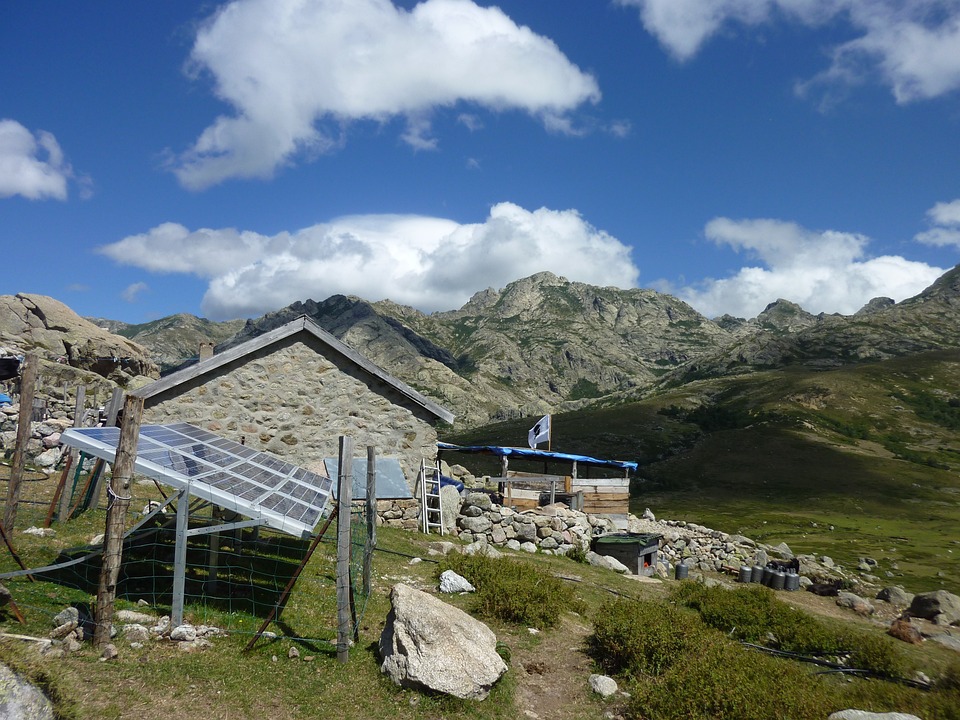
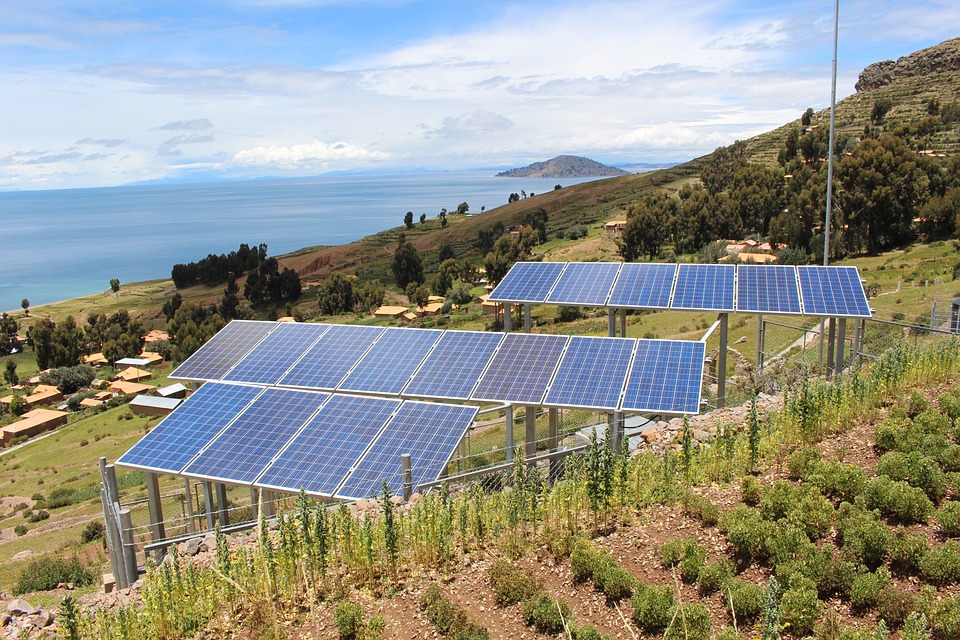
Living off the grid has been an incredible experience for me, and one of the biggest challenges I faced was finding a reliable source of power. Remote areas are often difficult to access, let alone provide with electricity. However, thanks to the advancements in off-grid solar systems, bringing electricity to the most challenging locations has become more feasible than ever. Off-grid solar systems are not only sustainable and eco-friendly, but they are also cost-effective and easy to maintain. In this article, we will explore how these systems are powering remote areas and bringing much-needed electricity to those living off the grid. Off-grid solar systems have proven to be a game-changer in providing electricity to remote areas. In the past, many people living in remote locations had to rely on expensive and noisy generators, or worse, go without electricity entirely. Now, with the advancements in solar technology, off-grid solar systems have made it possible for people to enjoy the convenience of electricity without being connected to the grid. These systems utilize solar panels to capture the sun’s energy and convert it into electricity, making them an ideal solution for powering remote areas. One of the most significant benefits of off-grid solar systems is their sustainability. Unlike traditional power sources, such as generators or diesel fuel, solar power is clean and renewable. This means that off-grid solar systems have a minimal impact on the environment, making them an excellent choice for those who are conscious of their carbon footprint. In addition, solar power is abundant and free, making it a cost-effective long-term solution for powering remote areas. With proper installation and maintenance, off-grid solar systems can provide reliable electricity for years to come. Pro Tips: – When installing an off-grid solar system in a remote area, it’s important to consider the location and angle of the solar panels to ensure maximum sun exposure throughout the day. – Invest in high-quality batteries to store excess energy generated by the solar panels. This will ensure a consistent power supply, even during cloudy days or at night. In addition to their sustainability and cost-effectiveness, off-grid solar systems are also incredibly easy to maintain. Unlike traditional power sources, such as generators, off-grid solar systems have minimal moving parts, which translates to less maintenance and fewer chances of a breakdown. This is particularly important in remote areas, where access to professional maintenance services may be limited. With regular cleaning and simple inspections, off-grid solar systems can continue to provide reliable electricity to those living in remote locations. The impact of off-grid solar systems on remote areas has been significant. In many parts of the world, access to electricity has transformed the lives of those living off the grid. Families are now able to power essential appliances, such as refrigerators and lights, improving their quality of life. Additionally, electricity has made it possible for businesses to operate more efficiently and has opened up new educational and economic opportunities for communities in remote areas. The introduction of off-grid solar systems has truly brought about a positive change in the lives of those living off the grid. As someone who has experienced the challenges of living off the grid, I can attest to the incredible impact that off-grid solar systems have had on remote areas. The convenience and reliability of having access to electricity, even in the most challenging locations, is truly life-changing. It’s inspiring to see how off-grid solar systems are transforming remote areas and providing much-needed electricity to those who need it the most. With ongoing advancements in solar technology, the future looks bright for off-grid communities around the world. In conclusion, off-grid solar systems are revolutionizing the way electricity is brought to remote areas. These sustainable, cost-effective, and easy-to-maintain systems have made it possible for those living off the grid to enjoy the convenience and reliability of electricity. As advancements in solar technology continue, it’s exciting to think about the possibilities for bringing electricity to even the most challenging locations. Off-grid solar systems have truly proven to be a game-changer, and the impact they have had on remote areas is nothing short of remarkable.