Solar Panels

solar panels

Solar Power’s Surging Popularity: Why Everyone is Going Solar

Living off the grid has been a lifestyle choice that has brought me closer to nature and provided a sense of independence that is unmatched by anything else. One of the key components of my off-grid lifestyle has been relying on solar power to meet my energy needs. Over the years, I have seen a surge in the popularity of solar power, with more and more people opting for this sustainable and environmentally friendly energy source. So, why is everyone going solar? Let’s dive into the reasons behind this surge in popularity and explore the benefits of harnessing the power of the sun. Solar power’s surge in popularity can be attributed to a variety of factors, including environmental awareness, technological advancements, and economic incentives. As concerns about climate change and environmental degradation continue to grow, more people are looking for ways to reduce their carbon footprint and live a more sustainable lifestyle. Solar power offers a clean and renewable energy source that can significantly reduce reliance on fossil fuels and decrease greenhouse gas emissions. Additionally, technological advancements in solar panel efficiency and battery storage have made it more accessible and cost-effective for individuals and businesses to invest in solar power systems. With the cost of solar panels and installation steadily declining, more people are finding that going solar is a financially sound investment that can lead to long-term savings on energy bills. Furthermore, government incentives and rebates for solar power installations have made it even more appealing for individuals to make the switch. Many states and municipalities offer tax credits, grants, and other financial incentives to offset the initial cost of installing a solar power system. These incentives can make it easier for individuals to recoup their investment in solar energy and start enjoying the benefits of clean, renewable power. Pro tips: 1. Do your research and compare different solar panel manufacturers and installers to find the best option for your needs. 2. Consider the potential savings and return on investment when making the decision to switch to solar power. 3. Take advantage of available government incentives and rebates to help offset the cost of installing a solar power system. Another reason for the surge in solar power’s popularity is the increasing availability of financing options and solar leasing programs. These options allow individuals to install solar panels with little to no upfront cost, making it more accessible for those who may not have the funds to pay for a system outright. With these financing options, individuals can start enjoying the benefits of solar power right away without having to worry about the initial investment. In addition to the financial benefits, solar power also offers energy independence and reliability. With grid outages becoming more frequent due to extreme weather events and aging infrastructure, solar power provides a reliable source of energy that can keep the lights on even when the grid is down. This level of energy independence is especially appealing to those living off the grid or in rural areas where access to traditional energy sources may be limited. As someone who has experienced the benefits of solar power firsthand, I can attest to the joy and satisfaction of knowing that the energy powering my home is clean, sustainable, and generated right on my property. The peace of mind that comes with knowing that I am reducing my impact on the environment and lowering my energy costs is truly priceless. In conclusion, the surge in solar power’s popularity can be attributed to a combination of environmental awareness, technological advancements, financial incentives, and energy independence. As more people recognize the benefits of clean, renewable energy, the solar power industry is expected to continue to grow and thrive. Whether you are considering going solar for environmental reasons, financial benefits, or energy independence, there has never been a better time to make the switch to solar power. Join the solar revolution and harness the power of the sun to meet your energy needs while making a positive impact on the planet.

solar panels

How Much Do Solar Panels Really Cost? A Comprehensive Analysis

Solar panels have been gaining immense popularity as a sustainable and cost-effective way to generate electricity. With the rising concerns about environmental degradation and increasing electricity bills, more and more people are turning towards solar energy to power their homes and businesses. As someone who has experienced the joys of living off the grid, I can attest to the positive impact that solar panels can have on your life. But of course, the big question on everyone’s mind is, “How much do solar panels really cost?” In this comprehensive analysis, we will delve into the nitty-gritty details of solar panel costs, breaking down the expenses and benefits to help you make an informed decision about integrating solar energy into your life. Cost of Solar Panels Let’s start with the most pressing question – how much do solar panels cost? The answer to this question is not as straightforward as you might think, as there are numerous factors that contribute to the overall cost of solar panels. On average, the cost of a solar panel system can range from $15,000 to $25,000 for a typical residential installation. This price includes the solar panels, inverter, mounting hardware, and installation labor. However, the actual cost will depend on the size of the system, the brand and quality of the solar panels, the complexity of the installation, and any additional components like batteries or monitoring systems. Federal and State Incentives When considering the cost of solar panels, it’s important to factor in the various incentives and rebates that can significantly reduce the upfront expenses. The federal government offers a 26% Solar Investment Tax Credit (ITC) for residential and commercial solar installations through the end of 2022. This credit can offset a substantial portion of the initial cost of the solar panel system. Additionally, many states and local municipalities offer their own incentives to encourage residents to invest in solar energy. These incentives can take the form of rebates, tax credits, and performance-based incentives, further lowering the overall cost of solar panels. Long-Term Savings While the upfront cost of solar panels may seem daunting, it’s important to consider the long-term savings that come with generating your own electricity. Depending on your location and energy usage, you can expect to see significant savings on your electricity bills over the years. In fact, many homeowners report cutting their electricity bills in half or even eliminating them entirely after installing solar panels. With the average lifespan of solar panels being 25-30 years, the savings can add up to tens of thousands of dollars, making the initial investment well worth it in the long run. Maintenance and Repairs One of the lesser-known costs of solar panels is maintenance and repairs. While solar panels are known for their durability and low maintenance needs, it’s important to budget for occasional expenses to keep your system running smoothly. This may include cleaning the panels to remove dirt and debris, replacing the inverter after its lifespan (typically 10-15 years), and occasional repairs due to weather damage or wear and tear. However, these maintenance costs are relatively minor compared to the ongoing savings from generating your own electricity. Pro Tips: – Do thorough research on different solar panel brands and installation companies to ensure you’re getting the best quality system for your budget. – Consider leasing or financing options if the upfront cost is a barrier for you. Many companies offer flexible payment plans that allow you to start benefiting from solar energy without a large initial investment. In conclusion, the cost of solar panels can vary widely depending on numerous factors, but the initial investment is often outweighed by the long-term savings and environmental benefits. With the help of federal and state incentives, the financial burden of installing solar panels can be significantly reduced, making it an attractive option for those looking to generate their own clean energy. While there are maintenance and repair costs to consider, the overall financial and environmental impact of going solar makes it a worthwhile investment for anyone seeking to live off the grid and reduce their carbon footprint.

solar panels

Solar Panels: The Key to Energy Independence and Lower Electricity Bills

Solar Panels: The Key to Energy Independence and Lower Electricity Bills In today’s ever-changing world, finding ways to live more sustainably and lower our expenses has become increasingly important. As someone who has spent years living off the grid, I can attest to the many benefits of using solar panels to generate energy. Not only do solar panels provide a reliable source of power, but they also offer the potential for energy independence and lower electricity bills. In this article, we will explore the advantages of installing solar panels, the process of transitioning to renewable energy, and how this investment can pay off in the long run. Advantages of Solar Panels The use of solar panels has grown significantly in recent years, and for good reason. There are numerous advantages to using solar energy, making it an attractive option for those looking to lower their carbon footprint and decrease their reliance on traditional energy sources. One of the most significant benefits of solar panels is the potential for energy independence. By generating your own energy through solar power, you can reduce or even eliminate your reliance on the electrical grid. This means that you won’t have to worry about power outages or fluctuations in energy prices, providing you with greater control over your electricity supply. Additionally, solar panels can lead to substantial cost savings over time. While the initial investment in solar panels may seem daunting, the long-term financial benefits are undeniable. By generating your own electricity, you can significantly reduce or even eliminate your monthly electricity bills. In some cases, you may even produce more energy than you consume, allowing you to sell excess power back to the grid and further offset your costs. With the rising price of traditional energy sources, investing in solar panels can provide significant relief from escalating electricity bills. Transitioning to Renewable Energy Transitioning to renewable energy through the installation of solar panels is a relatively straightforward process, though it does require careful consideration and planning. The first step is to assess the energy needs of your home or property and determine the size and capacity of the solar panel system required to meet those needs. This may involve consulting with a solar energy professional to ensure that the system is properly designed and configured for maximum efficiency. Once the system has been designed, the next step is to have the solar panels installed on your property. This typically involves mounting the panels on your roof or in an open area that receives ample sunlight throughout the day. The panels are then connected to an inverter, which converts the direct current (DC) electricity generated by the panels into alternating current (AC) electricity that can be used to power your home. Pro Tips: – When choosing solar panels, opt for high-quality, durable panels that are backed by a strong warranty. While the upfront cost may be higher, the long-term benefits will outweigh the initial investment. – Before proceeding with the installation of solar panels, it’s important to conduct a thorough assessment of your property to ensure that it is suitable for solar energy generation. Factors such as the orientation of your roof, shading, and structural integrity should be carefully considered. In Conclusion: With the numerous advantages of solar panels, including the potential for energy independence and lower electricity bills, it’s no wonder that more and more people are turning to renewable energy. By investing in solar panels, you can take control of your energy supply, reduce your environmental impact, and save money in the long run. With careful planning and the right professional assistance, transitioning to solar energy can be a smooth and rewarding process. If you’re considering making the switch to solar power, now is the time to take the first step towards a more sustainable and cost-effective energy solution.

solar panels

DIY vs. Professional Solar Panel Cleaning: Pros and Cons

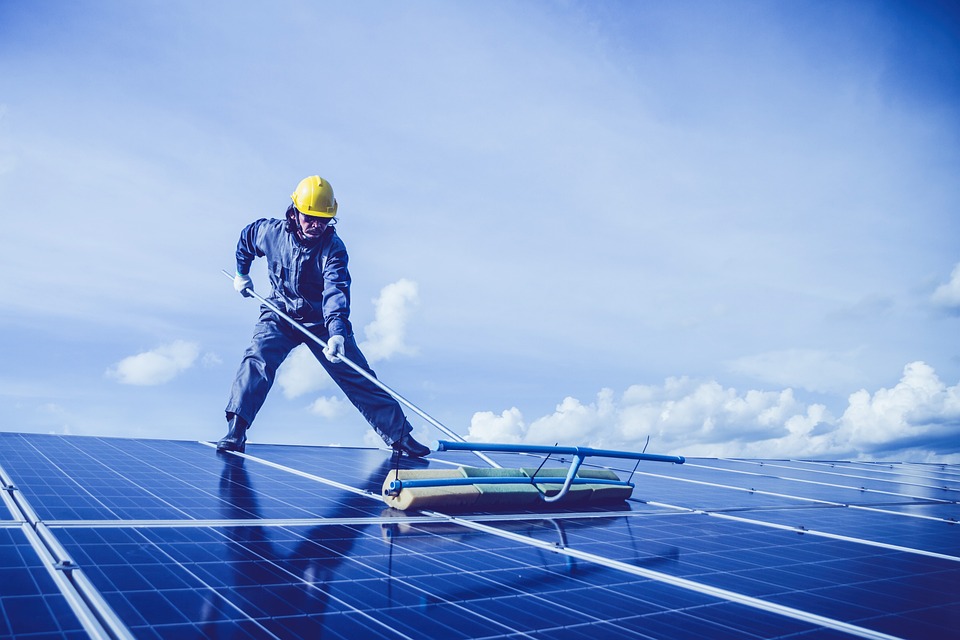
Living off the grid has been an incredibly rewarding experience for me. One of the most important aspects of sustainable living off the grid is having reliable and efficient solar panels to power your home. However, just like any other piece of equipment, solar panels require regular maintenance to ensure they function at their best. One of the big debates in the off-grid community is whether to clean your solar panels yourself or hire professionals to do it for you. In this article, I will weigh the pros and cons of DIY vs. professional solar panel cleaning and provide some pro tips to help you make the best decision for your off-grid lifestyle. DIY Solar Panel Cleaning: Pros and Cons The DIY approach to solar panel cleaning can be very appealing for off-grid enthusiasts who are looking to save money and take control of their own maintenance. There are several advantages to cleaning your solar panels yourself, including the ability to save money and the satisfaction of knowing that you are taking care of your own equipment. One of the major pros of DIY solar panel cleaning is the cost savings. Hiring professionals to clean your solar panels can be expensive, and if you have a large installation, the costs can add up over time. By taking on the task yourself, you can save a significant amount of money in the long run. Additionally, many off-grid individuals enjoy the sense of independence and self-sufficiency that comes with being able to maintain their own equipment. On the other hand, there are some cons to consider when it comes to DIY solar panel cleaning. One major concern is safety. Climbing onto a roof or using ladders to access solar panels can be dangerous, especially if you are not experienced in working at heights. Additionally, using the wrong cleaning products or techniques can damage your panels and reduce their efficiency, ultimately costing you more money in the long run. Professional Solar Panel Cleaning: Pros and Cons Hiring professionals to clean your solar panels can be a great option for off-grid individuals who prefer to leave maintenance tasks to the experts. There are several advantages to professional solar panel cleaning, including the peace of mind that comes from knowing the job is being done correctly and the potential for improved efficiency and performance. One of the major pros of professional solar panel cleaning is the expertise and experience that professionals bring to the table. Professional cleaners are trained to handle solar panels safely and effectively, and they have access to specialized tools and cleaning products that can help improve the efficiency and longevity of your panels. Additionally, hiring professionals can save you time and hassle, allowing you to focus on other aspects of off-grid living. However, there are some cons to consider when it comes to professional solar panel cleaning. The biggest concern for off-grid individuals is the cost. Professional cleaning services can be pricey, especially if you have a large installation or require regular cleanings. Additionally, some off-grid individuals may feel that hiring professionals takes away from the self-sufficiency and independence that they value in their off-grid lifestyle. Pro Tips for DIY Solar Panel Cleaning If you decide to take on the task of cleaning your solar panels yourself, there are some pro tips that can help you get the job done safely and effectively. First and foremost, always prioritize safety. Use proper safety equipment such as harnesses and ladders, and never attempt to clean solar panels in wet or slippery conditions. Additionally, be sure to use the right cleaning products and techniques to avoid damaging your panels. It’s also important to clean your solar panels regularly to prevent a buildup of dirt and debris that can reduce their efficiency. Final Thoughts Ultimately, the decision to clean your solar panels yourself or hire professionals will depend on your individual preferences, budget, and the size and complexity of your solar installation. Before making a decision, consider the pros and cons of each approach and weigh them against your own needs and priorities. With the right tools and techniques, you can ensure that your solar panels continue to provide reliable and efficient power for your off-grid lifestyle.

solar panels

Crystalline vs. Thin-Film Solar Panels: Which Is More Efficient?

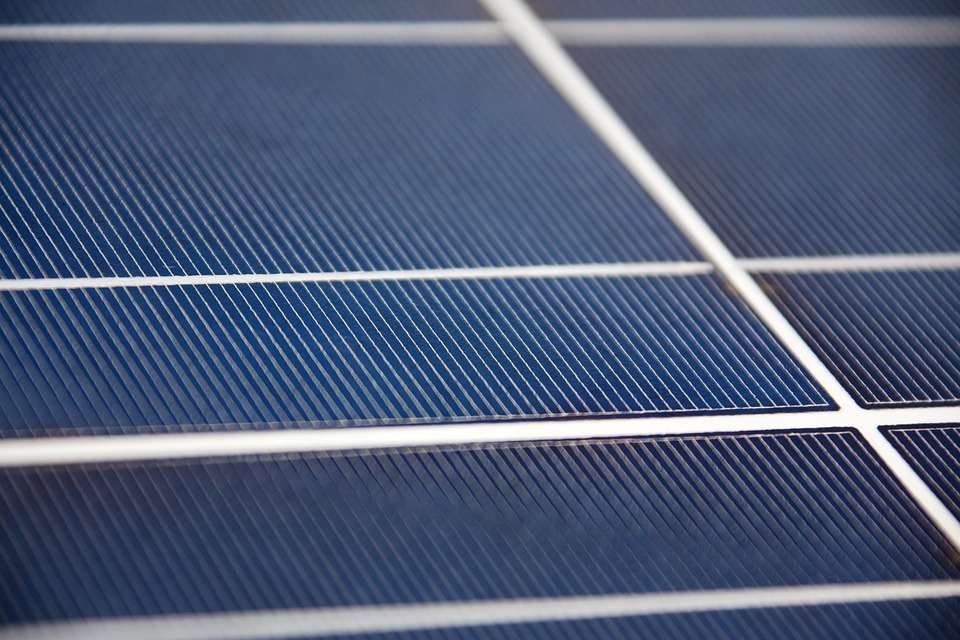
Living off the grid has been a wild adventure for me. As someone who has experienced the joys of harnessing solar energy, I understand the importance of selecting the most efficient solar panels. The market is flooded with options, but today, we will focus on the battle of the giants: Crystalline vs. Thin-Film solar panels. Both types boast impressive qualities, but which one will reign supreme in terms of efficiency? Join me as we dive into the world of solar panels and uncover the champion in this exhilarating competition. Crystalline solar panels have long been the go-to choice for many solar energy enthusiasts, and for good reason. They are made of either monocrystalline or polycrystalline silicon, a material that efficiently converts sunlight into electricity. Monocrystalline panels have a distinct uniform look with rounded edges, while polycrystalline panels showcase a speckled appearance due to their multi-crystalline structure. Thin-Film solar panels, on the other hand, are composed of a variety of materials, including amorphous silicon, cadmium telluride, and copper indium gallium selenide. These panels differ from their crystalline counterparts in terms of appearance and manufacturing techniques. Thin-Film panels are typically darker and have a sleeker, more flexible design, allowing for greater versatility in their application. Now, let’s get down to business – efficiency! Crystalline solar panels have long been favored due to their higher efficiency levels. With their improved technology, they boast an efficiency range of 15% to 20%, making them a reliable choice for those seeking maximum power output. These panels are ideal for spaces with limited real estate, as they can generate more electricity per square foot. Thin-Film solar panels, while not as efficient as Crystalline panels, still hold their own in the energy game. Their efficiency ranges from 10% to 12%, which is not too shabby considering their unique advantages. Thin-Film panels perform exceptionally well in higher temperature environments, making them an attractive option for those living in sun-drenched areas. Additionally, they have a higher tolerance for shading and low light conditions, ensuring a steady power supply even when partially obstructed. One key factor to consider when comparing these solar panel options is their initial cost. Crystalline panels tend to be more expensive than Thin-Film panels, primarily due to their higher efficiency levels and intricate manufacturing process. However, the long-term benefits of their increased power generation may outweigh the initial investment. On the flip side, Thin-Film panels are more affordable, making them a popular choice for budget-conscious solar energy enthusiasts. Their lower efficiency levels are balanced by their lower cost, and they still manage to provide a reliable source of clean energy. For those with ample space and a desire to save money upfront, Thin-Film panels can be an excellent choice. Another factor to consider is the durability of these solar panels. As someone who has witnessed the wrath of a wild storm while living off the grid, it’s crucial to understand the resilience of your chosen solar panels. Crystalline panels typically have a longer lifespan, often ranging from 25 to 30 years. Their solid construction and robust materials offer better protection against wear and tear, ensuring a prolonged and reliable power supply. Thin-Film panels, though slightly less durable, still offer a decent lifespan of around 20 years. Their lightweight and flexible design make them less susceptible to micro-cracks, ensuring a longer-lasting performance. However, it’s worth noting that Thin-Film panels may require more space due to their lower efficiency, offsetting some of the durability advantages. Now, before we declare a winner in this epic battle, let’s dive into some intriguing pro tips to help you make an informed decision: Pro Tip 1: Assess your space and energy needs. If you have limited space or need maximum power output, Crystalline solar panels are your best bet. On the other hand, if you have ample space, a tighter budget, and need a reliable power supply in challenging environmental conditions, Thin-Film panels might be the ideal choice. Pro Tip 2: Consider the long-term benefits. While the initial cost of Crystalline panels may appear higher, their increased efficiency and durability make them a worthwhile investment. Thin-Film panels, with their lower upfront cost, are better suited for those prioritizing affordability in the short term. Pro Tip 3: Factor in environmental conditions. If you live in an area with frequent shading, low light conditions, or higher temperatures, Thin-Film panels shine with their ability to perform well under these circumstances. Crystalline panels, although excellent overall performers, may struggle to reach their full potential in such challenging scenarios. As someone who has experienced the joys and challenges of living off the grid, I understand the importance of selecting the most efficient solar panels. While Crystalline solar panels dominate in terms of efficiency, Thin-Film panels offer their own set of advantages that make them a viable choice for specific situations. By considering key factors such as space availability, budget, and environmental conditions, you’ll be well-equipped to make an informed decision. So, whether you choose the uniform elegance of Crystalline panels or the sleek versatility of Thin-Film panels, know that you’re making a positive impact on both your energy consumption and the environment. Harness the power of the sun, embrace clean energy, and embark on your own off-the-grid adventure!

solar panels

Solar Panels: The Key to a Greener Tomorrow

Solar Panels: The Key to a Greener Tomorrow Picture this: waking up to the tranquil sounds of nature, feeling the gentle breeze caress your face, and knowing that the electricity powering your home is generated by the sun. Living off the grid has been an incredible adventure for me, and one of the key components that has made it possible is solar panels. These remarkable inventions have changed the game when it comes to sustainable living, and today, I want to share with you why solar panels are the key to creating a greener tomorrow for all of us. Harnessing the Power of the Sun Solar panels, also known as photovoltaic (PV) systems, have revolutionized the way we generate electricity. These panels are comprised of small solar cells made from semiconductor materials, such as silicon, which convert sunlight directly into electrical energy. This clean and renewable energy source is available to us every day, as long as the sun shines. By installing solar panels on our rooftops or in our yards, we can tap into this abundant source of power and significantly reduce our reliance on fossil fuels. Not only does this reduce our carbon footprint, but it also helps us transition to a more sustainable future. A Brighter Future for Our Planet One of the greatest advantages of solar panels is their positive impact on the environment. Burning fossil fuels for electricity produces greenhouse gases, contributing to climate change and air pollution. By switching to solar power, we can significantly decrease our carbon emissions and combat global warming. Solar energy is inexhaustible and available everywhere. Unlike fossil fuels, which are limited and finite resources, the sun will continue to shine for billions of years. By investing in solar panels, we are investing in a greener and cleaner future for our planet and generations to come. Unleashing the Power of Savings Apart from being environmentally friendly, solar panels also provide substantial financial benefits. While the initial investment might seem daunting, the long-term savings are noteworthy. Solar energy can significantly reduce or even eliminate your monthly electricity bills. Imagine being able to redirect those funds into something you genuinely care about – whether it’s traveling, pursuing a passion, or investing in further sustainability initiatives. Furthermore, solar panels increase the value of your property. Studies have shown that homes with solar panels not only sell faster but also receive higher offers compared to their non-solar counterparts. A solar-powered home is an attractive prospect for potential buyers, as it relieves them from the burden of utility bills and aligns with the growing interest in sustainable living. Pro Tips: 1. Choose the Right Solar Panel Installation Company: Research and find a reputable company with experience in designing custom solar solutions. Quality installation is crucial for optimal energy generation and long-term durability. 2. Maximize Efficiency with Battery Storage: Pairing your solar panels with a battery storage system allows you to store excess energy and use it when the sun isn’t shining. This ensures uninterrupted power supply while also lowering your reliance on the grid. 3. Monitor and Optimize: Install a solar monitoring system to track your panel’s performance in real-time. This allows you to identify any issues promptly and make necessary adjustments to maximize energy production. 4. Take Advantage of Local and Federal Incentives: Many governments offer tax credits, grants, and other incentives to encourage renewable energy adoption. Be sure to explore all available options and make the most of these incentives to make your solar panel investment even more worthwhile. Expanding Access to Clean Energy Solar panels not only benefit individual homeowners but also have the power to transform entire communities. In regions with limited access to electricity, solar panels can provide a viable solution to meet energy demands. By utilizing microgrids or even installing solar panels on public buildings, communities can become self-sufficient and improve the quality of life for their residents. In remote and underdeveloped areas, solar panels can bring light to homes, power medical facilities, and enable education through computer-based learning. By embracing solar power, we can bridge the energy divide and create a more equitable and sustainable world. In Conclusion Solar panels are truly the key to a greener tomorrow. Their ability to harness the power of the sun and convert it into clean electricity has immense environmental, financial, and social benefits. By embracing this technology, we can reduce our carbon footprint, save money, and empower communities worldwide. So why wait? Embrace the potential of solar energy and join me in this exciting journey towards a sustainable future. Together, we can create a world where clean energy powers our lives and nature thrives. Pro Tip: Stay up to date with emerging solar technologies and advancements. As the industry evolves, new breakthroughs are constantly being made that can offer even greater efficiency and affordability. Keep an eye out for these developments to continuously improve your solar panel system. Remember, solar panels are not just for those living off the grid. They are for all of us who want to build a cleaner, brighter, and more sustainable world. Let’s make solar power a priority and pave the way for a greener tomorrow.

solar panels

Going Green and Off Grid: Explore the Environmental Impact of Off Grid Solar Systems

Living off the grid has been an exhilarating and eye-opening experience for me. As I sit here, basking in the warm glow of my off-grid solar-powered system, I can’t help but reflect on the environmental impact that this amazing technology has had. In this article, we will delve into the world of off-grid solar systems, exploring how they can help us go green and reduce our carbon footprint. Join me on this adventure as we uncover the wonders of off-grid living and discover the true power of harnessing energy from the sun. Off-grid living offers a unique opportunity to emancipate ourselves from dependence on traditional energy sources and embrace a more sustainable lifestyle. The installation of a solar system is one of the first steps toward achieving this self-reliance. Solar panels, strategically placed to soak up the sun’s rays, capture energy that is then converted into usable electricity. This renewable energy source allows us to power our homes, appliances, and gadgets without relying on fossil fuels or contributing to harmful carbon emissions. The environmental impact of off-grid solar systems cannot be overstated. By harnessing the sun’s energy, we reduce our reliance on non-renewable resources, aiding in the fight against climate change. Traditional energy sources such as coal and gas contribute heavily to carbon emissions, which are a major driver of global warming. In fact, the burning of coal alone accounts for a staggering 44% of global carbon dioxide emissions. By opting for an off-grid solar system, we take a meaningful step towards a greener and more sustainable future. Not only do off-grid solar systems help reduce carbon emissions, they also offer a plethora of other benefits. One such advantage is the ability to mitigate the risk of power outages. Traditional energy grids are vulnerable to disruptions caused by extreme weather events, maintenance issues, or even sabotage. The grid’s centralized nature means that a single failure can impact large populations and pose considerable challenges for utility companies. By opting for an off-grid solar system, you become the master of your own energy supply, eliminating the inconvenience and potential danger associated with power outages. Pro Tip: When designing your off-grid solar system, consider including a battery storage solution. This will allow you to store excess energy generated during the day for use during nighttime or cloudy days. Battery technology has made great advancements in recent years, offering efficient and reliable storage options for off-grid applications. Another fascinating aspect of off-grid living is the concept of net metering. Net metering allows you to sell any excess energy generated by your solar system back to the grid, effectively making your home a mini power station. This not only benefits you financially but also contributes to reducing the carbon footprint of your community. Additionally, when your solar system generates more energy than you consume during certain months, you can even earn credits on your energy bill. It’s a win-win situation for the environment and your wallet! Off-grid solar systems also enable us to embrace a more minimalist lifestyle. With limited energy supply, we become more conscious of our usage and adopt energy-efficient habits. LED light bulbs, energy-saving appliances, and conscious electricity consumption habits become the norm. We learn to appreciate and be grateful for the energy we have, fostering a deeper connection with nature and a sense of responsibility toward the environment. Pro Tip: Implement energy-efficient practices in your everyday life, even beyond your off-grid solar system. This includes using natural light whenever possible, insulating your home, and reducing phantom energy usage by unplugging unused devices. One of the most exciting aspects of off-grid solar systems is their scalability. Whether you’re looking to power a small cabin in the woods or an entire off-grid community, solar systems can be tailored to meet your needs. This scalability not only allows for independence from traditional energy grids but also promotes local resilience and community empowerment. Imagine entire neighborhoods, villages, or even cities powered by renewable energy, reducing their carbon footprint and embracing a sustainable future. As we explore the wonders of off-grid living, it becomes clear that we are not just reducing our environmental impact but also paving the way for a revolution in how we generate and consume energy. Off-grid solar systems present us with an opportunity to reduce our carbon footprint, increase our energy independence, and inspire others to follow suit. By embracing this exciting and sustainable lifestyle, we become guardians of the earth and catalysts for change. Each solar panel on our roofs is a statement that we are committed to a future where clean energy is the norm, rather than the exception. Together, we can create a world powered by the sun, where the phrase “going green” becomes the soundtrack of our lives. Pro Tip: When choosing a solar system, remember to consider your location, the available sunlight, and your energy needs. Seeking professional advice or consulting with experienced individuals in the off-grid community can help you make the right decision. In conclusion, off-grid solar systems offer an incredible opportunity to explore the wonders of sustainable living while reducing our environmental impact. By harnessing the power of the sun, we can liberate ourselves from dependence on traditional energy sources, help combat climate change, and inspire others to do the same. Let us dare to dream of a future where green energy is the driving force behind a cleaner, greener, and more sustainable world. The power is in our hands, and the sun is our ally on this incredible journey towards a brighter future.

solar panels

Solar Energy: Lighting up the World with a Bright Future

Solar Energy: Lighting up the World with a Bright Future Imagine a life where you are completely self-sufficient, disconnected from the electrical grid, and powered solely by the abundant energy of the sun. This is the life I have been living for several years now, and let me tell you, it has been an incredible journey. Solar energy has become my closest companion, providing me with endless power and brightening up my world, both literally and metaphorically. In this article, I invite you to join me as we explore the wonders of solar energy, its inner workings, the numerous benefits it brings, and how it has the potential to revolutionize the way we power our world. Harnessing Solar Power: A Vibrant Symphony of Energy The sun, our mighty cosmic ball of fire, has been shining its light upon our planet for billions of years, and it has taken us humans quite some time to fully tap into its immense power. The concept of solar energy has a long history, dating back thousands of years when ancient civilizations first recognized the sun’s potential to provide heat, food, and light. However, it was not until the 19th century that solar technology progressed significantly. Today, solar energy systems comprise an intricate web of technology and innovation, converting sunlight into usable electricity through photovoltaic (PV) panels. These panels, made up of solar cells, capture the sun’s rays and transform them into electricity by exploiting the photoelectric effect. When sunlight hits the cells, it excites the electrons within them, creating an electric current that we can then harness and utilize. Embracing the Power of the Sun: Benefits of Solar Energy The beauty of solar energy lies not only in its ability to generate electricity but also in the multitude of benefits it offers. Let’s dive into some of the most striking advantages that solar energy holds, both for individuals living off the grid and for society as a whole. 1. Renewable and Sustainable: Unlike fossil fuels, solar energy is an abundant and renewable resource. As long as we have the sun shining above us, we can continue to harness its power. By utilizing solar energy, we reduce our dependence on finite resources, such as coal, oil, and natural gas, thereby decreasing harmful emissions and combating climate change. 2. Cost-Effective: Investing in solar energy is not only beneficial for the environment but also for your wallet. While the initial installation costs for solar panels might seem daunting, they quickly pay for themselves over time. As someone who has experienced significant cost savings, I can vouch for the fact that solar energy greatly reduces or even eliminates monthly electricity bills. 3. Energy Independence: For those like me who have embraced off-grid living, solar energy provides us with the freedom to live independently. No longer reliant on outside sources for power, we control our own destiny. It empowers us to choose a sustainable and environmentally-friendly lifestyle while enjoying all the comforts of modern living. Pro Tip: Invest in energy storage systems like solar batteries to store excess energy for nighttime or cloudy days. 4. Low Maintenance and Lifespan: Solar panels are built to last. With minimal maintenance required, they can continue to produce electricity for decades. This longevity ensures a reliable and substantial power source, allowing us to bask under the sun’s rays worry-free. Brightening Lives Worldwide: Solar Energy’s Global Impact While solar energy has provided immeasurable benefits to those of us living off the grid, its potential impact stretches far beyond our humble abodes. As we expand our horizons, let us take a moment to ponder the exciting ways solar energy is transforming the world on a grand scale. 1. Saving the Environment: The shift towards solar energy is a vital step towards preserving our planet. By reducing our dependence on fossil fuels, we significantly decrease CO2 emissions and combat air pollution, resulting in cleaner air, healthier ecosystems, and a more sustainable future for generations to come. 2. Empowering Developing Nations: In many parts of the world, access to electricity remains a luxury. Solar energy offers a glimmer of hope for those who live in energy poverty, providing clean and affordable power options. Remote villages and disadvantaged communities are now being illuminated, enabling education, healthcare, and economic growth. 3. Promoting Economic Growth: The solar energy industry has become a powerhouse of economic growth, offering employment opportunities and driving innovation. As the demand for solar energy rises, so does the need for skilled workers, creating jobs that stimulate local economies while empowering individuals and communities. 4. Resilient Power Supply: Solar energy systems enhance the resilience of our power grids. By decentralizing energy production, we reduce the vulnerability and impact of natural disasters or system failures on our electricity supply. With distributed solar grids, power can be generated and utilized locally, minimizing the risk of widespread blackouts. Pro Tips for Embracing Solar Energy Now that we have explored the brilliance of solar energy, it’s time to equip you with some practical tips for incorporating it into your life: 1. Conduct a Thorough Energy Audit: Before investing in solar energy, it is essential to determine your energy consumption patterns. Perform an energy audit to identify where you use the most electricity, enabling you to size your solar system accordingly. 2. Seek Professional Advice: While embracing solar energy is an exciting journey, it is essential to seek expert guidance. Consult reputable solar energy companies who can assess your property’s suitability and design a system tailored to your needs. Pro Tip: Make sure the company offers reliable after-sales support and warranties. 3. Choose High-Quality Solar Panels: Investing in quality solar panels is crucial for long-term success. Opt for reputable brands and ensure the panels are tested and certified by relevant authorities. Look for panels with higher efficiency ratings, as they will generate more electricity from the same amount of sunlight. 4. Regular Maintenance and Cleaning: Though solar panels require minimal maintenance, it is crucial to keep them clean to maximize their

solar panels

The Economics of Solar Panels: Understanding the True Cost

Title: The Solar Revolution: Unveiling the True Economics of Solar Panels Introduction: Picture this: feeling the warm rays of the sun shining down while generating your own clean and renewable energy. This dream became a reality for me when I explored the incredible world of solar panels. Living off the grid has taught me the true value of these sustainable power sources and their economic benefits. In this article, we will delve into the exciting realm of solar panels, uncovering the true cost of embracing solar energy and how it can revolutionize not only your finances but also the planet. Understanding the Economics of Solar Panels: Solar panels have a reputation for being an investment reserved for die-hard environmentalists or wealthy individuals. However, the true cost of solar panels goes beyond the surface, presenting a plethora of economic advantages that are within reach for everyone. 1. Upfront Costs: It’s essential to start by acknowledging the initial investment required for installing solar panels. The cost depends on various factors, including the system size, location, and quality. Overall, the price ranges from $10,000 to $30,000 in the United States for a typical household installation. While this may seem substantial, remember that solar panels have a lifespan of 25-30 years, making them a long-term investment that ultimately pays for itself. 2. Financial Incentives and Tax Credits: Renewable energy has gained significant support, leading to various governmental incentives and tax credits that pave the way for greater affordability. Many states offer substantial rebates, grants, and tax credits, which can reduce the upfront costs significantly. Additionally, the federal Solar Investment Tax Credit (ITC) allows you to deduct 26% of the total installation costs from your federal taxes, further contributing to the affordability of solar panels. 3. Energy Independence and Savings: Once the solar panels are installed, they become an energy-producing powerhouse, reducing or eliminating your reliance on traditional electricity providers. By generating your own clean energy, you become more self-sufficient and resilient to fluctuations in energy prices. Over time, the savings are extraordinary, and your solar panels pay for themselves through reduced or eliminated electricity bills. 4. Net Metering: One of the most exciting aspects of solar energy economics is the concept of net metering. Many utility companies now allow residential solar panel owners to feed surplus electricity back into the grid. This excess energy earns you credits that are deducted from your electricity bill during times when the sun isn’t shining, such as at night. With net metering, you not only save money but also contribute to a more sustainable power grid. 5. Solar Renewable Energy Certificates (SRECs): Certain states have implemented SREC programs to further compensate homeowners for generating renewable energy. These programs enable solar panel owners to earn credits for each megawatt-hour of electricity produced. The accumulated SRECs can then be sold to utility companies to meet renewable energy obligations, providing additional monetary benefits and faster return on investment. Pro Tips: 1. Leverage Looming Energy Price Increases: Consider the future economic benefits of solar panels by taking into account the traditional trend of rising energy costs. By installing solar panels, you hedge against this expected price surge, ensuring long-term savings and energy independence. 2. Size Your System Appropriately: When it comes to solar panels, bigger isn’t always better; sizing your system according to your energy consumption patterns and available space is crucial. Consulting with a reputable solar installation company will help you optimize your system size and maximize your benefits. 3. Explore Self-Sustainability: While solar panels generate clean electricity during the day, incorporating an energy storage solution, such as a battery, can further enhance your self-sustainability. These batteries store excess energy, allowing you to harness solar power during nighttime or rainy periods. With the costs of energy storage decreasing, it’s a worthwhile investment to consider. 4. Research Available Programs and Incentives: The world of renewable energy is rapidly evolving, and new programs, grants, and incentives are continually being introduced. Stay informed and regularly research local, state, and federal initiatives to ensure you maximize your benefits when embracing solar energy. Conclusion: The economics of solar panels extend far beyond the initial investment. By understanding the value they bring in terms of financial incentives, energy independence, and long-term savings, you can unlock the true potential of solar energy. Not only do solar panels hold the power to transform your financial situation, but they also allow you to be an active participant in the global effort to combat climate change and build a sustainable future. So, go ahead, embrace the solar revolution, and bask in the glow of a brighter, and greener, tomorrow.

solar panels

Save Money and the Planet: Why Homeowners Should Consider Solar Panels

As I sit here in my cozy off-grid cabin, surrounded by the silence of nature and the warm glow of the sun, I am reminded once again of the incredible benefits of harnessing solar power. Living off the grid has given me a unique perspective on sustainability and self-sufficiency, and nothing exemplifies this more than the use of solar panels. Not only do solar panels help homeowners save money in the long run, but they also play a crucial role in reducing our carbon footprint and protecting our planet. In this article, we will explore the many reasons why homeowners should consider embracing solar panels for a brighter future. Save Money and Embrace Green Energy One of the primary reasons why homeowners should consider installing solar panels is the significant cost savings they offer. Though the initial investment may seem daunting, the long-term benefits outweigh the price tag. With solar panels, you can generate clean, renewable energy right on your own rooftop, reducing or entirely eliminating your dependence on the traditional energy grid. The most noticeable financial benefit of solar panels comes in the form of reduced electricity bills. Imagine opening your monthly bill to find it drastically reduced, or even better, a credit from the excess energy your panels have produced. By generating your own electricity, you become less reliant on utility providers and their ever-increasing rates. Instead, you become your own energy provider, reaping the benefits and saving money year after year. Another enticing financial advantage is the potential for tax credits and incentives when you install solar panels. Governments around the world have recognized the importance of promoting renewable energy and have implemented various incentives to encourage homeowners to make the switch. These can include federal tax credits, state-level incentives, and even utility rebates. By taking advantage of these incentives, homeowners can offset a significant portion of their initial investment, further solidifying the financial appeal of solar panels. Pro Tip: Before making the leap, thoroughly research the available incentives and consult with a professional to ensure you take full advantage of any tax credits and rebates for which you may be eligible. Doing so can significantly increase your overall savings. Environmental Friendliness at its Best While the financial gains of solar panels are undeniably appealing, their environmental impact is equally if not more compelling. By installing solar panels, homeowners are actively supporting the transition to clean, renewable energy sources, which play a crucial role in combating climate change. Solar power is a green and sustainable energy alternative that does not produce any harmful greenhouse gas emissions. By relying on solar energy, we reduce our carbon footprint and help protect our planet for future generations. Generating electricity from the sun also helps to conserve precious resources, as it does not require the extraction of finite fossil fuels. With solar panels, we can power our homes without polluting the air or contributing to the environmental degradation caused by conventional energy sources. In addition to reducing greenhouse gas emissions, solar panels also help mitigate the strain placed on our power grids. During peak energy consumption periods, such as hot summer days or severe weather events, the traditional power grid tends to become overloaded. By generating our electricity through solar panels, we decrease the demand for grid-generated power, reducing the likelihood of blackouts and brownouts. This decentralized approach to energy production contributes to a more resilient and reliable energy infrastructure overall. Pro Tip: To maximize environmental benefits, pair your solar panels with energy-efficient appliances, LED lighting, and proper insulation for your home. This way, you can further reduce your energy consumption and maximize the impact of your solar installation. The Joy of Energy Independence Living off the grid has ingrained in me the joy and freedom of energy independence, and solar panels play a pivotal role in achieving this self-sufficiency. By harnessing the power of the sun, you take charge of your own energy production, allowing you to be less reliant on external energy sources. This sense of autonomy and control is not only empowering but also immensely satisfying. When you generate your own electricity, you become less susceptible to power outages caused by severe weather events or infrastructure failures. While your neighbors may be left in the dark during a storm, you can continue to power your home with the sun, enjoying uninterrupted comfort and security. Solar panels provide you with a backup power system that ensures you remain in control even in challenging times. Pro Tip: Consider investing in energy storage solutions, such as home battery systems, to store excess energy produced by your solar panels. This allows you to have a reliable backup power source during nighttime hours or periods of low sunlight. A Future Bathed in Sunlight As we look toward the future, it becomes increasingly evident that solar energy is the key to a sustainable and prosperous world. The benefits of solar panels extend far beyond the financial and environmental realms. Renewable energy technologies, such as solar, have the potential to revolutionize industries, create jobs, and pave the way for a more equitable and greener society. By embracing solar panels, homeowners become agents of change, contributing to a collective effort to combat climate change and protect our planet. The decision to invest in solar power is not only a wise financial move but also a step towards leaving a positive legacy for future generations. So, why wait? Take control of your energy future, save money, and be a catalyst for change by considering the installation of solar panels for your home. Embrace the joy of energy independence and bask in the warmth of the sun’s rays while you save money and protect the planet. The possibilities are endless, and the benefits are immeasurable. Together, let’s build a brighter future powered by sunlight.