Solar Panels

solar panels

The Hidden Benefits of Clean Solar Panels: Saving Money and the Environment

As the warm rays of the sun caress my face, I am reminded of the countless joys that come with living off the grid. The feeling of liberation from the constraints of modern life is truly unmatched. Among the many ways that off-grid living has enriched my existence, harnessing solar power stands tall as a testament to its hidden benefits. In this exciting article, we will explore the advantages of clean solar panels, shedding light on how they can save both money and the environment. So, let’s embark on this radiant journey together and discover the wonders that solar energy holds! Clean, renewable, and abundant, solar power has revolutionized the way we harness energy. I remember the first time I installed solar panels on my off-grid home. It was a transformative experience, providing me with a sense of self-sufficiency and a deeper connection to nature. As the sun-powered my appliances, I realized that I was not only saving money but also reducing my carbon footprint. This realization ignited a passion within me to spread the word about the hidden benefits of clean solar power. One of the most compelling advantages of using solar panels is the significant cost savings they offer. Traditional energy sources like coal and natural gas continue to hike up electricity bills, leaving households burdened with financial strain. However, with solar panels, you can kiss those exorbitant bills goodbye. By harnessing the power of the sun, clean solar energy becomes an abundant and free resource, available for every member of the off-grid community to tap into. Imagine never having to fret about electricity bills again. Moreover, solar panels can also generate income through net metering. This clever system allows off-grid homeowners to sell excess energy back to the grid. When your solar panels produce more energy than you consume, the surplus flows seamlessly into the electrical grid, effectively spinning your electricity meter backward. As a result, utility companies credit your account for the excess energy, reducing your overall bill or even potentially allowing you to receive a check from your electricity provider. Beyond the financial advantages, solar panels have a commendable impact on the environment. By utilizing renewable energy sources, we reduce our reliance on fossil fuels and subsequently curb harmful carbon emissions. It is estimated that the average American household emits over 16,000 pounds of carbon dioxide annually through electricity consumption alone. By transitioning to solar power, we take a giant leap towards addressing climate change and preserving the beauty of our planet. But how exactly do solar panels achieve these impressive feats? Let’s delve into the science behind it all. Solar panels are constructed using photovoltaic (PV) cells, which contain two layers of semiconducting material, usually silicon. When sunlight strikes these cells, it excites the electrons within the material, creating a flow of electricity. This energy is then harnessed and converted into usable electricity for your home. The panels are designed to capture as much sunlight as possible, even on cloudy days or during winter months, ensuring a consistent and reliable energy source. Pro Tip: To maximize the energy efficiency of your solar panels, it’s crucial to keep them clean and free from any debris or dirt. Regularly inspect and gently wash the panels with water to remove any accumulated grime. This simple maintenance routine will ensure optimal performance and allow the panels to absorb sunlight more effectively. As solar technology progresses, so does its affordability and accessibility. Gone are the days when installing solar panels required an astronomical investment. Government incentives, such as tax credits, rebates, and grants, have made going solar a financially viable option for many. Additionally, as the demand for solar power increases, competition amongst manufacturers leads to more affordable prices. These factors combined mean that now is the perfect time to embrace solar energy and experience its long-term financial and environmental benefits. Pro Tip: Before installing solar panels, take advantage of online solar calculators to determine your energy needs and potential savings. By inputting relevant information about your location, energy usage, and existing electricity rates, these tools can provide an accurate estimate of the size and cost of the solar panel system best suited for your needs. Another often overlooked benefit of solar panels is their durability and longevity. When properly installed and maintained, solar panels can last for several decades. This longevity translates into long-term savings, as you won’t need to replace panels frequently. Additionally, most manufacturers offer warranties ranging from 20 to 25 years, providing added peace of mind for homeowners. Embracing solar power brings an intangible benefit as well – the satisfaction of reducing your ecological footprint. For off-grid enthusiasts like myself, preserving the environment is an integral part of our lifestyle. By opting for clean energy, we actively contribute to the fight against climate change and promote a sustainable future for generations to come. Every kilowatt-hour of solar energy used reduces the demand for fossil fuel-generated electricity, making a tangible difference in the global quest for renewable energy sources. In conclusion, embracing clean solar panels packs a double punch, benefitting both our wallets and the environment. By reducing our reliance on traditional energy sources, we save money on electricity bills, potentially generate income through net metering, and contribute to a greener future. So why not join the off-grid movement and experience the joys and hidden benefits of clean solar power? The sun’s radiant energy awaits, ready to illuminate your path to a sustainable and vibrant future. Pro Tip: When purchasing solar panels, consult reputable vendors and consider their customer support, product warranties, and installation services. A well-informed decision will ensure a smooth transition to solar energy and a seamless integration into your off-grid lifestyle.

solar panels

Choosing the Best Solar Panel: A Detailed Comparison of Types

Living off the grid has been an incredible journey of self-discovery and sustainability for me. As I strive to minimize my environmental impact and embrace a more harmonious way of living, solar power has become an integral part of my off-grid lifestyle. Harnessing the abundant energy of the sun has not only empowered me to be self-sufficient but has also allowed me to embrace the wonders of technology while living in remote areas. But choosing the best solar panel is no easy task, especially when faced with a myriad of options. Fear not! In this article, we will embark on a detailed comparison of various types of solar panels, helping you make an educated decision that suits your needs and aspirations. 1. Monocrystalline Solar Panels: Efficiency at Its Finest Monocrystalline solar panels are renowned for their high efficiency, making them a favorite for many off-grid enthusiasts. Thanks to their unique manufacturing process, these panels exhibit a uniform and solid color, usually black or dark blue. If you have limited space but still crave a substantial power output, monocrystalline solar panels might be the solution for you. With an efficiency rate ranging from 15% to 22%, these panels are designed to maximize electricity generation even in less-than-ideal conditions, such as overcast skies. Additionally, due to their sleek appearance, they are often favored for residential installations. 2. Polycrystalline Solar Panels: Striking a Balance Polycrystalline solar panels are a popular choice amongst off-gridders who seek an optimal blend of efficiency and affordability. They are manufactured using multiple silicon crystals, resulting in a mottled blue appearance. While their efficiency ranges from 13% to 16%, slightly lower than their monocrystalline counterparts, polycrystalline panels are generally more cost-effective. If you have ample roof space or are on a tighter budget, these panels offer a compelling option. They typically perform well in sunny conditions but may experience a slight drop in efficiency during cloudy weather. 3. Thin-Film Solar Panels: Flexibility and Versatility If you’re seeking an unconventional solar panel option that offers flexibility and versatility, thin-film solar panels might be the perfect fit. Made by depositing a thin layer of photovoltaic material onto a substrate, such as glass or metal, these panels can be incorporated into a wide range of applications. Whether adhered to curved surfaces, integrated into building materials, or even used on portable solar chargers, thin-film panels provide flexibility that traditional solar panels cannot. While their efficiency typically falls between 10% and 12%, their unique characteristics make them an excellent choice for space-constrained installations or experimental projects. 4. Bifacial Solar Panels: Harvesting Energy From Both Sides Bifacial solar panels are a relatively recent innovation that has gained traction within the renewable energy community. Unlike traditional solar panels, which only generate energy from their front side, bifacial panels utilize both sides to harvest sunlight. This extra surface area allows them to capture reflected light, making them highly efficient in areas with a lot of open spaces, such as snowy or sandy environments. Bifacial panels can be particularly advantageous in off-grid setups where maximizing energy production is crucial. However, it’s important to note that to fully harness their potential, installing these panels on a reflective surface or using ground mounting is typically recommended. 5. CIGS Solar Panels: The Lightweight Champions Copper Indium Gallium Selenide (CIGS) solar panels offer a unique combination of lightweight design and high efficiency. These panels are made by depositing a thin layer of CIGS onto glass, allowing them to be significantly lighter than traditional silicon-based panels. With efficiency rates ranging from 10% to 20%, CIGS panels can be an excellent choice for off-grid enthusiasts who prioritize portability and ease of installation. Their lightweight construction also makes them ideal for certain applications, such as RVs or backpacking solar chargers, where every ounce matters. Pro Tips for Choosing the Best Solar Panel: 1. Assess your energy needs: Before diving into the world of solar panels, evaluate your energy requirements carefully. Determine the wattage consumed by your appliances, lighting, and other electrical needs. This assessment will help guide you towards the appropriate panel size and type. 2. Consider your space limitations: If you have limited space, opt for monocrystalline panels that provide high efficiency within a smaller footprint. Larger properties with ample roof space may benefit from polycrystalline panels, which offer a balance between cost and efficiency. 3. Research local climate conditions: Take into account the weather patterns in your area. If you frequently experience cloudy or overcast skies, prioritize panels with better performance in low-light conditions, such as monocrystalline or amorphous silicon thin-film panels. 4. Maintain and clean your panels regularly: To maximize efficiency, keep your solar panels clean and free of debris. Regularly inspect your panels and remove any dirt or obstructions. Maintaining optimal performance will ensure the longevity of your investment. 5. Seek professional guidance: If you are uncertain about the technical aspects or the installation process, don’t hesitate to consult with solar professionals. They can assess your specific needs and offer expert advice tailored to your off-grid setup. As someone who has experienced the transformative power of living off the grid, I’ve come to appreciate the immense benefits of solar energy. Choosing the right solar panels is a crucial step in building a sustainable and self-sufficient lifestyle. By understanding the differences between monocrystalline, polycrystalline, thin-film, bifacial, and CIGS solar panels, you can make an informed decision that aligns with your energy requirements, space availability, and environmental aspirations. Embrace the sun’s gift and embark on your own off-grid adventure!

solar panels

From Rooftops to Power Grids: How Solar Panels Are Revolutionizing Energy Production

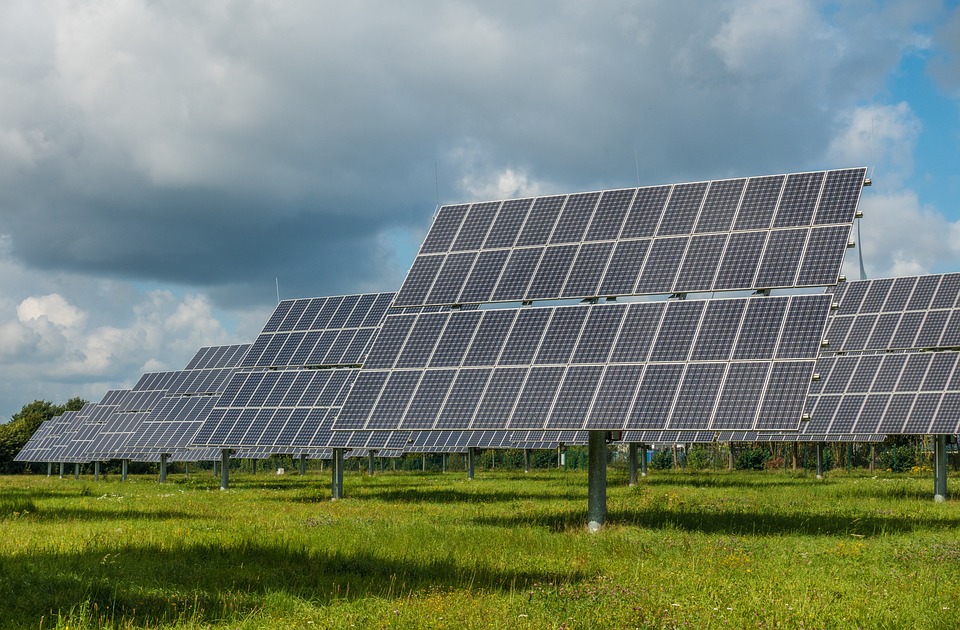
As rays of sunlight dance playfully through the branches of the towering oak trees that surround my humble abode, I can’t help but reminisce about my journey towards sustainable living. The days when I relied on conventional power grids seem like a distant memory now, thanks to the incredible advancements in solar panel technology. From rooftops to power grids, solar panels are not only revolutionizing energy production but also empowering individuals to take control of their energy consumption like never before. Solar panels, also known as photovoltaic (PV) cells, harness the sun’s abundant energy and convert it into electricity. This clean, renewable source of power has become an indispensable element of the sustainable living movement. When I first ventured off the grid, solar panels were a luxury reserved for the environmentally conscious or the wealthiest among us. However, as technology has advanced and costs have plummeted, solar panels have become more accessible to the average person. One of the most remarkable aspects of solar panels is their versatility. Gone are the days when solar panels were limited to expansive fields or sprawling estates. Today, they can be found atop rooftops, in small-scale installations, or even integrated into the design of everyday objects like backpacks and phone cases. This newfound flexibility has allowed individuals from all walks of life, regardless of their living situation, to enjoy the benefits of solar energy. Installing solar panels on rooftops has become an increasingly popular choice for homeowners across the globe. And why wouldn’t it be? With numerous advantages, it’s hard to resist the allure of rooftop solar systems. Not only does this installation method maximize the amount of sunlight absorbed by the panels, but it also minimizes space constraints that come with ground-mounted systems. Additionally, rooftops are already existing structures, so the cost of land is eliminated. It’s a win-win situation for both the environment and the homeowner’s pocket. Pro Tip: When considering installing solar panels on your rooftop, ensure proper orientation and tilt. In the Northern Hemisphere, south-facing roofs with an inclination between 30 and 45 degrees tend to yield the best results. However, each home’s specific circumstances may vary, so consulting with a reputable solar panel installation company is crucial to optimize your system’s efficiency. Beyond individual residences, solar panels are also finding their place on the grand stage of energy production. Power grids, once synonymous with centralized control and dependency on fossil fuels, are now embracing the revolution brought forth by solar power. Solar farms, comprising numerous photovoltaic panels, harness the sun’s energy on a larger scale, contributing to the overall energy mix in communities. These farms are carefully planned to maximize the exposure to sunlight, ensuring the highest energy production possible. It’s truly astonishing how solar power, once considered a niche alternative, has become a mainstream player in the energy sector. The falling costs and increasing efficiency of solar panels have made them commercially viable, attracting investors far and wide. Governments, recognizing the environmental and economic benefits, are implementing favorable policies and incentives to encourage solar power adoption. As a result, solar energy capacity has been skyrocketing globally, fostering a brighter and more sustainable future for all. Pro Tip: If you’re considering investing in solar panels, make sure to explore any available financial incentives or tax credits in your area. Many governments offer rebates or grants that can significantly reduce the upfront cost of installation, making solar energy an even more attractive option. The benefits of solar panels extend far beyond the reduction of electricity bills and minimization of carbon footprints. By embracing this revolutionary technology, individuals can take a proactive stance towards energy independence and resilience. When I first switched to solar power, I no longer felt beholden to the volatile energy market or at the mercy of utility companies. Instead, I became the master of my own energy destiny, capable of generating my own power and even contributing any excess to the grid. In a world where climate change and environmental degradation have become pressing concerns, solar panels provide a glimmer of hope. With their emission-free energy production, they significantly reduce greenhouse gas emissions and air pollution, benefitting both the individual and the planet. Furthermore, solar panels require minimal maintenance, making them a reliable and hassle-free source of power. As the saying goes, “The sun never sends you a bill.” Pro Tip: To make the most of your solar panels, consider combining them with energy storage solutions like batteries. This allows you to store excess energy generated during peak hours and use it during periods of low sunlight or high energy demand. Not only does this reduce your reliance on the power grid, but it also enhances your energy independence. From rooftops to power grids, solar panels have unraveled a whole new realm of possibilities for sustainable living. They have empowered individuals to break free from traditional energy sources, fostering a sense of liberation and self-sufficiency. As I bask in the gentle warmth of the sun’s rays, knowing that it powers my life and home, I can’t help but be filled with gratitude for this remarkable technology. The solar revolution is here to stay, brightening our lives while we collectively move towards a greener, cleaner future.

solar panels

Unplugged and Independent: Exploring the Benefits of Off Grid Solar Systems

Imagine waking up to the melodious chirping of birds, the gentle caress of a cool breeze on your face, and a sense of tranquility that only comes from being completely connected to nature. This has been my reality for the past few years, as I’ve embraced the off-grid lifestyle. Living completely independent of the conventional power grid has been a liberating and eye-opening experience, and one of the key elements that have made this possible is the marvel of off-grid solar systems. In this article, we will explore the fantastic benefits of these systems, and why they are becoming a game-changer for those seeking a greener, more self-sufficient way of life. Off-grid solar systems are a revolutionary technology that allows individuals like myself to generate and store their own electricity, without relying on the traditional power supply. The foundation of these systems is simple yet ingenious – solar panels, often mounted on roofs or in open spaces, capture the sun’s abundant energy and convert it into usable electricity. This energy is then stored in batteries, ready and waiting to power up our lives whenever the sun hides behind the clouds. One of the most remarkable benefits of off-grid solar systems is the incredible sense of freedom they offer. The realization that I no longer had to pay exorbitant utility bills or rely on fossil fuels for electricity was liberating beyond words. I have become the master of my own energy destiny, creating a sustainable and renewable source of power that is not only environmentally friendly but also self-sustaining. No longer bowing to the whims of utility companies, I feel empowered and in control of my own energy consumption. Living off-grid does not mean sacrificing the luxuries and conveniences of modern life. On the contrary, off-grid solar systems have made it possible for me to enjoy all the benefits of electricity without any of the guilt associated with conventional power sources. From running household appliances like refrigerators, washing machines, and even air conditioning units, to charging laptops, smartphones, and other electronic gadgets, off-grid solar power has seamlessly integrated into my daily life. One of the biggest concerns for those contemplating the off-grid lifestyle is the reliability of power supply. We’ve all experienced the frustration of power outages and the inconvenience that ensues. However, with off-grid solar systems, I have bid farewell to those worries. The sun, my new best friend, graciously rises every morning to power up my batteries, ensuring a consistent and reliable supply of electricity. Of course, there are cloudy days and, as a result, I’ve learned to be mindful of my energy consumption during those periods. This is where proper system sizing and battery capacity come into play, allowing me to smoothly sail through even the gloomiest of weather. Beyond the immediate benefits to my own life, embracing off-grid solar power has been a conscious commitment to the environment. By relying solely on the sun’s rays as an energy source, I am reducing my carbon footprint and contributing to the fight against climate change. The environmental impact of traditional power generation, be it through coal or natural gas, cannot be overstated. By opting for off-grid solar systems, I am doing my part to leave a cleaner and healthier planet for future generations. Pro Tips: 1. When considering an off-grid solar system, it’s vital to assess your electricity needs accurately. Take into account the appliances and electronics you use regularly, their power requirements, and how long you typically use them each day. This will help you determine the appropriate system size and battery capacity you’ll need. 2. Proper system installation and maintenance play a crucial role in maximizing the efficiency and lifespan of your off-grid solar system. It’s recommended to have a professional install and regularly service your system to ensure optimal performance and longevity. 3. Energy storage is a vital component of off-grid solar systems. Selecting high-quality batteries that can withstand deep discharge cycles and have a long lifespan is essential. Research brands and models that have a proven track record in off-grid applications to make an informed decision. 4. To further optimize your energy consumption, consider incorporating energy-efficient appliances and LED lighting into your off-grid lifestyle. These choices will minimize your power requirements and help stretch your stored energy further. In conclusion, off-grid solar systems have been a game-changer for those seeking an independent and sustainable lifestyle. The freedom, reliability, and environmental benefits they offer cannot be overstated. By harnessing the power of the sun, I have unlocked a world of possibilities, living in harmony with nature while enjoying all the comforts of modern living. It’s time to unplug from the traditional power grid and embrace the blissful wonders of off-grid solar systems. Take the leap and energize your life!

solar panels

The Rise of Solar Power: A Clean and Sustainable Energy Solution

As the warmth of the morning sun filters through the thick canopy of trees, a sense of tranquility fills the air. I take a deep breath, relishing in the freedom and simplicity that comes with living off the grid. Being able to harness the power of the sun has not only changed my life but is also revolutionizing the way we think about energy. Today, let’s take a journey through the fascinating rise of solar power – a clean and sustainable energy solution that is shaping the future of our planet. Solar power, once seen as a lofty idea, has rapidly emerged as a force to be reckoned with in the realm of renewable energy. The ever-increasing demand for energy, coupled with a growing concern about environmental sustainability, has propelled solar power into the spotlight. As our reliance on traditional fossil fuels comes under scrutiny, the allure of clean and sustainable energy sources, such as solar power, becomes irresistible. Harnessing the sun’s energy is not a new concept. In fact, I still vividly remember the early days of solar power when bulky and expensive solar panels were a far cry from the sleek and efficient models available today. Back then, they were seen as a luxury, only accessible to a select few. But oh, how times have changed! Pro tips: – When considering solar power, ensure you calculate your energy needs accurately to determine the number of solar panels required. Remember, investing in a system that matches your energy consumption will yield the best results. – Look for reputable solar panel manufacturers and installers to ensure the highest quality products and installation services. Don’t settle for subpar components or installation practices that may compromise the reliability of your solar power system. Today, solar power is more accessible and affordable than ever before. Technological advancements have revolutionized the solar industry, making solar panels sleeker, more efficient, and cost-effective. With federal and state incentives, tax credits, and net metering programs, the initial investment in solar power is becoming increasingly attractive, resulting in a surge of installations across the country. One of the most significant advantages of solar power is its environmental impact, or rather, the lack thereof. Unlike traditional energy sources, solar power generates electricity without producing harmful greenhouse gases, air pollutants, or toxic waste. This means cleaner air, reduced dependence on fossil fuels, and a smaller ecological footprint – all factors that resonate strongly with those seeking a sustainable lifestyle. Pro tip: – Consider installing a battery storage system along with your solar panels. This allows you to store excess energy generated during daylight hours for use during evenings or inclement weather. Having a reliable backup system ensures a continuous power supply even when the sun isn’t shining. Furthermore, the potential for solar power is virtually limitless. The sun, a colossal nuclear reactor, is estimated to provide us with more energy in a single hour than the entire world consumes in a year. This staggering fact alone highlights the immense power and potential of solar energy. Solar power also bestows a sense of independence and resilience. As someone who has experienced the freedom of living off the grid, I can attest to the unparalleled tranquility it brings. By generating your own electricity, you are no longer vulnerable to power outages, price fluctuations, or dependence on an overburdened electric grid. With solar power, you become the master of your energy destiny. Pro tip: – Regularly monitor and maintain your solar panels to ensure optimal performance. Keep them clean, free from debris, and inspect the wiring and connection points to avoid any potential issues. Taking good care of your solar power system ensures it operates at its peak efficiency for years to come. Not only does solar power benefit individuals, but it also has a significant impact on communities and the world at large. Solar installations contribute to job creation, stimulate economic growth, and drive innovation. By embracing solar power, we are not only reducing our reliance on finite resources but also fostering a sustainable and resilient future for generations to come. As solar power continues to gain momentum, it is essential to champion policies and initiatives that further promote its expansion. Governments, corporations, and individuals all have a vital role to play in supporting the widespread adoption of solar energy. From investing in research and development to incentivizing solar installations, we can collectively pave the way towards a cleaner and more sustainable future. Pro tip: – Educate yourself and others about the benefits of solar power. Share your experiences, host community events, or engage in outreach programs to spread awareness. Together, we can inspire others to make the switch and contribute to a brighter future for our planet. The rise of solar power is more than just a technological advancement; it symbolizes a pivotal shift in the way we perceive and utilize energy. By embracing this clean and sustainable energy solution, we not only reduce our environmental impact but also unlock a wealth of economic and social benefits. So, let us harness the sun’s power, embrace the energy revolution, and bask in the brilliance of solar power – a force that illuminates a brighter and greener future for all.

solar panels

Demystifying Solar Panel Costs: What You Need to Know

Demystifying Solar Panel Costs: What You Need to Know Picture this: a bright sunny day, birds chirping, and clean energy flowing into your home. As someone who has experienced the incredible benefits of living off the grid, I can’t help but share my enthusiasm for solar panels. They have truly revolutionized my life, providing not only financial savings but also a sense of environmental responsibility. In this article, I aim to demystify the costs associated with solar panels, answering your burning questions and equipping you with the knowledge needed to embark on your own renewable energy journey. Understanding the Initial Investment When it comes to solar panel costs, the initial investment can seem daunting. However, it’s crucial to recognize that this is a long-term investment that pays for itself in the years to come. Solar panels are durable, with an average lifespan of 25-30 years, and require minimal maintenance. By investing in solar panels, you not only reduce or eliminate your monthly electricity bills but also contribute to a greener future. The cost of solar panels depends on several factors, including the size of your property, energy consumption, local regulations, and available incentives. On average, solar panels can cost between $10,000 and $30,000. While this may seem substantial, it’s crucial to consider the numerous financial benefits that come with harnessing the power of the sun. Financial Benefits of Solar Panels 1. Long-Term Savings: One of the primary advantages of solar panels is the significant reduction in your electricity bills. With a solar panel system, you generate your own electricity, reducing your reliance on the grid. Over time, this results in substantial savings. 2. Return on Investment: Solar panels are a smart investment, quickly paying for themselves. On average, homeowners save upwards of $1,000 per year on their electricity bills. In most cases, you can expect a return on investment within 5-7 years. 3. Increased Property Value: Homes equipped with solar panels have a higher market value. According to a study conducted by the Lawrence Berkeley National Laboratory, homes with solar panels sell for an average of 4.1% more compared to similar non-solar properties. 4. Tax Credits and Incentives: The government offers attractive tax credits and incentives for those who choose to install solar panels. These incentives vary from state to state but can offset a significant portion of the initial costs. Pro Tips: – Research and compare available incentives in your region, as they can greatly impact your overall investment. – Consider the potential increase in property value when calculating the long-term financial benefits of solar panels. Factors Affecting Solar Panel Costs Now that we’ve established the financial benefits, let’s break down the factors that affect solar panel costs: 1. Size of the System: The size of the solar panel system you require is dependent on your energy consumption. A larger system will naturally cost more than a smaller one. It’s essential to assess your energy needs accurately to determine the appropriate system size. 2. Quality of Solar Panels: When investing in solar panels, it’s crucial to prioritize quality. While cheaper panels may seem tempting, they might not generate as much electricity or have the same durability as high-quality panels. Opting for reputable brands may have a higher upfront cost but will yield greater long-term benefits. 3. Installation Costs: The installation process involves various factors such as labor, mounting equipment, and electrical connections. It’s advisable to get quotes from multiple solar panel installers to ensure competitive pricing. 4. Local Regulations and Permits: Different states and municipalities have varying regulations and permitting processes. These requirements may add to the overall cost of installing solar panels. It’s crucial to research the local regulations and factor them into your costs. Pro Tips: – Obtain multiple quotes from reputable installers to find the best price for your solar panel system. – Take into account potential permit costs and research local regulations before commencing your solar panel installation. Making the Solar Transition Affordable Understanding the costs associated with solar panels is just the first step; finding ways to make them more affordable is equally important. Here are some strategies to help you navigate the financial aspect: 1. Leasing and Power Purchase Agreements (PPAs): If the initial investment is too substantial, leasing or entering into a Power Purchase Agreement (PPA) with a solar provider can be viable options. These allow you to enjoy the benefits of solar energy without the need for a large upfront payment. With leasing, you pay a fixed monthly amount, while with PPAs, you purchase energy generated by the panels at a lower rate compared to traditional electricity. 2. Financing Options: Many financial institutions offer loans specifically designed for solar panel installations. These loans often have favorable interest rates and flexible repayment terms, making solar energy accessible to a wider audience. 3. DIY Approach: For the handy individuals out there, a DIY approach can significantly reduce costs. However, it’s essential to have a thorough understanding of the installation process and ensure compliance with local regulations. A DIY solar panel system should only be pursued if you possess the necessary knowledge and skills. Pro Tips: – Consider leasing or a Power Purchase Agreement if the initial cost of purchasing solar panels is prohibitive. – Research financing options and compare interest rates to find the most affordable solution for your situation. Embrace the Sun, Embrace a Greener Future Demystifying solar panel costs is an important step toward embracing renewable energy. While the initial investment may seem overwhelming, the long-term financial benefits and environmental impact far outweigh the costs. By reducing your carbon footprint, increasing property value, and enjoying substantial savings, solar panels offer a promising future for both your pocket and the planet. As someone who has experienced the positive change solar panels can bring, I encourage you to embark on this journey toward a more sustainable and independent lifestyle. Take advantage of the available incentives and financial options, and soon you’ll be basking in the sun’s rays while enjoying the sound of

solar panels

Going Green at Home: How Solar Panels Are Revolutionizing Renewable Energy

Going Green at Home: How Solar Panels Are Revolutionizing Renewable Energy Picture this: waking up in the morning to the warm rays of the sun streaming through your window, knowing that these very rays will power your entire home for the day. As the light floods in, you feel a sense of gratitude for the sustainable choices you’ve made to reduce your carbon footprint and live off the grid. Solar panels have transformed the way we harness energy, providing a clean, renewable source of power that not only benefits the environment but also saves us money in the process. In this article, we will delve into the exciting world of solar panels, exploring their numerous benefits, debunking common myths, and providing essential pro tips for those considering their installation. Solar panels have become an integral aspect of sustainable living, shaping the way we generate energy in our homes. As someone who has experienced the advantages of living off the grid, I can confidently assert that embracing solar power has been a game-changer. Gone are the days of complete reliance on traditional power grids and the associated hefty utility bills. With the installation of solar panels, I have found myself liberated with a clean energy solution that offers immense savings and a genuine sense of environmental responsibility. When it comes to solar panels, one of the biggest concerns people have is their cost. It’s true that the initial investment may seem daunting, but the long-term benefits are unquestionably worth it. Not only do solar panels reduce your electricity bill significantly, but they also offer a return on investment that can often be achieved within just a few years. Plus, let’s not forget the numerous financial incentives and tax breaks available, making solar panels an even more appealing choice. Furthermore, the advancements in technology have led to more affordable prices and greater accessibility, allowing more households to embrace solar power. In addition to the financial advantages, solar panels are a prime example of how individuals can contribute to a sustainable future. By generating your own clean energy, you reduce your carbon footprint and minimize your contribution to climate change. As solar power is a renewable source of energy, it doesn’t deplete natural resources or emit harmful greenhouse gases like traditional fossil fuels do. Choosing solar power is a small step with a significant impact, collectively leading to a healthier planet for future generations to enjoy. Pro Tip: Before installing solar panels, it is crucial to assess your energy needs. Take into consideration the average daily electricity consumption in your household to determine the number and size of panels required. Conducting an energy audit can help you identify energy-saving opportunities and ensure maximum efficiency. Another common misconception about solar panels is their lack of effectiveness in regions with limited sunlight. While it’s true that solar panels thrive in areas with abundant sunshine, they can still generate substantial energy in less sunny locations. Modern panels are designed to capture even the smallest amount of sunlight, and advancements in technology have greatly improved their efficiency. Additionally, battery storage systems can be installed to store excess energy for use during cloudy days or at night, ensuring a consistent power supply. One of the fascinating developments in solar technology is its growing versatility. From rooftops to solar farms, solar panels are no longer limited to residential use. Businesses, industries, and even entire communities are embracing solar power on a larger scale. Solar farms, for instance, can generate an enormous amount of electricity that caters to the energy needs of entire towns, mitigating the environmental impact of traditional power sources. This shift towards solar energy on a broader scale signifies a new era of sustainable living and greener communities. Pro Tip: When positioning your solar panels, ensure they are angled for optimal sunlight exposure. South-facing roofs generally receive the most sunlight in the Northern Hemisphere, while north-facing roofs are preferable in the Southern Hemisphere. Ideally, panels should be tilted at an angle equal to your latitude to maximize energy production. When it comes to maintaining solar panels, rest assured that they are incredibly durable and require minimal upkeep. Unlike conventional power sources, solar panels have no moving parts that can wear out, and they are built to withstand various weather conditions. However, occasional cleaning to remove dust or debris may be necessary to ensure optimum efficiency. Additionally, it is recommended to schedule routine inspections to detect and address any issues before they escalate. As solar panels continue to revolutionize renewable energy, their efficiency and affordability are constantly improving. Eager to stay ahead of the curve, scientists and researchers are tirelessly working on advancements in solar technology, which promise even greater energy production and cost-effectiveness in the future. From lightweight and flexible panels to solar paint and windows that double as energy generators, the possibilities are endless. The era of solar power holds immense potential, and it’s an exciting time to embrace this clean energy source. Pro Tip: Consider joining a local solar-powered community and share experiences and tips with like-minded individuals. Collaborating with others can provide valuable insights into maximizing efficiency and savings. In conclusion, solar panels have transformed the way we harness energy by providing a clean and renewable source of power. The cost savings, environmental benefits, and long-term return on investment make them an appealing choice for individuals and communities alike. With advancements in technology and growing accessibility, solar panels are setting the stage for a greener future. By embracing solar power, we can all contribute to a sustainable world that prioritizes clean energy and reduces our reliance on traditional power sources. Let’s harness the power of the sun and pave the way to a brighter, cleaner, and more sustainable future.

solar panels

Maximizing Solar Panel Output: How Routine Cleaning Can Boost Performance

As the sun gracefully rises over the horizon, casting its warmth and light upon the earth, I am reminded of the incredible power and potential of solar energy. Living off the grid has taught me to appreciate the natural resources that surround us, and harnessing the sun’s energy through solar panels has become an essential part of my sustainable lifestyle. Maximizing solar panel output is not only crucial for the energy needs of off-grid living but also for anyone aiming to reduce their carbon footprint and save on electricity bills. In this article, I will share my insights and pro tips on how routine cleaning can boost the performance of your solar panels, helping you harness the sun’s energy to its fullest potential. Before we dive into the nitty-gritty of solar panel cleaning, let me share my personal journey with solar energy. Several years ago, I made the conscious decision to disconnect from the hustle and bustle of city life and embrace off-grid living. My rustic cabin nestled amidst towering trees and rolling hills became my sanctuary. While the initial transition was challenging, the rewards were immeasurable. Solar panels provided me with a reliable and renewable source of electricity, allowing me to live comfortably whilst minimizing my impact on the environment. One sunny summer’s day, as I admired the rays dancing on my solar panels, it struck me that regular cleaning might be the key to maximizing their output. Over time, dust, dirt, pollen, bird droppings, and other debris settle on the surface of the panels, hindering their ability to absorb sunlight. This buildup might seem insignificant, but even a thin layer can have a noticeable impact on energy production. To optimize your solar panel efficiency and harness the maximum potential of the sun’s energy, routine cleaning is essential. Here’s everything you need to know to keep your solar panels shining and performing at their peak: 1. Start with the Basics: Safety First! Before embarking on your solar panel cleaning adventure, it’s crucial to prioritize safety. From sturdy footwear to a secure ladder, ensuring your wellbeing is paramount. Always consult the manufacturer’s guidelines to avoid any damage or personal injury. If your solar panels are installed at a considerable height or are difficult to access, it might be wise to seek professional help for the cleaning process. 2. Timing Matters: Clean at the Right Moment Timing is everything when it comes to solar panel cleaning. Choose a clear and overcast-free day to maximize the effectiveness of your efforts. Cleaning your panels early in the morning or late in the afternoon is particularly beneficial, as the sun’s intensity is lower, reducing the risk of steam or streaks forming during the cleaning process. 3. Gather Your Tools: Simplicity is Key Cleaning your solar panels doesn’t require fancy equipment or specialized solvents. In fact, simplicity is key to preventing any potential damage. Gather the following tools: a soft-bristle brush, a squeegee or microfiber cloth, a bucket filled with warm water and mild detergent, and a garden hose. 4. Get Down to Business: A Step-by-Step Guide a. Inspect – Before starting the cleaning process, inspect your solar panels for any visible damage or defects. If you notice any, contact a professional to handle repairs. b. Rinse – Begin by gently rinsing your solar panels with a garden hose to remove loose debris. Use caution not to spray water directly onto electrical connections or edges where water might seep into the panels. c. Clean – In your bucket of warm water and mild detergent, mix a small amount of soap. Dip your soft-bristle brush into the soapy solution and carefully scrub the surface of each panel. Be mindful of applying too much pressure, as excessive force can damage the delicate surface of the solar panels. d. Rinse (Again) – After cleaning, thoroughly rinse the panels with clean water to remove any soapy residue. A squeegee or microfiber cloth can help to dry off excess water, leaving the panels clean and streak-free. 5. The Power of Prevention: Protective Measures To keep your solar panels performing optimally, consider taking preventive measures. Birds and other critters may be attracted to the warmth of the panels, leaving unwanted surprises behind. Installing bird deterrents such as spikes or protective netting can help prevent any damage caused by their presence. Regularly trimming overhanging trees or nearby vegetation will minimize the accumulation of leaves and debris on your solar panels. 6. The Frequency of Cleaning: It’s all about Balance Determining the frequency of solar panel cleaning varies depending on your location and environmental factors. As a general rule of thumb, inspect your panels every few months and clean as necessary. Assess the cleanliness after heavy rain, particularly in dusty areas, as this might influence the cleanliness frequency. Consult your solar panel manufacturer or a certified professional for guidance tailored to your specific situation. Living off the grid has taught me the importance of embracing renewable energy sources and making the most of what nature provides. Cleaning my solar panels regularly not only allows me to maximize their energy output but also deepens my connection to the environment. By taking a proactive approach to solar panel maintenance, we can all contribute to a more sustainable future. As a final piece of advice, remember that your solar panels are an investment. Regular cleaning and maintenance ensure that you get the most out of your investment for years to come. So, don’t shy away from embracing this simple and effective method to boost the performance of your solar panels. Harness the power of the sun, brighten your life, and let the renewable energy journey unfold before your eyes! Pro Tips: 1. Avoid using harsh chemicals or abrasive materials for cleaning, as they can damage the panels. 2. If you reside in an area with heavy pollution or near construction zones, consider more frequent cleaning intervals. 3. Monitor your solar panels’ performance regularly using a solar power monitoring system to detect any sudden declines that

solar panels

Exploring Different Solar Panel Types: Benefits, Drawbacks, and Performance

Exploring Different Solar Panel Types: Benefits, Drawbacks, and Performance Picture this: a serene cabin nestled deep in the heart of nature, away from the hustle and bustle of city life. As the sun rises, casting its warm golden rays upon the land, an off-grid enthusiast like myself revels in the knowledge that their energy needs are met entirely by the power of the sun. Living off the grid allows us to embrace sustainable living, and one of the key components of this lifestyle is harnessing solar energy through various types of solar panels. In this article, we will embark on an exciting journey to explore different solar panel types, understand their benefits, drawbacks, and performance. So, grab a cup of your favorite beverage and join me on this exhilarating solar adventure! 1. Monocrystalline Solar Panels Starting our solar panel exploration on a high note, monocrystalline panels are known for their exceptional efficiency. These panels are made from a single crystal structure, usually silicon, allowing them to convert sunlight into electricity with unmatched precision. With their sleek black appearance, they are not only efficient but also aesthetically pleasing. One significant advantage of monocrystalline panels is their space-efficiency. Due to their high efficiency, they require less surface area compared to other panel types, making them ideal for smaller spaces. Furthermore, their excellent performance in low-light conditions ensures they continue to generate power even on cloudy days. However, the drawback of monocrystalline panels lies in their cost, as they tend to be the most expensive option on the market. Pro Tip: If you have limited space or want to maximize power generation, investing in monocrystalline solar panels can be a wise choice, despite their higher price tag. 2. Polycrystalline Solar Panels As we venture further into the realms of solar panel types, polycrystalline panels shine brightly (both literally and metaphorically). Unlike their monocrystalline counterparts, polycrystalline panels are made up of multiple silicon crystals, resulting in a distinctive blue appearance. They offer a cost-effective alternative to monocrystalline panels while still maintaining respectable efficiency. One of the notable benefits of polycrystalline panels is their affordability. With less silicon waste during the production process, they are often priced lower than their monocrystalline counterparts. Additionally, as technology advances, polycrystalline panels have continuously improved their efficiency, narrowing the gap between them and monocrystalline panels. However, they do tend to occupy more space, requiring a larger surface area to generate the same amount of electricity. Pro Tip: If you have ample space on your property and are seeking an economical option that still provides decent performance, polycrystalline solar panels could be your best bet. 3. Thin-Film Solar Panels As we wander down the path of solar panel exploration, we stumble upon a unique and innovative type: thin-film solar panels. These panels are distinct from their crystalline counterparts, as they are made by depositing a thin semiconductor layer onto a supporting material such as glass, plastic, or metal. This flexibility allows for creative applications and opens up possibilities beyond traditional solar panels. One of the significant advantages of thin-film solar panels is their flexibility. This characteristic makes them ideal for curved surfaces, enabling unique installations that would otherwise be challenging or impossible with other panel types. They also perform well in high temperatures, making them suitable for regions with intense sun exposure. However, their lower efficiency compared to crystalline panels and the potential for degradation over time are notable drawbacks. Pro Tip: Consider thin-film solar panels if you’re looking for a lightweight and flexible option, especially for unconventional installations or portable solar setups. 4. Bifacial Solar Panels Our exploration of solar panel types leads us to the captivating world of bifacial solar panels. Unlike traditional solar panels that only absorb sunlight from the front side, bifacial panels harness light from both sides, capturing more energy from direct sunlight as well as reflected light on the rear side. This unique design sets them apart and offers distinct advantages in certain situations. The primary benefit of bifacial panels is their enhanced power output. By capturing light from both sides, these panels can generate up to 50% more electricity compared to monofacial panels of the same size. This makes them particularly useful for installations on reflective surfaces such as white roofs or areas with light-colored terrain. However, their performance heavily relies on the surroundings and the amount of reflected light available. Pro Tip: If you have access to a highly reflective environment or want to optimize power generation on suitable surfaces, consider the amplified capabilities of bifacial solar panels. 5. Concentrated Solar Power (CSP) As our solar panel odyssey nears its end, we encounter a unique technological marvel known as Concentrated Solar Power (CSP). Unlike the previous panel types that directly convert sunlight into electricity, CSP employs mirrors or lenses to focus sunlight onto a receiver. This concentrated heat is then utilized to produce steam, which drives a turbine to generate electricity. CSP offers unparalleled storage capabilities, as excess heat can be stored and used to generate electricity during periods of low sunlight. This feature allows for continuous power supply, even when the sun sets or on cloudy days. However, CSP requires vast amounts of space and tends to be more suitable for large-scale power plants rather than residential or small-scale off-grid setups. Pro Tip: If you’re thinking big and have access to vast open areas, Concentrated Solar Power can be an exciting option for sustainable energy production. Embarking on this solar panel expedition has undoubtedly shed light on the vast array of options available to us as off-grid enthusiasts. Each solar panel type offers distinct advantages and drawbacks, catering to unique needs and preferences. By aligning our energy requirements with the most suitable panel type, we can harness the power of the sun in the most efficient and effective way possible. As we conclude our journey through solar panel types, let’s remember that sustainable energy is not only environmentally friendly but also economically viable in the long run. So, whether you

solar panels

Solar Panels: A Bright Future for Sustainable Energy

Living off the grid has provided me with a unique perspective on sustainability and self-reliance. One of the key components of this lifestyle that has truly brightened my world is solar panels. These innovative devices have paved the way for a future powered by renewable energy sources, ensuring a greener and more sustainable world for generations to come. In this article, I want to share my excitement and joy over solar panels and discuss their numerous benefits, all while shedding light on their tremendous potential. Solar panels are a type of renewable energy technology that converts sunlight into usable electricity. The process behind this impressive phenomenon, known as photovoltaics, involves the absorption of sunlight by the solar cells within the panel. These cells then release electrons, which generate an electric current. By harnessing this energy, we can power our homes, gadgets, and even electric vehicles. The journey towards adopting solar power in my off-grid lifestyle began with a deep sense of curiosity and a desire to reduce my environmental impact. As I delved into research, I discovered the immense potential of solar panels to meet my energy needs using a clean and sustainable resource – the sun. The prospect of producing my own electricity without relying on the traditional power grid was liberating. One of the most significant advantages of solar panels is their ability to drastically reduce or eliminate electricity bills. By capturing energy from the sun, these panels provide a renewable source of energy that is essentially free. I vividly remember the excitement of receiving my first utility bill after installing solar panels – it was lower than ever before! Not only did this save me money, but it also gave me a sense of independence and freedom from the constraints of utility companies. The environmental impact of solar panels cannot be overstated. By harnessing the power of the sun, we can significantly reduce our dependence on fossil fuels, which are notorious for their contribution to climate change. Solar energy is clean, renewable, and does not release harmful greenhouse gas emissions, making it a vital tool in combating environmental degradation. It brings me joy to know that every watt of solar electricity generated is a step towards mitigating the climate crisis. But solar panels offer more than just environmental benefits. They are also highly versatile and can be utilized in various settings. Whether you live in a remote cabin, suburban home or bustling city apartment, solar panels can be tailored to fit your specific needs. The flexibility of solar energy systems allows for adaptability and scalability, making them accessible to a wide range of individuals and communities. Installing solar panels not only benefits the individual, but it also contributes to the greater good. When you generate excess electricity, it can be fed back into the grid, powering neighboring homes and businesses. This concept, known as net metering, not only minimizes wastage but also promotes a sense of community and collective responsibility. Additionally, as more people embrace solar energy, the demand for non-renewable energy sources reduces, prompting a shift towards a cleaner and more sustainable future for everyone. Pro Tips: – When choosing solar panels, look for those with higher energy efficiency ratings. This ensures maximum energy production, even in areas with less sunlight. – Regularly clean your solar panels to remove dirt and debris. This helps maintain their efficiency and performance. – Consider the orientation and angle of your solar panels to optimize sunlight exposure throughout the day. – Explore solar battery storage options to store excess energy for use during cloudy days or at night. This can enhance your energy independence and resilience. As I reflect on my off-grid journey, I am filled with hope and excitement for the future of solar energy. The rapid advancements in solar technology and decreasing costs make it increasingly accessible to individuals and communities worldwide. Solar panels offer a bright solution to our energy needs, harmonizing ecological sustainability and economic savings. Let us continue to embrace solar energy as a catalyst for positive change. By investing in solar panels, we can reduce our environmental footprint, cut electricity costs, and foster a more sustainable planet for ourselves and future generations. Together, we can usher in a brighter future, powered by the limitless energy of the sun!