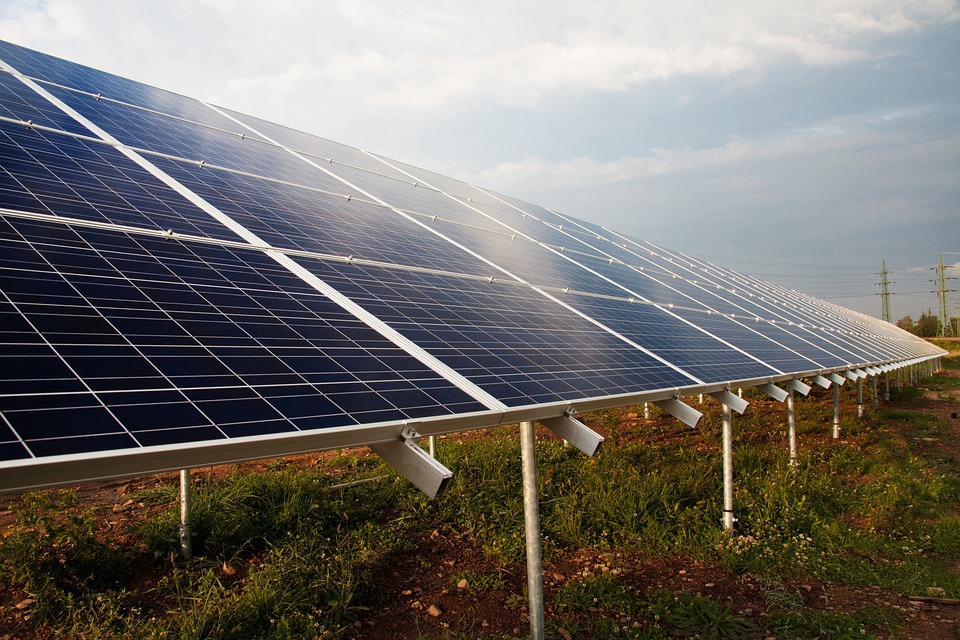
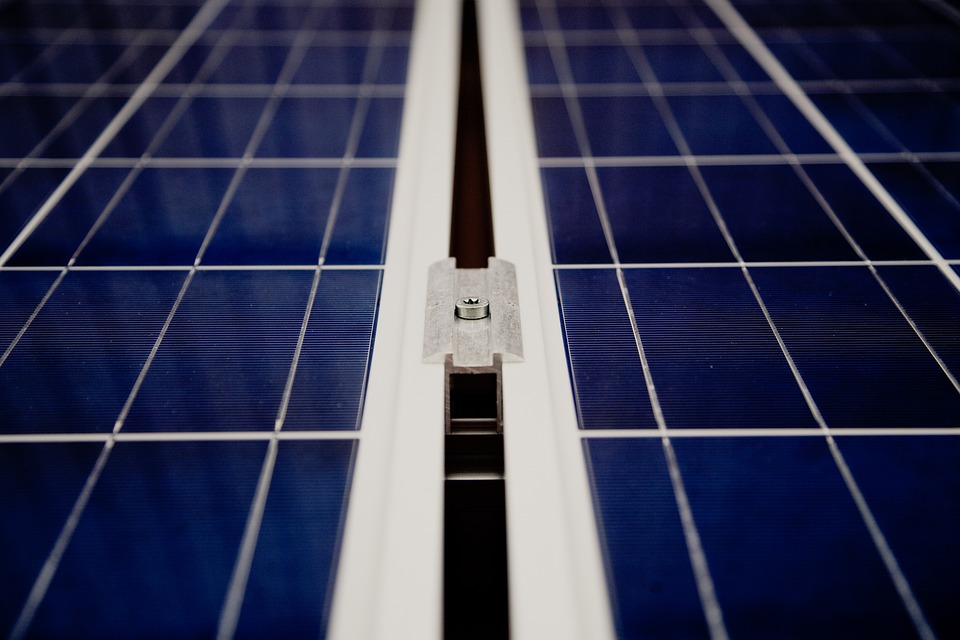
Solar Panels

solar panels

Solar Energy: Lighting up the World with a Bright Future

Solar Energy: Lighting up the World with a Bright Future Imagine a life where you are completely self-sufficient, disconnected from the electrical grid, and powered solely by the abundant energy of the sun. This is the life I have been living for several years now, and let me tell you, it has been an incredible journey. Solar energy has become my closest companion, providing me with endless power and brightening up my world, both literally and metaphorically. In this article, I invite you to join me as we explore the wonders of solar energy, its inner workings, the numerous benefits it brings, and how it has the potential to revolutionize the way we power our world. Harnessing Solar Power: A Vibrant Symphony of Energy The sun, our mighty cosmic ball of fire, has been shining its light upon our planet for billions of years, and it has taken us humans quite some time to fully tap into its immense power. The concept of solar energy has a long history, dating back thousands of years when ancient civilizations first recognized the sun’s potential to provide heat, food, and light. However, it was not until the 19th century that solar technology progressed significantly. Today, solar energy systems comprise an intricate web of technology and innovation, converting sunlight into usable electricity through photovoltaic (PV) panels. These panels, made up of solar cells, capture the sun’s rays and transform them into electricity by exploiting the photoelectric effect. When sunlight hits the cells, it excites the electrons within them, creating an electric current that we can then harness and utilize. Embracing the Power of the Sun: Benefits of Solar Energy The beauty of solar energy lies not only in its ability to generate electricity but also in the multitude of benefits it offers. Let’s dive into some of the most striking advantages that solar energy holds, both for individuals living off the grid and for society as a whole. 1. Renewable and Sustainable: Unlike fossil fuels, solar energy is an abundant and renewable resource. As long as we have the sun shining above us, we can continue to harness its power. By utilizing solar energy, we reduce our dependence on finite resources, such as coal, oil, and natural gas, thereby decreasing harmful emissions and combating climate change. 2. Cost-Effective: Investing in solar energy is not only beneficial for the environment but also for your wallet. While the initial installation costs for solar panels might seem daunting, they quickly pay for themselves over time. As someone who has experienced significant cost savings, I can vouch for the fact that solar energy greatly reduces or even eliminates monthly electricity bills. 3. Energy Independence: For those like me who have embraced off-grid living, solar energy provides us with the freedom to live independently. No longer reliant on outside sources for power, we control our own destiny. It empowers us to choose a sustainable and environmentally-friendly lifestyle while enjoying all the comforts of modern living. Pro Tip: Invest in energy storage systems like solar batteries to store excess energy for nighttime or cloudy days. 4. Low Maintenance and Lifespan: Solar panels are built to last. With minimal maintenance required, they can continue to produce electricity for decades. This longevity ensures a reliable and substantial power source, allowing us to bask under the sun’s rays worry-free. Brightening Lives Worldwide: Solar Energy’s Global Impact While solar energy has provided immeasurable benefits to those of us living off the grid, its potential impact stretches far beyond our humble abodes. As we expand our horizons, let us take a moment to ponder the exciting ways solar energy is transforming the world on a grand scale. 1. Saving the Environment: The shift towards solar energy is a vital step towards preserving our planet. By reducing our dependence on fossil fuels, we significantly decrease CO2 emissions and combat air pollution, resulting in cleaner air, healthier ecosystems, and a more sustainable future for generations to come. 2. Empowering Developing Nations: In many parts of the world, access to electricity remains a luxury. Solar energy offers a glimmer of hope for those who live in energy poverty, providing clean and affordable power options. Remote villages and disadvantaged communities are now being illuminated, enabling education, healthcare, and economic growth. 3. Promoting Economic Growth: The solar energy industry has become a powerhouse of economic growth, offering employment opportunities and driving innovation. As the demand for solar energy rises, so does the need for skilled workers, creating jobs that stimulate local economies while empowering individuals and communities. 4. Resilient Power Supply: Solar energy systems enhance the resilience of our power grids. By decentralizing energy production, we reduce the vulnerability and impact of natural disasters or system failures on our electricity supply. With distributed solar grids, power can be generated and utilized locally, minimizing the risk of widespread blackouts. Pro Tips for Embracing Solar Energy Now that we have explored the brilliance of solar energy, it’s time to equip you with some practical tips for incorporating it into your life: 1. Conduct a Thorough Energy Audit: Before investing in solar energy, it is essential to determine your energy consumption patterns. Perform an energy audit to identify where you use the most electricity, enabling you to size your solar system accordingly. 2. Seek Professional Advice: While embracing solar energy is an exciting journey, it is essential to seek expert guidance. Consult reputable solar energy companies who can assess your property’s suitability and design a system tailored to your needs. Pro Tip: Make sure the company offers reliable after-sales support and warranties. 3. Choose High-Quality Solar Panels: Investing in quality solar panels is crucial for long-term success. Opt for reputable brands and ensure the panels are tested and certified by relevant authorities. Look for panels with higher efficiency ratings, as they will generate more electricity from the same amount of sunlight. 4. Regular Maintenance and Cleaning: Though solar panels require minimal maintenance, it is crucial to keep them clean to maximize their
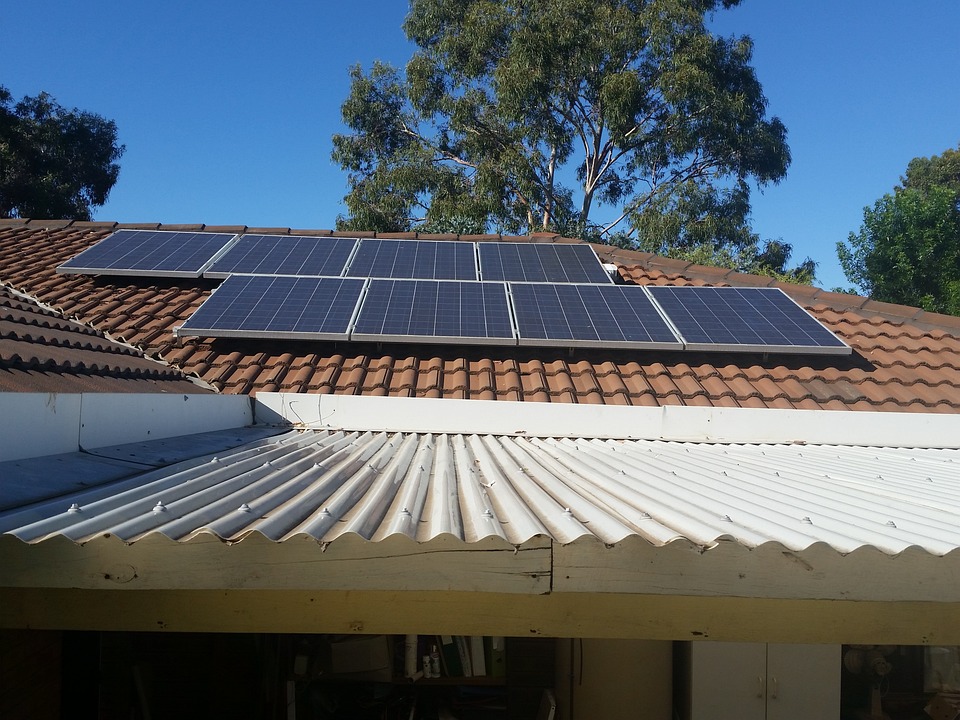
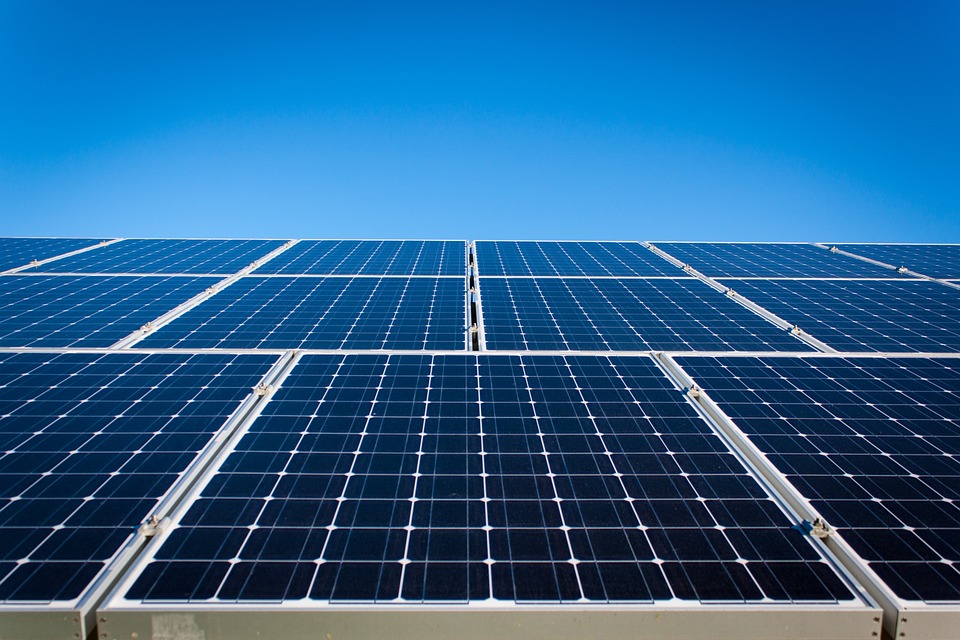
solar panels

The Economics of Solar Panels: Understanding the True Cost

Title: The Solar Revolution: Unveiling the True Economics of Solar Panels Introduction: Picture this: feeling the warm rays of the sun shining down while generating your own clean and renewable energy. This dream became a reality for me when I explored the incredible world of solar panels. Living off the grid has taught me the true value of these sustainable power sources and their economic benefits. In this article, we will delve into the exciting realm of solar panels, uncovering the true cost of embracing solar energy and how it can revolutionize not only your finances but also the planet. Understanding the Economics of Solar Panels: Solar panels have a reputation for being an investment reserved for die-hard environmentalists or wealthy individuals. However, the true cost of solar panels goes beyond the surface, presenting a plethora of economic advantages that are within reach for everyone. 1. Upfront Costs: It’s essential to start by acknowledging the initial investment required for installing solar panels. The cost depends on various factors, including the system size, location, and quality. Overall, the price ranges from $10,000 to $30,000 in the United States for a typical household installation. While this may seem substantial, remember that solar panels have a lifespan of 25-30 years, making them a long-term investment that ultimately pays for itself. 2. Financial Incentives and Tax Credits: Renewable energy has gained significant support, leading to various governmental incentives and tax credits that pave the way for greater affordability. Many states offer substantial rebates, grants, and tax credits, which can reduce the upfront costs significantly. Additionally, the federal Solar Investment Tax Credit (ITC) allows you to deduct 26% of the total installation costs from your federal taxes, further contributing to the affordability of solar panels. 3. Energy Independence and Savings: Once the solar panels are installed, they become an energy-producing powerhouse, reducing or eliminating your reliance on traditional electricity providers. By generating your own clean energy, you become more self-sufficient and resilient to fluctuations in energy prices. Over time, the savings are extraordinary, and your solar panels pay for themselves through reduced or eliminated electricity bills. 4. Net Metering: One of the most exciting aspects of solar energy economics is the concept of net metering. Many utility companies now allow residential solar panel owners to feed surplus electricity back into the grid. This excess energy earns you credits that are deducted from your electricity bill during times when the sun isn’t shining, such as at night. With net metering, you not only save money but also contribute to a more sustainable power grid. 5. Solar Renewable Energy Certificates (SRECs): Certain states have implemented SREC programs to further compensate homeowners for generating renewable energy. These programs enable solar panel owners to earn credits for each megawatt-hour of electricity produced. The accumulated SRECs can then be sold to utility companies to meet renewable energy obligations, providing additional monetary benefits and faster return on investment. Pro Tips: 1. Leverage Looming Energy Price Increases: Consider the future economic benefits of solar panels by taking into account the traditional trend of rising energy costs. By installing solar panels, you hedge against this expected price surge, ensuring long-term savings and energy independence. 2. Size Your System Appropriately: When it comes to solar panels, bigger isn’t always better; sizing your system according to your energy consumption patterns and available space is crucial. Consulting with a reputable solar installation company will help you optimize your system size and maximize your benefits. 3. Explore Self-Sustainability: While solar panels generate clean electricity during the day, incorporating an energy storage solution, such as a battery, can further enhance your self-sustainability. These batteries store excess energy, allowing you to harness solar power during nighttime or rainy periods. With the costs of energy storage decreasing, it’s a worthwhile investment to consider. 4. Research Available Programs and Incentives: The world of renewable energy is rapidly evolving, and new programs, grants, and incentives are continually being introduced. Stay informed and regularly research local, state, and federal initiatives to ensure you maximize your benefits when embracing solar energy. Conclusion: The economics of solar panels extend far beyond the initial investment. By understanding the value they bring in terms of financial incentives, energy independence, and long-term savings, you can unlock the true potential of solar energy. Not only do solar panels hold the power to transform your financial situation, but they also allow you to be an active participant in the global effort to combat climate change and build a sustainable future. So, go ahead, embrace the solar revolution, and bask in the glow of a brighter, and greener, tomorrow.

solar panels

Save Money and the Planet: Why Homeowners Should Consider Solar Panels

As I sit here in my cozy off-grid cabin, surrounded by the silence of nature and the warm glow of the sun, I am reminded once again of the incredible benefits of harnessing solar power. Living off the grid has given me a unique perspective on sustainability and self-sufficiency, and nothing exemplifies this more than the use of solar panels. Not only do solar panels help homeowners save money in the long run, but they also play a crucial role in reducing our carbon footprint and protecting our planet. In this article, we will explore the many reasons why homeowners should consider embracing solar panels for a brighter future. Save Money and Embrace Green Energy One of the primary reasons why homeowners should consider installing solar panels is the significant cost savings they offer. Though the initial investment may seem daunting, the long-term benefits outweigh the price tag. With solar panels, you can generate clean, renewable energy right on your own rooftop, reducing or entirely eliminating your dependence on the traditional energy grid. The most noticeable financial benefit of solar panels comes in the form of reduced electricity bills. Imagine opening your monthly bill to find it drastically reduced, or even better, a credit from the excess energy your panels have produced. By generating your own electricity, you become less reliant on utility providers and their ever-increasing rates. Instead, you become your own energy provider, reaping the benefits and saving money year after year. Another enticing financial advantage is the potential for tax credits and incentives when you install solar panels. Governments around the world have recognized the importance of promoting renewable energy and have implemented various incentives to encourage homeowners to make the switch. These can include federal tax credits, state-level incentives, and even utility rebates. By taking advantage of these incentives, homeowners can offset a significant portion of their initial investment, further solidifying the financial appeal of solar panels. Pro Tip: Before making the leap, thoroughly research the available incentives and consult with a professional to ensure you take full advantage of any tax credits and rebates for which you may be eligible. Doing so can significantly increase your overall savings. Environmental Friendliness at its Best While the financial gains of solar panels are undeniably appealing, their environmental impact is equally if not more compelling. By installing solar panels, homeowners are actively supporting the transition to clean, renewable energy sources, which play a crucial role in combating climate change. Solar power is a green and sustainable energy alternative that does not produce any harmful greenhouse gas emissions. By relying on solar energy, we reduce our carbon footprint and help protect our planet for future generations. Generating electricity from the sun also helps to conserve precious resources, as it does not require the extraction of finite fossil fuels. With solar panels, we can power our homes without polluting the air or contributing to the environmental degradation caused by conventional energy sources. In addition to reducing greenhouse gas emissions, solar panels also help mitigate the strain placed on our power grids. During peak energy consumption periods, such as hot summer days or severe weather events, the traditional power grid tends to become overloaded. By generating our electricity through solar panels, we decrease the demand for grid-generated power, reducing the likelihood of blackouts and brownouts. This decentralized approach to energy production contributes to a more resilient and reliable energy infrastructure overall. Pro Tip: To maximize environmental benefits, pair your solar panels with energy-efficient appliances, LED lighting, and proper insulation for your home. This way, you can further reduce your energy consumption and maximize the impact of your solar installation. The Joy of Energy Independence Living off the grid has ingrained in me the joy and freedom of energy independence, and solar panels play a pivotal role in achieving this self-sufficiency. By harnessing the power of the sun, you take charge of your own energy production, allowing you to be less reliant on external energy sources. This sense of autonomy and control is not only empowering but also immensely satisfying. When you generate your own electricity, you become less susceptible to power outages caused by severe weather events or infrastructure failures. While your neighbors may be left in the dark during a storm, you can continue to power your home with the sun, enjoying uninterrupted comfort and security. Solar panels provide you with a backup power system that ensures you remain in control even in challenging times. Pro Tip: Consider investing in energy storage solutions, such as home battery systems, to store excess energy produced by your solar panels. This allows you to have a reliable backup power source during nighttime hours or periods of low sunlight. A Future Bathed in Sunlight As we look toward the future, it becomes increasingly evident that solar energy is the key to a sustainable and prosperous world. The benefits of solar panels extend far beyond the financial and environmental realms. Renewable energy technologies, such as solar, have the potential to revolutionize industries, create jobs, and pave the way for a more equitable and greener society. By embracing solar panels, homeowners become agents of change, contributing to a collective effort to combat climate change and protect our planet. The decision to invest in solar power is not only a wise financial move but also a step towards leaving a positive legacy for future generations. So, why wait? Take control of your energy future, save money, and be a catalyst for change by considering the installation of solar panels for your home. Embrace the joy of energy independence and bask in the warmth of the sun’s rays while you save money and protect the planet. The possibilities are endless, and the benefits are immeasurable. Together, let’s build a brighter future powered by sunlight.

solar panels

The Hidden Benefits of Clean Solar Panels: Saving Money and the Environment

As the warm rays of the sun caress my face, I am reminded of the countless joys that come with living off the grid. The feeling of liberation from the constraints of modern life is truly unmatched. Among the many ways that off-grid living has enriched my existence, harnessing solar power stands tall as a testament to its hidden benefits. In this exciting article, we will explore the advantages of clean solar panels, shedding light on how they can save both money and the environment. So, let’s embark on this radiant journey together and discover the wonders that solar energy holds! Clean, renewable, and abundant, solar power has revolutionized the way we harness energy. I remember the first time I installed solar panels on my off-grid home. It was a transformative experience, providing me with a sense of self-sufficiency and a deeper connection to nature. As the sun-powered my appliances, I realized that I was not only saving money but also reducing my carbon footprint. This realization ignited a passion within me to spread the word about the hidden benefits of clean solar power. One of the most compelling advantages of using solar panels is the significant cost savings they offer. Traditional energy sources like coal and natural gas continue to hike up electricity bills, leaving households burdened with financial strain. However, with solar panels, you can kiss those exorbitant bills goodbye. By harnessing the power of the sun, clean solar energy becomes an abundant and free resource, available for every member of the off-grid community to tap into. Imagine never having to fret about electricity bills again. Moreover, solar panels can also generate income through net metering. This clever system allows off-grid homeowners to sell excess energy back to the grid. When your solar panels produce more energy than you consume, the surplus flows seamlessly into the electrical grid, effectively spinning your electricity meter backward. As a result, utility companies credit your account for the excess energy, reducing your overall bill or even potentially allowing you to receive a check from your electricity provider. Beyond the financial advantages, solar panels have a commendable impact on the environment. By utilizing renewable energy sources, we reduce our reliance on fossil fuels and subsequently curb harmful carbon emissions. It is estimated that the average American household emits over 16,000 pounds of carbon dioxide annually through electricity consumption alone. By transitioning to solar power, we take a giant leap towards addressing climate change and preserving the beauty of our planet. But how exactly do solar panels achieve these impressive feats? Let’s delve into the science behind it all. Solar panels are constructed using photovoltaic (PV) cells, which contain two layers of semiconducting material, usually silicon. When sunlight strikes these cells, it excites the electrons within the material, creating a flow of electricity. This energy is then harnessed and converted into usable electricity for your home. The panels are designed to capture as much sunlight as possible, even on cloudy days or during winter months, ensuring a consistent and reliable energy source. Pro Tip: To maximize the energy efficiency of your solar panels, it’s crucial to keep them clean and free from any debris or dirt. Regularly inspect and gently wash the panels with water to remove any accumulated grime. This simple maintenance routine will ensure optimal performance and allow the panels to absorb sunlight more effectively. As solar technology progresses, so does its affordability and accessibility. Gone are the days when installing solar panels required an astronomical investment. Government incentives, such as tax credits, rebates, and grants, have made going solar a financially viable option for many. Additionally, as the demand for solar power increases, competition amongst manufacturers leads to more affordable prices. These factors combined mean that now is the perfect time to embrace solar energy and experience its long-term financial and environmental benefits. Pro Tip: Before installing solar panels, take advantage of online solar calculators to determine your energy needs and potential savings. By inputting relevant information about your location, energy usage, and existing electricity rates, these tools can provide an accurate estimate of the size and cost of the solar panel system best suited for your needs. Another often overlooked benefit of solar panels is their durability and longevity. When properly installed and maintained, solar panels can last for several decades. This longevity translates into long-term savings, as you won’t need to replace panels frequently. Additionally, most manufacturers offer warranties ranging from 20 to 25 years, providing added peace of mind for homeowners. Embracing solar power brings an intangible benefit as well – the satisfaction of reducing your ecological footprint. For off-grid enthusiasts like myself, preserving the environment is an integral part of our lifestyle. By opting for clean energy, we actively contribute to the fight against climate change and promote a sustainable future for generations to come. Every kilowatt-hour of solar energy used reduces the demand for fossil fuel-generated electricity, making a tangible difference in the global quest for renewable energy sources. In conclusion, embracing clean solar panels packs a double punch, benefitting both our wallets and the environment. By reducing our reliance on traditional energy sources, we save money on electricity bills, potentially generate income through net metering, and contribute to a greener future. So why not join the off-grid movement and experience the joys and hidden benefits of clean solar power? The sun’s radiant energy awaits, ready to illuminate your path to a sustainable and vibrant future. Pro Tip: When purchasing solar panels, consult reputable vendors and consider their customer support, product warranties, and installation services. A well-informed decision will ensure a smooth transition to solar energy and a seamless integration into your off-grid lifestyle.

solar panels

Choosing the Best Solar Panel: A Detailed Comparison of Types

Living off the grid has been an incredible journey of self-discovery and sustainability for me. As I strive to minimize my environmental impact and embrace a more harmonious way of living, solar power has become an integral part of my off-grid lifestyle. Harnessing the abundant energy of the sun has not only empowered me to be self-sufficient but has also allowed me to embrace the wonders of technology while living in remote areas. But choosing the best solar panel is no easy task, especially when faced with a myriad of options. Fear not! In this article, we will embark on a detailed comparison of various types of solar panels, helping you make an educated decision that suits your needs and aspirations. 1. Monocrystalline Solar Panels: Efficiency at Its Finest Monocrystalline solar panels are renowned for their high efficiency, making them a favorite for many off-grid enthusiasts. Thanks to their unique manufacturing process, these panels exhibit a uniform and solid color, usually black or dark blue. If you have limited space but still crave a substantial power output, monocrystalline solar panels might be the solution for you. With an efficiency rate ranging from 15% to 22%, these panels are designed to maximize electricity generation even in less-than-ideal conditions, such as overcast skies. Additionally, due to their sleek appearance, they are often favored for residential installations. 2. Polycrystalline Solar Panels: Striking a Balance Polycrystalline solar panels are a popular choice amongst off-gridders who seek an optimal blend of efficiency and affordability. They are manufactured using multiple silicon crystals, resulting in a mottled blue appearance. While their efficiency ranges from 13% to 16%, slightly lower than their monocrystalline counterparts, polycrystalline panels are generally more cost-effective. If you have ample roof space or are on a tighter budget, these panels offer a compelling option. They typically perform well in sunny conditions but may experience a slight drop in efficiency during cloudy weather. 3. Thin-Film Solar Panels: Flexibility and Versatility If you’re seeking an unconventional solar panel option that offers flexibility and versatility, thin-film solar panels might be the perfect fit. Made by depositing a thin layer of photovoltaic material onto a substrate, such as glass or metal, these panels can be incorporated into a wide range of applications. Whether adhered to curved surfaces, integrated into building materials, or even used on portable solar chargers, thin-film panels provide flexibility that traditional solar panels cannot. While their efficiency typically falls between 10% and 12%, their unique characteristics make them an excellent choice for space-constrained installations or experimental projects. 4. Bifacial Solar Panels: Harvesting Energy From Both Sides Bifacial solar panels are a relatively recent innovation that has gained traction within the renewable energy community. Unlike traditional solar panels, which only generate energy from their front side, bifacial panels utilize both sides to harvest sunlight. This extra surface area allows them to capture reflected light, making them highly efficient in areas with a lot of open spaces, such as snowy or sandy environments. Bifacial panels can be particularly advantageous in off-grid setups where maximizing energy production is crucial. However, it’s important to note that to fully harness their potential, installing these panels on a reflective surface or using ground mounting is typically recommended. 5. CIGS Solar Panels: The Lightweight Champions Copper Indium Gallium Selenide (CIGS) solar panels offer a unique combination of lightweight design and high efficiency. These panels are made by depositing a thin layer of CIGS onto glass, allowing them to be significantly lighter than traditional silicon-based panels. With efficiency rates ranging from 10% to 20%, CIGS panels can be an excellent choice for off-grid enthusiasts who prioritize portability and ease of installation. Their lightweight construction also makes them ideal for certain applications, such as RVs or backpacking solar chargers, where every ounce matters. Pro Tips for Choosing the Best Solar Panel: 1. Assess your energy needs: Before diving into the world of solar panels, evaluate your energy requirements carefully. Determine the wattage consumed by your appliances, lighting, and other electrical needs. This assessment will help guide you towards the appropriate panel size and type. 2. Consider your space limitations: If you have limited space, opt for monocrystalline panels that provide high efficiency within a smaller footprint. Larger properties with ample roof space may benefit from polycrystalline panels, which offer a balance between cost and efficiency. 3. Research local climate conditions: Take into account the weather patterns in your area. If you frequently experience cloudy or overcast skies, prioritize panels with better performance in low-light conditions, such as monocrystalline or amorphous silicon thin-film panels. 4. Maintain and clean your panels regularly: To maximize efficiency, keep your solar panels clean and free of debris. Regularly inspect your panels and remove any dirt or obstructions. Maintaining optimal performance will ensure the longevity of your investment. 5. Seek professional guidance: If you are uncertain about the technical aspects or the installation process, don’t hesitate to consult with solar professionals. They can assess your specific needs and offer expert advice tailored to your off-grid setup. As someone who has experienced the transformative power of living off the grid, I’ve come to appreciate the immense benefits of solar energy. Choosing the right solar panels is a crucial step in building a sustainable and self-sufficient lifestyle. By understanding the differences between monocrystalline, polycrystalline, thin-film, bifacial, and CIGS solar panels, you can make an informed decision that aligns with your energy requirements, space availability, and environmental aspirations. Embrace the sun’s gift and embark on your own off-grid adventure!

solar panels

From Rooftops to Power Grids: How Solar Panels Are Revolutionizing Energy Production

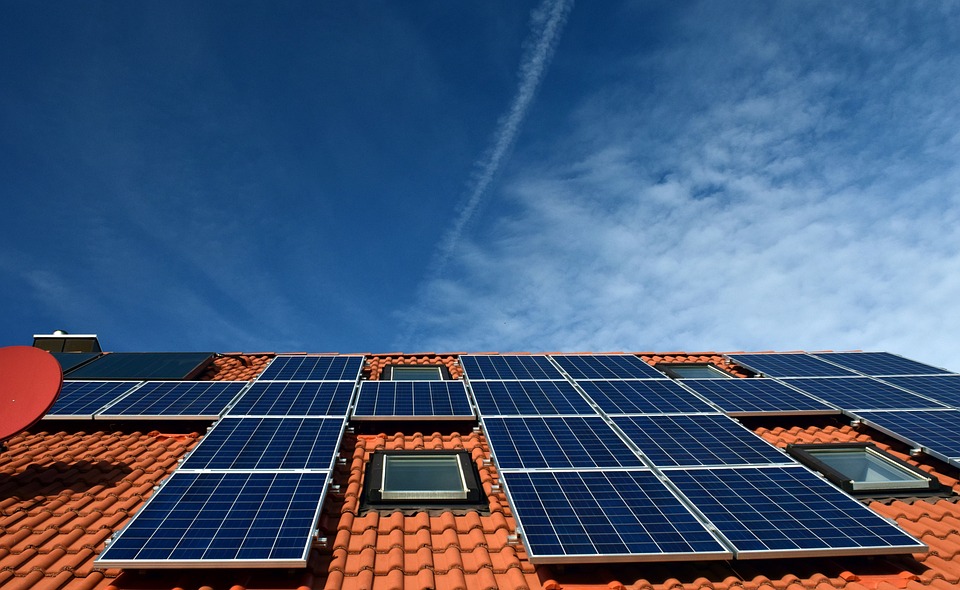
As rays of sunlight dance playfully through the branches of the towering oak trees that surround my humble abode, I can’t help but reminisce about my journey towards sustainable living. The days when I relied on conventional power grids seem like a distant memory now, thanks to the incredible advancements in solar panel technology. From rooftops to power grids, solar panels are not only revolutionizing energy production but also empowering individuals to take control of their energy consumption like never before. Solar panels, also known as photovoltaic (PV) cells, harness the sun’s abundant energy and convert it into electricity. This clean, renewable source of power has become an indispensable element of the sustainable living movement. When I first ventured off the grid, solar panels were a luxury reserved for the environmentally conscious or the wealthiest among us. However, as technology has advanced and costs have plummeted, solar panels have become more accessible to the average person. One of the most remarkable aspects of solar panels is their versatility. Gone are the days when solar panels were limited to expansive fields or sprawling estates. Today, they can be found atop rooftops, in small-scale installations, or even integrated into the design of everyday objects like backpacks and phone cases. This newfound flexibility has allowed individuals from all walks of life, regardless of their living situation, to enjoy the benefits of solar energy. Installing solar panels on rooftops has become an increasingly popular choice for homeowners across the globe. And why wouldn’t it be? With numerous advantages, it’s hard to resist the allure of rooftop solar systems. Not only does this installation method maximize the amount of sunlight absorbed by the panels, but it also minimizes space constraints that come with ground-mounted systems. Additionally, rooftops are already existing structures, so the cost of land is eliminated. It’s a win-win situation for both the environment and the homeowner’s pocket. Pro Tip: When considering installing solar panels on your rooftop, ensure proper orientation and tilt. In the Northern Hemisphere, south-facing roofs with an inclination between 30 and 45 degrees tend to yield the best results. However, each home’s specific circumstances may vary, so consulting with a reputable solar panel installation company is crucial to optimize your system’s efficiency. Beyond individual residences, solar panels are also finding their place on the grand stage of energy production. Power grids, once synonymous with centralized control and dependency on fossil fuels, are now embracing the revolution brought forth by solar power. Solar farms, comprising numerous photovoltaic panels, harness the sun’s energy on a larger scale, contributing to the overall energy mix in communities. These farms are carefully planned to maximize the exposure to sunlight, ensuring the highest energy production possible. It’s truly astonishing how solar power, once considered a niche alternative, has become a mainstream player in the energy sector. The falling costs and increasing efficiency of solar panels have made them commercially viable, attracting investors far and wide. Governments, recognizing the environmental and economic benefits, are implementing favorable policies and incentives to encourage solar power adoption. As a result, solar energy capacity has been skyrocketing globally, fostering a brighter and more sustainable future for all. Pro Tip: If you’re considering investing in solar panels, make sure to explore any available financial incentives or tax credits in your area. Many governments offer rebates or grants that can significantly reduce the upfront cost of installation, making solar energy an even more attractive option. The benefits of solar panels extend far beyond the reduction of electricity bills and minimization of carbon footprints. By embracing this revolutionary technology, individuals can take a proactive stance towards energy independence and resilience. When I first switched to solar power, I no longer felt beholden to the volatile energy market or at the mercy of utility companies. Instead, I became the master of my own energy destiny, capable of generating my own power and even contributing any excess to the grid. In a world where climate change and environmental degradation have become pressing concerns, solar panels provide a glimmer of hope. With their emission-free energy production, they significantly reduce greenhouse gas emissions and air pollution, benefitting both the individual and the planet. Furthermore, solar panels require minimal maintenance, making them a reliable and hassle-free source of power. As the saying goes, “The sun never sends you a bill.” Pro Tip: To make the most of your solar panels, consider combining them with energy storage solutions like batteries. This allows you to store excess energy generated during peak hours and use it during periods of low sunlight or high energy demand. Not only does this reduce your reliance on the power grid, but it also enhances your energy independence. From rooftops to power grids, solar panels have unraveled a whole new realm of possibilities for sustainable living. They have empowered individuals to break free from traditional energy sources, fostering a sense of liberation and self-sufficiency. As I bask in the gentle warmth of the sun’s rays, knowing that it powers my life and home, I can’t help but be filled with gratitude for this remarkable technology. The solar revolution is here to stay, brightening our lives while we collectively move towards a greener, cleaner future.

solar panels

Unplugged and Independent: Exploring the Benefits of Off Grid Solar Systems

Imagine waking up to the melodious chirping of birds, the gentle caress of a cool breeze on your face, and a sense of tranquility that only comes from being completely connected to nature. This has been my reality for the past few years, as I’ve embraced the off-grid lifestyle. Living completely independent of the conventional power grid has been a liberating and eye-opening experience, and one of the key elements that have made this possible is the marvel of off-grid solar systems. In this article, we will explore the fantastic benefits of these systems, and why they are becoming a game-changer for those seeking a greener, more self-sufficient way of life. Off-grid solar systems are a revolutionary technology that allows individuals like myself to generate and store their own electricity, without relying on the traditional power supply. The foundation of these systems is simple yet ingenious – solar panels, often mounted on roofs or in open spaces, capture the sun’s abundant energy and convert it into usable electricity. This energy is then stored in batteries, ready and waiting to power up our lives whenever the sun hides behind the clouds. One of the most remarkable benefits of off-grid solar systems is the incredible sense of freedom they offer. The realization that I no longer had to pay exorbitant utility bills or rely on fossil fuels for electricity was liberating beyond words. I have become the master of my own energy destiny, creating a sustainable and renewable source of power that is not only environmentally friendly but also self-sustaining. No longer bowing to the whims of utility companies, I feel empowered and in control of my own energy consumption. Living off-grid does not mean sacrificing the luxuries and conveniences of modern life. On the contrary, off-grid solar systems have made it possible for me to enjoy all the benefits of electricity without any of the guilt associated with conventional power sources. From running household appliances like refrigerators, washing machines, and even air conditioning units, to charging laptops, smartphones, and other electronic gadgets, off-grid solar power has seamlessly integrated into my daily life. One of the biggest concerns for those contemplating the off-grid lifestyle is the reliability of power supply. We’ve all experienced the frustration of power outages and the inconvenience that ensues. However, with off-grid solar systems, I have bid farewell to those worries. The sun, my new best friend, graciously rises every morning to power up my batteries, ensuring a consistent and reliable supply of electricity. Of course, there are cloudy days and, as a result, I’ve learned to be mindful of my energy consumption during those periods. This is where proper system sizing and battery capacity come into play, allowing me to smoothly sail through even the gloomiest of weather. Beyond the immediate benefits to my own life, embracing off-grid solar power has been a conscious commitment to the environment. By relying solely on the sun’s rays as an energy source, I am reducing my carbon footprint and contributing to the fight against climate change. The environmental impact of traditional power generation, be it through coal or natural gas, cannot be overstated. By opting for off-grid solar systems, I am doing my part to leave a cleaner and healthier planet for future generations. Pro Tips: 1. When considering an off-grid solar system, it’s vital to assess your electricity needs accurately. Take into account the appliances and electronics you use regularly, their power requirements, and how long you typically use them each day. This will help you determine the appropriate system size and battery capacity you’ll need. 2. Proper system installation and maintenance play a crucial role in maximizing the efficiency and lifespan of your off-grid solar system. It’s recommended to have a professional install and regularly service your system to ensure optimal performance and longevity. 3. Energy storage is a vital component of off-grid solar systems. Selecting high-quality batteries that can withstand deep discharge cycles and have a long lifespan is essential. Research brands and models that have a proven track record in off-grid applications to make an informed decision. 4. To further optimize your energy consumption, consider incorporating energy-efficient appliances and LED lighting into your off-grid lifestyle. These choices will minimize your power requirements and help stretch your stored energy further. In conclusion, off-grid solar systems have been a game-changer for those seeking an independent and sustainable lifestyle. The freedom, reliability, and environmental benefits they offer cannot be overstated. By harnessing the power of the sun, I have unlocked a world of possibilities, living in harmony with nature while enjoying all the comforts of modern living. It’s time to unplug from the traditional power grid and embrace the blissful wonders of off-grid solar systems. Take the leap and energize your life!

solar panels

The Rise of Solar Power: A Clean and Sustainable Energy Solution

As the warmth of the morning sun filters through the thick canopy of trees, a sense of tranquility fills the air. I take a deep breath, relishing in the freedom and simplicity that comes with living off the grid. Being able to harness the power of the sun has not only changed my life but is also revolutionizing the way we think about energy. Today, let’s take a journey through the fascinating rise of solar power – a clean and sustainable energy solution that is shaping the future of our planet. Solar power, once seen as a lofty idea, has rapidly emerged as a force to be reckoned with in the realm of renewable energy. The ever-increasing demand for energy, coupled with a growing concern about environmental sustainability, has propelled solar power into the spotlight. As our reliance on traditional fossil fuels comes under scrutiny, the allure of clean and sustainable energy sources, such as solar power, becomes irresistible. Harnessing the sun’s energy is not a new concept. In fact, I still vividly remember the early days of solar power when bulky and expensive solar panels were a far cry from the sleek and efficient models available today. Back then, they were seen as a luxury, only accessible to a select few. But oh, how times have changed! Pro tips: – When considering solar power, ensure you calculate your energy needs accurately to determine the number of solar panels required. Remember, investing in a system that matches your energy consumption will yield the best results. – Look for reputable solar panel manufacturers and installers to ensure the highest quality products and installation services. Don’t settle for subpar components or installation practices that may compromise the reliability of your solar power system. Today, solar power is more accessible and affordable than ever before. Technological advancements have revolutionized the solar industry, making solar panels sleeker, more efficient, and cost-effective. With federal and state incentives, tax credits, and net metering programs, the initial investment in solar power is becoming increasingly attractive, resulting in a surge of installations across the country. One of the most significant advantages of solar power is its environmental impact, or rather, the lack thereof. Unlike traditional energy sources, solar power generates electricity without producing harmful greenhouse gases, air pollutants, or toxic waste. This means cleaner air, reduced dependence on fossil fuels, and a smaller ecological footprint – all factors that resonate strongly with those seeking a sustainable lifestyle. Pro tip: – Consider installing a battery storage system along with your solar panels. This allows you to store excess energy generated during daylight hours for use during evenings or inclement weather. Having a reliable backup system ensures a continuous power supply even when the sun isn’t shining. Furthermore, the potential for solar power is virtually limitless. The sun, a colossal nuclear reactor, is estimated to provide us with more energy in a single hour than the entire world consumes in a year. This staggering fact alone highlights the immense power and potential of solar energy. Solar power also bestows a sense of independence and resilience. As someone who has experienced the freedom of living off the grid, I can attest to the unparalleled tranquility it brings. By generating your own electricity, you are no longer vulnerable to power outages, price fluctuations, or dependence on an overburdened electric grid. With solar power, you become the master of your energy destiny. Pro tip: – Regularly monitor and maintain your solar panels to ensure optimal performance. Keep them clean, free from debris, and inspect the wiring and connection points to avoid any potential issues. Taking good care of your solar power system ensures it operates at its peak efficiency for years to come. Not only does solar power benefit individuals, but it also has a significant impact on communities and the world at large. Solar installations contribute to job creation, stimulate economic growth, and drive innovation. By embracing solar power, we are not only reducing our reliance on finite resources but also fostering a sustainable and resilient future for generations to come. As solar power continues to gain momentum, it is essential to champion policies and initiatives that further promote its expansion. Governments, corporations, and individuals all have a vital role to play in supporting the widespread adoption of solar energy. From investing in research and development to incentivizing solar installations, we can collectively pave the way towards a cleaner and more sustainable future. Pro tip: – Educate yourself and others about the benefits of solar power. Share your experiences, host community events, or engage in outreach programs to spread awareness. Together, we can inspire others to make the switch and contribute to a brighter future for our planet. The rise of solar power is more than just a technological advancement; it symbolizes a pivotal shift in the way we perceive and utilize energy. By embracing this clean and sustainable energy solution, we not only reduce our environmental impact but also unlock a wealth of economic and social benefits. So, let us harness the sun’s power, embrace the energy revolution, and bask in the brilliance of solar power – a force that illuminates a brighter and greener future for all.

solar panels

Demystifying Solar Panel Costs: What You Need to Know

Demystifying Solar Panel Costs: What You Need to Know Picture this: a bright sunny day, birds chirping, and clean energy flowing into your home. As someone who has experienced the incredible benefits of living off the grid, I can’t help but share my enthusiasm for solar panels. They have truly revolutionized my life, providing not only financial savings but also a sense of environmental responsibility. In this article, I aim to demystify the costs associated with solar panels, answering your burning questions and equipping you with the knowledge needed to embark on your own renewable energy journey. Understanding the Initial Investment When it comes to solar panel costs, the initial investment can seem daunting. However, it’s crucial to recognize that this is a long-term investment that pays for itself in the years to come. Solar panels are durable, with an average lifespan of 25-30 years, and require minimal maintenance. By investing in solar panels, you not only reduce or eliminate your monthly electricity bills but also contribute to a greener future. The cost of solar panels depends on several factors, including the size of your property, energy consumption, local regulations, and available incentives. On average, solar panels can cost between $10,000 and $30,000. While this may seem substantial, it’s crucial to consider the numerous financial benefits that come with harnessing the power of the sun. Financial Benefits of Solar Panels 1. Long-Term Savings: One of the primary advantages of solar panels is the significant reduction in your electricity bills. With a solar panel system, you generate your own electricity, reducing your reliance on the grid. Over time, this results in substantial savings. 2. Return on Investment: Solar panels are a smart investment, quickly paying for themselves. On average, homeowners save upwards of $1,000 per year on their electricity bills. In most cases, you can expect a return on investment within 5-7 years. 3. Increased Property Value: Homes equipped with solar panels have a higher market value. According to a study conducted by the Lawrence Berkeley National Laboratory, homes with solar panels sell for an average of 4.1% more compared to similar non-solar properties. 4. Tax Credits and Incentives: The government offers attractive tax credits and incentives for those who choose to install solar panels. These incentives vary from state to state but can offset a significant portion of the initial costs. Pro Tips: – Research and compare available incentives in your region, as they can greatly impact your overall investment. – Consider the potential increase in property value when calculating the long-term financial benefits of solar panels. Factors Affecting Solar Panel Costs Now that we’ve established the financial benefits, let’s break down the factors that affect solar panel costs: 1. Size of the System: The size of the solar panel system you require is dependent on your energy consumption. A larger system will naturally cost more than a smaller one. It’s essential to assess your energy needs accurately to determine the appropriate system size. 2. Quality of Solar Panels: When investing in solar panels, it’s crucial to prioritize quality. While cheaper panels may seem tempting, they might not generate as much electricity or have the same durability as high-quality panels. Opting for reputable brands may have a higher upfront cost but will yield greater long-term benefits. 3. Installation Costs: The installation process involves various factors such as labor, mounting equipment, and electrical connections. It’s advisable to get quotes from multiple solar panel installers to ensure competitive pricing. 4. Local Regulations and Permits: Different states and municipalities have varying regulations and permitting processes. These requirements may add to the overall cost of installing solar panels. It’s crucial to research the local regulations and factor them into your costs. Pro Tips: – Obtain multiple quotes from reputable installers to find the best price for your solar panel system. – Take into account potential permit costs and research local regulations before commencing your solar panel installation. Making the Solar Transition Affordable Understanding the costs associated with solar panels is just the first step; finding ways to make them more affordable is equally important. Here are some strategies to help you navigate the financial aspect: 1. Leasing and Power Purchase Agreements (PPAs): If the initial investment is too substantial, leasing or entering into a Power Purchase Agreement (PPA) with a solar provider can be viable options. These allow you to enjoy the benefits of solar energy without the need for a large upfront payment. With leasing, you pay a fixed monthly amount, while with PPAs, you purchase energy generated by the panels at a lower rate compared to traditional electricity. 2. Financing Options: Many financial institutions offer loans specifically designed for solar panel installations. These loans often have favorable interest rates and flexible repayment terms, making solar energy accessible to a wider audience. 3. DIY Approach: For the handy individuals out there, a DIY approach can significantly reduce costs. However, it’s essential to have a thorough understanding of the installation process and ensure compliance with local regulations. A DIY solar panel system should only be pursued if you possess the necessary knowledge and skills. Pro Tips: – Consider leasing or a Power Purchase Agreement if the initial cost of purchasing solar panels is prohibitive. – Research financing options and compare interest rates to find the most affordable solution for your situation. Embrace the Sun, Embrace a Greener Future Demystifying solar panel costs is an important step toward embracing renewable energy. While the initial investment may seem overwhelming, the long-term financial benefits and environmental impact far outweigh the costs. By reducing your carbon footprint, increasing property value, and enjoying substantial savings, solar panels offer a promising future for both your pocket and the planet. As someone who has experienced the positive change solar panels can bring, I encourage you to embark on this journey toward a more sustainable and independent lifestyle. Take advantage of the available incentives and financial options, and soon you’ll be basking in the sun’s rays while enjoying the sound of

solar panels

Going Green at Home: How Solar Panels Are Revolutionizing Renewable Energy

Going Green at Home: How Solar Panels Are Revolutionizing Renewable Energy Picture this: waking up in the morning to the warm rays of the sun streaming through your window, knowing that these very rays will power your entire home for the day. As the light floods in, you feel a sense of gratitude for the sustainable choices you’ve made to reduce your carbon footprint and live off the grid. Solar panels have transformed the way we harness energy, providing a clean, renewable source of power that not only benefits the environment but also saves us money in the process. In this article, we will delve into the exciting world of solar panels, exploring their numerous benefits, debunking common myths, and providing essential pro tips for those considering their installation. Solar panels have become an integral aspect of sustainable living, shaping the way we generate energy in our homes. As someone who has experienced the advantages of living off the grid, I can confidently assert that embracing solar power has been a game-changer. Gone are the days of complete reliance on traditional power grids and the associated hefty utility bills. With the installation of solar panels, I have found myself liberated with a clean energy solution that offers immense savings and a genuine sense of environmental responsibility. When it comes to solar panels, one of the biggest concerns people have is their cost. It’s true that the initial investment may seem daunting, but the long-term benefits are unquestionably worth it. Not only do solar panels reduce your electricity bill significantly, but they also offer a return on investment that can often be achieved within just a few years. Plus, let’s not forget the numerous financial incentives and tax breaks available, making solar panels an even more appealing choice. Furthermore, the advancements in technology have led to more affordable prices and greater accessibility, allowing more households to embrace solar power. In addition to the financial advantages, solar panels are a prime example of how individuals can contribute to a sustainable future. By generating your own clean energy, you reduce your carbon footprint and minimize your contribution to climate change. As solar power is a renewable source of energy, it doesn’t deplete natural resources or emit harmful greenhouse gases like traditional fossil fuels do. Choosing solar power is a small step with a significant impact, collectively leading to a healthier planet for future generations to enjoy. Pro Tip: Before installing solar panels, it is crucial to assess your energy needs. Take into consideration the average daily electricity consumption in your household to determine the number and size of panels required. Conducting an energy audit can help you identify energy-saving opportunities and ensure maximum efficiency. Another common misconception about solar panels is their lack of effectiveness in regions with limited sunlight. While it’s true that solar panels thrive in areas with abundant sunshine, they can still generate substantial energy in less sunny locations. Modern panels are designed to capture even the smallest amount of sunlight, and advancements in technology have greatly improved their efficiency. Additionally, battery storage systems can be installed to store excess energy for use during cloudy days or at night, ensuring a consistent power supply. One of the fascinating developments in solar technology is its growing versatility. From rooftops to solar farms, solar panels are no longer limited to residential use. Businesses, industries, and even entire communities are embracing solar power on a larger scale. Solar farms, for instance, can generate an enormous amount of electricity that caters to the energy needs of entire towns, mitigating the environmental impact of traditional power sources. This shift towards solar energy on a broader scale signifies a new era of sustainable living and greener communities. Pro Tip: When positioning your solar panels, ensure they are angled for optimal sunlight exposure. South-facing roofs generally receive the most sunlight in the Northern Hemisphere, while north-facing roofs are preferable in the Southern Hemisphere. Ideally, panels should be tilted at an angle equal to your latitude to maximize energy production. When it comes to maintaining solar panels, rest assured that they are incredibly durable and require minimal upkeep. Unlike conventional power sources, solar panels have no moving parts that can wear out, and they are built to withstand various weather conditions. However, occasional cleaning to remove dust or debris may be necessary to ensure optimum efficiency. Additionally, it is recommended to schedule routine inspections to detect and address any issues before they escalate. As solar panels continue to revolutionize renewable energy, their efficiency and affordability are constantly improving. Eager to stay ahead of the curve, scientists and researchers are tirelessly working on advancements in solar technology, which promise even greater energy production and cost-effectiveness in the future. From lightweight and flexible panels to solar paint and windows that double as energy generators, the possibilities are endless. The era of solar power holds immense potential, and it’s an exciting time to embrace this clean energy source. Pro Tip: Consider joining a local solar-powered community and share experiences and tips with like-minded individuals. Collaborating with others can provide valuable insights into maximizing efficiency and savings. In conclusion, solar panels have transformed the way we harness energy by providing a clean and renewable source of power. The cost savings, environmental benefits, and long-term return on investment make them an appealing choice for individuals and communities alike. With advancements in technology and growing accessibility, solar panels are setting the stage for a greener future. By embracing solar power, we can all contribute to a sustainable world that prioritizes clean energy and reduces our reliance on traditional power sources. Let’s harness the power of the sun and pave the way to a brighter, cleaner, and more sustainable future.