
# Green Gold: The Economic and Environmental Perks of Sustainable Agriculture
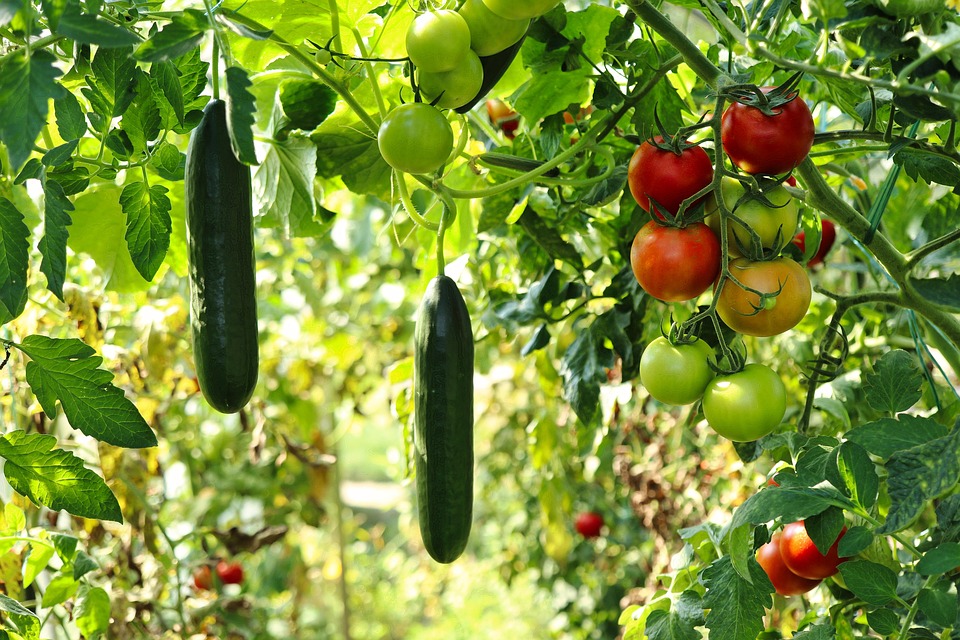
It was a crisp morning filled with the delightful smell of damp earth and freshly cut grass. I stood in my garden, a vibrant tapestry of greens, reds, and yellows blooming joyfully all around me. Each plant told a story—of resilience, of care, and of interconnected ecosystems working seamlessly together. This simple garden, sustained through sustainable practices, has not only enriched my life in countless ways but also highlighted the boundless economic and environmental benefits that sustainable agriculture can offer.
Sustainable agriculture looks beyond short-term gains, prioritizing health—both for the earth and its inhabitants—while cultivating rich, premium produce. This holistic approach is sometimes referred to as “green gold”—an invaluable resource that has the power to regenerate our environment, uplift local economies, and drastically reduce our carbon footprint. Let’s delve into the myriad benefits that sustainable agriculture brings to our table and our planet.
## What is Sustainable Agriculture?
At its core, sustainable agriculture is an approach to farming that focuses on producing food while ensuring environmental health and social equity. It encompasses practices that enhance biodiversity, improve soil quality, utilize water efficiently, and reduce pollution and waste. Rather than depleting resources, sustainable methods aim to replenish and regenerate them, creating a permaculture that thrives for generations to come.
### Economic Benefits Galore
#### 1. Lower Costs in the Long Run
While the initial costs of sustainable practices may be higher—think organic seeds or natural fertilizers—the long-term savings can be substantial. By implementing practices such as crop rotation and organic pest management, soil health improves, leading to more resilient plants and reduced need for chemical inputs.
#### 2. Premium Pricing
Consumers are increasingly interested in where their food comes from, and many are willing to pay a premium for organic or sustainably-produced goods. This growing demand translates to better profit margins for farmers committed to sustainable practices. Selling directly to consumers through farmers’ markets or community-supported agriculture (CSA) programs can further amplify these profits.
#### 3. Job Creation
Sustainable agriculture can foster job growth in both rural and urban areas. Developing local food systems requires a diverse workforce—from farmers and laborers to marketers and business developers. By fostering community-supported initiatives, we can stimulate local economies while providing meaningful employment.
#### 4. Resilience to Market Fluctuations
Sustainable farmers are often less vulnerable to market changes due to their diversified practices. By growing multiple crops and utilizing sustainable models, farmers can safeguard their livelihoods, offering them a financial cushion when one crop underperforms.
## Environmental Perks
### 1. Enhanced Biodiversity
Sustainable agriculture supports a rich ecosystem by promoting biodiversity. Crop rotation, intercropping, and the use of native plant species not only reduce pests and disease but also enhance resilience against climate challenges. A diverse agricultural landscape is less susceptible to disturbances and can provide habitats for beneficial insects and wildlife.
### 2. Soil Regeneration
Healthy soil is the foundation of sustainable farming. By utilizing practices like composting, cover cropping, and minimal tillage, we can improve soil structure, fertility, and its ability to sequester carbon. Healthy soils not only produce better yields but also help mitigate climate change by drawing down atmospheric CO2.
### 3. Water Conservation
Efficient water management practices — such as rainwater harvesting, drip irrigation, and permaculture design — reduce water consumption and prevent soil erosion. Sustainable farms often utilize water in a way that maintains natural hydrological cycles, promoting sustainability in water-scarce regions.
### 4. Reduced Carbon Footprint
Sustainable practices can help minimize carbon emissions by using fewer synthetic inputs and reducing reliance on fossil fuels. Enhancing carbon sequestration through organic farming can contribute significantly to global efforts to mitigate climate change.
### 5. Food Security
Sustainable agriculture can play a pivotal role in enhancing food security by developing resilient food systems. By fostering local food production and distribution channels, communities can become less reliant on distant, industrial farms that are often susceptible to disruptions.
## Pro Tips for Embracing Sustainable Agriculture
1. **Start Small**: Whether you have a backyard or a community lot, consider starting with a small vegetable garden. Local herbs and vegetables are a great entry point for beginners.
2. **Use Permaculture Principles**: Explore permaculture design principles to create a diverse and self-sustaining ecosystem. Observe nature and mimic its processes to enhance the resilience of your garden.
3. **Compost Everything**: Start a compost pile with kitchen scraps and yard waste. Compost enriches soil, reduces landfill waste, and lowers your overall carbon footprint.
4. **Engage with Your Community**: Join or form a local food co-op or community garden. Networking with like-minded individuals fosters shared resources and knowledge, while also strengthening local food networks.
5. **Educate Yourself**: Read books, take online courses, or join workshops on sustainable agricultural practices. Continuous learning ensures you’re equipped with the latest techniques and insights.
6. **Invest in Soil Health**: Consider using cover crops or green manure to improve soil structure. Healthy soil is the foundation of successful sustainable farming.
7. **Reduce Waste**: Explore ways to minimize waste by reusing and recycling materials in your gardening practices. Every bit counts toward a more sustainable approach!
8. **Incorporate Companion Planting**: Certain plants can enhance each other’s growth and pest deterrence. Familiarize yourself with companion planting for natural pest control.
## The Future Looks Bright
The advantages of sustainable agriculture extend far beyond individual gardens or family farms. As communities worldwide embrace these practices, the ripple effects can lead to a cultural shift towards rethinking our relationship with food and the planet. By investing in sustainable agriculture, not only do we cultivate green gold for ourselves, but we also lay the groundwork for future generations to thrive in harmony with nature.
### Conclusion
Sustainable agriculture is more than just a trend; it represents a necessary evolution in how we produce, distribute, and consume food. With economic advantages that empower farmers and environmental benefits that protect our planet, it’s vital to support sustainable practices now to reap the rewards tomorrow.
Let’s make every meal a celebration of sustainability by choosing seasonal, local, and responsibly-produced foods. So grab your garden tools, head to a local farmer’s market, or advocate for policies supporting sustainable farming. The adventure towards a greener and more prosperous future starts today!