
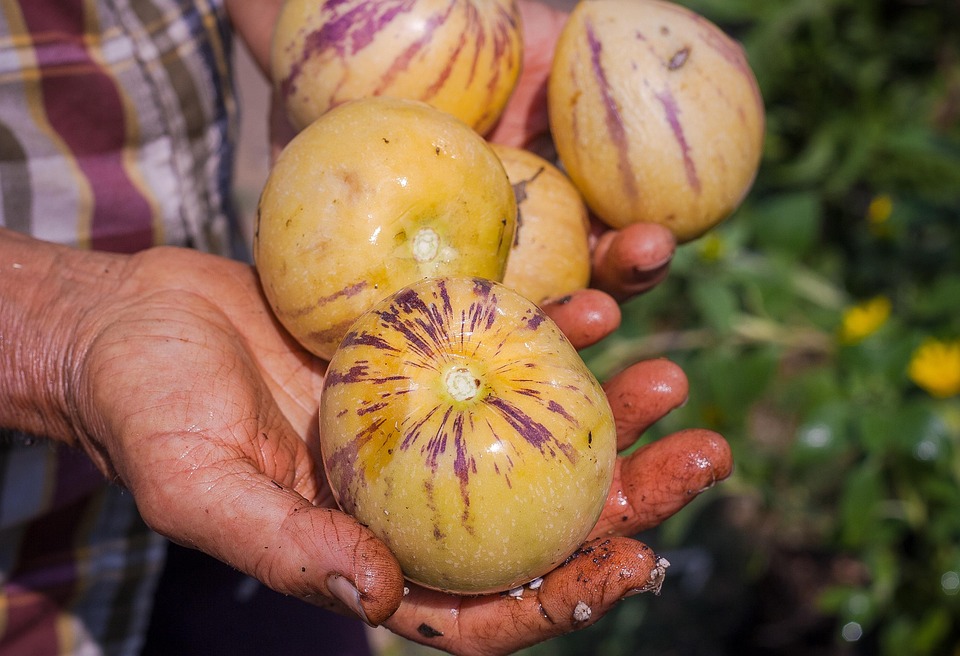
# Harvesting Hope: How Sustainable Farming Revives Our Planet
There’s nothing quite like the thrill of a harvest, whether it’s the vibrant greens of fresh kale or the sun-kissed sweet tomatoes bursting with flavor. Each time I gather the bounty from my garden, I’m reminded of a powerful truth: sustainable farming is not just about nourishing our bodies but also healing our planet. When the sun shines down on my small plot of land, it feels like a partnership—not just with the soil, but with the very essence of life itself. This dynamic relationship between humanity and nature can breathe new life into our environment, creating a tapestry of biodiversity, health, and resilience.
## The Essence of Sustainable Farming
Sustainable farming emphasizes techniques that maintain the health of the environment, communities, and economies. Rather than depleting resources, it aims to create a harmonious relationship where nature thrives alongside agricultural practices. By focusing on renewable resources, rotational grazing, organic fertilizers, and permaculture, we can cultivate a system that not only produces food but also nourishes the earth.
**Key Principles of Sustainable Farming:**
1. **Biodiversity**: Encouraging a diversity of crops and livestock to enhance resilience and reduce vulnerability to pests and diseases.
2. **Soil Health**: Utilizing organic practices such as crop rotation, cover cropping, and reduced tillage to foster rich, fertile soil.
3. **Water Conservation**: Implementing efficient irrigation systems and rainwater harvesting to protect water resources.
4. **Energy Efficiency**: Utilizing renewable energy sources and reducing reliance on fossil fuels through techniques like solar-powered irrigation.
## The Ripple Effect: How Sustainable Practices Impact Our Planet
### Environmental Restoration
Sustainable farming goes hand in hand with environmental restoration. Practices like agroforestry and permaculture create ecosystems that encourage wildlife, prevent soil erosion, and improve water quality. For example, planting trees alongside agricultural fields can enhance biodiversity, provide habitats for species, and improve air quality.
### Fighting Climate Change
The agricultural sector is responsible for a significant portion of greenhouse gas emissions. Sustainable farming helps mitigate this impact by adopting practices that sequester carbon. Cover crops, for instance, not only improve soil health but also capture carbon from the atmosphere, helping to fight climate change.
### Strengthening Communities
Sustainable farming fosters local economies by promoting food sovereignty. By sourcing food locally and supporting community-supported agriculture (CSA) programs, we not only sustain our health but also bolster local farmers and create a sense of community. This local focus reduces the carbon footprint associated with transporting food over long distances.
## The Joy of Growing Your Own Food
One of the most gratifying aspects of sustainable farming is the joy of growing your own food. There’s a profound connection to the earth that comes from watching seeds transform into robust plants, ready to nourish you. Gardening has been shown to alleviate stress, promote mental well-being, and even foster community connections.
**Engaging the Senses**: The act of digging in the soil, the fragrant aroma of herbs, and the colorful array of vegetables all combine to create an immersive experience.
### Easy Veggies to Start With
For those new to gardening, here are some easy-to-grow vegetables that can ignite a passion for sustainable farming:
1. **Radishes**: Quick to germinate and grow, they’re perfect for beginners and can be harvested in weeks.
2. **Lettuce**: With a variety of types available, lettuce is a great way to practice succession planting.
3. **Herbs**: Basil, cilantro, and mint not only add flavor but can be grown in containers, making them perfect for small spaces.
4. **Zucchini**: A prolific producer, zucchini can flourish in a small garden and provides endless culinary possibilities.
## Pro Tips for Sustainable Farming Success
1. **Start Small**: Whether it’s a few pots on your balcony or a small raised bed, start with manageable projects to build your confidence and experience.
2. **Rotate Your Crops**: To prevent soil depletion and pest accumulation, practice crop rotation. Change the location of your crops each season.
3. **Companion Planting**: Use plant pairings that benefit each other, such as planting marigolds with tomatoes to deter pests naturally.
4. **Save Seeds**: By saving seeds from your best-producing plants, you not only conserve resources but also foster resilience in your garden.
## Community Impact: Cultivating Connections
Sustainable farming extends beyond individual gardens. Community gardens and local farming initiatives play a crucial role in reviving urban spaces while fostering social connections. These initiatives encourage knowledge sharing, involve diverse community members, and foster a sense of belonging.
### Community Supported Agriculture (CSA)
Joining a CSA program provides an exciting opportunity to engage in sustainable practices while supporting local farmers. Members pay upfront for a share of the harvest and receive fresh produce throughout the growing season. This model strengthens the bond between farmers and consumers, creating a sustainable loop that benefits everyone involved.
## Education: The Cornerstone of Change
Education is vital to the future of sustainable farming. By teaching the next generation about farming techniques, environmental stewardship, and the importance of biodiversity, we can cultivate a societal mindset that values sustainable methods over destructive, industrial practices.
### Workshops and Classes
Participating in local workshops or online classes can provide hands-on experience and tips on sustainable gardening techniques. Many community centers offer courses ranging from composting to organic pest control, making it easy to expand your knowledge.
## Celebrating Seasons: The Joy of Harvest Festivals
Harvest festivals are an excellent way to celebrate community and sustainable farming practices. These events create a cheerful atmosphere filled with music, local food, and activities for families. They provide an opportunity for farmers to share their experiences, sell produce, and educate attendees about sustainable practices.
### Making the Most of Your Harvest
Once you have harvested your crops, make the most of your bounty:
1. **Preserve Your Produce**: Techniques like canning, freezing, or dehydrating can extend the life of your harvest.
2. **Share with Neighbors**: If you have an abundance, share your harvest with neighbors, promoting community connections and reducing food waste.
3. **Cook Seasonally**: Embrace the flavors of each season by trying new recipes that highlight your harvested produce.
## The Future of Sustainable Farming
As the world faces challenges such as climate change, food insecurity, and resource depletion, sustainable farming emerges as a beacon of hope. By embracing practices that respect and restore our environment, we can cultivate a brighter future. This movement is gaining momentum, sparking a global shift towards agricultural practices that respect our planet, promote health, and build resilient communities.
### Innovations in Sustainable Practices
Emerging technologies offer promising solutions for sustainable farming. Vertical farming, aquaponics, and regenerative agriculture are revolutionizing the way we think about food production. These innovations not only enhance efficiency but also minimize environmental impact, bringing about a new era of agriculture.
## Conclusion: Sow Seeds of Hope
Harvesting hope through sustainable farming is a journey that transcends individual experience; it is about collective growth, healing the planet, and uplifting communities. Each seed sown is a promise for the future—a commitment to nurturing our environment while creating vibrant ecosystems. Together, we can cultivate a landscape of renewal, where sustainability blossoms, and hope thrives for generations to come.
By embracing these sustainable practices, we can all be part of a larger movement toward restoring our planet, ensuring that future generations inherit a world rich in resources, beauty, and hope. So grab your trowel, don your gardening gloves, and let’s start sowing the seeds of change!