# Harvesting Sustainability: Designing Edible Gardens for Every Home
There’s something incredibly satisfying about pulling a fresh tomato off the vine and enjoying it within minutes of harvest. Just a few years back, in a little corner of my backyard, I decided to transform my small, fenced-in space into an edible paradise. What started as a curiosity blossomed into a passion for sustainable gardening that not just nourished my body, but also reconnected me with nature and the cycles of life. The experience taught me that with the right designs, anyone can grow their own food, boost their sustainability, and enjoy the fruit (sometimes quite literally!) of their labor—all while having a blast in the process.
### Why Edible Gardens?
Edible gardens aren’t just a trend; they are a lifestyle change rooted in sustainability. Converting a portion of your landscape into a space for growing food can significantly reduce your carbon footprint, promote biodiversity, and enhance food security. Did you know that by growing even just a few vegetables and herbs at home, you can drastically cut back on fossil fuels associated with transporting food? That’s just one of the many reasons why edible gardens are rising in popularity.
### Types of Edible Gardens
1. **Vegetable Gardens:**
A traditional choice, vegetable gardens are easy to set up and incredibly rewarding. You can create in-ground plots, raised beds, or even container gardens if space is limited. Some popular options to consider include tomatoes, peppers, cucumbers, and leafy greens.
2. **Herb Gardens:**
Herbs are the unsung heroes of any edible garden. Not only can they enhance your meals, but they also attract pollinators and beneficial insects. Think of basil, mint, and rosemary tucked into small pots on your kitchen windowsill or a dedicated herb patch in your garden.
3. **Fruit Gardens:**
From strawberries and blueberries to dwarf fruit trees, growing your own fruits is a delightful way to enjoy nature’s candy. Berry bushes can be easily integrated into ornamental borders, while fruit trees can add vertical space and beauty to your yard.
4. **Permaculture Gardens:**
This holistic approach focuses on creating a self-sustaining ecosystem. By planting complementary species together (think “companion planting”), you can reduce pests and keeps the soil healthy, all while maximizing the output.
5. **Vertical Gardens:**
Ideal for urban settings with limited space, vertical gardens allow you to maximize your growing area by planting upwards. You can use trellises, wall planters, or even repurposed pallets for this innovative gardening method.
### Designing Your Edible Garden
When it comes to design, the goal is to create an inviting space that is functional, beautiful, and sustainable. Here are key elements to consider:
#### 1. Location, Location, Location
The success of your edible garden starts with placement. Look for areas that receive ample sunlight (at least 6-8 hours a day) and are sheltered from harsh winds. Proximity to water is also essential to make watering convenient.
#### 2. Soil Health
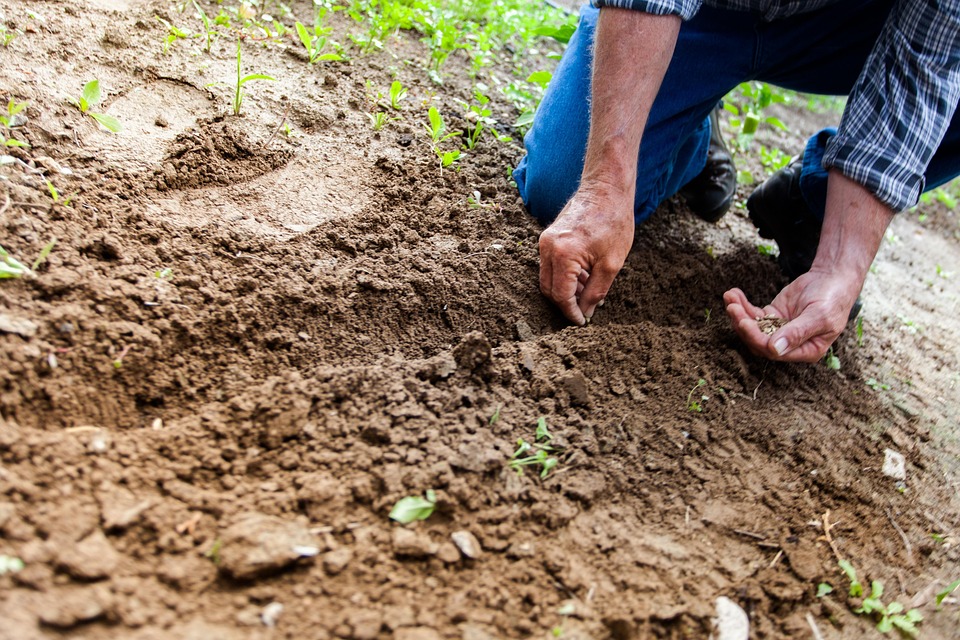
Healthy soil is the backbone of a thriving garden. Start with a soil test to understand its nutrient composition. Amend your soil with organic compost, aged manure, or natural fertilizers like bone meal or fish emulsion to give it a nutrient boost. Remember, healthy soil leads to healthy plants!
#### 3. Plant Selection
Choose varieties that thrive in your climate and soil and are disease-resistant. Consider heirloom varieties for unique flavors and colors that can become conversation starters at your dinner table.
### Crafting an Attractive Layout
An edible garden doesn’t need to look like a crude collection of vegetables and herbs tossed together. Here are tips to design a visually pleasing landscape:
– **Color and Contrast:** Use colorful plants next to each other—think vibrant cherry tomatoes beside lush green basil. The more visually appealing your garden, the more you’ll want to spend time in it!
– **Layering:** Use a combination of heights to create an appealing structure. Place taller plants (like sunflowers or pole beans) in the back or center, layering down to shorter plants like radishes and lettuce in the front.
– **Paths and Borders:** Consider functional paths made of wood chips, gravel, or stepping stones to provide access to your plants without compacting the soil. Using natural materials for borders can also enhance visual appeal while keeping plants contained.
### Seasonal Planting and Rotation
One of the keys to a sustainable garden is practicing crop rotation. This means changing the location of certain plants yearly to prevent soil depletion and reduce pest and disease buildup. Think of it as giving your plants a mini vacation! Follow seasonal planting guidelines, considering late spring and summer for most crops, while winter offers opportunities for cold-resistant plants like kale and broccoli.
### Watering Wisely
Conserve water while keeping your plants hydrated. Utilize rain barrels to collect rainwater and drip irrigation systems for efficiency. Mulching can reduce evaporation and keep your soil moist and healthy, while also suppressing weeds.
### Pro Tips for Achieving a Sustainable Garden
1. **Incorporate Native Plants**: They require less maintenance and attract beneficial insects that can help with pollination and pest control.
2. **Use What You Grow**: Always harvest and use food in season. This not only promotes sustainability but enhances the flavors of your meals.
3. **Composting**: Turn kitchen scraps into black gold! Composting helps reduce waste and provides an excellent nutrient source for your garden.
4. **Learn from Nature**: Observe your garden and surrounding habitats. Nature has a way of maintaining balance; use that knowledge to attract birds, bees, and other wildlife.
5. **Educate Yourself**: Gardening can be a lifelong learning experience. Join local gardening clubs or online communities to swap tips and tricks.
### Harvest Time and Beyond
The best part of this journey is finally getting to enjoy the fruits of your labor! Make harvesting a family affair—get the kids involved for a fun, educational experience. Teach them how to pick ripe vegetables and herbs, explaining the importance of sustainability and where food comes from.
As you harvest, practice mindful eating—enjoy the flavors of freshly picked produce and express gratitude for the work that went into growing your food. Consider hosting a garden party where you can showcase your edible garden bounty to friends and family.
### Conclusion: The Goodness of Edible Gardens
The movement towards sustainable living can start right in your backyard. An edible garden is not only a source of delicious food but also a gateway to a deeper understanding of the environment, sustainability, and personal well-being. With creative design, thoughtful planning, and a little L.O.V.E. (Light, Observation, Variety, and Engagement), anyone can set up an edible garden tailored to their space and needs.
So grab your gardening gloves, sow those seeds, and watch your efforts flourish into a sustainable paradise that serves you, your family, and the planet! Harvesting sustainability has never been this much fun. Happy gardening!