
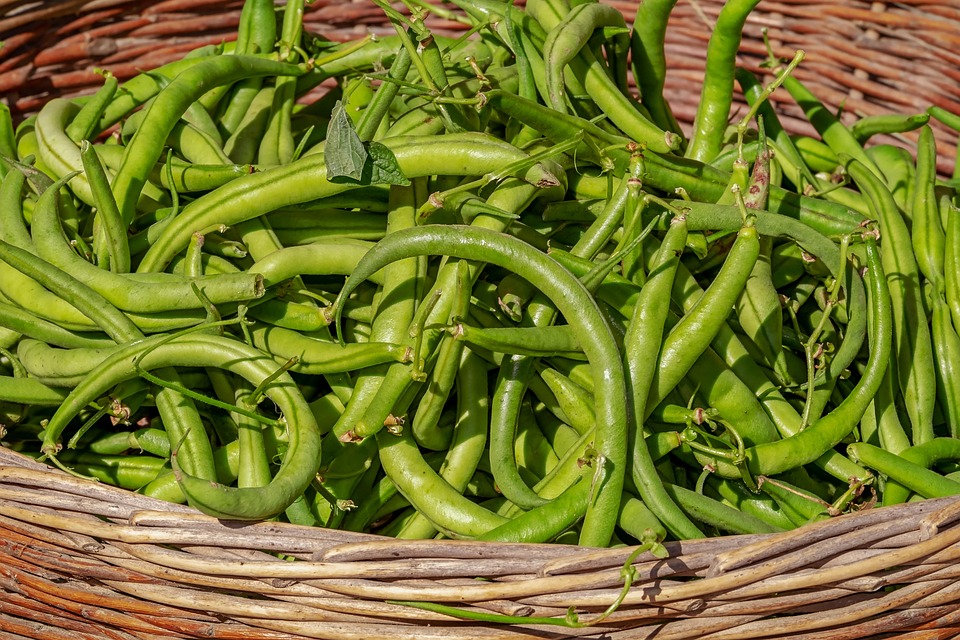
# Local vs. Global: The Sustainability Challenge in Agriculture
As I wandered through my flourishing garden one sun-drenched afternoon, the rich scent of basil and ripe tomatoes surrounded me, igniting a spark of pure joy. Watching the squashes stretch toward the sky while bees buzzed merrily about filled me with a deep sense of connection—not just to the earth, but also to the larger story of agriculture and sustainability. This moment reminded me that agriculture isn’t just about food; it’s about communities, ecosystems, and our shared future. In the modern age, the conversation around agriculture has become increasingly complex and fascinating, especially when we dive into the heart of the local vs. global sustainability challenge.
## A Fork in the Road: Local vs. Global Agriculture
Agriculture has two primary pathways: local systems that promote community-based farming and global systems that support vast networks of industrialized agriculture. Each of these systems carries unique benefits and challenges for sustainability.
### Local Agriculture: The Heartbeat of Communities
Local agriculture—defined as food systems that prioritize proximity to consumers—is more than a trend; it’s a commitment to supporting local economies, reducing environmental impact, and fostering community bonds. When you source food nearby, you minimize transportation emissions and bolster local farmers. Not to mention, it enhances the taste and freshness!
**Benefits of Local Agriculture:**
1. **Reduced Carbon Footprint**: Shorter supply chains mean fewer trucks on the road, leading to lower greenhouse gas emissions.
2. **Nutrient-Rich Produce**: Freshly harvested food retains nutrients that often degrade during long transport times.
3. **Community Connection**: Farmers’ markets become social hubs, creating bonds between producers and consumers.
4. **Biodiversity Promotion**: Local farms often cultivate a variety of crops, enhancing ecosystem resilience.
However, challenges exist. Local agriculture can sometimes struggle with scalability and pricing, making it difficult for some consumers to access affordable options.
### Global Agriculture: Feeding Billions
In contrast, global agriculture operates on a large scale, utilizing advanced technologies and economies of scale to produce an abundance of food. This system plays a significant role in feeding the world’s growing population.
**Benefits of Global Agriculture:**
1. **High Efficiency**: Large farms can produce food at significantly lower costs due to automation and bulk production.
2. **Technological Advancements**: Global agriculture facilitates innovations in crop science and pest management.
3. **Food Security**: Global networks help distribute food to areas lacking local agricultural capacity.
But this efficiency often comes at a price. The heavy reliance on monocultures, chemical fertilizers, and synthetic pesticides can lead to negative environmental impacts, including soil degradation, loss of biodiversity, and water pollution.
## The Environmental Impact of Each System
### Local Impact: The Green Side of Things
Local farming typically emphasizes sustainable practices aligned with natural systems. Organic farming, permaculture, and regenerative practices are more common in local settings. These approaches not only nurture the soil but also promote biodiversity.
**Example**: Community-supported agriculture (CSA) initiatives can help reduce food waste by allowing consumers to appreciate seasonal produce while simultaneously engaging in the farming process.
### Global Impact: The Dark Side
Global agriculture, while efficient, has its hands full with consequences like deforestation for large-scale farming and heavy water usage. The reliance on fossil fuels for transporting goods not only escalates emissions but also connects food production to climate change.
**Example**: Investigations into the effects of palm oil production have revealed extensive deforestation in Southeast Asia, leading to the displacement of indigenous populations and wildlife.
## Bridging the Gap: Can We Have Both?
Embracing a hybrid model may be a solution that neither completely disregards local nor global approaches. Combining the strengths of each can create a resilient agricultural ecosystem.
### Developing Practical Connections
Creating partnerships between large agricultural corporations and local farms can foster innovation. For example, big ag companies could provide resources for sustainable practices in local farms, while local farms contribute diverse crop varieties back into the larger system.
### Supporting Sustainable Practices
Collaboration amongst local governments, agricultural agencies, and non-profits can promote practices that bridge locality and globalization, from community gardens to urban farming initiatives.
### Technology with a Twist
Utilizing technology to enhance local agriculture could be a game-changer. Innovations like precision agriculture and data analytics can optimize resource use and reduce waste on smaller farms.
## Pro Tips for Sustainable Agriculture
To navigate the local vs. global sustainability challenge, here are some practical tips for every food enthusiast!
1. **Buy Local When Possible**: Support local farms and markets to reduce your carbon footprint and enjoy fresh produce.
2. **Engage in Urban Gardening**: If space allows, cultivate your own garden. Not only is it satisfying, but it empowers you to control what you consume.
3. **Educate Yourself and Others**: Learn about where your food comes from and share that knowledge to foster more sustainable practices.
4. **Utilize Technology Wisely**: Leverage smart gardening tools to monitor soil health, water usage, and pest management efficiently.
5. **Practice Regenerative Agriculture**: If farming, consider methods that restore and maintain soil health through composting and crop rotation.
## Looking Ahead: The Future of Agriculture
As we confront climate change, food insecurity, and societal issues, the conversation surrounding sustainable agriculture becomes increasingly urgent. Local farms might hold the key to revitalizing community ties, while global systems provide crucial food supplies.
By fostering the strengths of both systems, we can cultivate a more sustainable, resilient future for agriculture—one that not only nourishes the planet but also nourishes our connections to each other. So next time you take a bite of fresh produce, think about the stories behind it—not just the food on your plate but the whole ecosystem at play. Together, let’s embark on a journey toward sustainability, one garden at a time.
### In Conclusion: The Choice is Ours
The sustainability challenge in agriculture is not just a debate; it’s a call to action. Each choice we make—from supporting local markets to understanding the global implications of our purchases—shapes the kind of future we want for ourselves and generations to come. By guiding our communities toward more sustainable practices and nurturing connections—both locally and globally—we can plant seeds of change that will bloom into a healthier planet.
Whether you grow a humble herb garden or enjoy a community farmer’s market, remember that your choices have power. Let’s embrace the challenge and sow the seeds for a more sustainable tomorrow!