
# Organic Blooms: The Benefits of a Sustainable Garden Approach
Picture this: a vibrant tapestry of colors spills across your backyard, with blooms that sway gently in the breeze, exuding delightful fragrances that beckon bees and butterflies. This enchanted haven is more than just a feast for the eyes; it’s a thriving ecosystem that promotes biodiversity and encapsulates the essence of sustainability. A few years back, in the embrace of a sun-drenched afternoon, I stumbled upon the magic of organic gardening—an endeavor that has transformed not just the way plants grow, but how we live in harmony with nature.
## The Heart of Organic Gardening
At its core, organic gardening goes beyond simply avoiding synthetic pesticides and fertilizers. It’s an eco-friendly philosophy that nurtures the soil, encourages biodiversity, and respects the delicate balance within ecosystems. By embracing this approach, we foster the health of our environment and cultivate not only beautiful blooms but also a vibrant community of beneficial insects, birds, and microorganisms.
### The Benefits of Sustainable Gardening
1. **Biodiversity Boost**
When you adopt a sustainable garden approach, you create a rich habitat for a myriad of creatures. Native plants, pollinators, worms, and birds thrive, resulting in a dynamic environment where each organism supports the others. This biodiversity aids in natural pest control, as various species help maintain the balance and prevent outbreaks of harmful pests.
2. **Soil Health**
Organic gardening emphasizes the importance of soil health. Instead of relying on chemical fertilizers, which can leach into groundwater and degrade soil quality, organic methods utilize compost, green manures, and mulches. These techniques enrich the soil with organic matter and nutrients, fostering a thriving ecosystem in which plants can flourish.
3. **Water Conservation**
Sustainable gardens often incorporate techniques to minimize water usage, such as rainwater harvesting, drip irrigation, and xeriscaping. By selecting drought-resistant plants and implementing efficient watering systems, you create a garden that not only survives but thrives in fluctuating moisture conditions, making it resilient against climate change.
4. **Food Security**
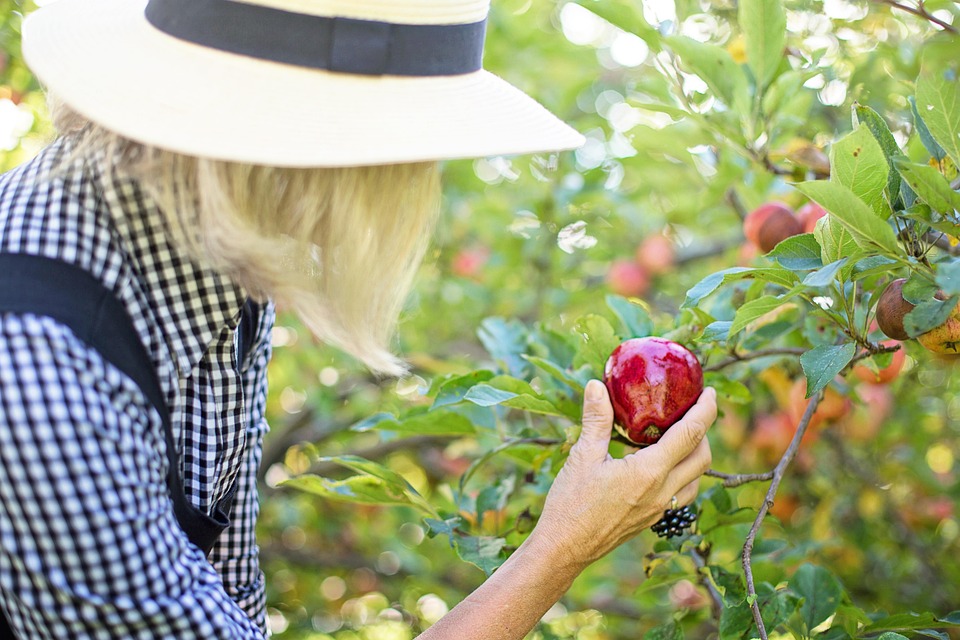
Growing your own organic fruits and vegetables is a step towards self-sufficiency. It provides fresh produce with unbeatable flavor while reducing your reliance on commercial agriculture. Plus, there’s joy in harvesting your own food; it’s a rewarding experience that strengthens your connection to the earth.
5. **Air Quality Improvement**
Plants play a crucial role in filtering air pollutants and producing oxygen. A sustainable garden filled with greenery can improve the air quality around your home, promoting a healthier living environment that benefits both your family and local wildlife.
### Sustainable Gardening Techniques
Transitioning to a sustainable garden approach involves adopting practices that work with nature rather than against it. Here are some techniques to get started:
– **Companion Planting**
This technique involves planting different crops in proximity for mutual benefits. For example, the classic pairing of tomatoes and basil not only optimizes space but also enhances flavors and deters pests. Another great duo is marigolds and cucumbers, as marigolds attract beneficial insects while repelling harmful ones.
– **Crop Rotation**
This method keeps soil healthy and minimizes pest problems. By rotating your crops each season, you prevent diseases and nutrient depletion, ensuring a robust growth environment for future plants.
– **Mulching**
Using organic materials like straw, grass clippings, or wood chips as mulch helps regulate soil temperature and moisture while suppressing weeds. It’s a win-win for plant health and resource management.
– **Composting**
Reduce waste and enrich your garden soil by composting kitchen scraps and yard waste. Composting not only diverts organic material from landfills but also creates nutrient-rich humus that nourishes your plants.
### Pro Tips for a Flourishing Organic Garden
1. **Start Small**
Whether you’re a novice or seasoned gardener, starting with a small plot allows you to experiment and build confidence without overwhelming yourself.
2. **Choose Native Plants**
Native species are well-adapted to your local climate and attract beneficial wildlife. They typically require less maintenance and irrigation, making them a sustainable choice.
3. **Build Healthy Soil**
Invest time in building healthy soil with compost and organic amendments. Healthy soil is the foundation for vibrant plant growth.
4. **Monitor for Pests and Diseases**
Regularly inspect your plants for signs of pests or diseases, and act promptly. Opt for organic solutions like neem oil or garlic spray, which are gentle yet effective.
5. **Engage with Community**
Participating in local gardening clubs or volunteering at community gardens exposes you to new techniques and ideas, fostering a sense of belonging and support.
### The Joy of Organic Blooms
Incorporating sustainable practices into your gardening journey results not only in a rich display of organic blooms but also enhances mental well-being. Many studies have shown that interacting with nature reduces stress, improves mood, and boosts mental clarity. The act of digging, planting, and nurturing your garden provides a therapeutic escape from the hustle and bustle of daily life.
Imagine sipping a cup of herbal tea brewed from chamomile and mint grown right outside your door, framed by the lively dance of pollinators amidst your flourishing flowers. Your sustainable garden becomes a sanctuary, a refuge where you can unwind and bask in the beauty of nature.
### Final Thoughts
The practice of organic gardening serves as a reminder that living sustainably goes hand-in-hand with caring for our planet. Each bloom that emerges from your garden signifies a step toward a greener future. By embracing the principles of sustainability and nurturing both plants and soil, you play a crucial role in fostering an ecosystem that thrives and flourishes.
So grab your tools, kick off your shoes, and step into the soil. When you cultivate your organic blooms, you cultivate a better tomorrow. 🌼🌿
—
This upbeat article explores the vibrant world of organic gardening while highlighting its multiple benefits. In pursuit of beautiful petals and bountiful harvests, remember that our gardens can be as much about the journey as they are about the destination. Happy gardening!