
**Organic vs. Conventional: Why Sustainable Farming is the Way Forward**
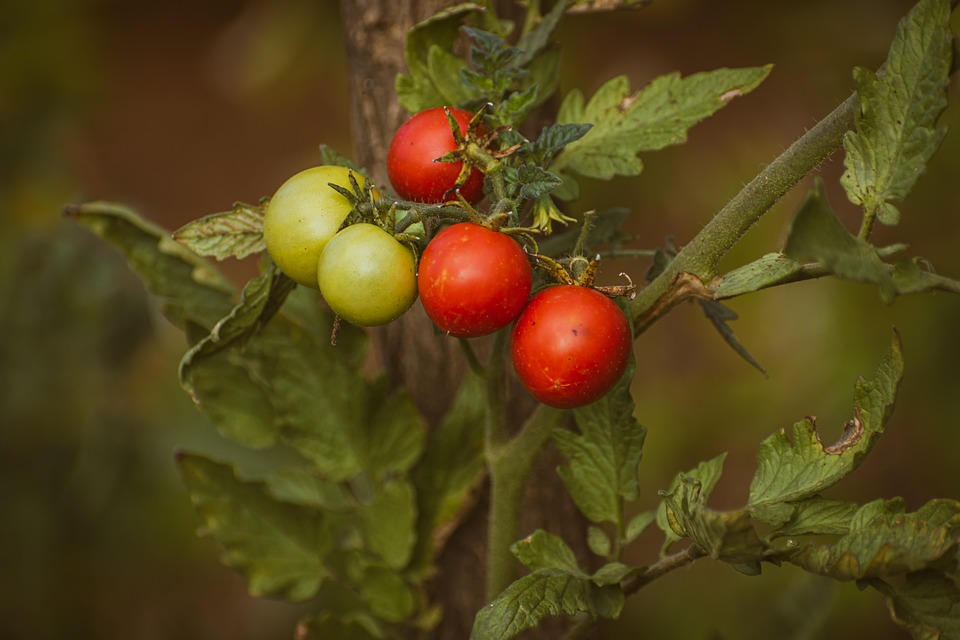
Nestled among rows of vibrant heirloom tomatoes and fragrant basil plants, I recall the thrill of tasting my first homegrown meal. The sun-drenched flavors burst in a way that store-bought produce never could. This experience ignited a passion for sustainable farming, leading me to delve deep into the organic versus conventional debate. Through my explorations, I found that not only do sustainable practices yield healthier crops, but they also nurture the land, our bodies, and the community.
### Understanding the Basics: Organic vs. Conventional Farming
To kick things off, let’s define our terms. Organic farming is a method that emphasizes the use of natural processes and products to cultivate crops. This includes avoiding synthetic fertilizers, pesticides, and genetically modified organisms (GMOs). Instead, organic farmers rely on techniques such as crop rotation, cover crops, and composting to build healthy soil and ecosystems.
Conversely, conventional farming employs synthetic chemicals to enhance productivity and control pests and diseases. While it may boost yields in the short term, many argue that these practices can lead to degraded soil quality, loss of biodiversity, and a host of health concerns.
### Health Benefits of Organic Produce
One of the most compelling reasons to embrace organic farming is the health benefits it provides. Research shows that organic fruits and vegetables often contain higher levels of antioxidants, vitamins, and minerals compared to their conventional counterparts. Antioxidants are essential for combating oxidative stress and reducing the risk of chronic diseases like heart disease and cancer.
Moreover, consuming organic food reduces exposure to harmful pesticide residues. According to the USDA, organic produce generally has fewer pesticide residues detected than conventional produce. This is particularly significant, considering the potential health risks associated with long-term exposure to chemical pesticides.
### Environmental Impact: Healing the Earth
The environmental benefits of sustainable farming practices cannot be overstated. Organic farming significantly reduces the contamination of soil and water systems, preserving ecosystems for future generations. This approach leads to a healthy biodiversity of plants, insects, and microbial life, all of which play crucial roles in maintaining the environmental balance.
In contrast, conventional farming has often been linked to soil degradation. The high use of chemical fertilizers depletes nutrients in the soil, leading to a cycle of dependency on synthetic inputs. The runoff from conventional farms can pollute local waterways, leading to harmful algal blooms and dead zones.
### Flavor and Quality: The Taste Test
Let’s talk taste! Organic fruits and vegetables often win in the flavor department. When produce is grown in healthy soils, it develops more robust flavors and a more appealing texture. Those who’ve tasted the difference can attest to the unrivaled quality of organic produce.
Consider this: many conventional farms prioritize uniformity and shelf life over taste. Their produce may look perfect but often lacks the rich, complex flavors found in organic products. When you bite into an heirloom tomato grown with love and care, you’re not just tasting food; you’re experiencing a piece of sustainable harvesting.
### Tapping into Community: The Power of Local
Sustainable farming fosters connections within communities. By purchasing from local organic farms or starting community-supported agriculture (CSA) programs, you’re not just supporting farmers but also creating a tight-knit network focused on sustainable practices.
When you support local farmers, you also encourage social equity and economic stability. These farmers often prioritize fair labor practices and contribute to local economies, thereby promoting a cycle of mutual support and growth.
### The Financial Perspective: Short-Term vs. Long-Term
One of the main arguments against organic farming is cost. Organic products are often pricier at the store, leading many to question if purchasing them is worth it. However, it’s essential to take a long-term view regarding sustainability.
Investing in organic practices not only helps mitigate health risks associated with chemical exposure but reduces the long-term financial burdens that can arise from health-related issues, environmental degradation, and the loss of biodiversity. In the grand scheme, the lower costs associated with healthcare and environmental restoration can outweigh initial expenses.
### Pro Tips for Embracing Sustainable Practices
If you’re looking to integrate sustainable practices in your life, here are some pro tips to help you get started:
1. **Grow Your Own**: Even a small balcony can support a flourishing garden. Start with herbs, tomatoes, or peppers.
2. **Buy Local**: Seek out local farms or farmers’ markets. These produce options are often fresher and tastier than conventional store-bought items.
3. **Compost**: Turn kitchen scraps into nutrient-rich compost to feed your garden. It’s an easy way to reduce waste and improve soil health.
4. **Utilize Natural Pest Control**: Introduce beneficial insects like ladybugs or plant marigolds, which can deter pests naturally.
5. **Stay Informed**: Engage with local agricultural networks and community workshops focused on sustainable farming practices. Knowledge is power!
### The Bigger Picture: Climate Change and Food Systems
With the looming effects of climate change, the question of our food systems has never been more critical. Conventional farming contributes significantly to greenhouse gas emissions through deforestation, synthetic fertilizer production, and industrial-scale meat production. Transitioning to sustainable farming has the potential to mitigate these emissions while promoting carbon sequestration through healthy soil practices and diverse crop systems.
By adopting sustainable practices, we can create not only a healthier future for ourselves but also restore the delicate balance of our ecosystems.
### The Future of Farming: A Vision of Hope
As more consumers express interest in sustainable food systems, the demand for organic produce continues to rise. This is not just a passing trend; it represents a paradigm shift in how we view farming, food, and health.
The future of farming lies in our hands. By choosing to support organic, sustainable practices, we’re not just making a choice for ourselves but for the planet and future generations. Imagine a world where every bite of food is a step toward environmental stewardship and community cohesion.
### Conclusion: Choosing the Sustainable Path
When it comes down to organic versus conventional farming, the benefits of sustainable practices are clear. From better health outcomes to ecological preservation and community empowerment, the case for organic farming has never been stronger.
While the journey toward sustainable living might seem daunting, each small step we take collectively can lead to monumental changes in our food systems. Embracing organic farming is not just a choice for today; it’s a legacy we leave for tomorrow. And who wouldn’t want to be part of that?
So next time you’re in the produce aisle, remember that your choice matters. Choose organic, support sustainable farming, and help pave the way for a healthier future on this planet we love.