
## Seasonal Gardening: The Benefits of Planting with Nature’s Rhythm
The sun was just peeking over the horizon, casting golden light over the dew-kissed leaves in my garden. I remember that morning vividly. The air was crisp, filled with the sweet scent of blooming flowers and ripe vegetables, signaling the start of another planting season. I strolled through my garden, where I’d sown seeds according to the rhythm of nature—following the cycle of the moon and the seasons. Successfully syncing my planting schedule with these natural cues transformed my garden into a blossoming sanctuary, encouraging vibrant growth and exceptional harvests. It was more than just growing food; it was a dance with nature, and the satisfaction from each harvest was both bountiful and nourishing.
### Understanding Seasonal Gardening
Seasonal gardening is broadly defined by adjusting your planting and harvesting schedules according to the seasons and the natural cycles present in your environment. By understanding which plants thrive during specific times of the year, gardeners can optimize their yields and create a sustainable lifestyle that aligns with nature’s inherent rhythm.
Gardening based on seasons not only boosts productivity but also nurtures an ecosystem where plants can thrive unopposed, enhancing the growth of companion plants and minimizing pests and diseases. Here’s a deeper dive into how you can embrace nature’s rhythm for a thriving garden.
### Aligning with Nature: The Four Seasons
#### Spring: Awakening and Growth
Spring is often heralded as the season of renewal and growth. With warmer temperatures and longer daylight hours, it’s the perfect time to plant the following:
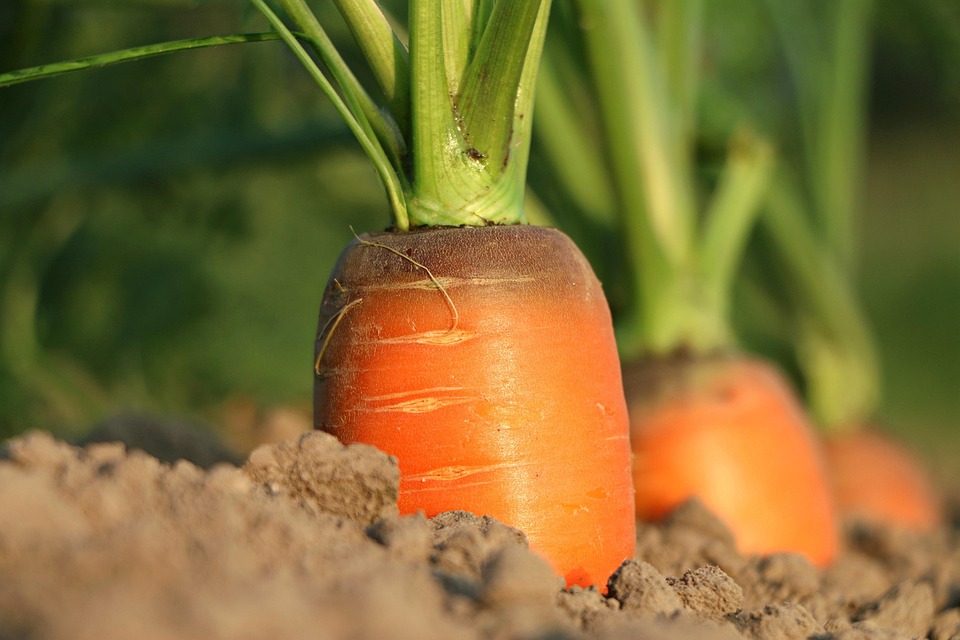
– **Cool-Season Crops**: Spinach, peas, lettuce, and carrots thrive in the cooler temperatures of early spring.
– **Warm-Season Crops**: As the frost recedes and temperatures rise, you can begin sowing seeds for tomatoes, peppers, squash, and beans.
By planting these crops while taking advantage of the moist soil conditions and ideal temperatures, you ensure a robust start to your gardening season.
#### Summer: Abundance and Maintenance
Summer brings a burst of life and bounty to the garden. This is the season where your hard work pays off. Here are some summer gardening tips:
– **Mulching**: Protect your soil from the sun and retain moisture by using organic mulch.
– **Companion Planting**: Opt for plants like basil and tomatoes, which benefit from each other’s presence, enhancing flavors and reducing pests.
Regular maintenance and attention to the soil’s health become critical here, as the summer heat can lead to rapid evaporation and nutrient depletion.
#### Fall: Harvest and Preparation
As summer fades, fall comes bearing rich rewards. The bounty of summer often culminates in a spectacular harvest season. Here’s how to optimize this time:
– **Harvesting**: Focus on gathering crops like pumpkins, squash, and late-season tomatoes.
– **Soil Enrichment**: As you clear your garden of spent plants, enrich the soil with compost or green manure to prepare it for the next spring.
Fall is also an excellent time for planting cover crops, which improve soil structure and fertility while preventing erosion during the winter months.
#### Winter: Rest and Reflect
Winter is often considered a dormant season for gardening, but that doesn’t mean the garden is entirely inactive. It’s the time for:
– **Planning**: Use this downtime to reflect on what worked and what didn’t in the past season. Map out next year’s garden layout and experiment with new plants.
– **Winter Covers**: If you’re in a climate with harsh winters, consider using row covers or cold frames to protect any hardy crops still growing.
In essence, winter is about rejuvenation; the earth is replenishing itself, and you can prepare a solid plan for the upcoming seasons.
### The Benefits of Seasonal Gardening
Aligning your gardening practices with the natural seasons has several perks that extend beyond the mere act of planting.
#### 1. Increased Yield
By planting during the optimal times for each crop, you maximize your garden’s productivity. Each plant has its ideal growing conditions, leading to healthier and more plentiful yields.
#### 2. Natural Pest Control
Planting according to seasons helps create a balanced ecosystem. Certain plants can deter pests and attract beneficial insects, reducing the need for chemical pesticides.
#### 3. Improved Soil Health
Consistent seasonal rotations and cover crops mirror nature’s natural processes, helping to improve soil structure and fertility. Healthy soil means healthy plants, which can withstand diseases better.
#### 4. Enhances Biodiversity
Seasonal gardening encourages a variety of plants, fostering a rich biodiversity in your garden that provides habitat for various creatures, from pollinators to beneficial predatory insects.
#### 5. Mindfulness and Connection
Working with the seasons instills a deeper connection to nature and the rhythm of life. It calls for patience, observation, and appreciation of the world around us, enhancing mental well-being.
### Pro Tips for Seasonal Gardening
1. **Plan Ahead**: Develop a planting calendar based on the local climate, your region’s hardiness zone, and the specific needs of your plants.
2. **Rotate Crops**: Avoid planting the same crop in the same spot year after year, as this can lead to soil nutrient depletion and pest buildup.
3. **Use Native Plants**: Incorporate native plants into your gardening mix. They’re typically adapted to local conditions and can thrive with less care.
4. **Watch the Weather**: Keep an eye on weather forecasts and prepare for late frosts or sudden heatwaves to protect your plants.
5. **Embrace Imperfection**: Nature is unpredictable. Be flexible and adapt your gardening plan as needed. Each season offers learning experiences.
### Closing Thoughts
Seasonal gardening is not just about growing food; it is about fostering a deeper connection with the earth and understanding our role within the ecosystem. Emulating nature’s rhythms leads to flourished gardens, enhanced soil health, and a sense of fulfillment that goes beyond harvests.
By aligning your gardening practices with the seasons, you’re not just cultivating crops; you’re nurturing a lifestyle steeped in sustainability, mindfulness, and joy. So whether you’re planting your first seeds or enhancing your routine, remember: nature’s rhythm is the ultimate guide in your gardening journey! Happy planting!