
**Water Conservation and Sustainable Farming: Strategies for a Thirsty Planet**
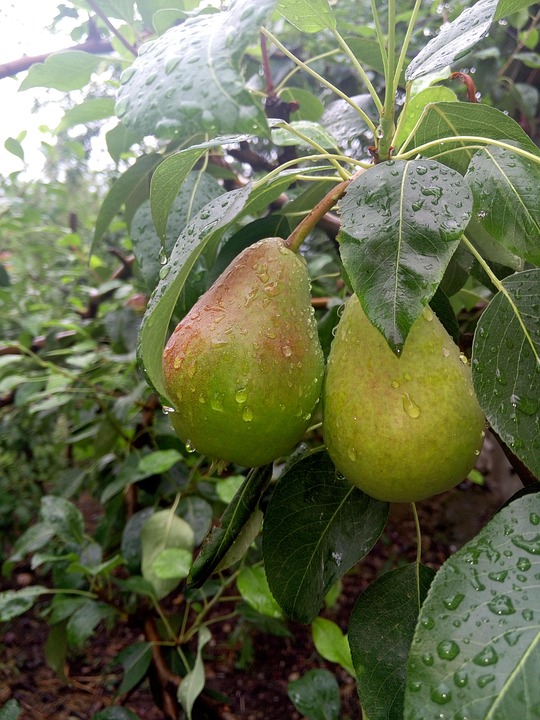
Picture this: it’s a crisp morning, and the sun begins to peek over the horizon, casting golden hues on dew-covered leaves. The garden is alive—buzzing bees flit from flower to flower while vibrant vegetables stand tall, waiting for the day’s nourishment. Yet, there’s a cloud overhead, and it’s not just the usual ones that bring rain but rather the uncertainty of whether we can continue to cultivate the land without exhausting our most vital resource: water. Anyone living off the grid knows that reliance on water is paramount, especially as climate change intensifies droughts and shifts weather patterns. Finding innovative ways to conserve water while maintaining fertile grounds is more essential than ever.
### The Growing Water Crisis
Water scarcity is not just a problem for arid regions; it’s a global issue affecting various ecosystems and communities. According to the United Nations, nearly 1.2 billion people live in areas of physical scarcity, while another 500 million experience economic water shortages. With agriculture using a staggering 70% of the world’s freshwater supply, improving our water-saving strategies in farming is critical.
### Embracing Sustainable Farming Practices
Sustainable farming is all about working with nature, not against it. It involves a holistic approach that aims to reduce water use while enhancing crop yield and soil health. Here are some of the most effective strategies for conserving water in sustainable farming:
#### 1. **Rainwater Harvesting**
Rainwater harvesting is an age-old practice that’s gaining renewed interest. By collecting rainwater from rooftops and directing it to storage tanks, farmers can create a sustainable water source. For instance, setting up a simple gutter system can efficiently channel water into barrels, providing an eco-friendly irrigation option when the skies don’t cooperate.
#### 2. **Drip Irrigation**
Think of drip irrigation as giving plants the perfect sip instead of a gulp. This method involves delivering water directly to the roots of plants using a network of tubing and emitters, drastically reducing evaporation and runoff. It’s also a great way to ensure that crops get exactly what they need at their roots, leading to healthier plants and reduced water waste.
#### 3. **Mulching**
Covering the ground with organic materials like straw, wood chips, or leaves helps retain moisture in the soil. Mulching not only keeps the ground cool but also suppresses weeds—an added bonus in the battle for resources. It’s like giving your garden a cozy blanket that helps maintain its health.
#### 4. **Crop Selection and Rotation**
Certain crops require less water than others. Drought-resistant varieties such as quinoa, sweet potatoes, or millet are perfect for water-conscious gardens. Moreover, rotating crops helps maintain soil health and reduces the risk of pests and diseases, all while requiring less water over time.
#### 5. **Soil Health Management**
Healthy soil is like a sponge that retains water. Practices such as adding organic matter, utilizing cover crops, and minimizing tillage can enhance soil structure, promoting better water infiltration and retention. When soil is rich in organic material, it encourages the growth of beneficial microorganisms, which can further aid in holding moisture.
#### 6. **Companion Planting**
Some plants thrive better together. Companion planting can help improve efficiency in watering as certain crops provide shade or moisture to others. For instance, pairing tomatoes with basil can shield the soil, minimizing moisture loss while enhancing flavor. It’s an age-old practice that maximizes both space and resources.
### Pro Tips for Effective Water Conservation
Water conservation doesn’t have to be hard work; sometimes, a few simple changes can lead to significant results. Here are some pro tips to maximize your water-saving efforts:
– **Monitor Weather Conditions:** Use local weather reports or apps to track rainfall and adjust your watering schedule accordingly. This can prevent wasting water on wet days.
– **Use Native Plants:** Native plants are adapted to local conditions and require less water once established, making them an excellent choice for sustainable landscaping.
– **Irrigation Timing:** Water your garden early in the morning or late in the evening when evaporation rates are lower, maximizing water availability for your plants.
– **Assess Soil Moisture:** Use a moisture meter or stick your finger into the soil to check moisture levels before watering. This prevents over-watering and helps maintain optimal hydration.
### Water-Saving Technologies
As technology advances, so do water conservation methods. Here are some modern tools and technologies that can be integrated into sustainable farming:
#### 1. **Soil Moisture Sensors**
These nifty devices measure soil moisture levels in real-time, sending alerts when it’s time to water. By monitoring the actual moisture content of the soil, you can avoid over-irrigating your crops.
#### 2. **Smart Irrigation Controllers**
These controllers adjust the watering schedule based on weather conditions, soil moisture, and plant requirements. This tech can save up to 50% of water used in conventional irrigation systems.
#### 3. **Hydroponics and Aquaponics**
Soil-less growing systems like hydroponics and aquaponics use significantly less water than traditional soil farming. This technique recycles water, making it one of the most efficient methods for growing food in both urban and rural settings.
### Climate Resilience: The Bigger Picture
Water conservation in farming isn’t just a local issue; it’s part of a larger conversation about climate resilience. As global temperatures rise, extreme weather events are becoming more common. Integrated water management practices are essential for adapting to these changes.
Moreover, by prioritizing sustainable farming practices, communities can create a united front against water scarcity. Education and collaboration between farmers, policymakers, and researchers enable us to develop innovative solutions and share knowledge on best practices.
### The Path Forward
Water conservation in gardening and farming is more than just a necessity; it’s an opportunity to nurture our planet sustainably. By implementing these strategies, not only can farmers reduce their water use, but they can also enhance the biodiversity of their farms, contribute to healthier food systems, and protect local ecosystems.
As we face the challenges of a changing world, adopting mindful practices rooted in sustainability is a powerful tool for combating water scarcity. Every drop of water saved is a step towards a more resilient and fruitful future.
### Conclusion
The road to efficient water conservation in sustainable farming may be challenging, but it is paved with opportunities for innovation, collaboration, and conscious living. Every gardener, farmer, and eco-enthusiast can play a role in conserving water, ensuring that our planet sustains us for generations to come. Together, we can transform our thirsty planet into a flourishing garden of sustainability.
#### Final Pro Tip
Remember, conservation starts at home. Share your knowledge and experiences with your community. Join hands with others to create rain gardens, host workshops on drip irrigation, or simply share your favorite techniques. By inspiring each other, we foster a culture of sustainability that can make a world of difference.
Let’s cultivate a better world—one mindful drop at a time!