
### Are Solar Panels Worth the Investment? A Deep Dive into Costs and Savings
It was a sunny afternoon when I first realized just how powerful the sun is—literally. As I watched the sunlight dance through the leaves overhead, I couldn’t help but think about the potential of harnessing that energy. Fast forward to that evening, when the lights flickered, and the generator sputtered its last breath. That was my ‘aha’ moment; solar power could not only save money but also keep the lights on and the fridge running in a sustainable manner. In today’s world, where rising energy costs and environmental concerns plague our daily lives, it’s worth taking a closer look at whether solar panels are truly worth the investment.
### The Growing Popularity of Solar Energy
Solar energy has seen an impressive rise in popularity in recent years. With technological advancements, increased awareness of climate change, and the quest for energy independence, more and more individuals and families are considering solar panels. According to the Solar Energy Industries Association (SEIA), solar installations in the U.S. grew by 167% between 2018 and 2021. Clearly, people are recognizing the advantages that come with converting sunlight into usable electricity.
### Understanding the Costs
Before diving into the benefits, let’s address the costs associated with installing solar panels. While the initial investment might seem daunting, a better understanding can help illuminate the potential savings.
#### 1. **Initial Costs**
The average cost for residential solar systems in the U.S. typically ranges between $15,000 and $25,000 before any tax credits or incentives. Here are some key cost factors to consider:
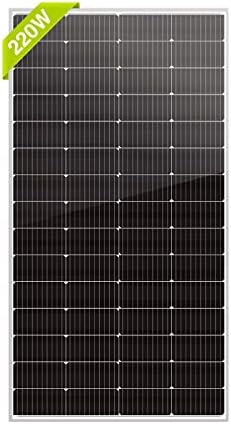
– **Solar Panel Type**: There are different types of solar panels—monocrystalline, polycrystalline, and thin-film—each with various price points. Monocrystalline panels, known for their efficiency and aesthetics, tend to be more expensive.
– **Installation**: Labor costs can also add to the total. Choosing a reputable installer can ensure quality work, but it can also mean higher fees.
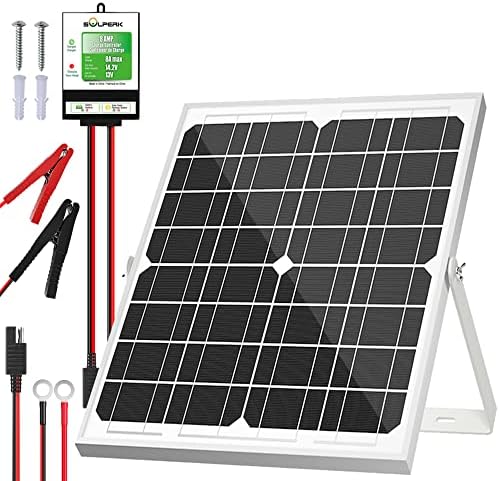
– **Inverters and Batteries**: Inverters convert the direct current (DC) generated by solar panels into alternating current (AC) usable in homes. Batteries (if you choose to install them for energy storage) will add to your costs.
#### 2. **Financing Options**
Many homeowners aren’t paying for solar panels upfront. There are several financing options available, including:
– **Loans**: Personal loans, home equity loans, or solar loans can allow homeowners to purchase solar systems outright and pay over time.
– **Leases and Power Purchase Agreements (PPAs)**: With a lease, you can pay a fixed monthly fee for using the solar panels installed on your roof. In a PPA, you pay for the power generated instead of the panels themselves.
#### 3. **Tax Incentives and Rebates**
One of the most thrilling aspects of investing in solar energy is the financial incentives available. The federal solar tax credit—or Investment Tax Credit (ITC)—allows homeowners to deduct 30% of the installation costs from their federal taxes. Additionally, various states and local governments offer rebates and incentives, further reducing the upfront cost.
Here’s a snapshot of some incentives:
– **Net Metering**: This arrangement allows homeowners to sell excess energy back to the grid, earning credits that offset future energy bills.
– **State-Level Incentives**: Some states offer further tax deductions, rebates, or grants to make solar more affordable.
### The Savings Potential
#### 1. **Reducing Monthly Utility Bills**
Once you’ve installed solar panels, you should start seeing a significant reduction in your monthly utility bills. On average, homeowners save anywhere between 20% to 70% on their electricity costs. In some cases, some homeowners report eliminating their electricity bills entirely.
#### 2. **Return on Investment (ROI)**
The ROI on solar panels can be quite attractive. The typical payback period ranges from 5 to 10 years, depending on factors like location, local energy rates, and the size of the system. After that, savings can accumulate in the form of free energy for well over 20 years, extending the life of the panels, which typically last 25-30 years.
#### 3. **Property Value Increase**
Homes with solar panel systems often sell faster and at a premium compared to those without. According to studies, solar panels can increase property values by an average of $15,000.
### Environmental Impact
Investing in solar panels isn’t just financially savvy; it’s also an environmentally responsible choice. By going solar, you’re:
– **Reducing Carbon Footprint**: Solar energy is a clean and renewable resource that reduces your reliance on fossil fuels.
– **Contributing to Energy Independence**: Using solar energy allows you to be less dependent on external energy sources, enhancing local energy security.
### Pro Tips for Maximizing Solar Investments
1. **Get Multiple Quotes**: Always compare several installers and quotes. Look for experience, warranties, and customer reviews.
2. **Consider Battery Storage**: If you can afford the upfront costs, investing in battery storage can maximize your savings by storing excess energy for use at night or during outages.
3. **Optimize Energy Use**: Be energy-efficient in your home. Consider energy audits, LED lighting, and smart home devices to reduce consumption, allowing your solar investment to be even more effective.
4. **Monitor Your System**: Regularly check the performance of your solar system. Most systems come with monitoring capabilities that allow you to track energy production and identify any potential issues.
5. **Stay Informed About Incentives**: Tax credits and state incentives can change. Stay informed to ensure you’re maximizing your financial benefits.
### Conclusion: Are Solar Panels Worth the Investment?
The question “Are solar panels worth the investment?” ultimately hinges on your personal circumstances—location, energy needs, and budget. For many people, the combination of reduced electricity bills, tax benefits, and a smaller carbon footprint makes solar panels a smart investment. With technology advancing and costs decreasing, there’s no better time to explore your options.
So, whether you’re sipping iced tea on your porch, or firing up your espresso machine powered by the rays of the sun, remember: investing in solar panels not only lights up your home but also brightens our planet’s future. Grab that solar potential and harness it—your future self will thank you!