
# Breaking Free: The Complete Guide to Off-Grid Solar Systems
Living under the bright, endless sky with the hum of nature as my only soundtrack was a transformation I never knew I needed. On a sun-drenched morning, while brewing my first coffee from beans that I roasted in the fire pit, the thought struck me: why not harness all that radiant energy? That thought initiated my journey into off-grid solar systems—a world of independence, sustainability, and surprisingly, a whole lot of fun. If you’re ready to break free from conventional energy sources, this complete guide to off-grid solar systems is your ticket to a brighter, greener future.
## What Is an Off-Grid Solar System?
At its core, an off-grid solar system is a self-sufficient energy solution that utilizes solar panels to harvest sunlight, converting it into electricity. Once set up, you will generate your power, store excess energy in batteries, and use it to run your home, all without relying on utility companies. This independence allows you to live off the grid, reducing your carbon footprint and ensuring energy security even in challenging times.
### A Brief Overview of Solar Energy
Solar energy is derived from the sun’s rays, which are captured by solar panels composed of photovoltaic (PV) cells. These cells convert sunlight into direct current (DC) electricity. Through an inverter, this DC power is converted into alternating current (AC), making it usable for most household appliances.
### Components of an Off-Grid Solar System
To successfully break free from the grid, you’ll need to familiarize yourself with the main components of an off-grid solar system:
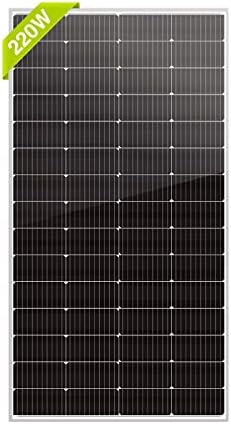
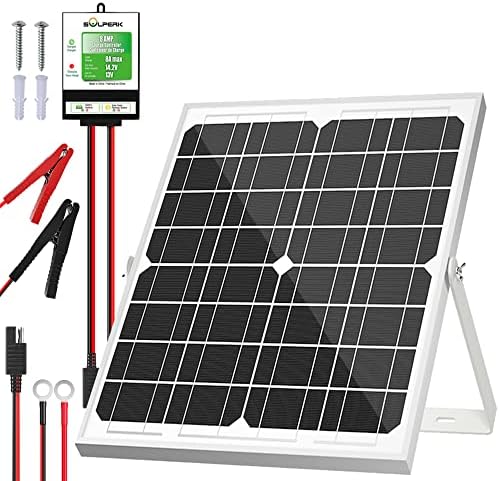
1. **Solar Panels**: The heart of the system. Available in different wattages and types—monocrystalline, polycrystalline, and thin film—each has its pros and cons depending on your budget and space.
2. **Inverter**: This device converts DC electricity generated by the solar panels into AC electricity, suitable for your home’s needs.
3. **Batteries**: These store excess energy generated during sunny days for use on cloudy days or at night. Options include lead-acid and lithium-ion batteries, each with various lifespans and costs.
4. **Charge Controller**: This component regulates the power going to the batteries, preventing overcharging and prolonging battery life.
5. **Mounting Equipment**: Racks and mounts are necessary to position your solar panels in the most effective way, maximizing sunlight exposure.
6. **Wiring and Accessories**: Adequate wiring, connectors, fuses, and switches are essential to ensure the entire system operates efficiently and safely.
### Advantages of Off-Grid Solar Systems
1. **Sustainability**: You’re tapping into a renewable energy source, significantly lowering your environmental impact.
2. **Independence**: Generate your electricity without ever having to worry about increasing utility bills or outages.
3. **Cost Savings**: After initial installation costs, you’ll benefit from free and clean energy for years.
4. **Utility Resilience**: Experience peace of mind knowing your power won’t be disrupted by grid failures or high demand.
### Getting Started: How to Build Your Off-Grid Solar System
1. **Assess Your Energy Needs**: Calculate your energy consumption by identifying how much power each appliance consumes and when you use them. A simple way to do this is through an energy audit of your home.
2. **Choose the Right Solar Panels**: Based on your energy needs, select solar panels that can generate sufficient power. It’s often wise to invest in higher-quality panels to ensure longevity.
3. **Determine Battery Storage Requirements**: Estimate how long you want power to last during low-sunlight periods. You can use online calculators or consult an expert to determine the necessary battery capacity.
4. **Select an Inverter Based on Your Needs**: Choose an inverter that can handle your maximum load at any time. Be sure to factor in surge loads from appliances that require extra power to start.
5. **Purchase a Charge Controller**: A good rule of thumb is to opt for a maximum power point tracking (MPPT) charge controller, known for its efficiency in voltage regulation.
6. **Install Thunder-Proof Mounts**: If you live in an area prone to storms or snow, ensure your solar panel mounts are rated for severe weather conditions.
7. **Connect Your System**: Carefully connect all components following the manufacturer’s guidelines. If you’re unsure, seek professional assistance to ensure everything is hooked up safely.
### Maintenance of Your Off-Grid Solar System
Maintaining your solar system will boost its efficiency and lifespan. Here’s how:
– **Regular Cleaning**: Dust and debris can block sunlight, reducing energy production. Clean your panels a couple of times a year, more often if you live in a dusty area.
– **Monitor Performance**: Keep an eye on your system’s performance. Many systems now allow for smart monitoring, giving you real-time information on energy generation and battery levels.
– **Battery Care**: Regularly check water levels in lead-acid batteries, and inspect lithium-ion batteries for signs of wear. Ensuring they have a stable environment can prolong their life.
### Pro Tips for Successful Off-Grid Living
1. **Be Energy-Efficient**: Use energy-efficient appliances and LED lighting to reduce overall energy consumption.
2. **DIY Projects**: Learn to be resourceful by creating your own gadgets or appliances. Simple projects can further enhance energy savings and make your off-grid life even more fulfilling.
3. **Engage in Energy Planning**: Create a plan for energy use, especially during peak times when your usage may spike (like running multiple appliances at once).
4. **Consider Energy Alternatives**: Think about other renewable energy sources like wind or hydro, depending on your location. Combining these with solar can diversify your energy sources.
5. **Take Advantage of Grants and Tax Credits**: Research local and federal incentives for installing renewable energy systems. These can significantly reduce your initial financial commitments.
6. **Build a Sense of Community**: Connect with fellow off-grid enthusiasts, whether through forums or local groups. Sharing experiences and knowledge can offer invaluable insights.
### Common Challenges and Solutions
1. **Weather Dependency**: Solar panels are reliant on sunlight. In less sunny climates, it’s crucial to invest in sufficient battery storage to bridge those cloudy gaps.
2. **Initial Costs**: Upfront costs may be substantial. Focus on your return on investment by calculating long-term savings and exploring financing options or co-ops.
3. **Space Limitations**: If rooftop space is limited, explore ground-mounted solar systems or vertical solar installations.
4. **Technical Knowledge**: Lack of technical skills can be intimidating. Online courses, free tutorials on platforms like YouTube, or hiring professionals for the setup can alleviate concerns.
### Conclusion
Breaking free from conventional grid power and embracing an off-grid solar system is a thrilling journey toward independence, sustainability, and self-sufficiency. The roadmap might include challenges and learning curves, but the rewards—fresh air, lower bills, and a smaller footprint—are well worth it. With the right planning, knowledge, and a hint of creativity, you too can bask in the sunlit freedom of off-grid living.
So gear up and let that sun shine in—your adventure into the world of off-grid solar systems awaits!