
# Case Study: Transforming Lives with Off-Grid Solar Solutions
The morning sun slipped over the horizon, casting a warm glow across the sprawling meadow that surrounded my little cabin. Birds chirped melodiously as I stepped outside, a steaming cup of herbal tea in hand. It struck me then—this tranquility, this connection to nature, was made possible because I chose to harness the sun’s energy to power my life off the grid. Solar solutions have not just changed the way I live; they’ve profoundly transformed the lives of countless individuals and communities around the world. In this article, we will explore how off-grid solar solutions are changing lives, along with some inspiring case studies, practical applications, and expert tips for anyone looking to embark on their own off-grid journey.
## The Off-Grid Revolution: A Brief Overview
Off-grid living evokes images of rustic cabins, wooden stoves, and farm-fresh produce. Yet, the integration of modern technology—especially solar energy—has made this lifestyle accessible and sustainable for many. As the world grows increasingly conscious of climate change and energy consumption, off-grid solar solutions are becoming a beacon of hope for individuals seeking sustainability and independence.
### Case Study 1: Empowering Rural Communities in Africa
In many parts of Africa, access to electricity is a luxury that remains out of reach for millions. However, innovative organizations have started implementing off-grid solar solutions that are transforming lives. For instance, in Kenya, a community in the rural village of Bomet was introduced to solar microgrids.
These microgrids provide clean, reliable energy to homes, schools, and clinics. Before the introduction of solar power, students struggled to study after sunset, and medical services were severely limited. Since adopting solar technology, families can now light their homes, powering small devices like radios and chargers. Local businesses are thriving, leading to economic growth in the region.
#### Impact Highlights:
– **Educational Improvement**: Access to nighttime study periods has boosted literacy rates.
– **Enhanced Healthcare**: Clinics are now adequately equipped to provide essential services after dark.
– **Economic Growth**: Local entrepreneurs have flourished, creating jobs and enhancing community welfare.
### Case Study 2: The Rise of Sustainable Farming in the U.S.
Sustainable agriculture is another area where off-grid solar solutions are making significant strides. Take, for instance, a small farm in California’s Central Valley. The owners, Ellen and Carlos, decided to invest in solar panels after struggling with rising electricity costs.
With an off-grid solar setup, they now power irrigation systems, greenhouses, and even cooling units for their produce—all with renewable energy. This shift not only slashed their utility bills but also allowed them to expand their farming operations. The result? Fresher produce for their local community, a reduced carbon footprint, and a greater sense of self-sufficiency.
#### Impact Highlights:
– **Cost Savings**: Reduced dependency on grid electricity lowers operational costs.
– **Increased Crop Yield**: Reliable power enhances the ability to control growing conditions.
– **Environmental Responsibility**: Reduced emissions contribute to a healthier planet.
## The Technology Behind Off-Grid Solar Solutions
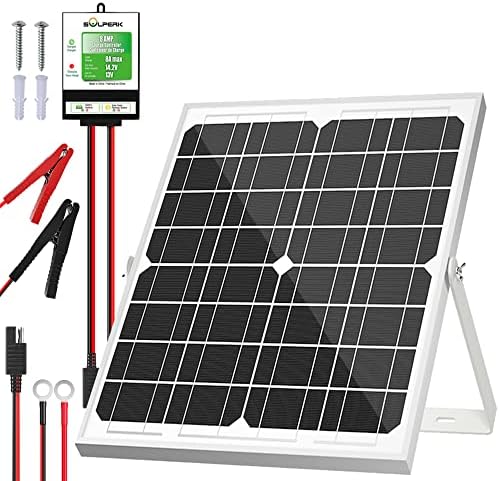
So how do these solar solutions work? At their core, all off-grid solar systems rely on three primary components: photovoltaic (PV) panels, an inverter, and a battery storage system.
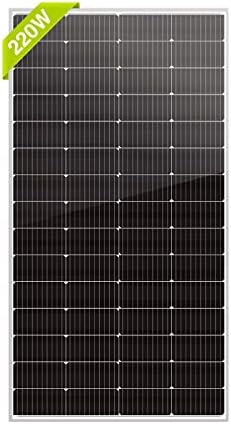
1. **Photovoltaic Panels**: These panels capture sunlight and convert it into electricity. With advancements in technology, high-efficiency panels are now available, making it easier to harness solar energy, even in less-than-ideal weather conditions.
2. **Inverter**: The inverter transforms the direct current (DC) generated by the solar panels into alternating current (AC), which is the standard form of electricity used in most homes.
3. **Battery Storage**: A significant advantage of off-grid solar systems is the ability to store excess energy for later use. Advanced battery systems, including lithium-ion options, store energy generated during sunny days for use when the sun isn’t shining.
This technology empowers users to become energy-independent, significantly mitigating reliance on traditional power sources.
## Pro Tips for Off-Grid Living with Solar Solutions
Embarking on an off-grid journey may seem daunting, but with the right tools and knowledge, it can be an incredibly rewarding experience. Here are some pro tips to keep in mind:
### 1. Understand Your Energy Needs
Before investing in solar technology, take inventory of your energy consumption. Evaluate your appliances, heating, and lighting needs. Consider using energy-efficient devices to optimize your power demand.
### 2. Choose the Right Location for Installation
Ensure that your solar panels are installed in a location that receives maximum sunlight throughout the day. Areas free from shading, such as tall trees or buildings, are ideal for optimal performance.
### 3. Regular Maintenance is Key
Keep your solar panels clean and well-maintained to ensure they operate at peak efficiency. A quick wash with water and a gentle brush can help remove dirt and debris.
### 4. Stay Informed About Technological Advancements
Solar technology is continually evolving. Stay informed about the latest innovations and improvements, such as more efficient panels or better battery technology, which can enhance your system.
### 5. Connect With the Community
Engage with local off-grid communities or online forums where you can share experiences, learn, and gather insights. The power of shared knowledge can be an invaluable resource!
## The Broader Impact of Off-Grid Solar Solutions
The benefits of off-grid solar solutions go beyond individual experiences. As more people adopt sustainable practices, the positive repercussions touch global issues such as climate change, biodiversity loss, and energy security.
### Economic Resilience
Economic independence through solar energy can reduce poverty levels and drive local economies. The reduction in dependency on fossil fuels leads to sustainable job creation in installation, maintenance, and even manufacturing of solar equipment.
### Environmental Sustainability
By transitioning to renewable energy sources, we are not only reducing our carbon footprints but also protecting precious ecosystems. Solar energy contributes to cleaner air and helps preserve natural resources, offering a long-term solution to combating climate change.
### Enhanced Quality of Life
Finally, as families gain reliable energy access, their overall quality of life improves. From facilitating education to enabling better health care, the transformative potential of solar energy extends far beyond mere electricity.
## Conclusion: A Bright Future Ahead
As we embrace the idea of off-grid living powered by solar solutions, the possibilities for transformation are becoming increasingly evident. The stories of communities worldwide illuminate the path toward sustainability, independence, and resilience. Whether it’s empowering a rural village or revolutionizing sustainable farming practices, off-grid solar solutions have proven to be more than just a means of energy—they’re a catalyst for positive change.
So, as you consider your own journey into the off-grid lifestyle, remember the many lives that have already been transformed by harnessing the power of the sun. The light you bring into your life could illuminate the way for others, creating a ripple effect of positive change for generations to come.
With careful planning, a commitment to sustainability, and a passion for innovation, the future looks bright!