
# Comparing Solar Panel Types: Which is Best for Your Home?
The sun peeked over the mountains, casting a golden glow across my little slice of paradise. I remember the morning I first turned on my solar system; the energy from those gleaming panels just seemed to radiate the same warmth I felt inside. It had been a journey to find the right solar solution for my home, and now I’m excited to share everything I learned along the way. With so many solar panel types available, making a choice can feel overwhelming, but let’s break it down together.
## Understanding Solar Panel Options
When considering solar energy for your home, you’ll find that there are primarily three types of panels: **Monocrystalline, Polycrystalline, and Thin-Film**. Each has its unique characteristics, advantages, and drawbacks. Let’s dive into the specifics of each so you can decide which is the best fit for your needs.
### 1. Monocrystalline Solar Panels
**The Characteristics:**
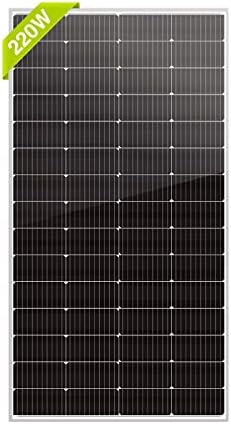
Monocrystalline panels are made from a single, continuous crystal structure. This design allows them to be highly efficient and space-efficient, making them popular among homeowners looking to maximize their power outputs in limited spaces.
**Efficiency and Performance:**
– **Efficiency:** These panels boast efficiency rates between 15% and 22%, the highest among solar options. Because of their superior efficiency, fewer panels are usually required to meet energy needs.
– **Lifespan:** Monocrystalline panels typically have long warranties (up to 25 years) and can last even longer if well-maintained.
– **Performance in Low Light:** Monocrystalline panels perform better in low-light conditions compared to their polycrystalline counterparts.
**Pros:**
– Higher efficiency and space efficiency
– Long lifespan
– Attractive aesthetics
**Cons:**
– Initially more expensive to purchase
– Higher manufacturing energy costs
### 2. Polycrystalline Solar Panels
**The Characteristics:**
Polycrystalline panels are made from multiple crystal structures, formed by melting different silicon fragments together. While they are less efficient than monocrystalline panels, they are often more affordable.
**Efficiency and Performance:**
– **Efficiency:** These panels typically have efficiency ratings between 13% and 16%. While they’re efficient, you might need a few extra panels to produce the same energy as monocrystalline.
– **Lifespan:** Their warranties are generally around 20-25 years, providing solid longevity.
– **Performance in High Temperatures:** Polycrystalline panels tend to perform slightly worse in high temperatures compared to monocrystalline panels.
**Pros:**
– More affordable upfront costs
– Easier to find in larger quantities
– Solid performance for less demanding applications
**Cons:**
– Lower efficiency
– Takes up more space for the same output
– Slightly less attractive aesthetics
### 3. Thin-Film Solar Panels
**The Characteristics:**
Thin-film solar panels are made by placing a thin layer of photovoltaic material on a substrate like glass, plastic, or metal. This type of panel is highly flexible and lightweight.
**Efficiency and Performance:**
– **Efficiency:** Thin-film panels usually have lower efficiency rates, ranging from 10% to 12%. They require much more space to produce the same energy output as crystalline panels.
– **Lifespan:** Typically shorter lifespan and warranties (around 10-15 years) compared to crystalline options.
– **Performance in Low Light:** They perform well in low light, making them suitable for shaded locations.
**Pros:**
– Lightweight and flexible
– Better performance in high temperatures
– Generally more affordable
**Cons:**
– Requirement for more space
– Shorter lifespan and warranties
– Lower overall efficiency
## Which Solar Panel Type is Right for You?
Selecting the most suitable solar panel type for your home depends on various factors, including your budget, available space, and energy needs. Here’s a handy guide to help you decide:
### Budget Considerations
If you’re limited by budget constraints but still want to harness solar energy, polycrystalline or thin-film panels may be your best options. These types come with lower initial costs, making it easier to enter the solar market.
However, if your financial situation allows for a more significant investment, monocrystalline panels provide greater efficiency and long-term savings on energy bills.
### Space Availability
Space is a crucial factor in your decision. If your roof is limited in space or faces heavy shading, monocrystalline panels might be the best fit due to their higher efficiency. For larger rooftops where space is abundant, polycrystalline panels could serve well.
If you need more flexibility and installation possibilities, thin-film panels are lightweight and can be installed in various locations.
### Energy Needs
Evaluate your energy consumption patterns. If you have high energy needs and want to maximize production without covering your roof in panels, monocrystalline panels make the most sense. For moderate energy consumption, polycrystalline panels could strike the right balance between cost and efficiency.
For those in off-grid situations or where utility costs are exceptionally high, investing in high-efficiency panels can lead to significant long-term savings.
## Pro Tips for Solar Panel Installation
When considering solar panels, don’t overlook these pro tips:
1. **Consult with Professionals:** Always speak with a reputable solar installation company before making decisions. They can assess your specific needs and recommend the best system for your situation.
2. **Map Out Your Energy Usage:** Before investing in solar panels, map out your energy consumption. This will help you determine the size and type of system that will best suit your needs.
3. **Consider Local Incentives:** Check for rebates, tax credits, or financial incentives in your region. Many areas provide significant financial support for solar installations, making it easier to go green.
4. **Think about Battery Storage:** If you’re looking to go off-grid or want energy available during outages, consider integrating battery storage with your solar system.
5. **Plan for Maintenance:** Regardless of the panel type, plan for regular maintenance. Cleaning your panels a couple of times a year can boost efficiency.
## Final Thoughts
Choosing the right solar panel type can feel like navigating a maze, but armed with the right information, you can find your way to a solution that benefits both your wallet and the planet. Monocrystalline panels may have the edge in efficiency and longevity, but polycrystalline and thin-film panels sometimes provide the right balance between cost and performance.
As you move forward in your solar journey, consider your budget, space, and energy needs. And remember, every step towards utilizing solar energy brings us closer to a sustainable future. Happy solar shopping!