# Eco-Friendly Living: The Role of Solar Panels in Sustainable Homes
Imagine waking up in a sun-drenched house, the gentle hum of nature just outside your window as birds chirp and the breeze rustles the leaves. The only noise inside your home comes from the coffee pot brewing fresh, organic beans—no jarring whirs of appliances or the droning sound of energy consumption. Life in a solar-powered home blends comfort, serenity, and sustainability, creating a harmonious relationship with the earth that energizes both body and spirit.
This vision can be yours—homeowners today are embracing eco-friendly living like never before, particularly with the rise of solar energy. Solar panels are no longer just a trend; they’re an essential part of creating sustainable homes. Not only do they offer a solution to rising energy costs, but they also empower individuals to harness the sun’s power, reducing reliance on fossil fuels and environmental impact.
## Understanding Solar Panels
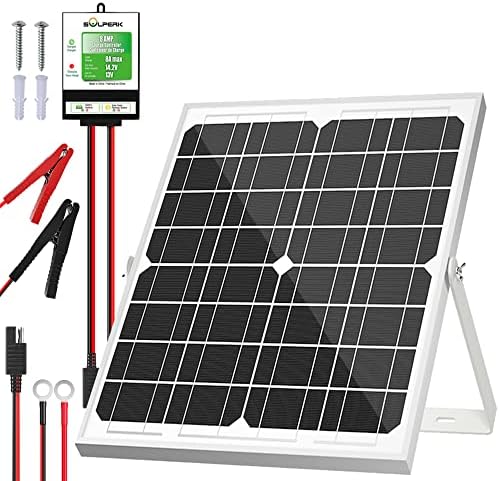
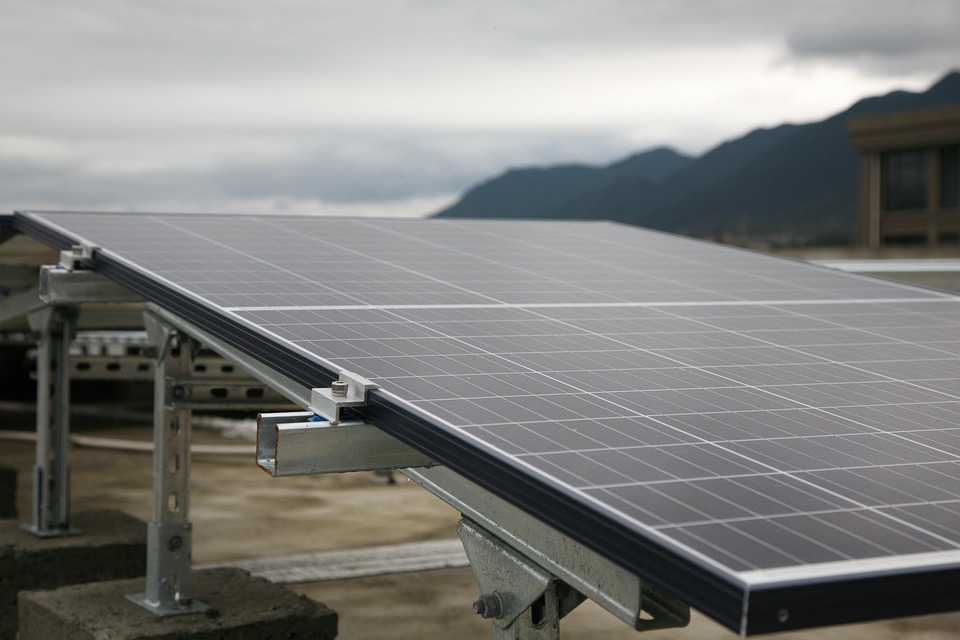
Solar panels are devices that convert sunlight into electricity. They use photovoltaic (PV) cells made of silicon, which generate direct current (DC) electricity when exposed to sunlight. This electricity can be used immediately, stored in batteries, or sent back to the grid. With advances in technology, solar panels have become increasingly efficient and accessible, making them a viable option for homeowners seeking sustainable energy solutions.
### Types of Solar Panels
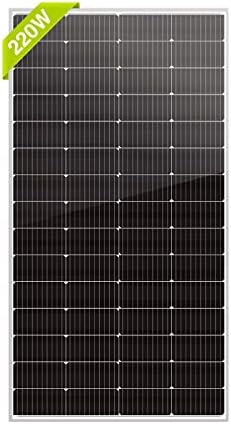
1. **Monocrystalline Panels**: Made from a single crystal structure, these panels are highly efficient and take up less space.
2. **Polycrystalline Panels**: These are composed of multiple crystal structures. They are more affordable but slightly less efficient.
3. **Thin-Film Solar Panels**: Lightweight and flexible, these panels can be integrated into various surfaces but typically have a lower efficiency rate.
Choosing the right type of solar panel depends on your energy needs, budget, and space available. Each type offers unique advantages, making it critical to analyze which aligns with your sustainable living goals.
## Eco-Friendly Living: Why Solar Matters
### 1. Reducing Carbon Footprint
The most significant benefit of solar panels is their ability to reduce greenhouse gas emissions. Traditional energy sources like coal and natural gas produce harmful CO2 emissions, contributing to climate change. By harnessing solar energy, homeowners can drastically decrease their reliance on these fossil fuels.
### 2. Lowering Energy Bills
Solar panels significantly reduce electricity costs. Once installed, they provide energy at little to no cost (beyond the initial investment). Many homeowners even generate excess energy that can be sold back to the grid, creating a potential revenue stream.
### 3. Energy Independence
Solar panels offer autonomy from energy monopolies and fluctuating energy prices. In an era of rising costs and energy crises, having your own energy source provides peace of mind.
### 4. Increasing Home Value
Homes equipped with solar panels often see an increase in property value. Buyers today are increasingly looking for energy-efficient homes, and solar panels can make your property stand out in the market.
## Sustainable Practices Beyond Solar Panels
While solar panels are a fantastic first step toward eco-friendly living, they should be part of a broader sustainable lifestyle. Here are some practices to integrate with solar energy:
### Efficient Insulation
Enhancing your home’s insulation can work in tandem with solar panels. Insulated homes retain heat in the winter and stay cooler in the summer, reducing overall energy consumption.
### Water Conservation
Implementing water-efficient appliances and rainwater harvesting systems can reduce water usage and create opportunities for reusing resources.
### Sustainable Materials
Choose sustainable building materials for any home improvements. Reclaimed wood, bamboo flooring, and recycled materials contribute to reducing the environmental footprint.
### Local and Organic Gardening
A garden nurtured with organic practices can provide fresh vegetables and herbs while also supporting local pollinators and ecosystems.
## Pro Tips for Going Solar
1. **Assess Your Energy Needs**: Before diving into solar installation, analyze your current energy consumption. Understanding your usage can help you choose the right system size.
2. **Research Incentives**: Many local and federal governments offer tax credits and rebates for solar panel installation, making it more affordable. Research what’s available in your area.
3. **Choose Reliable Installers**: Pick qualified solar installers with good track records. Read reviews and get quotes from multiple companies before deciding.
4. **Regular Maintenance**: Keep your solar panels clean and free from debris to maximize efficiency. Some providers offer maintenance packages as part of their service.
5. **Monitor Performance**: Use technology to monitor the performance of your solar system. Many systems come with apps that provide real-time data on energy production.
## Challenges to Consider
While solar energy has incredible benefits, there are challenges that potential homeowners should be aware of:
### Initial Costs
The upfront investment for solar panels can be significant, although financial incentives often mitigate this. Understanding financing options—such as loans or leases—can also help manage costs.
### Aesthetic Concerns
Some homeowners worry that solar panels will detract from their home’s appearance. With advancements in design, many panels are now available in more aesthetically pleasing options.
### Weather Dependency
Solar energy production relies on consistent sunlight. In areas with frequent cloud cover or rainy seasons, energy output may vary, necessitating a backup power source or battery storage.
## The Future of Solar Energy
The future of solar energy looks bright, with ongoing technological advancements improving panel efficiency and lowering costs. Innovative practices, like solar roofs and integrated energy systems, are reshaping how we think about renewable energy.
As more individuals and communities recognize the importance of sustainable living, the shift towards solar energy will likely continue to grow. With advocacy for clean energy on the rise, it’s clear that solar panels will play a crucial role in shaping a sustainable future.
## Conclusion
Living sustainably with the help of solar panels is more than just a trend—it’s a lifestyle choice that enhances both your home and your connection with the planet. The benefits of harnessing solar energy not only promote eco-friendly living but also foster a sense of community, resilience, and innovation. Whether you’re a seasoned eco-warrior or just starting, embracing solar energy is a powerful step toward a brighter, more sustainable future.
Remember, as you embark on this journey towards solar-powered living, you’re not just reducing your carbon footprint; you’re paving the way for future generations to enjoy a healthier planet. So go ahead—let the sun power your dreams! 🌞
### Final Thoughts
Sustainable living isn’t just about making individual choices; it’s about inspiring others to make changes too. Share your journey, spark conversations, and become a champion for eco-friendly practices in your community. The power of solar energy is yours to harness, so why not illuminate your path to a sustainable future?