# Economics of Solar Energy: Costs, Savings, and Incentives Explained
When the sun rises over the horizon, it’s not just a daily miracle; it’s a booming economic opportunity. Picture this: the warm glow of morning sunlight streaming onto your home’s rooftop, powering your entire household, reducing your bills, and giving you an undeniable sense of independence. That’s the magic of solar energy! It’s an exciting topic that blends technology, finance, and lifestyle—all wrapped into one green package. Let’s dive into the economics of solar energy and break down the costs, savings, and incentives that can make it an appealing choice for anyone looking to harness the sun’s power!
## Understanding the Initial Costs of Solar Energy
### Solar Panel Installation Costs
Investing in solar energy begins with installation costs. While initial expenses may seem daunting, prices have plummeted in recent years, making solar more accessible. The average cost per watt for solar energy systems has dropped by nearly 70% since 2010. Depending on your location and energy requirements, a typical residential solar system can range from $15,000 to $30,000 before incentives. But don’t let those numbers scare you just yet.
### Types of Solar Technologies
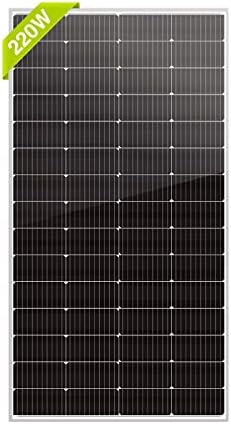
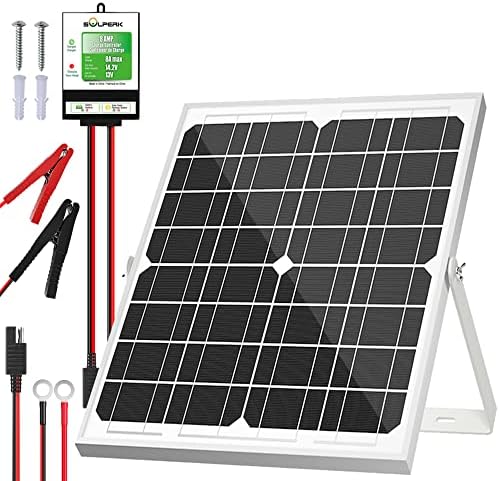
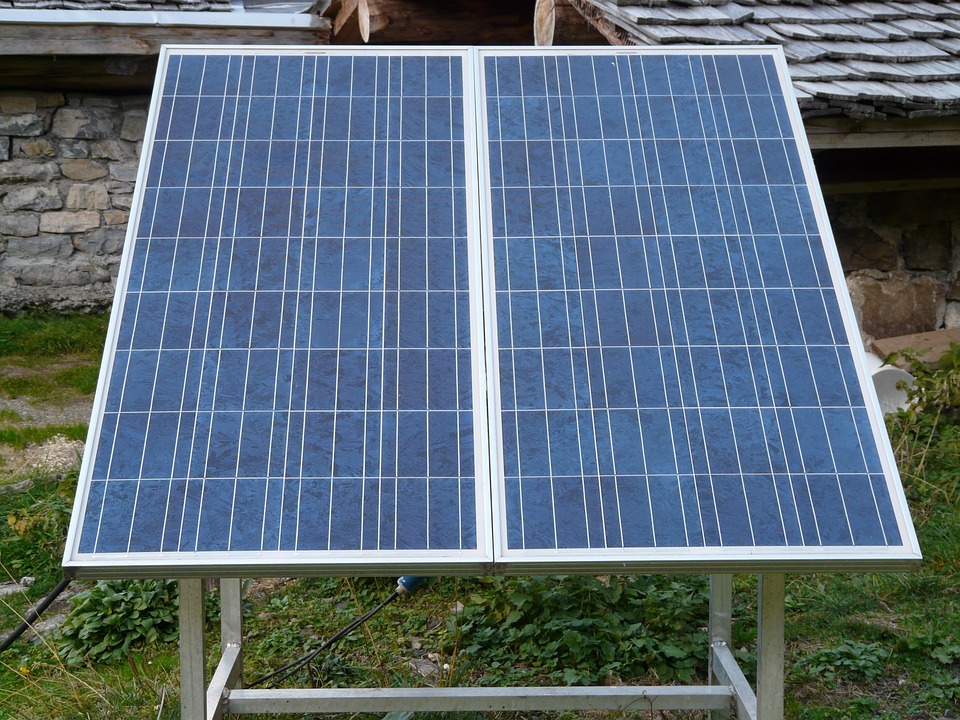
1. **Photovoltaic (PV) Systems**: These collect sunlight and convert it into electricity. Available in various efficiencies, choosing the right type can optimize your output and costs.
2. **Solar Thermal Systems**: Primarily used for heating water, these can save substantially on energy bills, especially in areas with high hot water demands.
3. **Community Solar Projects**: If you’re not ready to install panels on your roof, consider investing in or joining a community solar garden. This reduces installation costs by sharing expenses among participants.
### Other Installation Factors
– **Roof Type**: A roof that’s south-facing and free from shading will yield the best results. If your roof requires modification, additional costs will arise.
– **Permits and Fees**: Always account for local building permits, inspections, and interconnection fees with your utility provider.
## Long-Term Savings with Solar Energy
### Energy Bill Reductions
Once your solar panels are installed, it’s time for the savings! Homeowners can expect to see a significant reduction—or even elimination—of their monthly energy bills. By generating your electricity, you’ll be substantially less reliant on your local utility. Depending on system size, some homeowners report saving $100 to $300 monthly!
### Energy Independence
Not only does solar energy save you money, but it also offers energy independence. Prices for traditional energy sources fluctuate and can lead to unpleasant surprises. The sun is free, and it’s also remarkably reliable. By harnessing solar power, you’ll weather unpredictable energy markets with a smile.
### Increase in Property Value
Studies show that solar installations can increase a home’s resale value by approximately 3-4%. Buyers are increasingly attracted to homes with sustainable energy solutions. When it’s time to sell, your investment becomes an attractive selling point.
## Financial Incentives for Going Solar
### Federal Solar Investment Tax Credit (ITC)
One of the most significant motivations for going solar is the federal solar investment tax credit (ITC). This allows you to deduct a percentage of the installation costs from your federal taxes. As of 2023, the ITC offers a generous 30% deduction. This means if you invest $20,000 in a solar system, you could potentially claim $6,000 back on your taxes!
### State and Local Incentives
Many states and municipalities offer additional incentives, such as rebates or performance-based incentives. Each state has different programs, so it’s worth investigating your local options. Resources such as the Database of State Incentives for Renewables and Efficiency (DSIRE) make exploring these incentives easy.
### Renewable Energy Certificates (RECs)
When you go solar, you may generate renewable energy certificates (RECs) that can be sold to utilities needing to meet renewable energy standards. Selling RECs can provide another revenue stream on top of energy savings.
## Financing Options for Solar Energy
### Solar Loans
For those who don’t have the upfront cash, solar loans can make the transition much more feasible. Options include unsecured personal loans or solar-specific loans that might offer better rates. Monthly payments can be tailored to fit your budget, allowing you to pay off your system over time.
### Power Purchase Agreements (PPAs)
In a PPA, a third party installs and maintains your solar system, and you agree to buy the energy it generates at a fixed rate. This arrangement often allows for little to no money down, making this a popular option for homeowners who want to avoid high upfront costs.
### Leasing Options
Similar to PPAs, leasing involves a third party, but you pay a fixed monthly fee for using the system rather than for the energy it produces. While this may reduce your savings compared to ownership, it still provides immediate benefits without upfront costs.
## Pro Tips for Maximizing Your Solar Investment
1. **Get Multiple Quotes**: Comparing quotes from different installers will help ensure you get the best deal. Look for companies with good reviews and a strong customer service track record.
2. **Ask About Local Incentives**: Local incentives can significantly impact your net costs. Be sure to inquire about any available programs in your area!
3. **Monitor Your Usage**: Keep an eye on your energy consumption before and after installing solar. You may find opportunities to save even more by adjusting your usage patterns.
4. **Consider Battery Storage**: Investing in battery storage can further increase your savings by allowing you to store excess energy for later use, helping you move closer to energy independence.
5. **Stay Informed**: The solar energy landscape is always changing. Regularly check for new incentives, technology advancements, and policy changes that could benefit you.
## Conclusion: The Bright Future of Solar Energy Economics
The economics of solar energy is becoming increasingly favorable for homeowners looking to save money while also making an environmentally friendly choice. With dropping installation costs, significant long-term savings, and a plethora of incentives, there’s never been a better time to consider making the switch to solar.
By understanding the costs, savings, and available incentives, you can make a smart economic decision that benefits your wallet and helps protect the planet. In an era where energy independence is more crucial than ever, solar energy stands out as a viable and exciting option.
So, grab your sunglasses and prepare to bask in the benefits of solar energy—you’ll be glad you did!