
# Environmental Impact: How Off-Grid Solar Systems Reduce Your Carbon Footprint
Waking up to the gentle hum of nature instead of the buzz of alarm clocks is an experience that revitalizes the soul. Imagine stepping out of your cabin, sipping on fresh coffee brewed from rainwater, while sunlight dances on the solar panels in your yard. Every ray of sunshine directly contributes to your sustainable lifestyle, framing each day as an opportunity to live in sync with the Earth. The shift from conventional energy sources to off-grid solar systems goes beyond personal comfort; it’s an empowering choice that significantly reduces our carbon footprint, creating a greener future for all.
## The Basics of Off-Grid Solar Systems
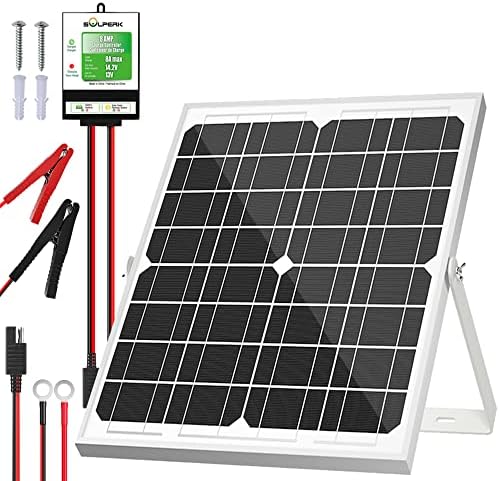
An off-grid solar system generates electricity without relying on the traditional power grid. This independence not only fosters a deeper sense of self-sufficiency but also challenges the status quo of energy consumption. Typically composed of solar panels, batteries, charge controllers, and inverters, these systems harness sunlight to produce clean energy that can power your home, transform the way you live, and significantly reduce environmental impact.
### How Off-Grid Solar Systems Work
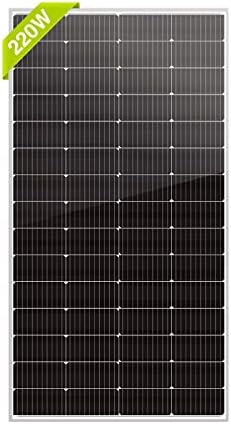
1. **Solar Panels**: These capture sunlight and convert it into direct current (DC) electricity.
2. **Charge Controllers**: They regulate the voltage and current coming from the solar panels to the batteries, ensuring optimal charging without overloading.
3. **Batteries**: Store the generated electricity for later use, allowing you to harness energy even when the sun isn’t shining.
4. **Inverters**: Transform the DC electricity from the solar panels and batteries into alternating current (AC) electricity for home use.
### Reducing Your Carbon Footprint
**1. Decreasing Reliance on Fossil Fuels**
Off-grid solar systems provide an alternative to traditional power sources that typically burn fossil fuels, releasing greenhouse gases into the atmosphere. By generating your own electricity from the sun, you significantly lower your dependence on these polluting sources. This proactive choice helps reduce carbon emissions, combating climate change by minimizing your overall impact.
**2. Sustainable Energy Production**
Solar energy is renewable, meaning it will not deplete over time. As long as the sun rises, we can take advantage of this natural resource that fuels life on Earth. By harnessing solar energy, off-grid solar systems demonstrate a commitment to sustainability and responsible energy consumption.
**3. Reducing Transmission Losses**
Traditional electrical systems involve long-distance electricity transmission, which often results in energy loss along the way. This inefficiency contributes to a higher carbon footprint. Off-grid solar systems reduce these distances, enabling immediate use of locally produced energy and minimizing losses.
**4. Encouraging Eco-Friendly Practices**
Living off the grid encourages a lifestyle centered around environmental stewardship. With a focus on energy efficiency, individuals adopting this approach are often more conscious of their consumption patterns, leading to reduced waste and more sustainable habits.
## The Broader Ecosystem Benefits
In addition to reducing personal carbon footprint, off-grid solar systems positively impact the ecosystem at large. Here are some broader benefits:
### Wildlife Preservation
Conventional power systems often disrupt natural habitats through land use and resource extraction. By opting for solar energy, you lessen the demand for such disruptions, preserving ecosystems for the flora and fauna that call them home.
### Water Conservation
Many energy sources require significant water inputs for cooling and processing. Solar systems, on the other hand, operate predominantly without water, conserving this vital resource. It’s a win-win, especially in arid regions where water scarcity becomes a pressing issue.
### Air Quality Improvement
By decreasing reliance on coal, oil, and gas, off-grid solar systems contribute to improved air quality. This reduction in particulate matter and pollution directly correlates with better health outcomes for communities living near traditional energy sources.
## Pro Tips for Maximizing Your Off-Grid Solar Experience
### 1. Invest in Quality Equipment
Opt for high-efficiency solar panels and dependable batteries to enhance performance and longevity. Good quality equipment can improve your energy yield, helping you generate more electricity from the same sunlight.
### 2. Optimize Your Energy Usage
Being mindful of energy consumption is essential for off-grid living. Use energy-efficient appliances and LED lighting to maximize your power. Consider conducting an energy audit to identify high-consumption devices and develop strategies for reducing usage.
### 3. Embrace Energy Storage
Battery storage allows you to make the most of sunny days. Invest in a battery system that matches your energy needs, providing power during cloudy days or at night.
### 4. Regular Maintenance
Regularly cleaning your solar panels ensures they operate at peak efficiency. Dust, leaves, and debris can limit light exposure and energy output.
### 5. Educate Yourself and Others
Understanding the technology behind your solar system can empower you to troubleshoot issues and learn about further improvements. Share your knowledge with your community, showing them the benefits of off-grid living.
## The Future is Bright
Off-grid solar systems represent more than just an alternative energy source; they symbolize a lifestyle and mindset advocating for a sustainable future. With the increasing availability of solar technologies and growing concerns about climate change, the trend toward off-grid living continues to rise.
Embracing an off-grid lifestyle and harnessing solar energy is not only a move toward independence—it’s a powerful statement against environmental degradation. Each step taken toward reducing your carbon footprint creates ripples of change that can inspire family, friends, and even entire communities.
## Conclusion
The transition to off-grid solar systems presents a delightful path for reducing your environmental impact and enhancing your quality of life. By embracing renewable energy, we can honor nature, preserve our planet for future generations, and invite others to join this vibrant movement. Let the sun illuminate your path to sustainability, one solar panel at a time.
By harnessing the power of the sun, we unlock the door to a brighter, more sustainable future, and every effort counts. Because this isn’t just about you; it’s about the world we all share.