
# From Purchase to Installation: A Complete Guide to Solar Panel Expenses
Imagine waking up to the sun streaming through your window, knowing that the energy illuminating your cozy off-grid cabin isn’t just free; it’s harnessed right from the sky. That was the moment I realized the transformative power of solar energy, and it fueled my journey into renewable living. While the initial steps of going solar can seem daunting, understanding the expenses involved—from purchase to installation—turns the overwhelming into the doable. Buckle up, and let’s explore the financial landscape of transitioning to solar panels!
—
## Understanding Solar Panel Expenses
Managing solar panel expenses is the first step toward enjoying that sunny energy bliss. The costs associated with solar panels can be divided into various categories, each having its unique financial implications. Let’s break down these expenses into digestible sections.
### 1. Initial Costs: Understanding Your Budget
#### a. Solar Panel Prices
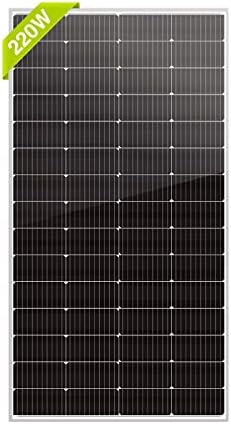
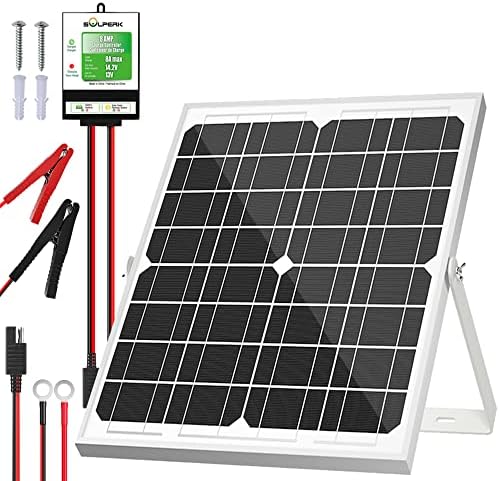
The heartbeat of your solar system is, of course, the panels themselves. The price of solar panels typically ranges between **$0.80 to $3.00 per watt**, depending on the type, brand, and efficiency rating.
– **Monocrystalline Panels**: These are high-efficiency panels that offer greater performance, usually costing **$1.00 to $3.00 per watt**.
– **Polycrystalline Panels**: These are cheaper and less efficient, generally priced between **$0.80 and $1.50 per watt**.
– **Thin-Film Panels**: Though less common, these panels can be even cheaper, running from **$0.50 to $1.00 per watt**.
#### b. Inverter and Battery Costs
An inverter is essential for converting the direct current (DC) energy produced by the panels into alternating current (AC) energy, which is used in homes. Expect to pay around **$1,000 to $2,000** for a quality inverter.
If you’re looking to store energy for nighttime or cloudy days, a battery backup system can range from **$2,000 to $10,000** depending on your storage capacity needs.
#### c. Installation Costs
Hiring professionals for installation will clean up any DIY disasters and ensure everything runs smoothly. Labor costs can vary significantly by region and the complexity of the installation but generally range from **$4,000 to $10,000**.
### 2. Additional Costs
#### a. Permits and Fees
Before you start shining in the sunlight, check your local regulations. Many cities and counties require permits for solar installations. Permit fees can range from **$50 to $500**, depending on location.
#### b. Roof Assessment and Repairs
If your roof needs repairs or is not suitable for solar panel installation, you might have some unexpected costs here. Roof assessments could cost around **$200**, and if repairs are needed, you could face additional expenses ranging from **$1,000 to $10,000**.
#### c. Solar Monitoring System
While optional, installing a solar monitoring system can help you track your energy production and consumption, identifying any issues early on. This can add about **$200 to $600** to your total expenses.
### 3. Incentives and Rebates
The good news? There are numerous state and federal incentives that can significantly reduce your overall costs.
#### a. Federal Tax Credit
The **Investment Tax Credit (ITC)** allows you to deduct **26%** of the installation costs from your federal taxes. This percentage is set to decrease in the upcoming years, so it’s wise to get in while it lasts.
#### b. State and Local Incentives
Many states and municipalities also offer rebates or performance-based incentives, which can further alleviate the costs. Research your local options through the Database of State Incentives for Renewables & Efficiency (DSIRE).
### 4. Long-Term Savings
Now that we’ve laid out the costs, let’s switch gears and talk about the sunny side up—long-term savings.
#### a. Reduced Electricity Bills
Once installed, solar panels can lead to substantial savings on electricity. The average homeowner can save anywhere from **$10,000 to over $30,000** over the lifespan of the panels.
#### b. Increased Home Value
Investing in solar panels can significantly raise your property value. According to studies, homes with solar panels sell for about **4.1% more** than homes without them.
#### c. Energy Independence
One of the biggest psychological benefits lies in the independence that solar energy provides. Say goodbye to escalating electricity rates, and hello to predictable energy costs!
—
## Pro Tips for Going Solar
1. **Research Before You Buy**: Always do your homework! Compare prices, research brands, and read reviews. Look for high-efficiency panels that will maximize your investment.
2. **Get Multiple Quotes**: Don’t settle for the first quote you receive. Multiple quotes will help you find competitive pricing and better installation options.
3. **Work with Local Experts**: Local installers often understand the regional regulations better and can navigate the permitting process more efficiently.
4. **Consider Community Solar**: If installing panels isn’t feasible on your property, explore community solar programs that allow multiple households to pool resources for a shared solar installation.
5. **Don’t Neglect Maintenance**: Keep your panels clean and free of debris to ensure optimal efficiency. A simple wash a couple of times a year can do wonders!
—
## Conclusion: Your Bright Future Awaits
As you embark on your solar journey, understanding the expenses involved from purchase to installation is crucial. Armed with this knowledge, you can confidently navigate the sunny side of renewable energy. The road may have its bumps, but the ultimate payoff is worth every penny spent. Enjoy the freedom, savings, and sustainability that solar energy brings, and relish the knowledge that each ray of sunshine is working hard to power your dream off-grid lifestyle.
By carefully considering your budget, researching your options, and taking advantage of available incentives, you can enjoy a smooth transition into the world of solar energy. Your journey to energy independence and sustainability starts here!