
# From Sunlight to Savings: Tracking Your Solar Energy Production
Each dawn brings with it a golden opportunity, not just for a fresh start but also for harnessing the energy of the sun. Picture this: a crisp morning, the sun spilling its rays over your solar panels, and you can practically feel the electricity buzzing through your home. In the journey of living sustainably, tracking solar energy production has been nothing short of exhilarating—not just for the environment but for personal savings too. Those initial days of setting up the panels were filled with excitement, tweaks, and a few trials, but mastering this cutting-edge technology quickly became second nature, yielding unmatched rewards in energy independence.
## The Magic of Solar Energy
Solar energy isn’t just a renewable resource; it’s a lifestyle choice that empowers homeowners to embrace sustainable living. The sun emits an astronomical amount of energy daily—about 173,000 terawatts, which is more than 10,000 times the world’s total energy use. Shifting to solar means we harness some of that energy, converting it into electricity and saving money at the same time. The sun is a powerhouse, and once you set up your solar system and start tracking production, you unlock insights into how to optimize your energy consumption.
## Understanding Solar Energy Production
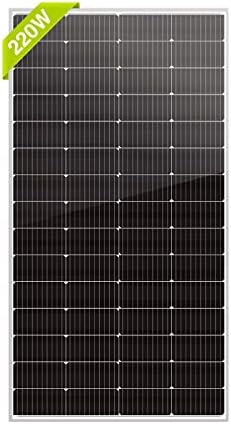
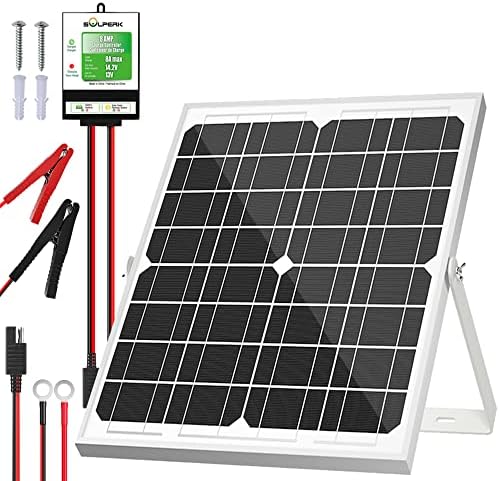
To manage your solar energy effectively, it’s crucial to know how energy production works. Solar panels convert sunlight into electricity through photovoltaic cells. Here’s a basic rundown of how it all comes together:
1. **Sunlight Absorption**: Photons from sunlight hit the solar cells and provide energy to electrons, essentially generating electricity.
2. **Inverter Functionality**: The direct current (DC) produced is then converted into alternating current (AC) by an inverter, which is what most household appliances use.
3. **Energy Distribution**: The AC electricity powers your home. If you produce more energy than you consume, the excess can often be fed back into the grid, potentially earning you credits.
Tracking this process is vital for maximizing savings, ensuring efficiency, and reducing your carbon footprint.
## Why Track Your Solar Energy?
Tracking your solar energy production is not just about checking numbers; it’s about understanding your power usage in real-time. Here are some reasons why diligent tracking is essential:
– **Financial Insight**: Knowing how much energy you produce each day helps you forecast your monthly energy bill, making budgeting a breeze.
– **Maintenance Needs**: Monitoring production allows you to identify dips in energy generation that may signal maintenance issues, keeping your system running at peak performance.
– **Behavioral Changes**: When you see how your energy consumption correlates with solar production, you may adjust your usage habits to optimize efficiency (e.g., running the dishwasher during peak sunlight hours).
## Tools for Tracking Solar Energy Production
When it comes to tracking solar energy production, a variety of tools and systems are available. Here are a few popular options:
### 1. Solar Monitoring Apps
Most solar power systems come with monitoring software or apps. These typically track:
– Daily, weekly, and monthly production.
– Historical energy performance.
– Real-time monitoring of energy flow.
Apps can often send alerts for anomalies, ensuring you’re always in the know.
### 2. Energy Management Systems (EMS)
An EMS integrates information from all your home energy sources—solar panels, batteries, and the grid—into one cohesive dashboard. This allows for advanced tracking and automation, optimizing your energy use for cost savings.
### 3. Inverters with Monitoring Features
Modern inverters often come equipped with monitoring capabilities. For example, microinverters installed on each panel can give granular data on performance, helping you to identify potential issues with individual panels.
### 4. Smart Meters
Installing a smart meter can provide comprehensive insights into how much energy you consume against how much you produce. This bidirectional communication allows you to interact more dynamically with your energy use.
## Interpreting Your Data
Once you have the tools in place, it’s essential to know how to interpret the data. Key metrics include:
– **Energy Produced**: Measured in kilowatt-hours (kWh), knowing your daily, weekly, and monthly production levels is crucial.
– **Performance Ratio (PR)**: This measures the efficiency of your solar power system, factoring in losses due to temperature, shading, and other inefficiencies.
– **Self-consumption Rate**: It indicates the percentage of produced energy that is used onsite rather than sent back to the grid.
Understanding these metrics isn’t just about data; it’s about making informed decisions that lead to better energy efficiency and greater savings.
## Pro Tips for Maximizing Your Solar Savings
Embracing solar energy is just the beginning; here are some tried-and-true tips to enhance your experience:
1. **Optimize Panel Placement**: Ensure your panels are positioned to maximize sunlight exposure throughout the day. Perform regular assessments of their positioning as trees or buildings could create new shadows over time.
2. **Time Your Usage**: Run energy-intensive appliances during daylight hours when your solar production is highest. This will reduce your reliance on grid power and save cash.
3. **Keep Panels Clean**: Dust, dirt, and debris can significantly reduce solar panels’ efficiency. Invest in a cleaning kit or hire professionals to clean your panels periodically.
4. **Consider Battery Storage**: Storing excess energy generated during the day allows you to use solar power during nighttime or cloudy days, maximizing savings and energy independence.
5. **Stay Educated**: The solar landscape is constantly evolving. Keep abreast of technological advancements, tax incentives, and new energy policies that can enhance your solar experience.
## The Financial Impact of Tracking Solar Energy
Investing in solar energy can yield substantial savings, particularly when tracking is implemented effectively. According to various studies, homes with solar panels can save anywhere from $10,000 to $30,000 over the panels’ lifespan. Here’s how tracking contributes:
– **Informed Decisions**: With detailed stats on production, you can analyze the cost-effectiveness of adding more panels or investing in energy storage.
– **Grid Advantage**: Knowing your consumption patterns and maximizing self-consumption minimizes reliance on the grid, effectively lowering monthly utility bills.
– **Tax Incentives**: Understanding your energy output can help you make informed decisions about tax credits or deductions brought on by renewable energy investment.
## Conclusion: Chart Your Solar Journey
At the end of the day, transitioning to solar energy isn’t just about harnessing power; it’s about embracing a new way of life. By diligently tracking your solar energy production, you can maximize your savings, enhance your energy efficiency, and contribute to a more sustainable future.
Every sunlit day also offers an opportunity for financial respite and environmental stewardship. So grab that data, analyze those trends, and watch not only your energy independence grow but also a brighter, more sustainable future unfold before your eyes. Celebrate every sunny moment by making the most of that radiant energy streaming down—after all, it’s not just the sun’s warmth that brings joy; it’s the savings and sustainability that energize your lifestyle!
By keeping these strategies in mind, you’re not just lighting up your home; you’re illuminating a path to savings, sustainability, and a brighter tomorrow. Happy tracking!