# Harnessing the Sun: How to Set Up Your Own Off-Grid Solar Power
Imagine waking up to the gentle hum of nature and the warm rays of the sun streaming through your window, free from the buzzing sound of grid electricity and the obligations of monthly utility bills. That was the moment when I realized I had embarked on a transformative journey—creating a lifestyle entirely powered by the sun. There’s something incredibly freeing about harnessing the sun’s energy right from your backyard, allowing you a sustainable, self-reliant way of living that gets richer with each ray of sunshine.
## Understanding Solar Energy
At its core, solar energy is the process of converting sunlight into electricity using solar panels. The technology has come a long way over the past few decades, making it not only efficient but also affordable. Apart from reducing your carbon footprint, setting up an off-grid solar power system can bring you true independence, allowing you to enjoy the beauty of remote living without compromising on electrical comforts.
### Why Go Off-Grid?
1. **Freedom from Utility Bills**: With an off-grid solar system, your energy costs drop dramatically. You essentially own your source of power.
2. **Sustainability**: Solar power is renewable and reduces reliance on fossil fuels, contributing to a cleaner planet.
3. **Independence**: Whether it’s in the mountains or by the sea, you can set up your solar system almost anywhere.
4. **Increased Property Value**: A solar system can enhance your property’s market value by making it more attractive to eco-conscious buyers.
## Components of an Off-Grid Solar System
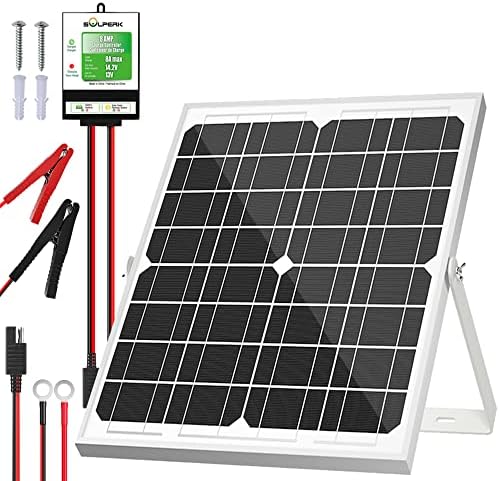
Setting up your solar power system involves a few essential components, each playing a crucial role in generating, storing, and utilizing solar energy.
### 1. Solar Panels
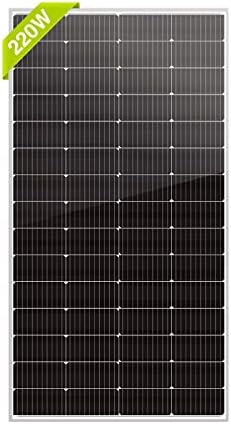
These are the heart of your system. Photovoltaic (PV) panels capture sunlight and convert it into electricity. There are different types:
– **Monocrystalline**: Highly efficient but typically more expensive.
– **Polycrystalline**: Good efficiency at a lower cost.
– **Thin-film**: Lightweight and flexible but less efficient.
#### Which One to Choose?
For most applications, a mix of monocrystalline for high demand areas and polycrystalline for additional arrays works best.
### 2. Inverter
Your solar panels produce direct current (DC) electricity, while your appliances usually run on alternating current (AC) electricity. The inverter converts the DC into AC.
#### Tip: Choose a high-quality inverter and consider whether you want a grid-tied inverter or a standalone one based on your setup.
### 3. Battery Storage
Batteries store excess energy for use when the sun isn’t shining. Lithium-ion batteries are popular for their longevity, but lead-acid batteries are a more affordable option.
#### Recommended: A hybrid system involving both battery and grid-tied energy sources can offer even more flexibility.
### 4. Charge Controller
This device manages the voltage and current coming from your solar panels to prevent overcharging the batteries. It ensures that your batteries have a longer lifespan.
### 5. Wiring and Mounting Hardware
Quality cables and fittings are essential for both efficiency and safety. Be sure to use outdoor-rated materials for durability. Mounting can be done on rooftops or ground-mounted structures.
## Steps to Set Up Your Off-Grid Solar Power System
With your components ready, let’s dive into setting up your system step-by-step.
### Step 1: Calculate Your Energy Needs
First, you need to estimate how much energy you will be using. Here’s how:
– **List Your Appliances**: Write down everything you plan to power (lights, refrigerator, electronics, etc.)
– **Determine Wattage**: Find the wattage for each appliance (usually found on the label).
– **Estimate Daily Usage**: Multiply the wattage by the hours you plan to use each item.
Add this up to find your total daily energy requirement in watt-hours. This will guide you in determining how many solar panels and batteries you’ll need.
### Step 2: Choosing the Right Location
Your solar panels should be placed in a location with maximum sunlight exposure. Ideally:
– **South-Facing**: For Northern Hemisphere locations, south-facing rooftops are best.
– **No Shade**: Ensure that trees, buildings, or other structures won’t cast shadows on the panels.
### Step 3: Install the Solar Panels
Once you’ve chosen a great spot, it’s time to install:
– **Mount the Panels**: Secure them according to manufacturer instructions.
– **Connect Wiring**: Ensure all wires are properly connected following safety guidelines.
### Step 4: Set Up the Inverter and Charge Controller
After your panels are in place, set up the inverter and charge controller. Make sure they are close to the battery bank for optimal performance.
### Step 5: Connect the Battery Bank
Connect your batteries to the charge controller to start storing energy. Make sure to follow safety precautions when working with batteries.
### Step 6: Testing
Once everything is connected, turn your system on and let it charge. It’s essential to run a test to ensure everything is functioning as intended before fully relying on it.
## Pro Tips for Off-Grid Solar Success
1. **Stay Informed**: Solar technology is evolving fast. Keep an eye on new products and advancements that could enhance your system’s efficiency.
2. **Maintenance is Key**: Regularly check and clean your panels. Dust and debris can greatly impact efficiency.
3. **Energy Efficiency First**: Before investing in larger systems, maximize energy efficiency in your home with LED bulbs and Energy Star appliances.
4. **Think Ahead**: Consider future energy needs—adding new appliances or accommodating growing family needs can impact your system’s adequacy.
5. **Get Community Help**: Connect with local off-grid communities or online forums to share experiences and tips.
## Conclusion
Harnessing the sun and setting up your own off-grid solar power system is an empowering journey toward sustainability and independence. With just a little planning, the right components, and hands-on work, you can create an energy system that serves your needs while protecting the environment.
As you bask in the sunshine and embrace a life powered by renewable energy, you’ll find that the freedom it brings is just as rewarding as the energy itself. So grab your tools, gather your materials, and make the leap into a clearer, greener tomorrow!